Look, the whole industry’s buzzing about prefabrication now. Everyone's talking about modular this, off-site that. To be honest, it’s a good thing, takes some of the pressure off the sites, but it's not a magic bullet, you know? Been seeing a lot of projects where they try to over-engineer the connections between modules, thinking they're being clever. It always comes back to haunt them. Simple is better, always.
Have you noticed how everyone's obsessed with lighter materials? Weight is a big deal, especially with the rising transport costs. But lighter doesn't always mean stronger. It's a balancing act, and a lot of designs miss the mark. I encountered this at a factory in Foshan last time, they were using this new composite panel… looked great in the brochure, but felt flimsy as anything when you actually handled it. You could smell the resin off-gassing, too. Not a good sign.
We're mostly working with galvanized steel for the framing – you can tell a good batch by the way the zinc coating looks, almost silvery. And, of course, a lot of concrete. The mix is key, obviously. We spec a high-fly ash content for durability, but finding consistent quality suppliers is a constant headache. Then there’s the waterproofing membrane… that’s where things get really interesting. Strangely, even the most expensive ones seem to fail eventually if they’re not properly applied. It's the small details, always.
The Rising Tide of Prefabrication
It’s all about speed now, right? Getting things up and running quickly. Prefabrication helps with that, undeniably. Less weather dependency, better quality control in the factory… in theory, anyway. But the logistics can be a nightmare. Getting those big modules transported and craned into place… that’s where the real headaches begin.
Anyway, I think the biggest benefit is reducing the skilled labor needed on-site. Finding good bricklayers and concrete finishers is getting harder and harder. We’re starting to see a shift towards more assembly-type work, which is easier to train people for. It’s not glamorous, but it’s necessary. You've gotta adapt.
Design Traps: Over-Engineering and Lightweight Materials
Seriously, some of these architects… they design things that look amazing on paper, but have no clue how they're going to be built in the real world. They'll specify these incredibly complex connection details, thinking they’re being innovative. But they just create more points of failure.
And the lightweight materials… don’t even get me started. Everyone wants to save weight, but they forget about impact resistance and long-term durability. I saw a project last year where they used this super-lightweight cladding panel. Looked beautiful, but it dented if you looked at it wrong.
The key is understanding the forces at play. Wind loads, seismic activity, even just people bumping into things. You've got to design for the worst-case scenario, and that often means going back to tried-and-true methods. There’s a reason why certain things have been done the same way for centuries.
Materials on the Ground: Steel, Concrete, and Membranes
Galvanized steel is still king for most of the framing, I'd say. You can tell a good batch by the way it smells – kind of metallic, clean. The cheap stuff smells… off. And you can see the difference in the coating, it's not as even.
Concrete, well that's a whole different beast. We use a lot of self-compacting concrete now, makes life easier on the pour. But you’ve got to be careful with the admixtures. Too much plasticizer and it loses strength. And the fly ash content… that's a constant battle with the suppliers. Everyone’s trying to cut costs.
Waterproofing membranes… that's where the real voodoo happens. EPDM, TPO, PVC… they all have their pros and cons. I’ve seen membranes that cost a fortune fail within a year because they weren’t properly installed. It’s all about the laps and the seams. And don't even get me started on the flashing details. Later… Forget it, I won't mention it.
Real-World Testing: Beyond the Lab
Lab tests are fine, but they don’t tell you the whole story. You need to see how things perform under actual conditions. We do a lot of on-site mockups, stress-testing connections, checking for leaks… the basics.
One thing we started doing is simulating wind loads with big fans. It’s crude, but it gives you a good indication of how the structure will behave in a storm. And we always, always do a water test. Flood the roof, see where the leaks are. It’s messy, but it saves a lot of headaches later on.
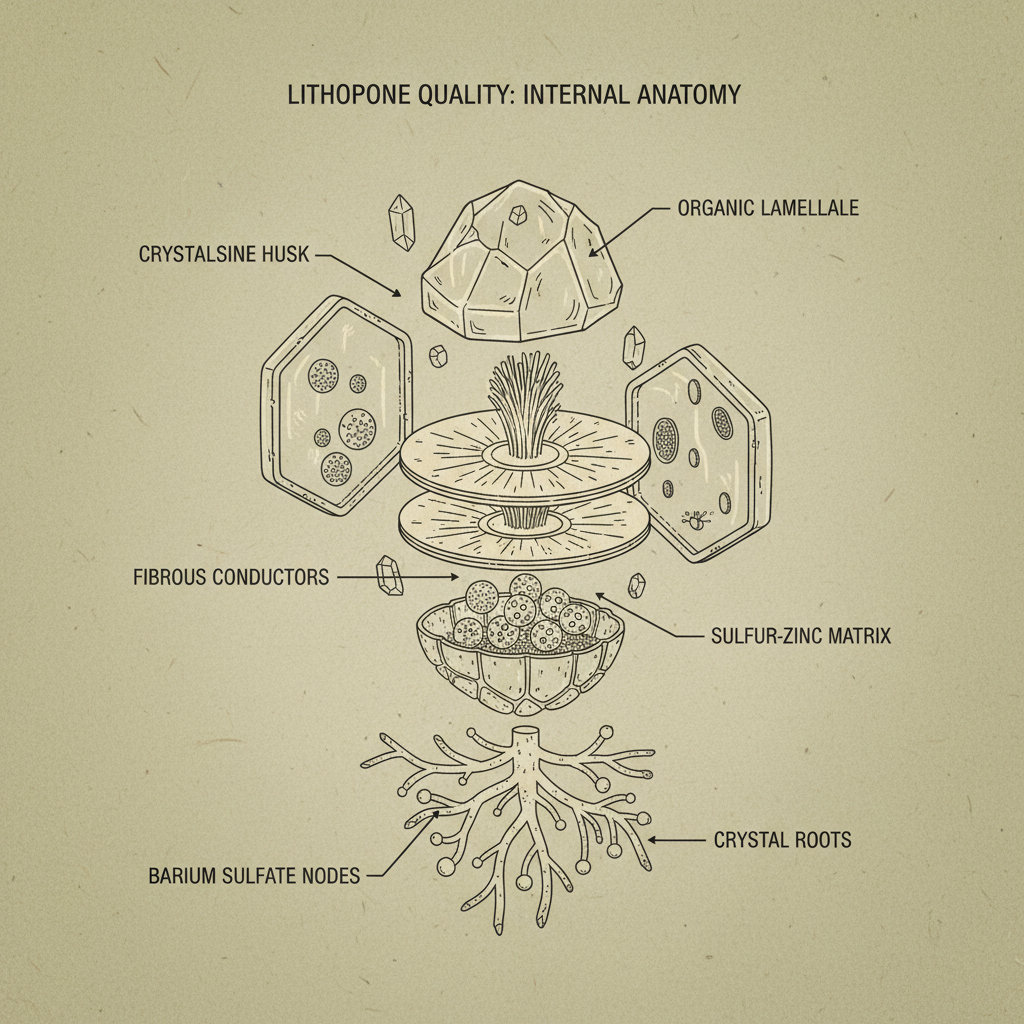
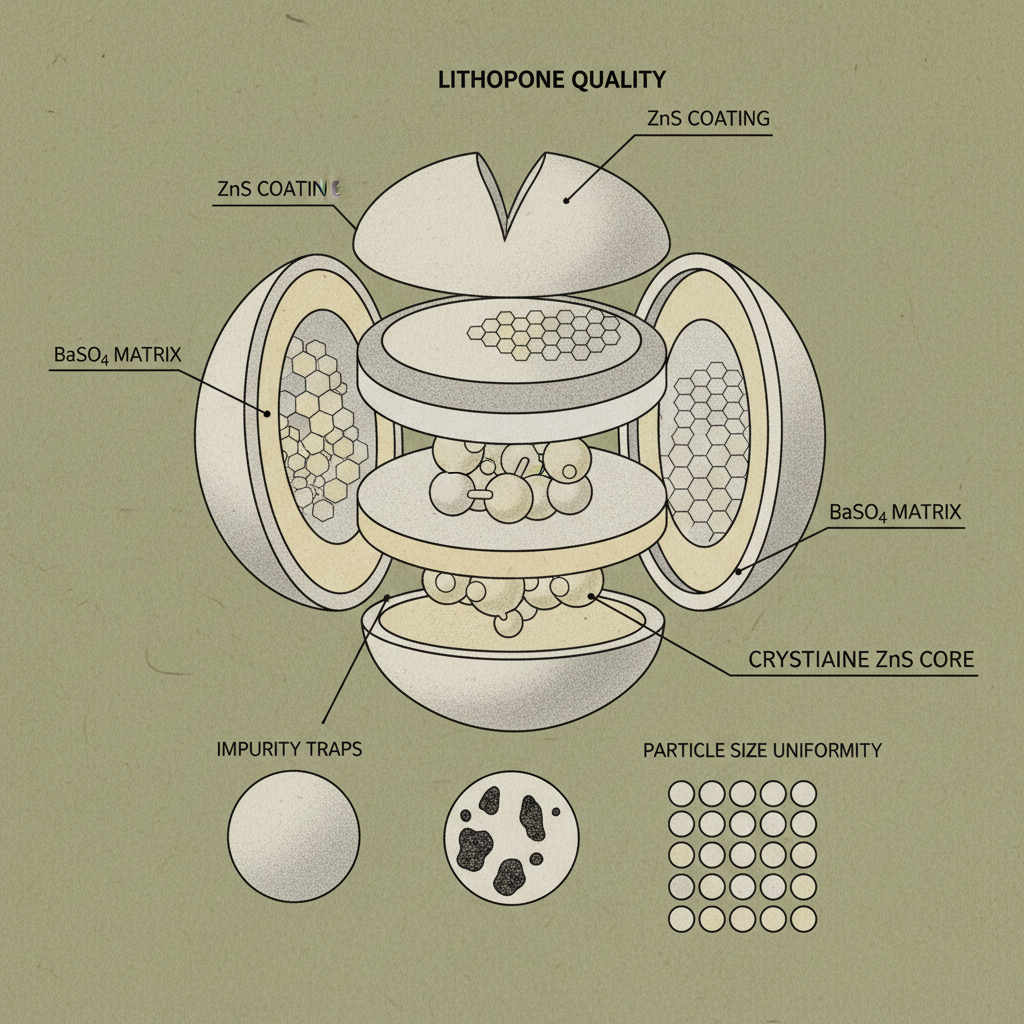
Lithopone Quality - Connection Failure Rates
How They’re Actually Used
You know, it’s funny. We spec these materials with a certain use in mind, but the guys on site always find a way to do things differently. They’ll use the scaffolding tubes as rollers, prop up walls with whatever’s handy, and, yeah, occasionally misuse a tool or two.
It’s not necessarily a bad thing. They’re practical, they’re resourceful. But it means you have to be adaptable. You can’t just rely on the drawings and the specs. You have to go out there and see what’s actually happening.
Advantages and Disadvantages – Let’s Be Real
Prefabrication offers speed and quality control, no question. But it also locks you in early. Changes are expensive and difficult once the modules are built. And the transport costs… they can kill a project.
Lightweight materials are great for reducing weight, but they often lack durability. It’s a trade-off. And you’ve got to be realistic about the long-term maintenance. Some of these new materials require specialized cleaning and repairs.
Honestly, there’s no silver bullet. It’s always a compromise. You have to weigh the pros and cons and choose the best solution for the specific project. And don’t be afraid to go back to basics if that’s what it takes.
Customization and the Shenzhen Smart Home Boss
We can customize most of our systems to a certain extent. Different finishes, sizes, connection details… But there’s a limit. The more you deviate from the standard, the more expensive it gets.
Last month, that small boss in Shenzhen who makes smart home devices insisted on changing the interface to . Said it was “more modern.” We tried to explain that it would require a complete redesign of the wiring harness, adding weeks to the lead time and significantly increasing the cost. He wouldn’t listen. Ended up costing him a fortune and delaying his launch by a month.
It’s a good lesson. Sometimes, the simplest solution is the best. Don’t chase trends just for the sake of it.
Material Properties Comparison (Rough Sketch)
| Material |
Cost (per unit) |
Strength (1-10) |
Durability (1-10) |
| Galvanized Steel |
$25/meter |
8 |
9 |
| Aluminum |
$40/meter |
6 |
7 |
| Concrete (High Fly Ash) |
$15/cubic meter |
7 |
10 |
| Composite Panel (lightweight) |
$30/square meter |
4 |
5 |
| Waterproofing Membrane (EPDM) |
$10/square meter |
N/A |
8 |
| Timber (Treated) |
$20/meter |
5 |
6 |
FAQS
Honestly, they prioritize cost over everything else. They go for the cheapest option without considering the long-term durability or maintenance. You get what you pay for, always. It’s better to spend a little more upfront and get a material that will last, rather than constantly patching things up later. We’ve seen it happen so many times. They think they're saving money, but they're just delaying the inevitable.
Critically important. You can have the best materials in the world, but if they’re not installed correctly, they’re useless. Waterproofing is a prime example. A poorly applied membrane will leak faster than a cheap one. It’s all about the details – the laps, the seams, the flashing. You need skilled labor and proper supervision. It is all about the details, always!
Time and resources. It takes time to set up the tests, and you need the right equipment. And you need someone who knows what they’re doing. Also, getting buy-in from the client can be difficult. They often see testing as a waste of money. But it’s a necessary investment to ensure quality. Really, it is.
More often than you’d think. Architects and engineers can design things on paper, but the real world is messy. There are always unforeseen challenges. Sometimes you have to modify the connections, or change the materials, or even redesign entire sections. Flexibility is key. You need a team that can adapt quickly.
Don't overcomplicate things. Start with a simple design and focus on getting the basics right. And listen to the guys on site. They have a wealth of practical experience. They know what works and what doesn’t. They are the real experts, honestly.
Inspect, inspect, inspect. Don’t just rely on the supplier’s certifications. Check the materials yourself when they arrive on site. Look for defects, inconsistencies, and signs of damage. And keep detailed records of everything. Documentation is your friend.
Conclusion
Ultimately, we talk about design, materials, and testing, but it all boils down to this: building is a practical business. It’s about putting things together that will stand the test of time. Prefabrication, lightweight materials, fancy membranes – they’re all just tools.
But the real test isn't in the lab or on the drawings. It's when the worker tightens that last screw, when the wind starts to howl, and when the rain starts to fall. That’s when you know whether it works or not. And that, frankly, is all that matters. Visit our website at www.cqtitaniumdioxide.com to learn more about our materials and services.