Interior wall coating lithopone represents a significant advancement in decorative and protective wall finishes, gaining prominence globally due to its unique blend of aesthetic appeal, durability, and cost-effectiveness. Its ability to mimic the appearance of more expensive materials while offering superior performance characteristics is driving its adoption across diverse sectors, from residential construction to large-scale industrial projects. Understanding its properties and applications is crucial for architects, contractors, and homeowners alike.
The growing demand for sustainable and eco-friendly building materials further fuels the relevance of interior wall coating lithopone. Its production processes are becoming increasingly refined to minimize environmental impact, making it a viable alternative to traditional coatings. Globally, this is particularly important in developing nations where access to affordable and high-quality building materials is often limited.
Ultimately, interior wall coating lithopone empowers professionals and individuals to achieve visually stunning and long-lasting wall finishes without compromising on budget or environmental responsibility. The continuing development of improved formulations promises to expand its applications even further, solidifying its position as a key player in the modern construction industry.
Introduction to Interior Wall Coating Lithopone
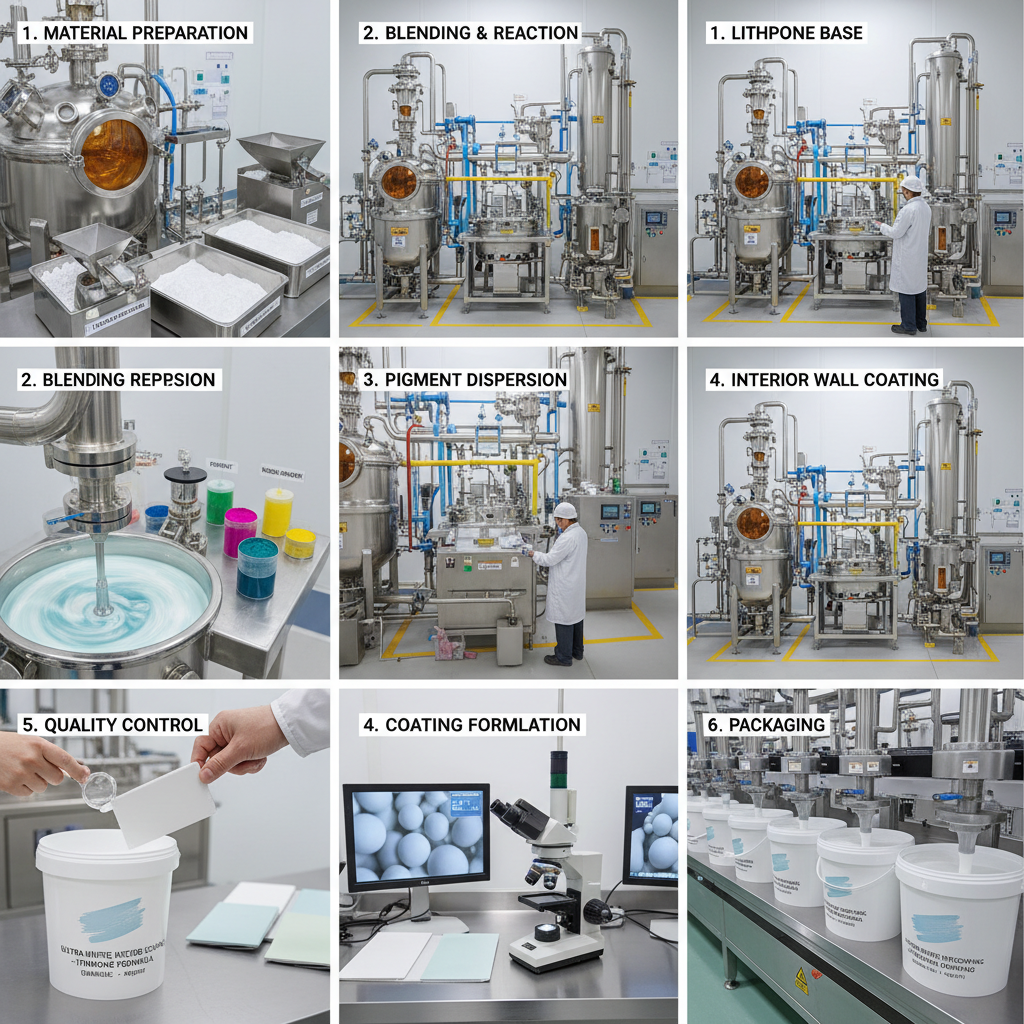
Interior wall coating lithopone is a versatile pigment used extensively in the paint and coatings industry for interior wall applications. It’s a compound of zinc sulfide and barium sulfate, designed to provide excellent opacity and brightness, serving as a cost-effective alternative to titanium dioxide in many formulations. This blend creates a durable and aesthetically pleasing finish suitable for a variety of interior spaces.
The appeal of interior wall coating lithopone stems from its ability to deliver a high-quality finish at a competitive price point. It exhibits good hiding power, allowing for efficient coverage and reducing the need for multiple coats. This, coupled with its compatibility with various binders and additives, makes it a favorite among paint manufacturers and construction professionals globally.
The Global Relevance of Interior Wall Coating Lithopone
The global demand for interior wall coatings is experiencing steady growth, driven by urbanization, infrastructural development, and a rising middle class in emerging economies. According to a report by Grand View Research, the global paints and coatings market was valued at USD 188.74 billion in 2022 and is projected to reach USD 254.79 billion by 2030. Interior wall coatings constitute a significant portion of this market, and lithopone plays a key role in meeting the demand for affordable yet reliable solutions.
In regions with limited access to titanium dioxide, such as parts of Asia and Africa, interior wall coating lithopone becomes a particularly crucial component. The availability and lower cost of lithopone allow for broader access to protective and aesthetically pleasing wall coatings, improving living conditions and contributing to public health. Moreover, the increasing emphasis on sustainable building practices encourages the use of pigments with reduced environmental impact.
The construction sector’s reliance on consistent supply chains has also highlighted the importance of diverse pigment options. Interior wall coating lithopone provides a valuable alternative, mitigating risks associated with the fluctuating availability and pricing of titanium dioxide. This diversification strengthens the resilience of the industry and ensures a consistent supply of essential building materials worldwide.
Defining Interior Wall Coating Lithopone
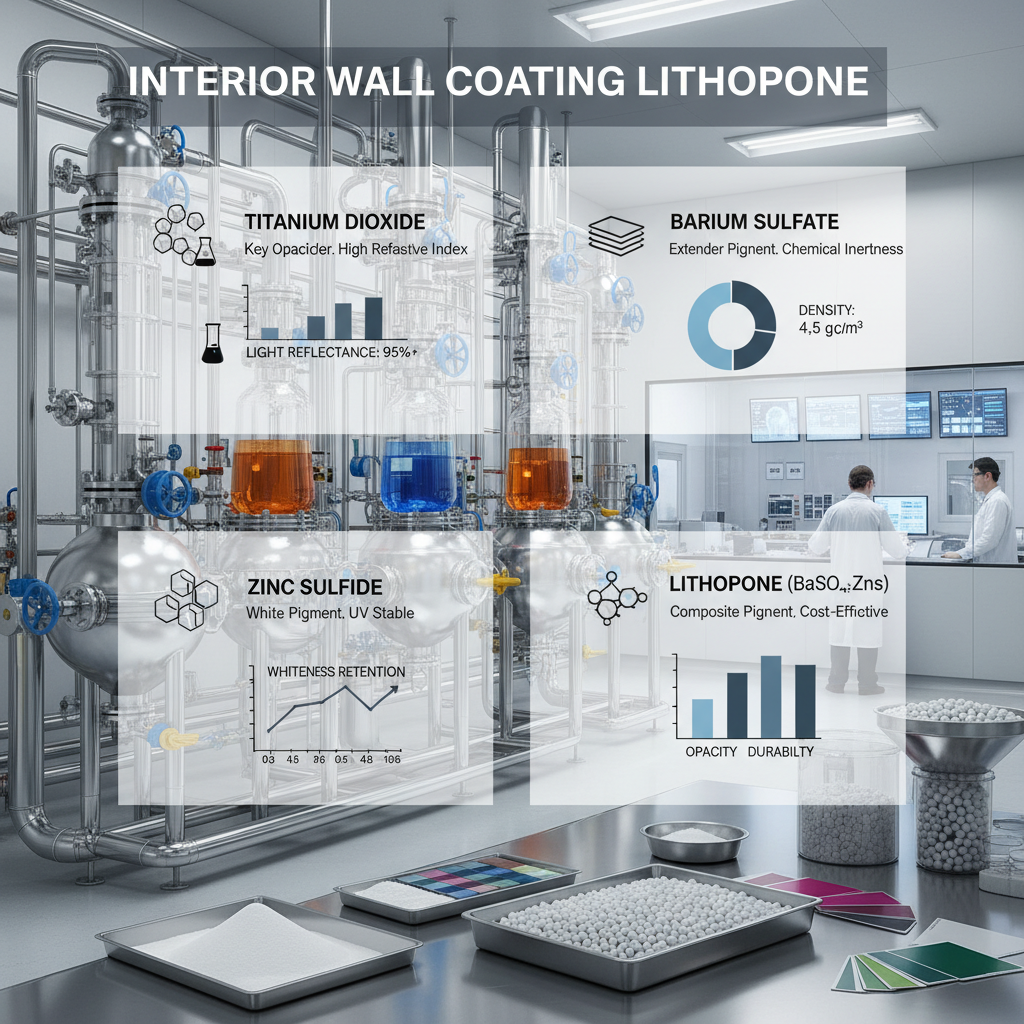
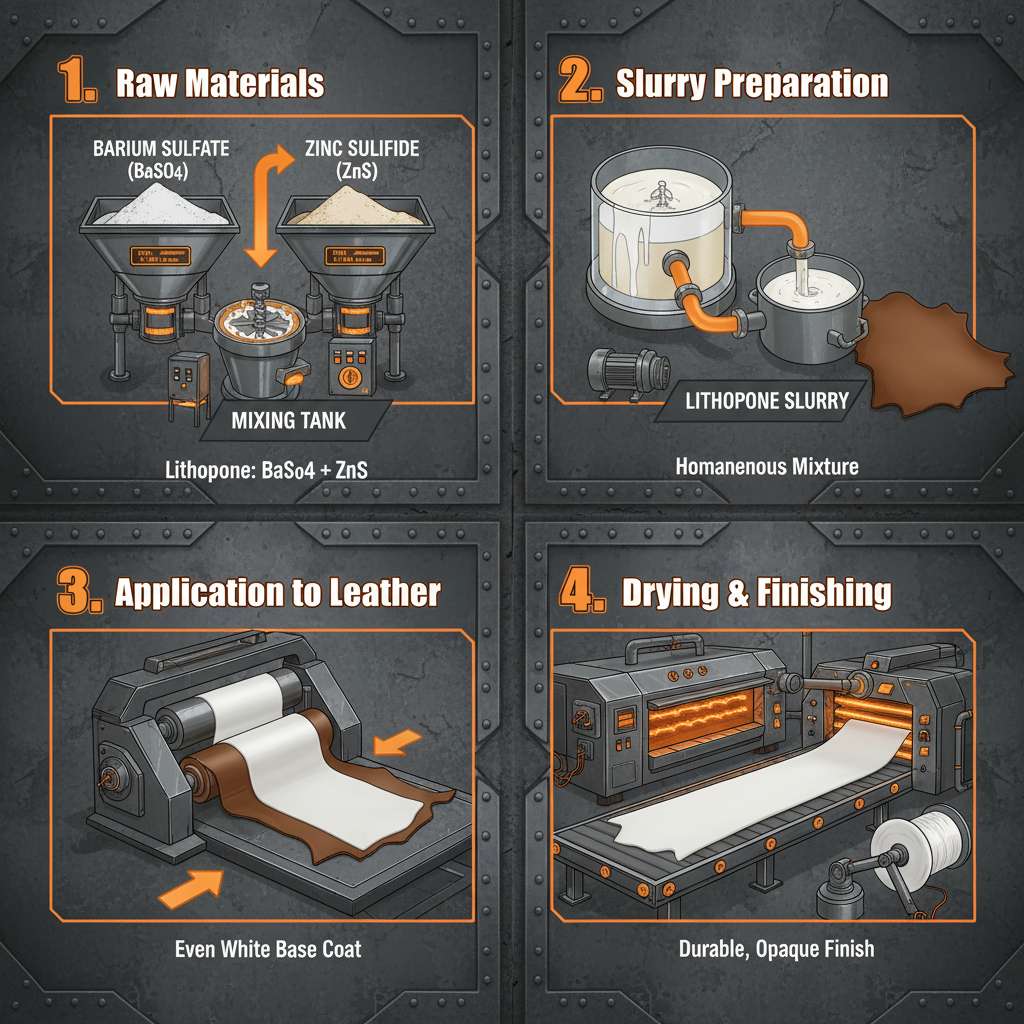
Interior wall coating lithopone is a synthetic pigment primarily composed of zinc sulfide (ZnS) and barium sulfate (BaSO4). The combination of these two compounds creates a white pigment renowned for its high opacity, brightness, and scattering properties. Unlike titanium dioxide, which relies on refraction for opacity, lithopone achieves its effect through a combination of both refraction and reflection.
Historically, lithopone emerged as a more affordable alternative to lead-based pigments, which were later phased out due to their toxicity. It quickly gained prominence in various applications, including paints, plastics, paper coatings, and printing inks. Its connection to modern industrial needs lies in its ability to provide a reliable and cost-effective white pigment for large-scale manufacturing processes.
Today, the quality and performance of interior wall coating lithopone have been significantly enhanced through advancements in manufacturing techniques. Modern lithopone formulations often incorporate additives to improve dispersion, durability, and resistance to chalking and yellowing, making it a viable option for demanding interior applications.
Key Factors Influencing Lithopone Performance
Several key factors influence the performance and suitability of interior wall coating lithopone for specific applications. First, particle size distribution plays a crucial role; finer particles generally result in higher opacity and smoother finishes. Secondly, chemical purity is paramount, ensuring minimal impurities that could affect color stability or coating durability.
Surface treatment of the lithopone particles significantly impacts its dispersibility and compatibility with different binder systems. Properly treated particles integrate more effectively into the paint matrix, resulting in improved film formation and enhanced coating properties. A fourth critical factor is zinc sulfide to barium sulfate ratio. Adjusting this ratio allows for tailored performance characteristics, such as optimized opacity and brightness.
Finally, alkali resistance is an important consideration, particularly for interior wall coatings that may be exposed to alkaline substrates. High-quality lithopone exhibits excellent resistance to alkali attack, preventing discoloration and maintaining its integrity over time. These factors collectively determine the overall quality and long-term performance of interior wall coating lithopone.
Interior Wall Coating Lithopone Performance Metrics
Global Applications and Use Cases of Lithopone
Interior wall coating lithopone finds widespread application in residential construction, providing an affordable and effective means of enhancing interior aesthetics and protecting walls from wear and tear. It’s commonly used in rental properties, social housing projects, and budget-conscious renovations where cost is a primary concern.
In post-disaster relief operations, lithopone-based paints are often utilized for rapid rehabilitation of damaged buildings. Their quick-drying properties and ease of application make them ideal for addressing urgent shelter needs. Furthermore, in remote industrial zones and developing countries, where access to higher-end pigments is limited, interior wall coating lithopone serves as a crucial material for maintaining infrastructure and improving living conditions.
The versatility of lithopone extends beyond residential and emergency applications. It's also employed in commercial spaces like schools, hospitals, and offices, providing a durable and easy-to-clean surface. The pigment’s ability to accept tints and shades allows for customized color schemes, enhancing the aesthetic appeal of these environments.
Advantages and Long-Term Value of Lithopone Coatings
The primary advantage of interior wall coating lithopone lies in its cost-effectiveness. It offers a significant price advantage over titanium dioxide without drastically compromising on opacity and brightness. This affordability translates to lower project costs for builders and homeowners, making quality wall finishes accessible to a wider range of individuals. Beyond cost, lithopone exhibits good durability, resisting fading, chalking, and abrasion under normal indoor conditions.
From a sustainability perspective, the manufacturing of lithopone is becoming increasingly environmentally conscious, with efforts focused on reducing waste and minimizing energy consumption. The use of lithopone can contribute to more sustainable building practices, aligning with the growing demand for eco-friendly materials. Its long-term value is further enhanced by its ability to reduce maintenance costs, as its durable finish requires less frequent repainting.
Future Trends and Innovations in Lithopone Technology
Ongoing research focuses on enhancing the performance of interior wall coating lithopone through advanced surface treatments and particle engineering. Nanotechnology is being explored to improve dispersion, opacity, and durability, potentially bridging the gap between lithopone and titanium dioxide in terms of performance characteristics. Green chemistry initiatives are also driving the development of more sustainable manufacturing processes.
The integration of digital technologies, such as AI-powered color matching and automated paint mixing systems, is streamlining the use of lithopone in customized coating formulations. Furthermore, the adoption of circular economy principles, focusing on pigment recovery and recycling, promises to reduce waste and minimize the environmental footprint of lithopone production and application.
These innovations are poised to unlock new applications for interior wall coating lithopone, positioning it as a key component in the next generation of sustainable and high-performance building materials. The development of self-cleaning coatings incorporating lithopone is also an emerging trend, offering long-term benefits in terms of reduced maintenance and improved hygiene.
Challenges and Solutions
Despite its advantages, interior wall coating lithopone faces challenges related to its slightly lower tint strength compared to titanium dioxide. This necessitates the use of higher pigment loadings to achieve desired color saturation, potentially impacting cost-effectiveness. However, this can be mitigated through the development of optimized color formulations and the use of synergistic pigment blends.
Another challenge lies in the potential for yellowing over time, particularly in areas with high humidity or exposure to UV light. This can be addressed by incorporating UV absorbers and stabilizers into the coating formulation. Furthermore, advancements in encapsulation technologies can protect the lithopone particles from degradation, extending the lifespan of the coating.
Finally, improving the dispersibility of lithopone in water-based coatings remains an ongoing area of research. Novel dispersing agents and surface treatments are being developed to enhance compatibility and prevent agglomeration, ensuring a smooth and uniform finish. Addressing these challenges will unlock the full potential of interior wall coating lithopone and solidify its position as a valuable component of the coatings industry.
Lithopone Performance Comparison
| Pigment Type |
Opacity Rating (1-10) |
Cost Effectiveness (1-10) |
Durability Rating (1-10) |
| Lithopone (Standard) |
7 |
9 |
6 |
| Lithopone (Surface Treated) |
8 |
9 |
7 |
| Titanium Dioxide (Standard) |
9 |
6 |
8 |
| Titanium Dioxide (Rutile) |
10 |
5 |
9 |
| Zinc Oxide |
6 |
7 |
5 |
| Barium Sulfate |
5 |
8 |
4 |
FAQS
The main difference lies in their composition and cost. Titanium dioxide offers superior opacity and tint strength, but it’s significantly more expensive. Interior wall coating lithopone, a combination of zinc sulfide and barium sulfate, provides good opacity at a lower cost, making it a viable alternative for budget-conscious projects. While its tint strength is lower, optimized formulations can achieve excellent color saturation.
While lithopone itself is relatively stable, prolonged exposure to high humidity can potentially lead to slight yellowing over time. However, this can be mitigated by incorporating UV absorbers and stabilizers into the coating formulation. Choosing a high-quality lithopone grade with appropriate surface treatment can also improve its resistance to humidity-induced discoloration.
Particle size distribution is crucial. Finer particles generally result in higher opacity, smoother finishes, and better dispersion within the paint matrix. Larger particles can lead to reduced opacity and a coarser texture. Manufacturers often control particle size during production to optimize the performance characteristics of the lithopone pigment.
Lithopone is generally considered more environmentally friendly than lead-based pigments it historically replaced. Modern manufacturing processes are focusing on reducing waste and minimizing energy consumption. Furthermore, the increased durability of lithopone coatings can reduce the frequency of repainting, leading to lower overall environmental impact.
Beyond interior wall paints, lithopone is used in various applications, including plastics, paper coatings, printing inks, and rubber manufacturing. Its opacity and brightness make it a valuable ingredient in these products. It’s also employed in the production of certain types of cosmetics and pharmaceuticals.
Improving dispersion often involves using a suitable dispersing agent specifically designed for inorganic pigments like lithopone. Surface treatments on the lithopone particles can also enhance compatibility with water-based binders. Proper mixing techniques and shear rates during paint manufacturing are also critical for achieving optimal dispersion.
Conclusion
In conclusion, interior wall coating lithopone remains a vital and versatile pigment in the construction and coatings industries. Its unique combination of affordability, opacity, and durability makes it a compelling alternative to more expensive options like titanium dioxide, particularly in projects where budget constraints are a primary consideration. Ongoing innovations in surface treatment and particle engineering are continually enhancing its performance characteristics.
Looking ahead, the continued focus on sustainability and circular economy principles will further solidify the role of interior wall coating lithopone in the future of building materials. By embracing advanced technologies and prioritizing responsible manufacturing practices, the industry can unlock the full potential of this valuable pigment and contribute to a more sustainable and accessible built environment. To learn more about our lithopone products and solutions, visit our website: www.cqtitaniumdioxide.com.