You know, lately everyone's talking about this new wave of high-performance china lithopone. It's not like ten years ago, when everything was just...well, basic. Now everyone wants the brightest white, the most durable finish, something that doesn't yellow after six months in the sun. Honestly, it's exhausting keeping up.
I’ve been on sites all year, dealing with this stuff, and let me tell you, the devil's in the details. People design these things in offices, looking at numbers on a screen. Have you noticed how engineers love their perfectly calibrated simulations? It's a different world out here.
The biggest problem I see is folks getting hung up on specs and forgetting about the actual handling of the material. It's not just about the pigment, it's about the whole system.
The Current Landscape of china lithopone
Strangely enough, everyone's chasing this ultra-fine particle size now. Apparently, it gives you a smoother finish, better opacity. Makes sense on paper, but it also means it clumps easier, gets airborne faster... a real pain to work with, honestly. The demand’s skyrocketing, especially coming out of Southeast Asia, everyone wants whiter plastics, brighter paints. I encountered this at a factory in Guangdong last time, and the dust control was a nightmare.
The whole supply chain is stretched thin too. Shipping costs are insane, and finding consistent quality is a gamble. You can get cheap china lithopone, sure, but it's often full of impurities. It'll look good for a month, then start degrading.
Common Design Pitfalls with china lithopone
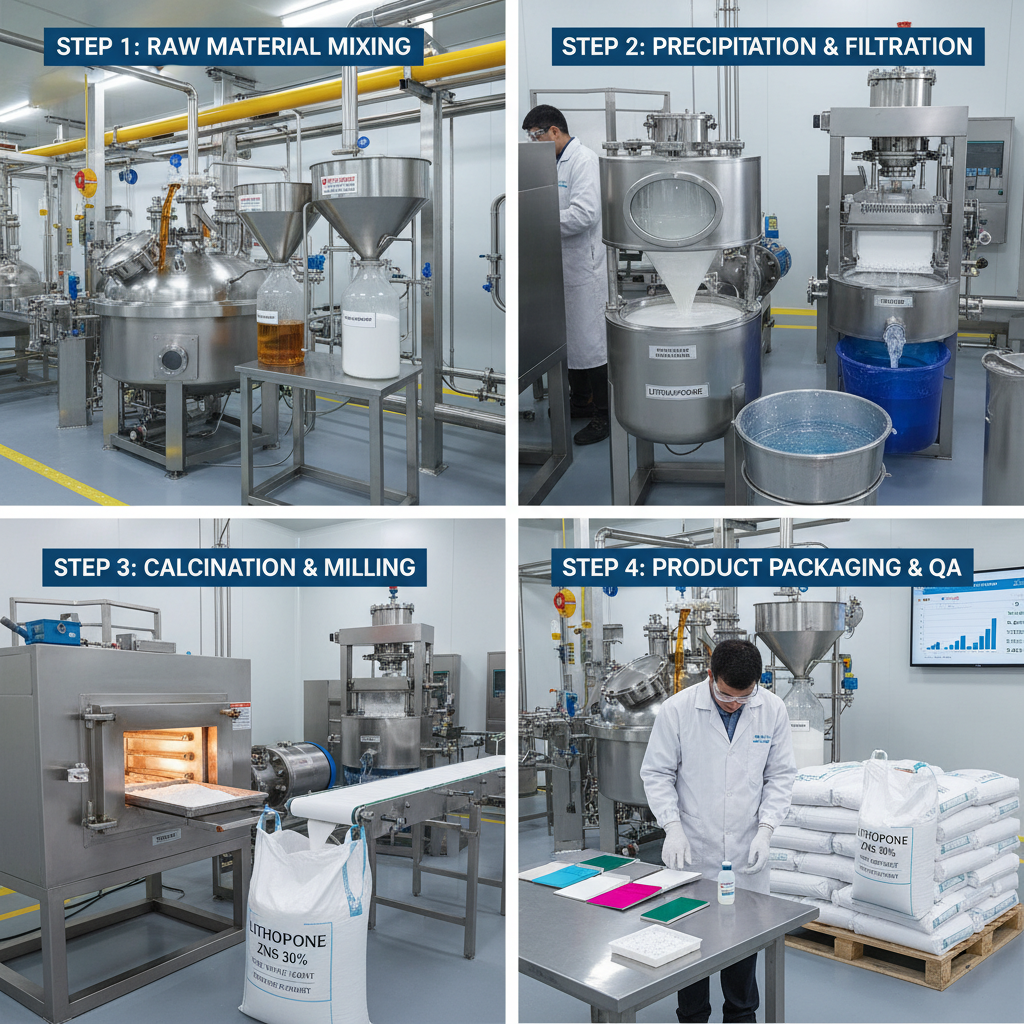
I’ve seen it a hundred times. Designers will specify a certain whiteness index without thinking about the base resin they're using. You can't just slap high-grade china lithopone into a cheap, yellowish plastic and expect miracles. It's gonna look off. And they always underestimate the dispersion process. Getting that pigment evenly distributed? That takes time, energy, and the right equipment.
Another trap is overlooking the long-term UV resistance. Lots of china lithopone formulations look brilliant at first, but fade quickly under sunlight. That's where stabilizers come in, but those add cost, and everyone's always trying to cut corners.
Anyway, I think the biggest issue is a lack of communication between the designers, the material suppliers, and the guys actually making the stuff.
The Heart of the Matter: Materials & Feel
You know, good china lithopone isn't just about the numbers, it’s about how it feels. A quality batch has this… almost silky texture. It's not gritty, not chalky. And there's a faint, clean smell. Not like that acrid chemical stink you get with some of the cheaper stuff. I can tell a good batch just by the way it flows through my fingers.
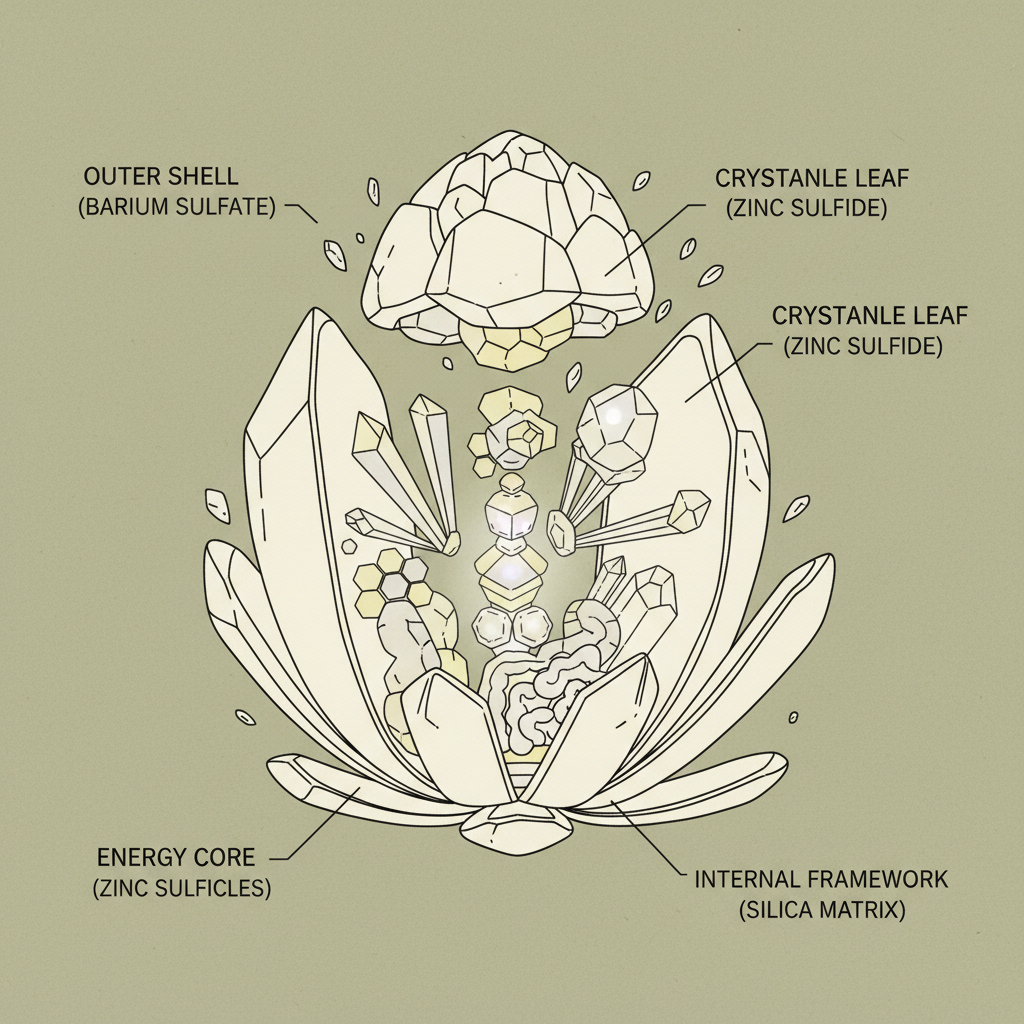
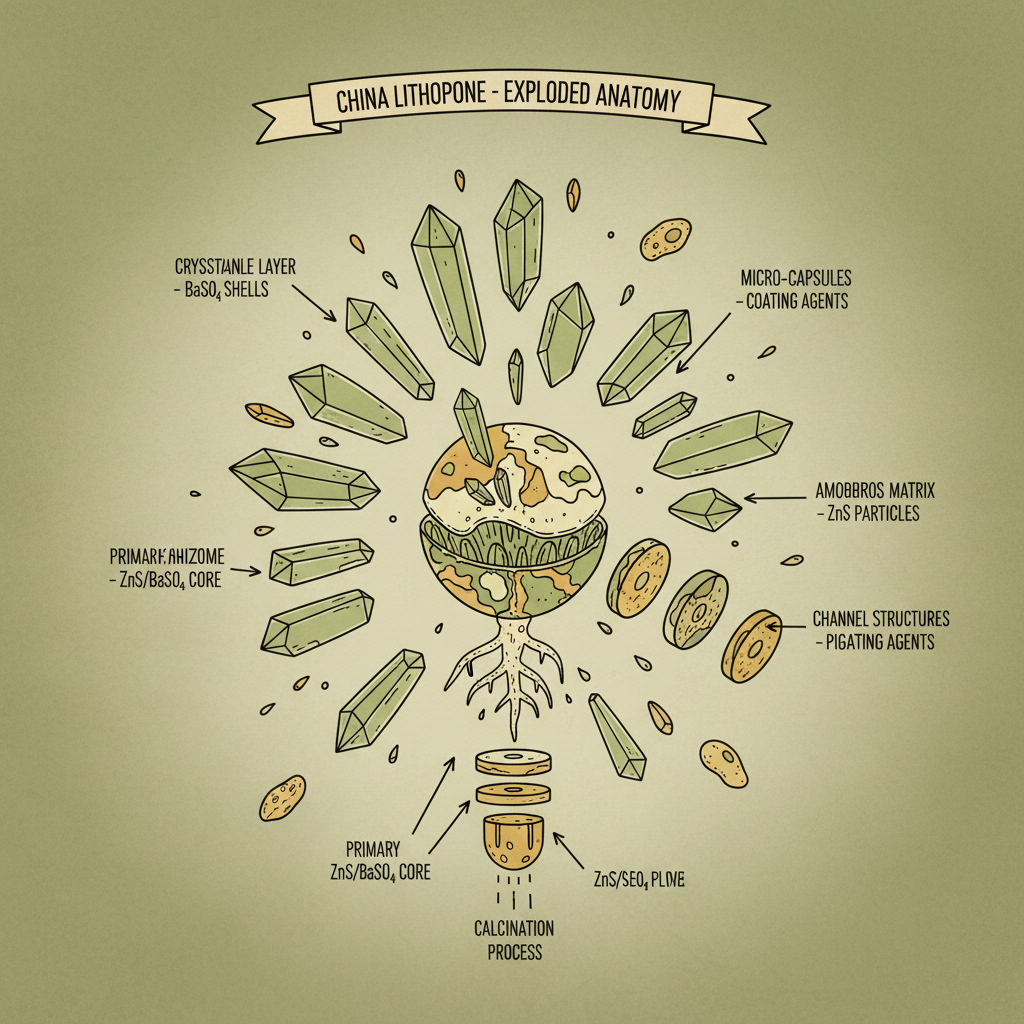
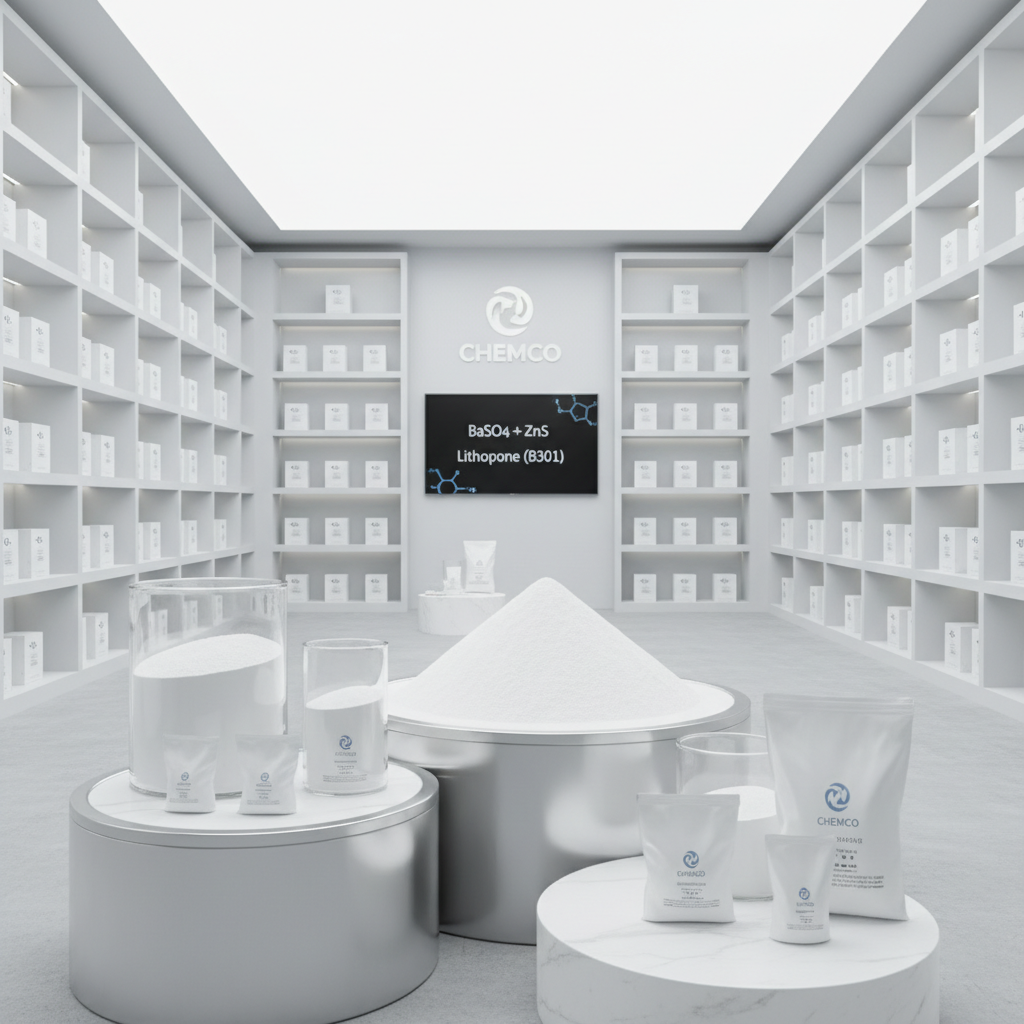
We're using a lot of zinc sulfide these days, blended with the barium sulfate. It gives a really nice brightness. But you have to be careful with the ratios. Too much zinc sulfide, and you get this weird yellowing effect over time. And the particle size distribution is critical. You want a tight distribution – not too many big chunks, not too many tiny particles. It’s a delicate balance. It has to be the right blend to hold up in the application.
Titanium dioxide is still king, of course, but china lithopone offers a good price-performance ratio for certain applications. It's just… a different beast.
Real-World Testing of china lithopone
Forget those lab tests with controlled environments. The real test is putting it out in the field, exposing it to the elements. We'll take samples, apply them to different substrates, and leave them baking in the sun for months. We’ll hose them down with salt water, scratch them with sandpaper, and just generally abuse them.
I remember one project, an outdoor furniture line, where we were testing different china lithopone formulations. The lab reports said one particular batch had excellent UV resistance. But after three months on a patio in Florida? It looked like it had aged ten years. Turns out, the lab testing didn't account for the humidity.
china lithopone Performance Metrics
How Users Actually Use china lithopone
This is the part that always surprises me. You think they're following the mixing instructions to the letter? Nope. They're eyeballing it. They’re adding more pigment to get a brighter color, even if it messes with the viscosity. And they're often using old, dirty equipment.
I've seen guys using paint mixers that haven’t been cleaned in years! They're contaminating the whole batch. Then they wonder why the finish is uneven. It's frustrating, but what can you do? You can't control everything.
The Upsides & Downsides of china lithopone
Look, china lithopone is a workhorse. It's cheaper than titanium dioxide, gives you good opacity, and it's relatively easy to process. It's perfect for applications where extreme durability isn't critical – things like interior paints, some plastics, paper coatings. But don't expect it to perform like TiO2 in demanding outdoor applications.
The biggest downside? It's not as bright as TiO2. And it's more susceptible to yellowing. Also, the heavy metal content is a concern for some applications, especially in Europe.
Customization and Specific Applications of china lithopone
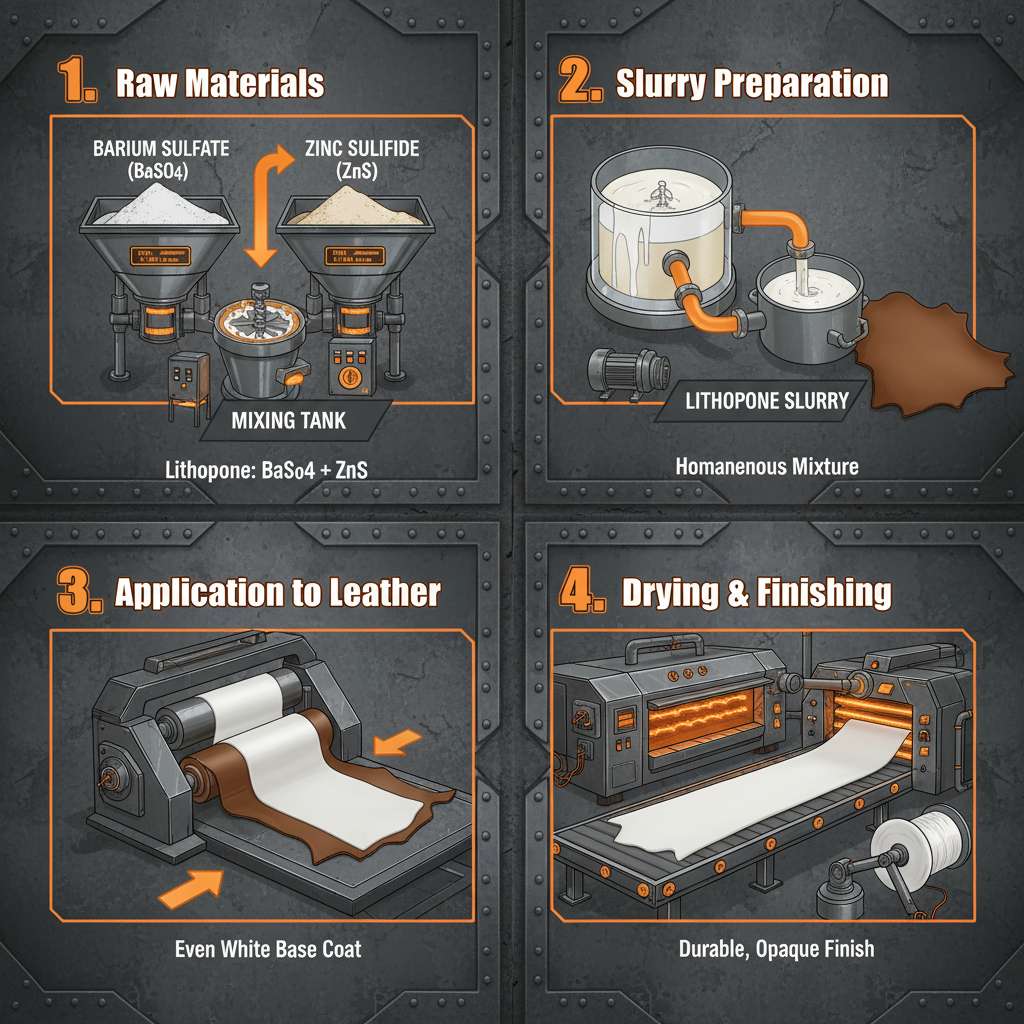
We do a lot of custom blending. Like, a client wanted a specific shade of off-white for a line of bathroom fixtures. They needed something that wouldn't show water spots. We ended up combining china lithopone with a small amount of calcium carbonate and a special acrylic resin. It took a lot of trial and error, but we got it right.
Last month, that small boss in Shenzhen who makes smart home devices insisted on changing the interface to , and the result was a complete production halt because the china lithopone dispersion wasn’t optimized for the new housing material. He learned his lesson. He said, "I should have just listened to the old guy."
Key Performance Indicators for china lithopone Formulations
| Formulation ID |
Whiteness Index (CI) |
UV Resistance (Months) |
Cost per kg (USD) |
| CL-A1 |
85 |
6 |
2.50 |
| CL-B2 |
90 |
9 |
3.10 |
| CL-C3 |
80 |
4 |
2.00 |
| CL-D4 |
92 |
12 |
3.75 |
| CL-E5 |
75 |
3 |
1.80 |
| CL-F6 |
88 |
7 |
2.90 |
FAQS
That depends a lot on the climate and the specific formulation, but generally, you're looking at a few years, maybe up to five, before significant fading or chalking occurs. UV stabilizers can help extend that, but they add cost. It's always a trade-off.
It's... complicated. It doesn't have the same environmental concerns as some other pigments, but it does contain barium sulfate, which is a heavy metal. Disposal can be an issue. There are ongoing efforts to develop more sustainable formulations, but we're not there yet.
China lithopone is significantly cheaper than titanium dioxide, typically around half the price, sometimes even less. That's its main advantage. But you get what you pay for. TiO2 offers superior brightness, opacity, and durability.
Interior paints, plastics (especially low-end applications), paper coatings, and some inks are the most common uses. It's good for things where high performance isn't critical. It’s also used in certain types of cosmetics, but that’s a niche market.
Huge issue. Particle size distribution, purity, and the ratio of zinc sulfide to barium sulfate can all vary wildly. It's critical to get samples and do thorough testing before committing to a supplier. A certificate of analysis is a good start, but it doesn’t tell the whole story.
You can, but you need a really good UV-resistant coating. Even then, it won't last as long as TiO2. It's really pushing the limits of the material. I wouldn’t recommend it for anything critical. Think garden furniture, not building facades.
Conclusion
So, yeah, china lithopone. It's not glamorous, it’s not always easy to work with, but it’s a reliable, cost-effective option for a lot of applications. It’s a workhorse material that keeps things moving. It's about understanding its limitations and using it appropriately.
Ultimately, whether this thing works or not, the worker will know the moment he tightens the screw. That's the truth of it. Spend less time in the office and more time on the factory floor, and you’ll understand.