Lithopone for leather represents a fascinating intersection of material science and traditional craftsmanship. Originally developed as a cost-effective alternative to zinc oxide and titanium dioxide in paints, its application to leather processing is a relatively modern development with growing potential. Understanding its properties – specifically its opacity, whiteness, and dispersion characteristics – is key to unlocking its benefits in achieving desired aesthetic and functional qualities in finished leather products. This exploration delves into the world of lithopone for leather, outlining its applications, advantages, and future prospects.
The global leather industry faces increasing pressure to adopt sustainable and cost-efficient practices. Traditional whitening and opacifying agents, while effective, can present environmental concerns and contribute to higher production costs. Lithopone emerges as a viable alternative, offering a balance between performance and affordability. Its ability to enhance the whiteness and coverage of leather finishes makes it valuable across various leather goods sectors, from upholstery to apparel. As demand for sustainable materials rises, understanding and optimizing the use of lithopone for leather becomes increasingly crucial for industry stakeholders.
Ultimately, successful implementation hinges on understanding how lithopone interacts with different leather types, finishing systems, and application techniques. This article aims to provide a comprehensive overview of lithopone for leather, covering its core properties, practical applications, emerging trends, and potential challenges, providing valuable insight for manufacturers, designers, and researchers alike.
Introduction to Lithopone for Leather
Lithopone for leather is gaining recognition as an effective pigment in leather finishing processes. Its primary role is to impart opacity and whiteness, crucial for achieving desired color shades and covering imperfections in the leather hide. The benefits extend beyond aesthetics, influencing factors like lightfastness and overall finish durability.
The increasing demand for sustainable alternatives in the leather industry drives the exploration of materials like lithopone. Its lower environmental impact, compared to some traditional pigments, makes it an attractive option for manufacturers committed to eco-friendly practices. Understanding its performance characteristics is critical for optimizing its use in diverse leather applications.
Global Context and Industry Relevance
The global leather industry is a significant economic force, valued at billions of dollars annually. Major producing and consuming nations include China, Italy, Brazil, and the United States. Within this market, the demand for high-quality, consistently finished leather products is paramount. The use of pigments like lithopone plays a crucial role in meeting these demands, contributing to the aesthetic appeal and functional performance of leather goods.
Sustainability concerns are reshaping the industry. Organizations like the Leather Working Group (LWG) are driving the adoption of responsible manufacturing practices, including the use of more environmentally friendly materials. This creates a favorable environment for lithopone as a potential replacement for pigments with higher environmental footprints. The drive toward circularity in the leather value chain further emphasizes the importance of exploring innovative and sustainable material solutions.
Data from the UN Comtrade database shows a consistent global trade volume of pigments and coloring matter, underlining the continuous need for these materials in leather processing and other industries. The focus now is on ensuring that this trade aligns with sustainable development goals, and materials like lithopone offer a pathway to achieving this.
Defining Lithopone for Leather
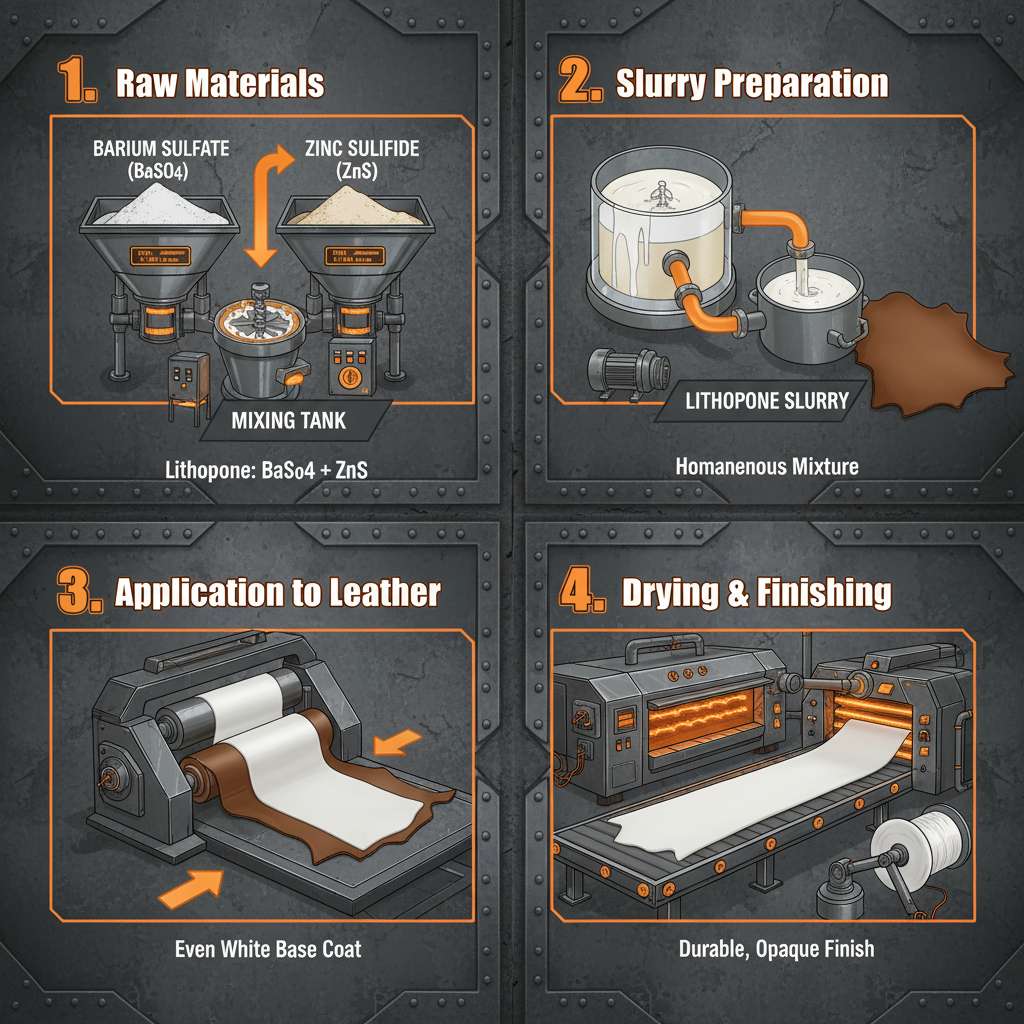
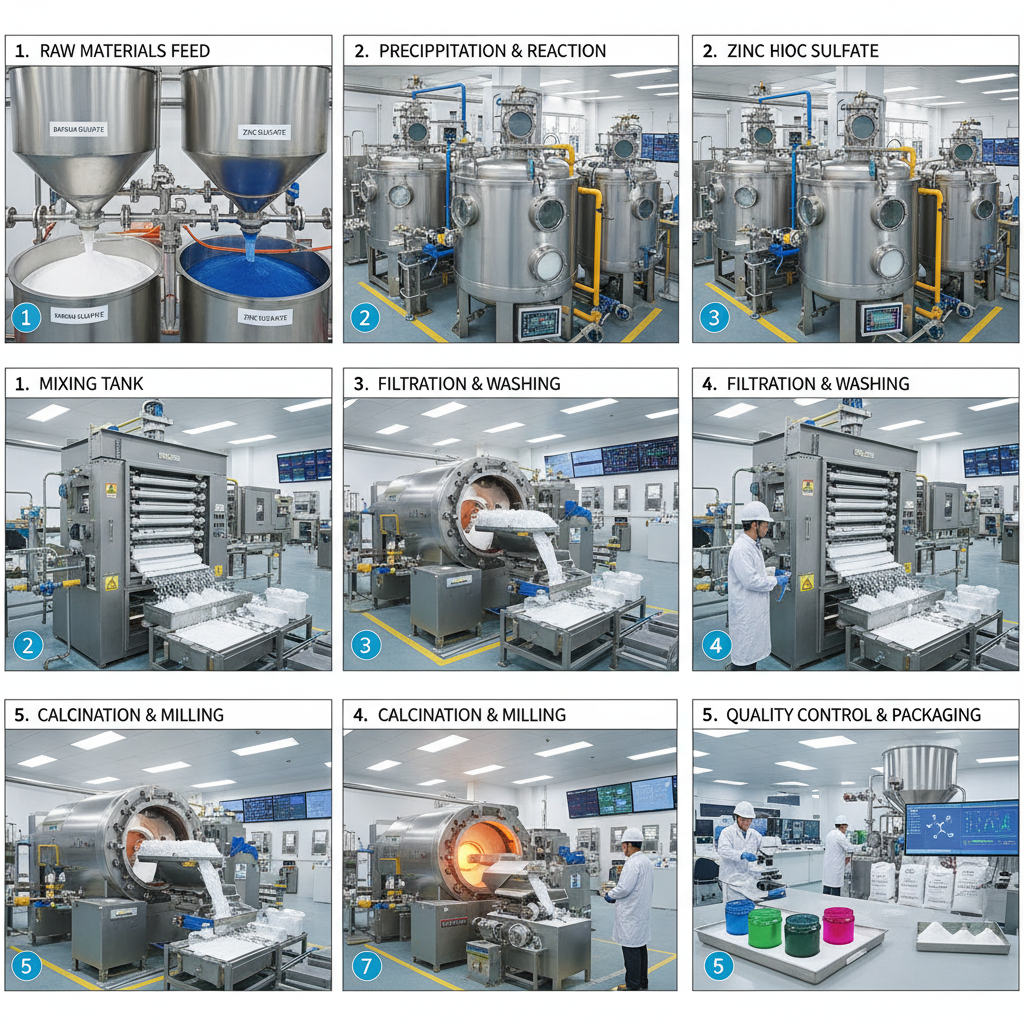
Lithopone, in the context of leather finishing, is a white, opaque pigment comprised primarily of barium sulfate (BaSO4) and zinc sulfide (ZnS). It’s created through a chemical precipitation process, resulting in a fine powder with excellent dispersion properties. Unlike pure zinc oxide, lithopone provides a more cost-effective way to achieve whiteness and opacity in leather finishes.
Its connection to modern industry stems from its initial development as a substitute for expensive pigments like titanium dioxide in paints and plastics. The application to leather is a more recent innovation, driven by the desire for affordable, high-performing pigments. It allows leather finishers to achieve a consistent and visually appealing finish without significantly increasing production costs.
The specific formulation of lithopone can vary, with adjustments made to the barium sulfate to zinc sulfide ratio to tailor the pigment’s properties for different applications. Understanding these variations is critical for leather manufacturers seeking to optimize its performance in their specific finishing systems.
Key Properties of Lithopone in Leather Applications
The primary advantage of lithopone for leather is its exceptional opacity. This ability to cover underlying imperfections in the leather hide reduces the need for extensive surface preparation and minimizes the visibility of natural grain variations. This is particularly important for lower-grade leathers where a consistent, uniform finish is desired.
Another crucial property is its high whiteness. Lithopone provides a bright, clean base for creating a wide range of colors in leather finishes. Its neutral tone allows for accurate color matching and ensures that the final product meets desired aesthetic standards.
Lithopone for Leather Performance Metrics
Real-World Applications of Lithopone for Leather
Lithopone for leather finds applications across a wide spectrum of leather goods manufacturing. In the automotive industry, it’s used in leather seat covers and interior trim, providing a durable and aesthetically pleasing finish. Its opacity is particularly valuable in covering imperfections and achieving a uniform color across large surface areas.
The furniture industry also utilizes lithopone extensively in leather upholstery, contributing to the longevity and visual appeal of sofas, chairs, and other leather furnishings. The pigment’s ability to withstand wear and tear makes it ideal for high-traffic areas.
Advantages and Long-Term Value
The most significant advantage of using lithopone for leather is its cost-effectiveness compared to alternatives like titanium dioxide. This can lead to substantial savings for manufacturers without compromising the quality of the finished product. It also promotes a more sustainable approach by reducing reliance on potentially scarce resources.
Beyond cost, lithopone offers long-term value through its consistent performance and durability. Its ability to enhance the lightfastness of leather finishes means that the colors remain vibrant and resist fading over time, extending the lifespan of the product and enhancing customer satisfaction.
Future Trends and Innovation
Research is ongoing to further optimize the performance of lithopone for leather. Nanotechnology is being explored to enhance its dispersion characteristics and improve its compatibility with various leather finishing systems. This could lead to even more uniform and durable finishes.
The integration of digital technologies, such as automated color matching systems, will also play a crucial role in maximizing the benefits of lithopone. These systems can ensure precise color control and minimize waste, further enhancing efficiency and sustainability.
As the demand for bio-based pigments grows, investigating the potential to combine lithopone with natural additives could unlock new avenues for eco-friendly leather finishing solutions.
Summary of Key Factors Influencing Lithopone for Leather Effectiveness
| Leather Type |
Pigment Concentration (%) |
Finishing System Compatibility |
Overall Performance Score (1-10) |
| Full-Grain Cowhide |
5-7% |
Acrylic-Based |
8 |
| Split Leather |
8-10% |
Polyurethane-Based |
7 |
| Lambskin |
3-5% |
Acrylic-Urethane Blend |
9 |
| Pigskin |
6-8% |
Water-Based |
6 |
| Suede |
4-6% |
Silicone-Based |
7 |
| Nubuck |
5-7% |
Polyurethane-Acrylic Blend |
8 |
FAQS
Lithopone generally has a lower environmental impact than titanium dioxide. The production of titanium dioxide can be energy-intensive and generate significant waste. Lithopone, while still requiring careful management of barium and zinc compounds, typically has a less complex and resource-intensive manufacturing process. Furthermore, its use can reduce reliance on titanium dioxide, conserving this increasingly valuable resource.
Lithopone is versatile but performs best on certain leather types. It's particularly effective on split leather and corrected-grain leathers where opacity is crucial. While it can be used on full-grain leather, the concentration needs to be carefully controlled to avoid altering the natural texture. Compatibility with the finishing system is also key.
Lithopone can enhance the durability of leather finishes, particularly when properly formulated and applied. It contributes to improved lightfastness, reducing fading and discoloration over time. However, its long-term performance depends on the quality of the finishing system and the leather's inherent properties.
The optimal concentration of lithopone varies based on the leather type, desired opacity, and finishing system. Generally, concentrations range from 3% to 10% by weight. Higher concentrations are often used for split leather, while lower concentrations are suitable for full-grain leather to preserve its natural texture.
Yes, lithopone can be used in water-based leather finishes, but proper dispersion is essential. Surface treatment or the use of dispersing agents might be necessary to ensure uniform distribution and prevent settling. It's crucial to verify compatibility with the specific water-based resin system used.
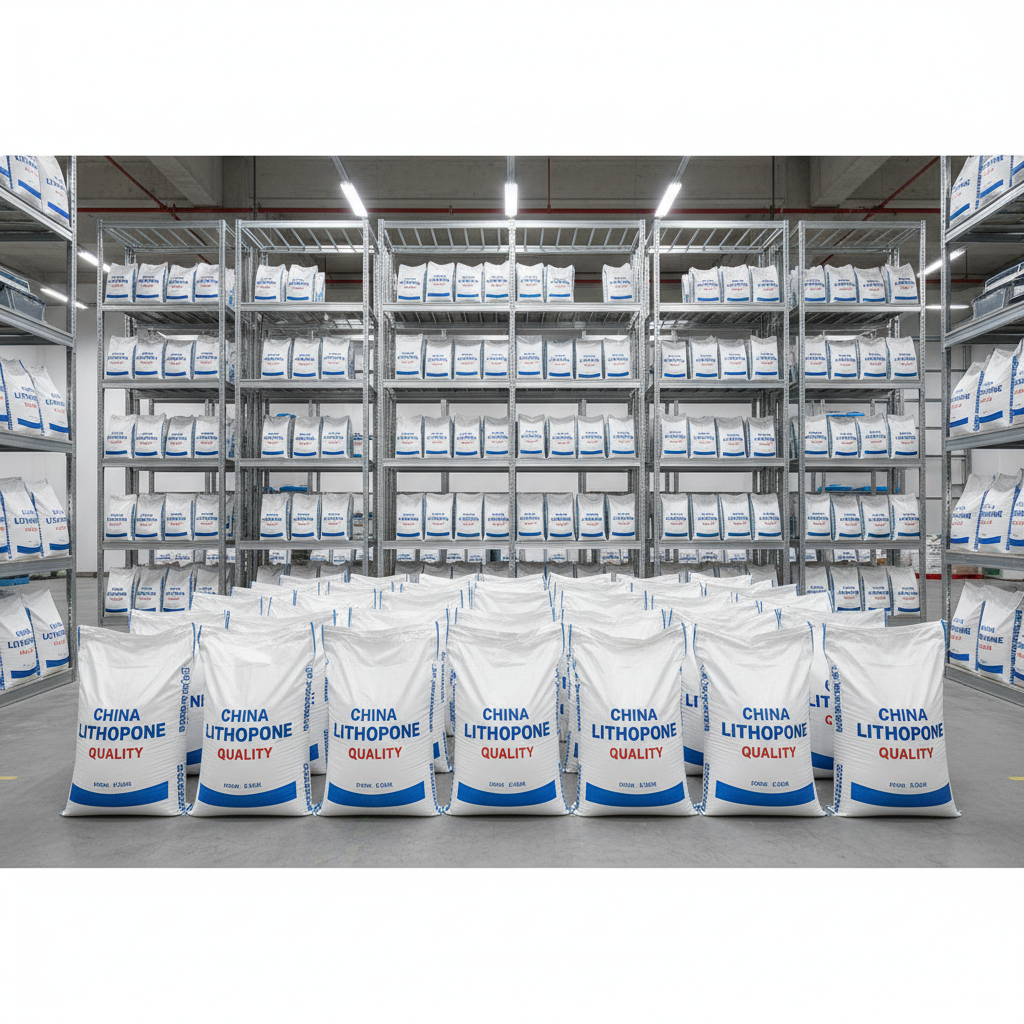
High-quality lithopone for leather applications can be sourced from specialized pigment suppliers. Look for suppliers that offer consistent particle size, purity, and dispersion characteristics. lithopone for leather suppliers are often a reliable source, providing materials specifically tailored for leather finishing.
Conclusion
In conclusion, lithopone for leather presents a compelling alternative to traditional pigments, offering a balanced combination of cost-effectiveness, performance, and sustainability. Its ability to enhance opacity, whiteness, and durability makes it a valuable asset in various leather goods applications, from automotive interiors to high-end furniture. Understanding its properties and optimizing its application are essential for maximizing its benefits.
Looking ahead, continued research and innovation in nanotechnology and formulation technology will further unlock the potential of lithopone. By embracing sustainable practices and leveraging digital technologies, the leather industry can harness the power of this versatile pigment to create high-quality, environmentally responsible products. For more information and to explore our lithopone products, visit our website: www.cqtitaniumdioxide.com