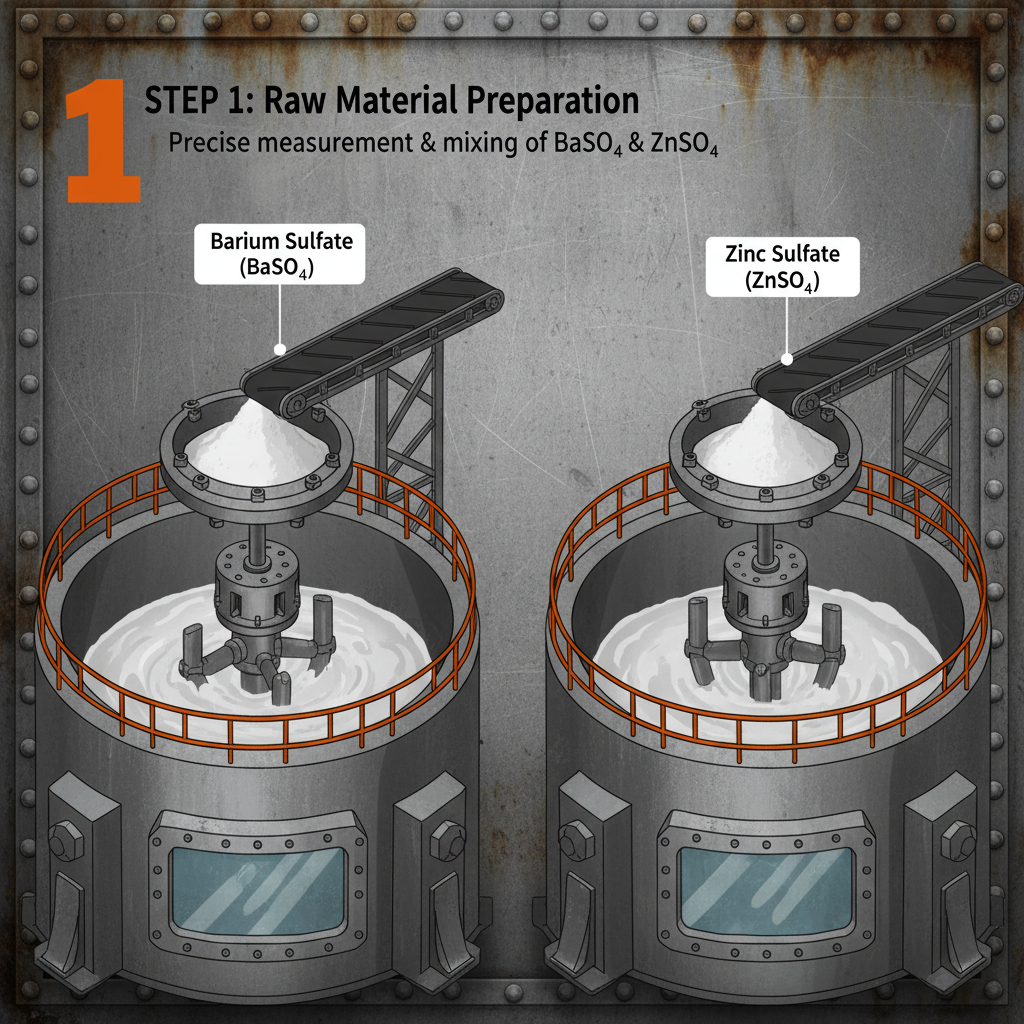
Understanding the fluctuations in lithopone powder price is critical for manufacturers in the paints, plastics, and rubber industries. As a white pigment composed of barium sulfate and zinc sulfide, lithopone offers a unique balance of opacity and cost-effectiveness, making it a staple in industrial formulations worldwide.
Globally, the demand for high-quality inorganic pigments is driven by the expansion of the construction and automotive sectors. When procurement managers track the lithopone powder price, they are not just looking at a number, but analyzing the raw material costs of zinc and barium, as well as the energy overheads involved in chemical synthesis.
For businesses aiming to optimize their production costs without sacrificing product brightness or durability, mastering the variables that influence the lithopone powder price allows for strategic sourcing and long-term budget stability.
Global Market Dynamics of Lithopone Powder Price
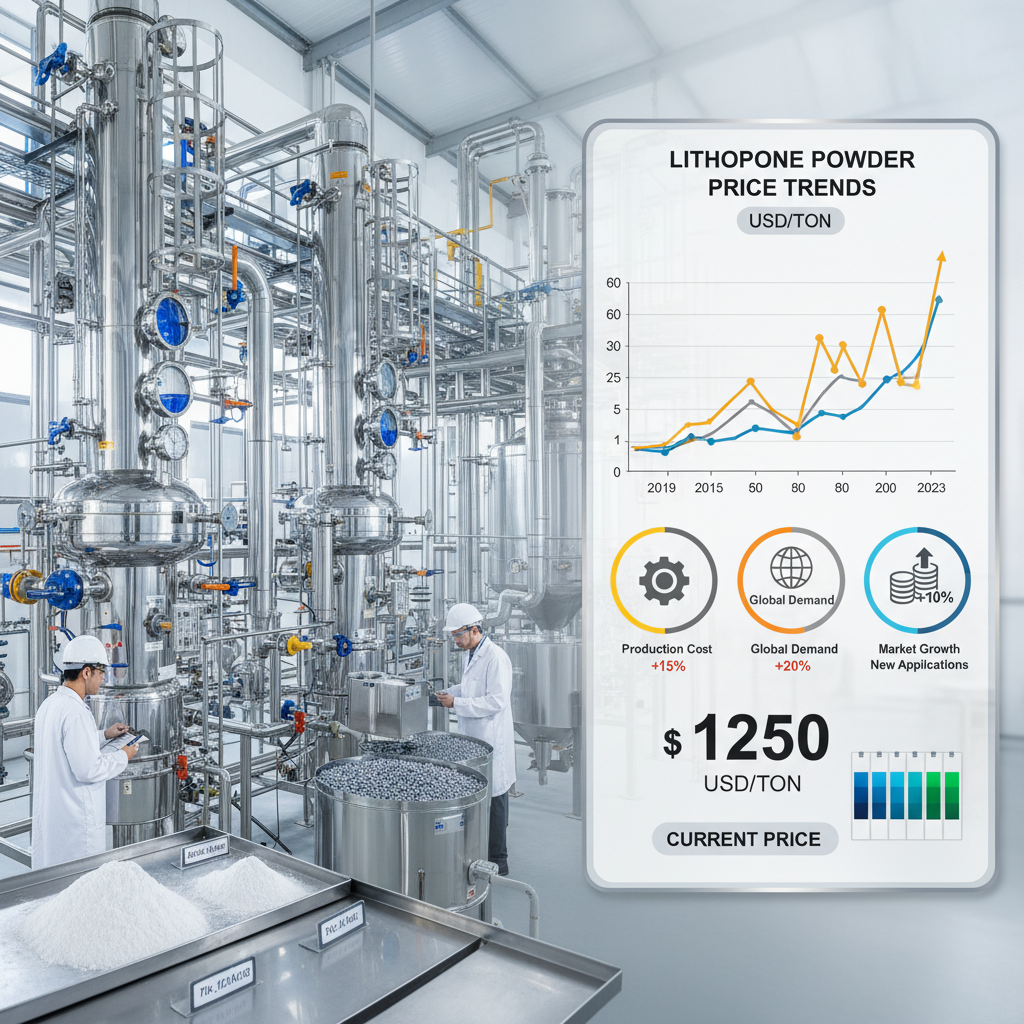
The global landscape for inorganic pigments is characterized by high volatility, where the lithopone powder price often mirrors the shifts in the mining industry. As a composite pigment, its cost is inextricably linked to the availability of zinc ores and barium salts, which are subject to geopolitical tensions and export quotas in major producing regions like China and India.
Furthermore, international logistics and shipping costs play a pivotal role. For importers in Europe and North America, the landed lithopone powder price is influenced by freight rates and customs duties, necessitating a sophisticated approach to inventory management to hedge against sudden price spikes.
Defining Lithopone and its Economic Value
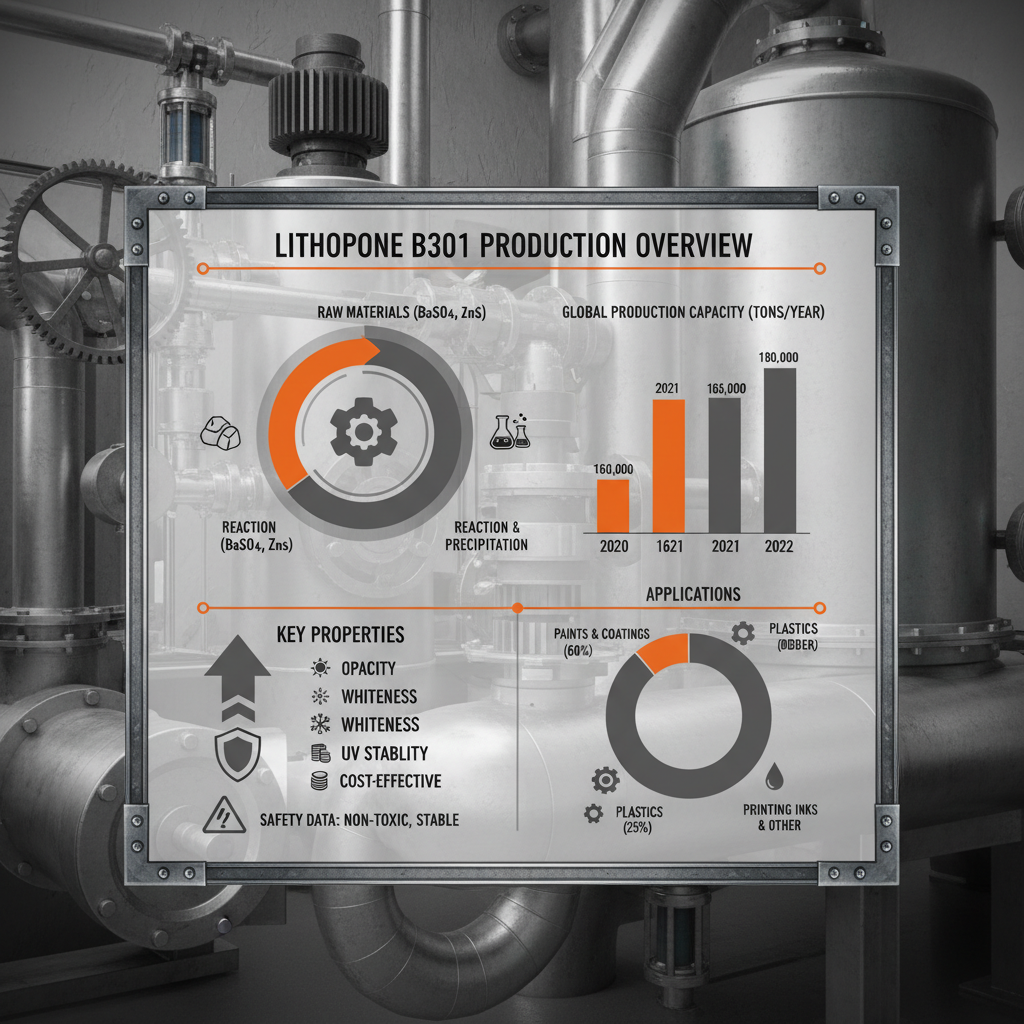
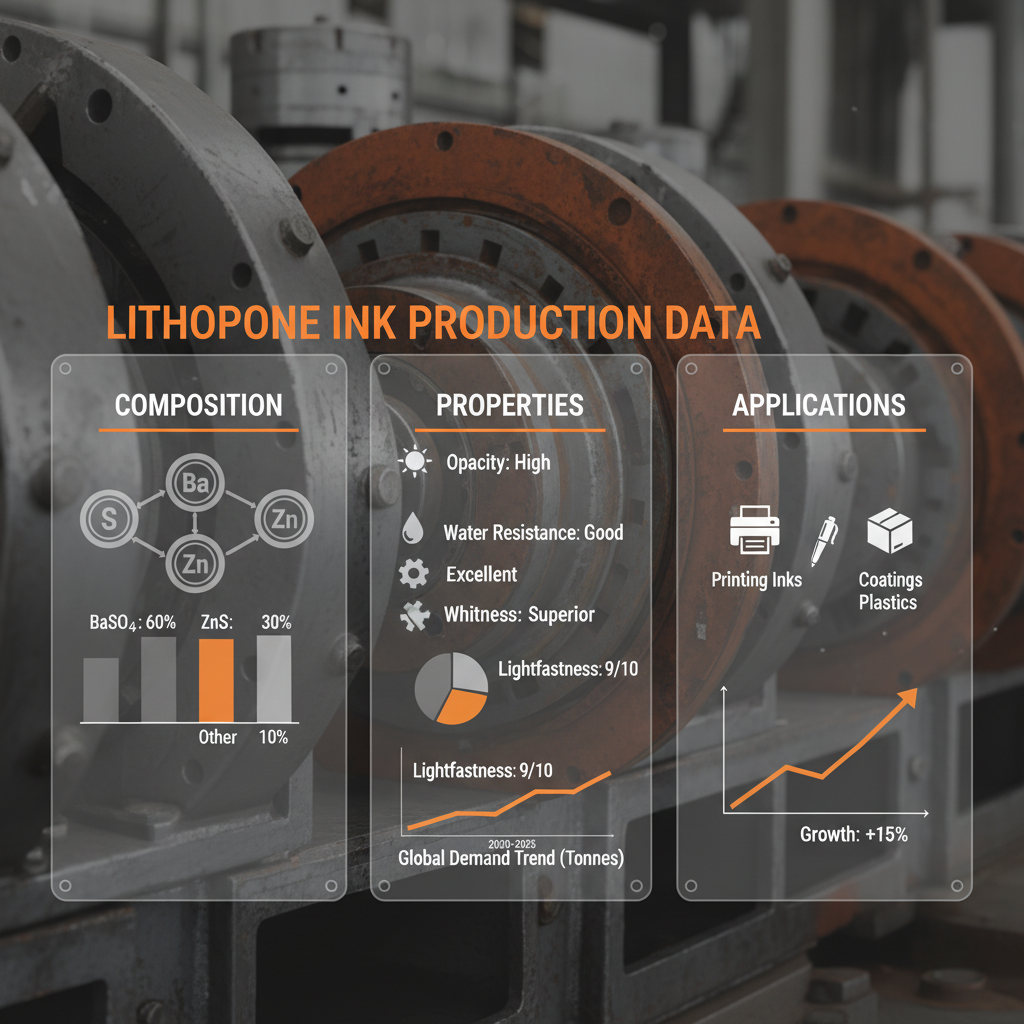
Lithopone is a chemically synthesized white pigment consisting of a mixture of barium sulfate (BaSO4) and zinc sulfide (ZnS). In simple commercial terms, the lithopone powder price represents the market value of a material that provides excellent hiding power and chemical stability, serving as a more affordable alternative to titanium dioxide in specific applications.
The economic value of lithopone lies in its ability to reduce the overall cost of raw materials for paint manufacturers. By blending lithopone with other pigments, companies can maintain a high level of opacity while keeping the lithopone powder price as a stabilizing factor in their cost-per-gallon calculations.
Beyond simple coloring, its value extends to its non-toxic nature and durability. This makes it indispensable for humanitarian projects, such as the production of low-cost, safe interior paints for affordable housing initiatives in developing industrial zones.
Core Factors Influencing Lithopone Powder Price
The first primary driver of the lithopone powder price is the purity of the raw materials. High-grade barium sulfate and zinc sulfide require intensive refining processes, which adds to the production cost but ensures a brighter, more consistent white shade.
Energy costs represent another significant variable. The synthesis of lithopone involves high-temperature chemical reactions; therefore, fluctuations in natural gas or electricity prices are directly passed down to the lithopone powder price quoted to the end-user.
Lastly, environmental regulations play a crucial role. Stricter waste management laws for sulfur and barium byproduct disposal force manufacturers to invest in greener technologies, which may cause a short-term increase in the lithopone powder price but ensures long-term supply chain sustainability.
Cost Efficiency and Performance Metrics
When analyzing cost efficiency, manufacturers often compare the lithopone powder price against its opacity performance. While titanium dioxide has higher refractive power, lithopone provides sufficient coverage for many industrial coatings at a fraction of the cost.
This makes it an ideal choice for primers and undercoats. By strategically using lithopone in the base layers, companies can optimize their expenditure, ensuring that the final lithopone powder price provides the best return on investment (ROI) regarding material volume and coverage.
Comparative Analysis of Lithopone Powder Price Efficiency
Industrial Applications and Regional Demand
The application of lithopone is widespread, from the production of linoleum and rubber to the formulation of high-quality plastics. In Southeast Asia, the rising lithopone powder price is often offset by the massive volume of demand from the booming textile and shoe manufacturing industries.
In more remote industrial zones, where specialized pigments are hard to source, the reliability and stable lithopone powder price make it the preferred choice for local workshops. This regional dependency ensures that the market remains robust even when high-end synthetic alternatives emerge.
Long-term Value and Sustainable Sourcing
The long-term value of investing in a stable supply of lithopone extends beyond the immediate lithopone powder price. By establishing long-term contracts with reputable manufacturers, companies can avoid the volatility of the spot market and ensure consistent product quality.
Sustainability is now a key driver of value. Manufacturers who implement closed-loop water systems and reduce sulfur emissions are increasingly favored by global brands. While these improvements might slightly elevate the lithopone powder price, they mitigate the risk of regulatory shutdowns and improve brand equity.
Ultimately, the trust built through transparent pricing and ethical sourcing creates a competitive advantage. When the lithopone powder price is predictable, it allows for more aggressive innovation in product development and more reliable delivery timelines for end customers.
Future Trends in Inorganic Pigment Pricing
Looking forward, digital transformation in the chemical industry is expected to streamline the procurement process, making the lithopone powder price more transparent through real-time tracking and AI-driven demand forecasting.
The shift toward "green chemistry" will likely introduce new catalysts that lower the energy required for synthesis. This could lead to a gradual decline in the baseline lithopone powder price, making high-opacity coatings even more accessible for sustainable construction.
Additionally, the integration of automation in mining and refining will reduce labor costs, potentially stabilizing the lithopone powder price against the erratic nature of manual resource extraction.
Comparative Analysis of Lithopone Powder Price Variables by Grade
| Product Grade |
Price Stability |
Market Demand |
Cost Impact Score |
| Ultra-Pure Grade |
Low |
Specialized |
9.5 |
| Industrial Grade A |
Medium |
High |
7.2 |
| Industrial Grade B |
High |
Very High |
5.8 |
| Economic Grade |
Very High |
Mass Market |
4.1 |
| Custom Blend |
Variable |
Niche |
8.0 |
| Recycled Grade |
Medium |
Growing |
3.5 |
FAQS
The lithopone powder price is primarily driven by the market costs of its two main ingredients: zinc sulfide and barium sulfate. Additionally, energy expenditures during the chemical synthesis process and global logistics costs significantly impact the final market price.
Generally, the lithopone powder price is considerably lower than that of titanium dioxide. While titanium dioxide offers superior brightness and opacity, lithopone provides a cost-effective alternative for applications where extreme whiteness is not the primary requirement.
Yes, purity levels have a direct impact. High-purity lithopone requires more rigorous refining and quality control, which increases production overheads and results in a higher lithopone powder price compared to standard industrial grades.
Many manufacturers offer long-term supply contracts with fixed or indexed pricing. Locking in a lithopone powder price can protect your business from spot-market volatility and ensure a consistent supply chain for your production lines.
Absolutely. Regions with closer proximity to barium and zinc mines, such as parts of Asia, typically have a lower base lithopone powder price. Importers in other regions must account for shipping, tariffs, and local distribution costs.
Environmental mandates regarding sulfur emissions and waste disposal often require manufacturers to upgrade their facilities. These capital expenditures can lead to a temporary rise in the lithopone powder price as the industry shifts toward sustainable production.
Conclusion
Navigating the complexities of the lithopone powder price requires a deep understanding of both raw material markets and industrial application needs. By balancing the trade-offs between opacity, purity, and cost, manufacturers can achieve significant production efficiencies while maintaining the high standards required for modern coatings and plastics.
As the industry moves toward more sustainable and digitally integrated procurement models, those who prioritize quality and strategic sourcing will find the most success. We recommend monitoring global zinc and barium trends closely to anticipate shifts in the lithopone powder price. For premium inorganic pigments and expert guidance on cost-optimization, visit our website: www.cqtitaniumdioxide.com.