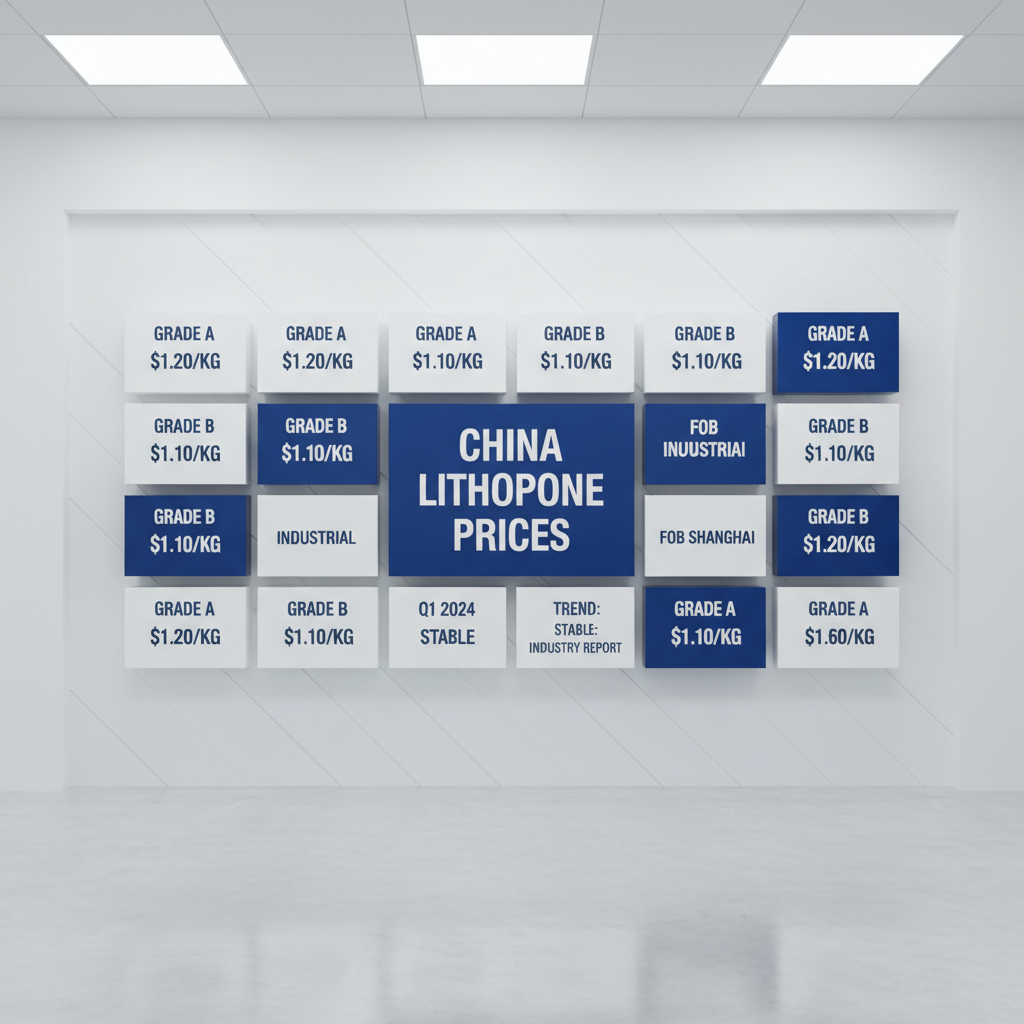
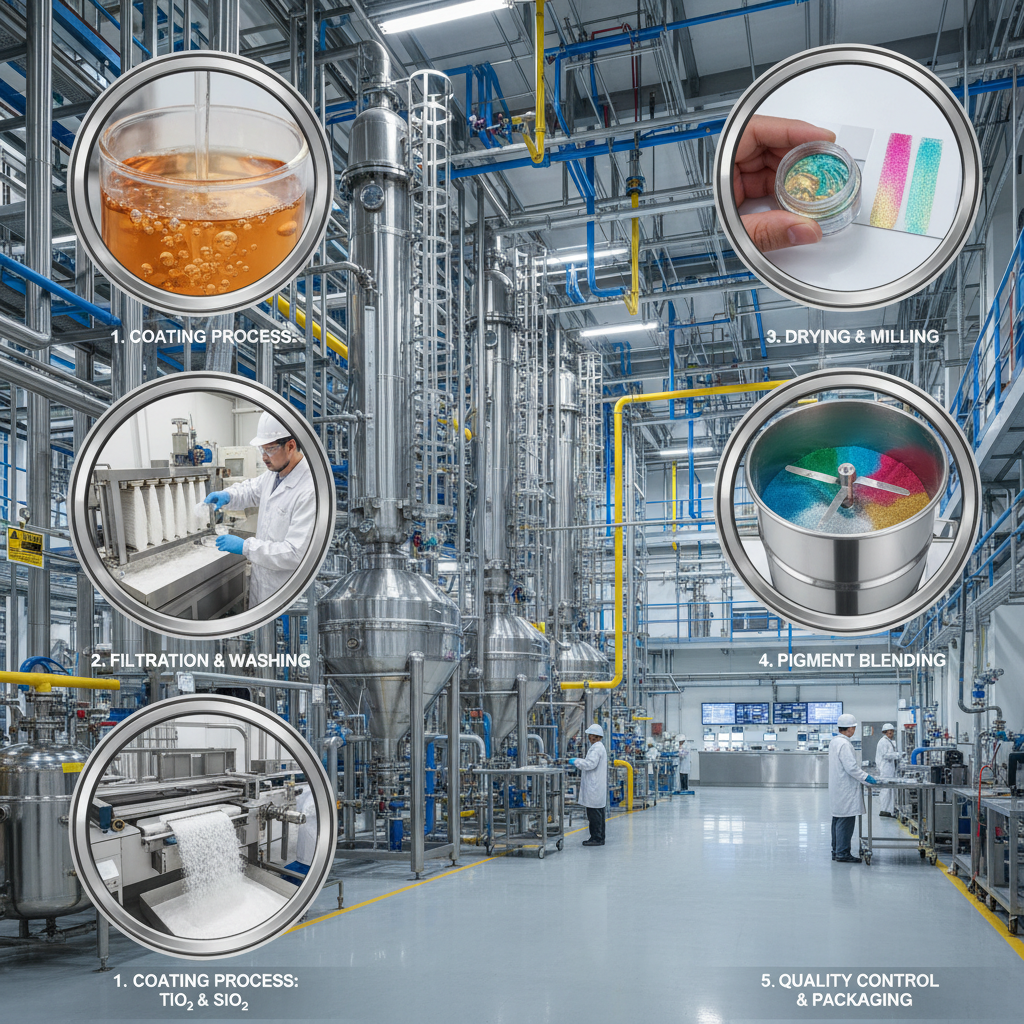
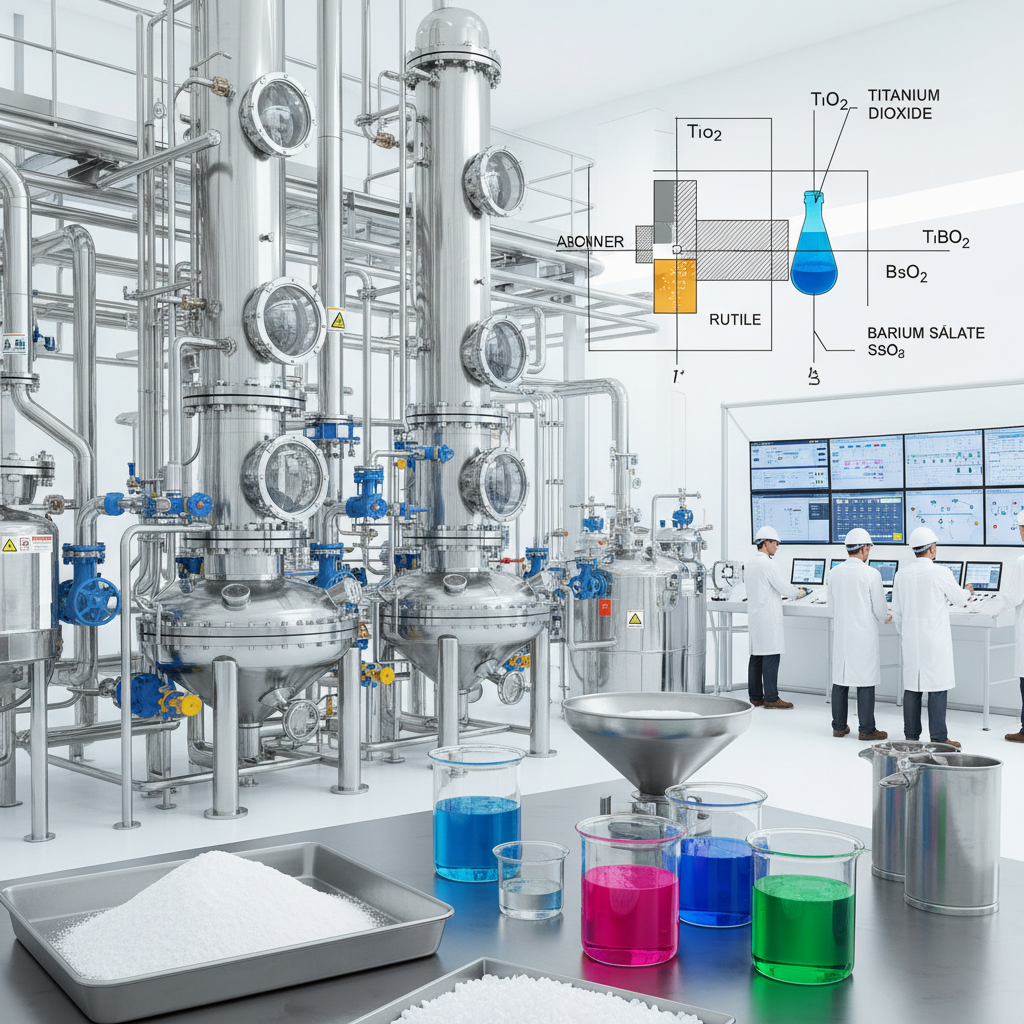
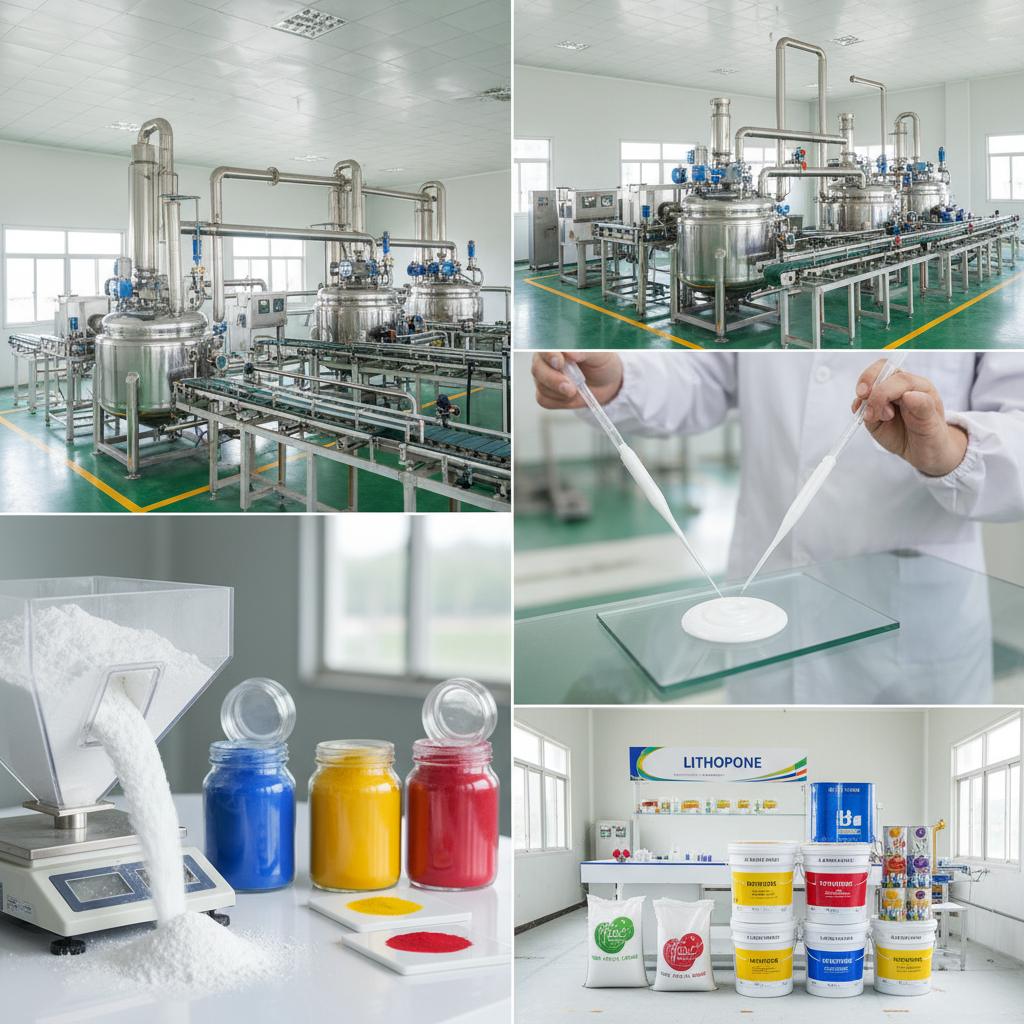
China lithopone prices are a crucial factor in various industries, ranging from paints and coatings to plastics and paper. Understanding the dynamics influencing these prices is paramount for businesses seeking cost-effective materials and maintaining competitive advantages in the global market. The demand for lithopone, a white pigment, continues to grow, particularly in developing economies, making a thorough analysis of china lithopone prices essential.
Fluctuations in china lithopone prices are impacted by several key elements including raw material costs (zinc sulfide and barium sulfate), production capacity in China, environmental regulations, and global supply chain disruptions. These variables necessitate constant monitoring and strategic sourcing to mitigate price volatility. The ability to accurately forecast china lithopone prices allows for better budgeting and inventory management.
Consequently, staying informed about current trends in china lithopone prices isn’t simply about securing the best deals; it’s about ensuring business continuity, maintaining product quality, and capitalizing on emerging market opportunities. The transparency and availability of this information are vital for fostering a stable and predictable supply chain for industries relying on this important pigment.
Introduction to china lithopone prices
The term 'china lithopone prices' refers to the cost of lithopone pigment manufactured and exported from China, a dominant player in the global production of this chemical compound. These prices are subject to dynamic changes influenced by a complex interplay of economic, environmental, and logistical factors. Consistent tracking of these fluctuations is vital for industries that utilize lithopone as a primary ingredient.
The significance of understanding china lithopone prices lies in its direct impact on the production costs of numerous downstream products, including paints, plastics, rubber, and paper. Accurately predicting price trends allows manufacturers to optimize their purchasing strategies, manage inventory levels efficiently, and ultimately maintain competitive pricing in their respective markets.
Global Market Overview of china lithopone prices
China currently accounts for a substantial portion of the global lithopone production capacity. This concentrated production leads to a significant influence on worldwide china lithopone prices. The global lithopone market is experiencing steady growth, driven by the increasing demand from the construction, automotive, and packaging industries, particularly in emerging economies across Asia and South America. According to recent reports, the global pigment market was valued at USD 30.24 billion in 2022 and is projected to reach USD 36.89 billion by 2029, demonstrating a CAGR of 2.9% from 2022 to 2029.
However, this growth is not without challenges. Increasing environmental regulations in China have led to temporary production curtailments, impacting supply and consequently driving up prices. Supply chain disruptions, exacerbated by geopolitical events and logistical bottlenecks, further contribute to price volatility. Understanding these global dynamics is essential for businesses relying on china lithopone prices.
The increasing focus on sustainable and eco-friendly alternatives to traditional pigments also poses a potential long-term challenge, although lithopone remains a cost-effective option for many applications. Maintaining a close watch on these evolving market trends is crucial for informed decision-making.
Defining china lithopone prices and its Applications
Lithopone, chemically known as zinc sulfide and barium sulfate (ZnS·BaSO4), is an inorganic white pigment widely used as a cost-effective alternative to titanium dioxide in various applications. china lithopone prices reflect the costs associated with sourcing the raw materials – zinc ore and barium sulfate – and the manufacturing processes involved in creating the pigment. Its affordability and opacity make it a popular choice in industries where cost is a primary concern.
The applications of lithopone are diverse. It’s commonly used in the production of paints (particularly emulsion paints), plastics (primarily PVC), paper coatings, printing inks, and rubber products. It serves as an opacifier and extender, improving the hiding power and reducing the cost of these materials. The quality and particle size of lithopone directly impact its performance in these applications, influencing china lithopone prices accordingly.
Historically, lithopone was a dominant white pigment before the widespread adoption of titanium dioxide. While titanium dioxide offers superior whiteness and brightness, lithopone remains a viable option for applications where these characteristics are less critical, and cost savings are a priority. The demand for china lithopone prices, therefore, is often inversely related to the price of titanium dioxide.
Key Factors Influencing china lithopone prices
Several key factors contribute to the fluctuations in china lithopone prices. Firstly, the cost of raw materials, specifically zinc ore and barium sulfate, plays a significant role. Increases in the global demand for these minerals, or disruptions in their supply chain, directly impact the price of lithopone. Secondly, production costs within China, including labor, energy, and environmental compliance, also influence pricing.
Environmental regulations imposed by the Chinese government have become increasingly stringent in recent years, leading to temporary closures of some lithopone production facilities. This reduction in supply often results in an upward pressure on china lithopone prices. Additionally, logistical costs, including shipping and transportation, add to the overall expense.
china lithopone prices Analysis by Manufacturing Method
Applications of Lithopone Across Industries
The versatility of lithopone extends across a broad spectrum of industries. In the paint and coatings sector, it functions as an effective extender pigment, reducing titanium dioxide consumption and lowering overall production costs without significantly compromising opacity. This is particularly beneficial in decorative paints and industrial coatings.
Within the plastics industry, lithopone finds application in PVC products, contributing to whiteness and opacity. It’s commonly used in the manufacturing of pipes, profiles, and films. The paper industry utilizes lithopone as a coating pigment, improving printability and brightness. It's also present in printing inks, enhancing color intensity and coverage.
Benefits and Long-Term Value of Optimized china lithopone prices
Optimizing china lithopone prices translates into tangible benefits for businesses. Lower procurement costs directly impact profitability and allow for competitive pricing strategies. Consistent sourcing from reliable suppliers ensures a stable supply chain and minimizes production disruptions. Furthermore, understanding price trends enables better inventory management, reducing storage costs and minimizing waste.
Beyond financial gains, utilizing china lithopone prices effectively contributes to sustainable practices. By optimizing material usage and reducing reliance on more expensive alternatives like titanium dioxide, businesses can minimize their environmental footprint. This commitment to sustainability enhances brand reputation and fosters consumer trust.
Future Trends and Challenges in china lithopone prices
The future of china lithopone prices will likely be shaped by several emerging trends. Increased automation in manufacturing processes could lead to reduced production costs. The development of new, more environmentally friendly production techniques could further enhance sustainability. Simultaneously, the growing demand for high-performance pigments and the increasing focus on circular economy principles will present new challenges.
One significant challenge is the potential for continued tightening of environmental regulations in China, which could lead to further supply constraints and price increases. Adapting to these changes will require proactive sourcing strategies, diversification of suppliers, and a willingness to explore alternative pigment options.
The integration of digital technologies, such as blockchain for supply chain traceability and AI-powered price forecasting, will become increasingly important for navigating the complexities of the china lithopone prices landscape.
Summary of Factors Affecting Long-Term Stability of china lithopone prices
| Raw Material Availability |
Regulatory Environment |
Technological Innovation |
Global Economic Conditions |
| Availability of zinc and barium ores significantly impacts long-term costs. |
Stricter environmental regulations in China can limit production capacity. |
Automation and efficient manufacturing processes can reduce production costs. |
Global economic downturns can decrease demand and lower prices. |
| Geopolitical instability in ore-producing regions poses a supply risk. |
Government policies incentivizing sustainable production can influence pricing. |
Development of alternative pigments may create competitive pressure. |
Currency exchange rates can affect import/export costs. |
| Long-term contracts with ore suppliers can mitigate price volatility. |
Compliance costs associated with environmental regulations impact pricing. |
Investment in R&D for improved production methods can yield cost savings. |
Inflation and interest rates influence production and transportation costs. |
| Exploration of new ore deposits can increase supply and stabilize prices. |
Trade agreements can influence the import/export of raw materials and finished products. |
Adoption of digital technologies for supply chain optimization can improve efficiency. |
Changes in consumer demand for end products influence pigment consumption. |
| Diversification of sourcing locations reduces reliance on single suppliers. |
Government subsidies for sustainable practices can lower production costs. |
Collaboration between manufacturers and research institutions can accelerate innovation. |
Political stability in key regions influences investment and production. |
| Strategic stockpiling of raw materials can buffer against supply disruptions. |
International cooperation on environmental standards can level the playing field. |
Development of biodegradable or bio-based lithopone alternatives could disrupt the market. |
Changes in energy prices affect transportation and manufacturing costs. |
FAQS
Several factors influence china lithopone prices, including the cost of raw materials (zinc sulfide and barium sulfate), production capacity in China, environmental regulations, global supply chain disruptions, and overall market demand. Changes in these elements can lead to price volatility, requiring businesses to stay informed and adjust their procurement strategies accordingly. Monitoring these factors is key to optimizing costs.
China's increasingly stringent environmental regulations often lead to temporary closures or production curtailments at lithopone manufacturing facilities. This reduction in supply directly impacts china lithopone prices, typically causing them to increase. Compliance costs for manufacturers also contribute to higher prices. Staying informed about these regulations is crucial for predicting price trends.
Titanium dioxide offers superior whiteness and brightness compared to lithopone but is generally more expensive. Lithopone serves as a cost-effective alternative, particularly in applications where high opacity is more important than peak whiteness. When titanium dioxide prices rise, demand for lithopone often increases, driving up china lithopone prices. Conversely, lower titanium dioxide prices can decrease demand for lithopone.
Businesses can mitigate risk through several strategies. These include diversifying their supplier base, establishing long-term contracts with reliable suppliers, closely monitoring market trends and geopolitical events, and employing inventory management techniques to optimize stock levels. Additionally, exploring alternative pigment options and hedging strategies can provide further protection against price fluctuations.
Industries heavily reliant on lithopone as a pigment, such as paints and coatings, plastics (particularly PVC), paper, printing inks, and rubber, are most affected by price fluctuations. These industries often have limited ability to absorb cost increases, making it crucial for them to monitor china lithopone prices and implement effective procurement strategies.
Reliable sources of information include industry reports from market research firms, trade publications specializing in pigments and coatings, government statistics, and reputable chemical industry news websites. Consulting with industry experts and building relationships with trusted suppliers can also provide valuable insights into china lithopone prices and market trends.
Conclusion
In conclusion, understanding china lithopone prices is critical for businesses across numerous industries. The pigment’s affordability and versatility make it a vital component in various manufacturing processes, but its price is subject to a complex interplay of global economic factors, environmental regulations, and supply chain dynamics. Proactive monitoring, strategic sourcing, and a commitment to sustainable practices are essential for navigating the challenges and capitalizing on the opportunities presented by the china lithopone prices landscape.
Looking ahead, the integration of digital technologies and the pursuit of innovative production methods will likely shape the future of this market. Staying informed about emerging trends and anticipating potential disruptions will be crucial for maintaining a competitive edge and ensuring long-term success. For more information and tailored solutions, visit our website: china lithopone prices.