Lithopone, a historic white pigment, remains relevant in modern industrial applications. Its chemical formula of lithopone – a mixture of zinc sulfide (ZnS) and barium sulfate (BaSO₄) – provides a cost-effective alternative to titanium dioxide in specific applications. Understanding its composition and properties is crucial for industries like paints, plastics, and paper production, particularly where high opacity and affordability are paramount. This knowledge allows for optimized formulation and process control, leading to improved product quality and reduced manufacturing costs.
The historical significance of the chemical formula of lithopone lies in its development as a substitute for lead white, addressing health concerns associated with lead poisoning. While titanium dioxide has largely superseded lithopone in many areas, the pigment continues to be produced and utilized globally. Its production volume and market presence indicate a continued demand driven by its unique properties and competitive pricing. Understanding its nuanced performance characteristics is essential for informed material selection.
The continued study of the chemical formula of lithopone and its behaviour in various matrices contributes to innovation in pigment technology and sustainable material science. Ongoing research focuses on optimizing its properties, enhancing its compatibility with different binders, and exploring potential new applications, thus solidifying its place in the ever-evolving landscape of industrial materials.
The Composition and Properties of chemical formula of lithopone
The chemical formula of lithopone, ZnS·BaSO₄, represents a unique combination of zinc sulfide and barium sulfate. Zinc sulfide contributes to the opacity and refractive index, while barium sulfate influences the pigment's density and dispersibility. The ratio of these two components significantly impacts the final properties of the pigment, such as whiteness, tinting strength, and resistance to yellowing.
Understanding the interplay between ZnS and BaSO₄ is fundamental to controlling the quality and performance of lithopone. Particle size distribution, crystalline structure, and surface treatment are also key factors affecting its suitability for different applications. Careful control of these parameters during manufacturing ensures consistent product characteristics.
Historical Context and Evolution of chemical formula of lithopone
The development of chemical formula of lithopone in the late 19th century marked a significant advancement in pigment technology. It was initially created as a more affordable and less toxic alternative to lead white, which had been the standard white pigment for centuries. This shift addressed growing health concerns associated with lead exposure in manufacturing and art.
Early formulations of the chemical formula of lithopone varied in composition and quality. Refinements in manufacturing processes over the years led to improved whiteness, opacity, and stability. However, with the advent of titanium dioxide (TiO₂), lithopone gradually lost prominence in many applications due to TiO₂'s superior optical properties.
Despite its decline in widespread use, the chemical formula of lithopone continues to be manufactured and used in specific niche applications where its cost-effectiveness and unique properties are valued, demonstrating a remarkable resilience in a competitive market.
Manufacturing Processes of chemical formula of lithopone
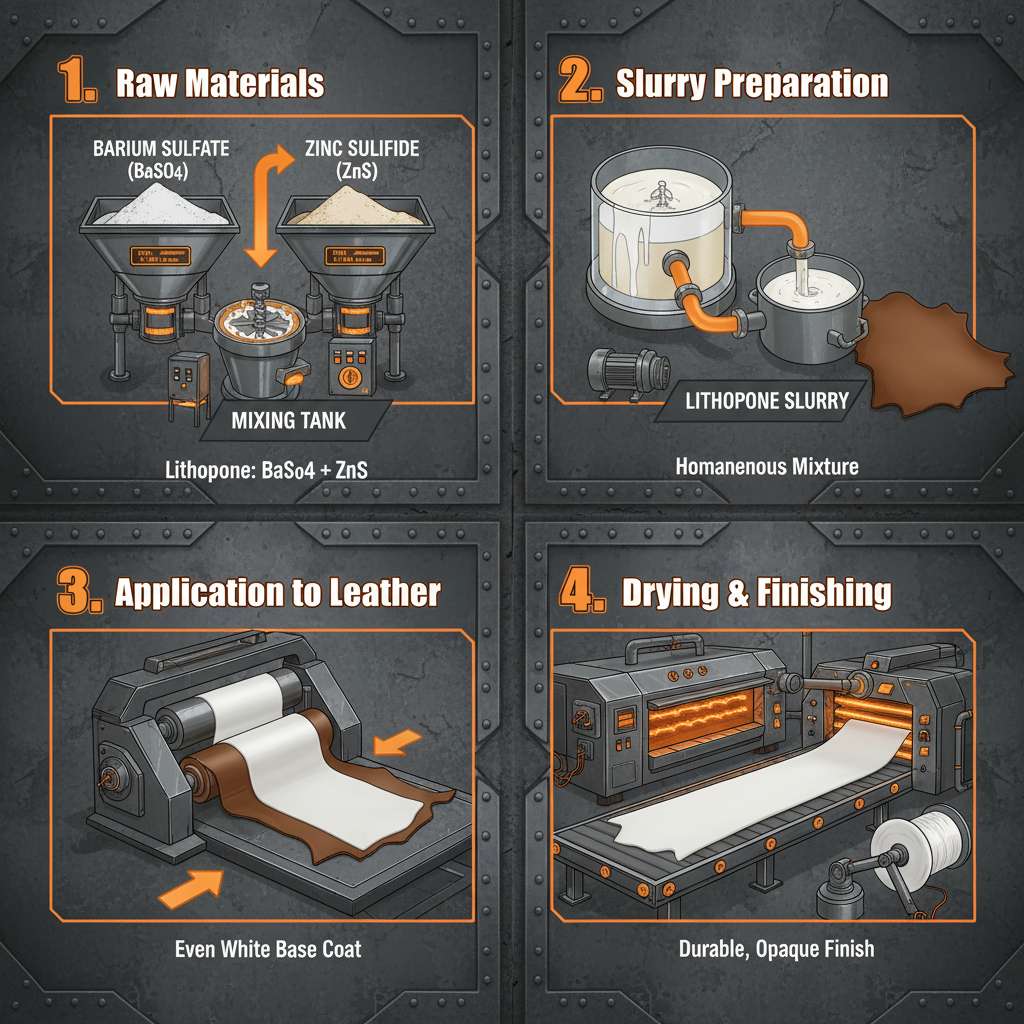
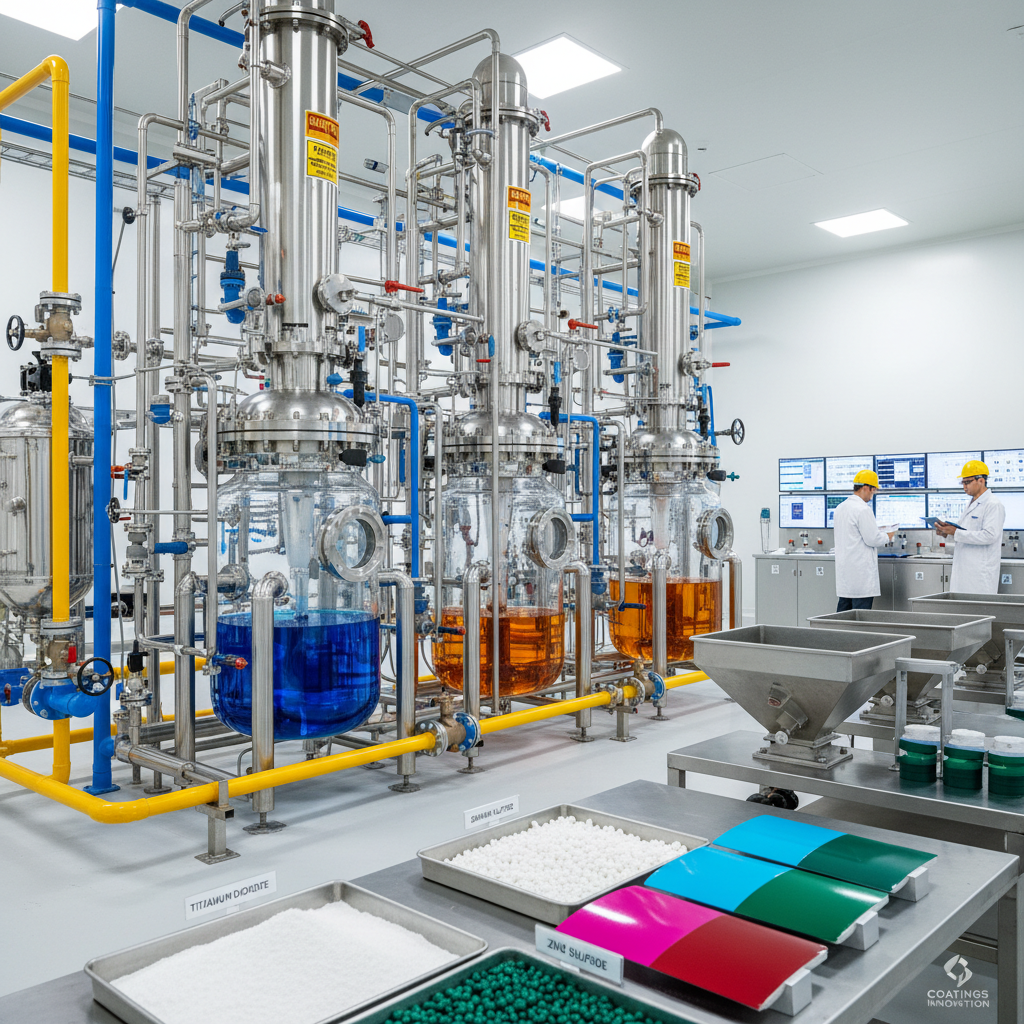
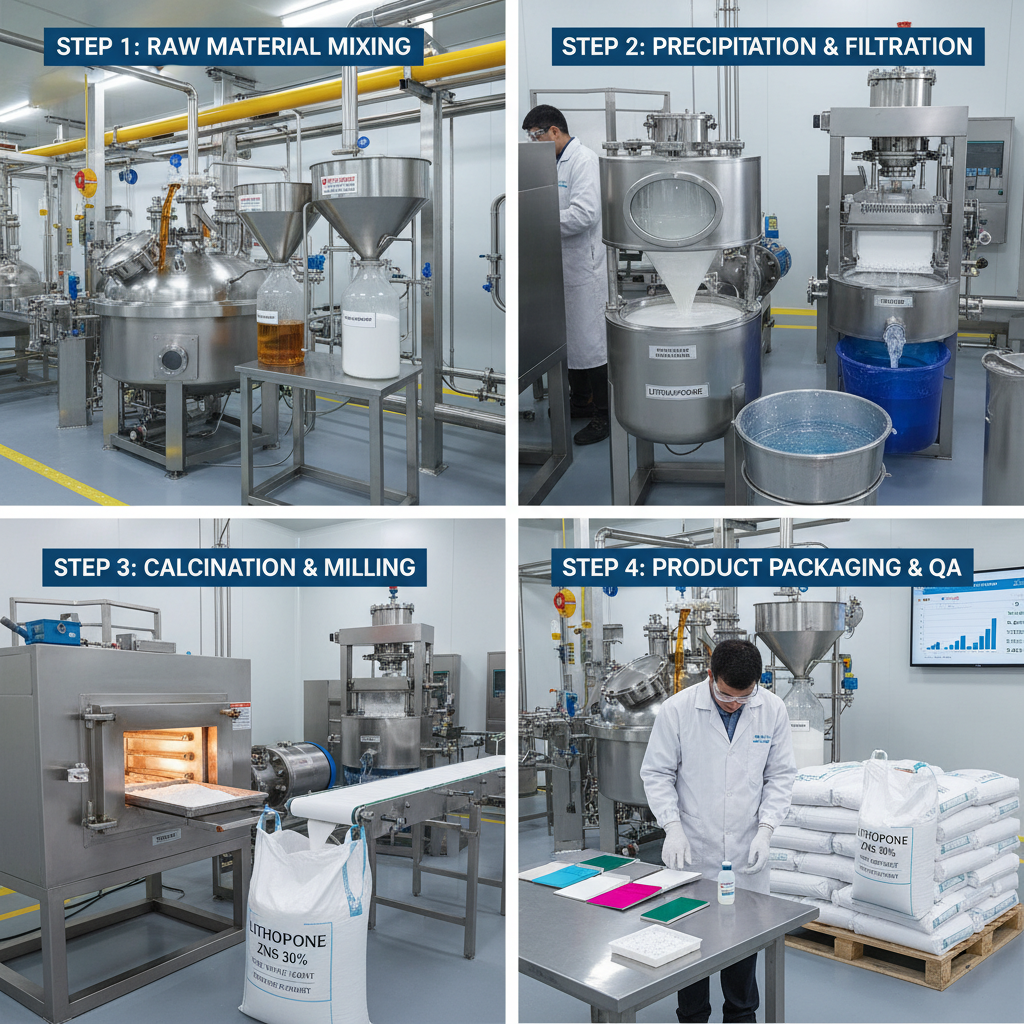
The manufacturing of the chemical formula of lithopone typically involves a precipitation process. Zinc sulfide and barium sulfate are co-precipitated from aqueous solutions of their respective salts, often using a sulfide source like sodium sulfide. Controlling the reaction conditions – temperature, pH, and reactant concentrations – is critical to achieve the desired particle size and morphology.
Following precipitation, the resulting slurry undergoes a series of washing, filtering, and drying steps to remove impurities and moisture. Surface treatments with organic compounds, like resins or fatty acids, are often applied to improve dispersibility and compatibility with different media. These treatments enhance the pigment’s performance in various applications.
Modern manufacturing techniques increasingly focus on optimizing the process for greater efficiency and environmental sustainability. This includes reducing waste generation, minimizing energy consumption, and utilizing more environmentally friendly raw materials. Continuous process monitoring and control systems are employed to ensure consistent product quality.
Performance Characteristics of chemical formula of lithopone
The chemical formula of lithopone exhibits a unique combination of properties that make it suitable for various applications. It possesses good opacity, providing excellent hiding power in paints and coatings. However, its tinting strength is generally lower than that of titanium dioxide. Its refractive index contributes to its scattering ability.
Lithopone's resistance to yellowing is a notable advantage in certain applications, particularly those exposed to UV radiation. However, it is generally less durable and weather-resistant than titanium dioxide. Chemical resistance also varies depending on the specific formulation and application environment.
Comparison of Properties: chemical formula of lithopone vs. Alternatives
Global Applications of chemical formula of lithopone
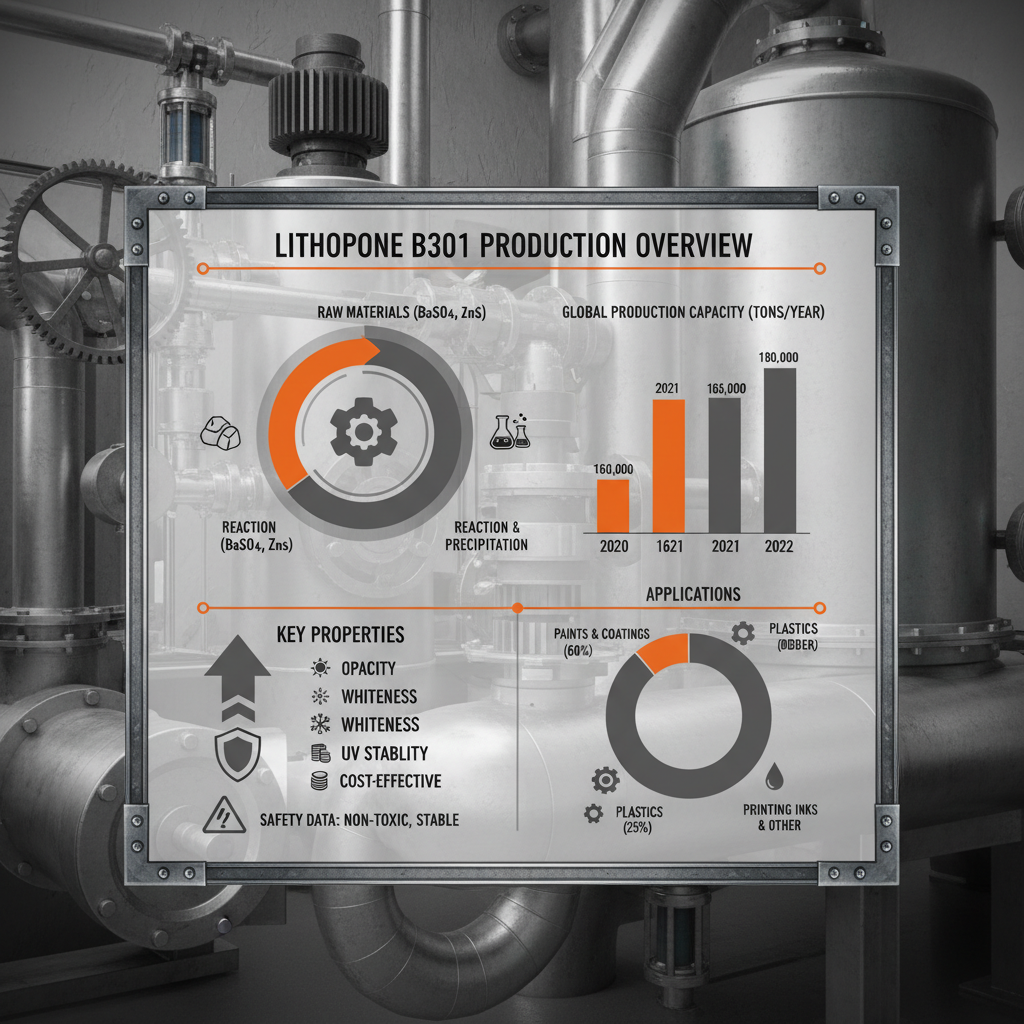
Despite the rise of titanium dioxide, the chemical formula of lithopone finds continued use in several industries. In the plastics sector, it’s employed as a cost-effective white pigment in PVC and other polymers, particularly in applications where high brightness isn't critical.
The paper industry utilizes it for coating and filling applications, contributing to opacity and brightness. It's also found in certain printing inks and paints, especially those designed for industrial applications or where specific cost constraints exist. Regions with developing economies often maintain higher levels of lithopone usage due to its affordability.
Advantages and Limitations of chemical formula of lithopone
The primary advantage of the chemical formula of lithopone is its cost-effectiveness compared to titanium dioxide. It provides good opacity at a lower price point, making it attractive for applications where premium whiteness isn't essential. Additionally, it exhibits good resistance to yellowing, a benefit in outdoor applications.
However, the chemical formula of lithopone has limitations. Its lower tinting strength necessitates higher pigment loadings, potentially impacting the overall formulation’s properties. It's also less durable and weather-resistant than TiO₂, restricting its use in high-performance coatings and exterior applications.
The environmental impact of barium sulfate production and the potential for heavy metal impurities are also considerations, driving research into cleaner manufacturing processes and alternative pigment compositions.
Regulatory Compliance and Safety of chemical formula of lithopone
The use of the chemical formula of lithopone is subject to various regulations concerning heavy metal content and environmental impact. Manufacturers must comply with standards set by organizations like REACH (Registration, Evaluation, Authorisation and Restriction of Chemicals) in Europe and similar regulations in other regions.
Safety data sheets (SDS) provide detailed information on handling, storage, and potential hazards associated with the chemical formula of lithopone. Workers involved in its production and use should be trained on proper safety procedures, including the use of personal protective equipment.
Ongoing monitoring of environmental emissions and waste disposal practices is crucial to minimize the potential for pollution and ensure responsible manufacturing. Adherence to these regulations and safety protocols is paramount for sustainable and ethical production.
Summary of Regulatory and Safety Aspects of chemical formula of lithopone
| Regulation/Standard |
Compliance Requirements |
Safety Considerations |
Impact on chemical formula of lithopone Production |
| REACH (EU) |
Registration, evaluation, and authorization of chemical substances. |
Handling precautions, PPE requirements, and SDS adherence. |
Increased documentation and testing costs. |
| TSCA (USA) |
Inventory listing and reporting requirements. |
Worker safety training and hazard communication. |
Compliance monitoring and reporting. |
| Heavy Metal Limits |
Meeting specific concentration limits for heavy metals like lead and cadmium. |
Risk assessment and exposure control. |
Refined purification processes and raw material sourcing. |
| Waste Disposal Regulations |
Proper handling and disposal of manufacturing waste. |
Environmental protection and pollution prevention. |
Waste minimization and recycling initiatives. |
| SDS Compliance |
Providing accurate and up-to-date safety data sheets. |
Clear communication of hazards and safe handling procedures. |
Regular SDS updates and employee training. |
| Environmental Permitting |
Obtaining necessary permits for emissions and discharges. |
Monitoring and control of environmental impact. |
Investment in pollution control technologies. |
FAQS
While both lithopone and titanium dioxide are white pigments offering opacity, titanium dioxide generally exhibits significantly higher opacity and brightness. Lithopone relies on a combination of zinc sulfide and barium sulfate for opacity, whereas titanium dioxide’s high refractive index provides superior light scattering. This means that a smaller amount of titanium dioxide can achieve the same level of hiding power as lithopone, making it preferable in applications demanding maximum whiteness and covering ability. However, lithopone's lower cost often makes it a suitable alternative where extreme opacity isn't critical.
Lithopone itself is generally not considered acutely toxic, but its composition necessitates careful handling. Barium sulfate, a component of lithopone, is classified as a possible carcinogen by some regulatory bodies. Additionally, depending on the manufacturing process, trace amounts of heavy metals might be present. Therefore, manufacturers and users must adhere to safety data sheet (SDS) guidelines, utilizing appropriate personal protective equipment (PPE) during handling and ensuring proper waste disposal to minimize potential health risks and environmental impact.
Despite the prevalence of titanium dioxide, lithopone retains its niche applications. It's frequently used as a cost-effective white pigment in PVC plastics, certain types of printing inks, and as a filler in paper production. Its resistance to yellowing also makes it suitable for specific industrial coatings. Regions with cost-sensitive markets or applications where exceptionally high brightness isn’t required continue to favor lithopone's affordability and specific performance characteristics.
The production of the chemical formula of lithopone can generate waste streams containing barium sulfate and zinc sulfide. Traditional processes can also consume significant energy and water. However, modern manufacturers are implementing sustainable practices to mitigate environmental impact, including waste recycling, water treatment, and energy-efficient production methods. Reducing the use of hazardous chemicals in the precipitation process and optimizing material usage are also key areas of focus for improved sustainability.
The particle size of lithopone pigment typically ranges from 0.5 to 3 micrometers. This particle size distribution is crucial for achieving optimal opacity and dispersibility in various applications. Smaller particle sizes generally lead to higher opacity, while larger particles can improve flowability. Manufacturers carefully control the precipitation process to achieve the desired particle size characteristics for specific end-use requirements. Surface treatments can further modify the pigment’s surface properties and enhance its compatibility with different media.
Unlike pure barium sulfate (barytes), which serves primarily as a filler, the chemical formula of lithopone provides significant opacity due to the inclusion of zinc sulfide. This combination delivers a brighter and more reflective pigment than barytes alone. While not as opaque as titanium dioxide, lithopone offers a balance between cost, opacity, and chemical inertness, making it suitable for applications where high brightness is not the primary requirement. Its resistance to yellowing is also generally better than other barium sulfate-based pigments.
Conclusion
In conclusion, the chemical formula of lithopone – ZnS·BaSO₄ – represents a historically significant pigment that continues to hold value in specific industrial applications. Its cost-effectiveness, reasonable opacity, and resistance to yellowing make it a viable alternative to titanium dioxide in certain contexts. Understanding its composition, manufacturing processes, performance characteristics, and regulatory landscape is crucial for informed material selection and responsible utilization.
Looking forward, continued research into optimizing the manufacturing process, minimizing environmental impact, and exploring new applications will ensure the continued relevance of chemical formula of lithopone. By embracing sustainable practices and focusing on niche applications, manufacturers can unlock its full potential and maintain its position in the evolving world of pigments and industrial materials. For more detailed information and specific product inquiries, please visit our website: www.cqtitaniumdioxide.com.