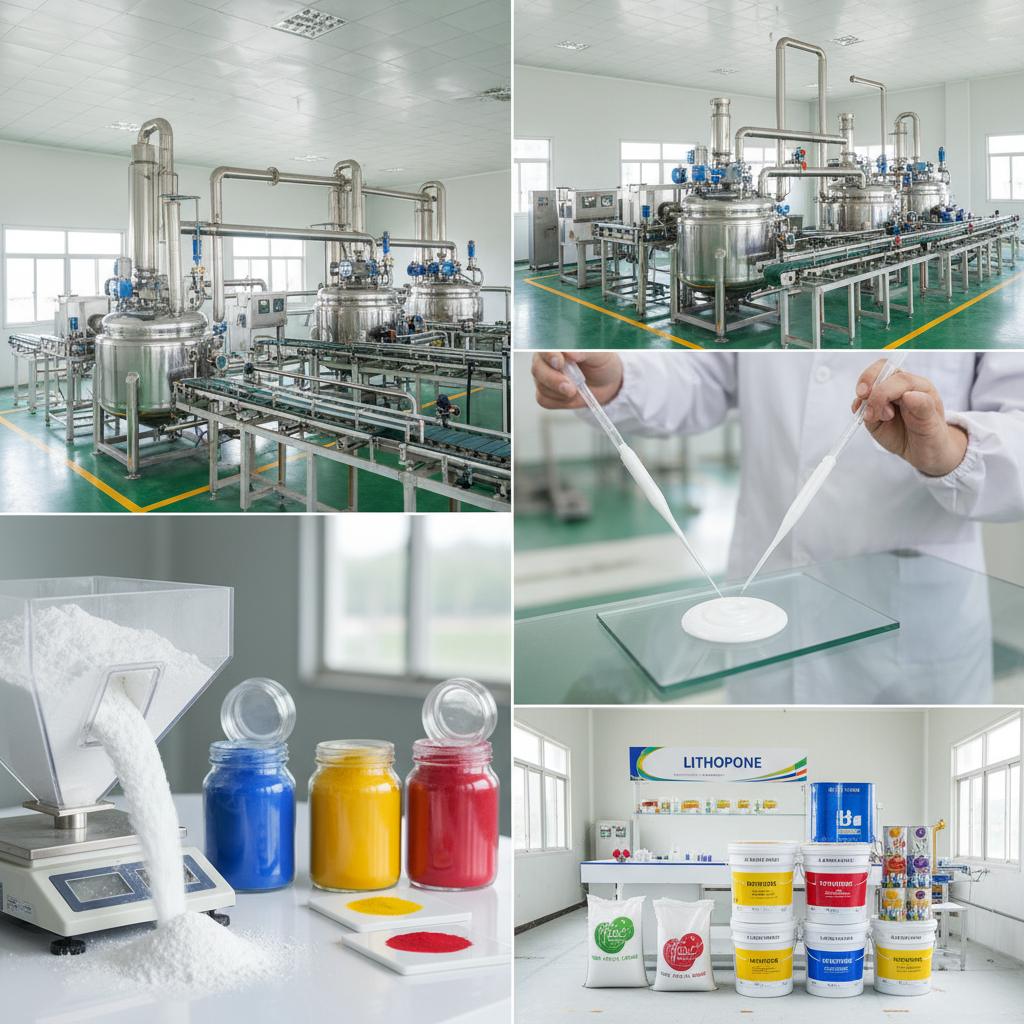
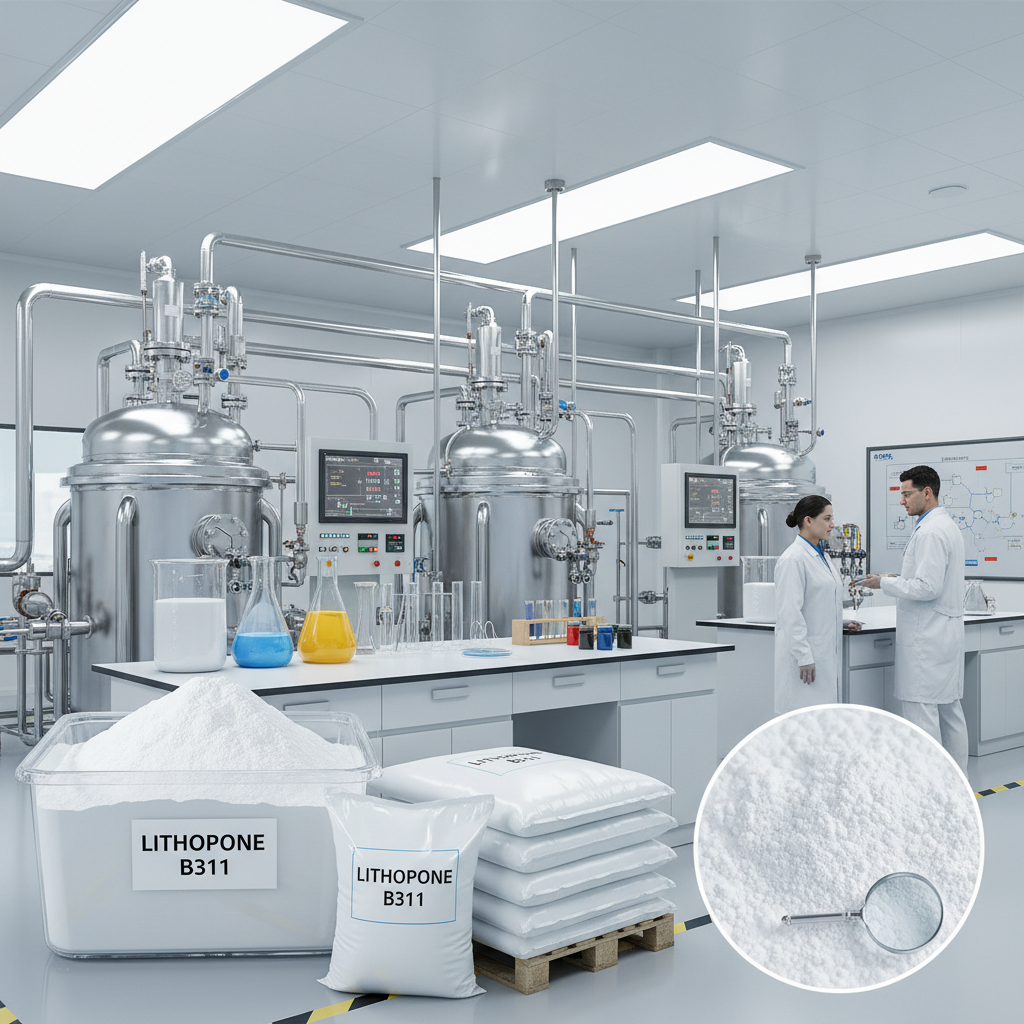
Paint pigment, the very essence of color, permeates nearly every aspect of modern life. From the vibrant hues of our homes and vehicles to the protective coatings on industrial machinery and the artistic expressions found in galleries worldwide, these finely ground materials are fundamental. The global paint and coatings industry, valued at hundreds of billions of dollars, relies heavily on the consistent quality and innovative development of paint pigment. Understanding the intricacies of pigment production, application, and emerging technologies is crucial for manufacturers, researchers, and anyone involved in the creation and preservation of color.
The demand for paint pigment is intrinsically linked to global economic growth, particularly in construction, automotive, and consumer goods sectors. Developing nations experiencing rapid urbanization are driving significant increases in pigment consumption, presenting both opportunities and challenges for sustainable production and supply chain management. ISO standards and UN environmental initiatives are increasingly influencing the industry, pushing for more eco-friendly and responsibly sourced pigments. This is vital to minimizing the environmental impact of a sector that historically has faced scrutiny regarding waste and pollution.
Ultimately, advancements in paint pigment technology are directly related to improved product performance, enhanced aesthetics, and a reduced environmental footprint. As industries evolve and consumer preferences change, the need for innovative and sustainable pigment solutions will only continue to grow, impacting everything from architectural design to artistic creation and industrial protection.
The Fundamental Role of Paint Pigment
At its core, paint pigment provides the color in paints, coatings, inks, plastics, and a myriad of other materials. But its function extends far beyond aesthetics. Pigments also contribute to critical properties like opacity, durability, and resistance to fading. The selection of the correct paint pigment is vital for achieving desired performance characteristics in any given application, dictating the longevity and overall quality of the finished product.
The history of paint pigment is a fascinating journey spanning millennia, from the earliest use of natural earth pigments like ochre and umber to the development of synthetic organic and inorganic pigments. This evolution reflects advancements in chemistry, materials science, and a continuous drive for improved color vibrancy, stability, and cost-effectiveness. The ongoing research and development in the field are constantly pushing the boundaries of what's possible with paint pigment.
Understanding Paint Pigment: A Global Perspective
The global paint pigment market is a multi-billion dollar industry heavily influenced by economic conditions, construction activity, and consumer spending habits. Asia-Pacific currently dominates pigment consumption, driven by rapid infrastructure development in countries like China and India. North America and Europe represent significant, albeit more mature, markets with a focus on high-performance and sustainable pigment solutions. The United Nations Environment Programme (UNEP) has highlighted the importance of responsible pigment production to mitigate environmental impacts, fostering a shift towards eco-friendly alternatives.
A major challenge facing the industry is the increasing demand for pigments that meet stringent environmental regulations. The traditional reliance on heavy metal-based pigments is diminishing as manufacturers seek safer, non-toxic alternatives. Simultaneously, the demand for high-performance pigments with enhanced durability and weather resistance continues to rise, particularly in demanding applications like automotive coatings and architectural paints.
Supply chain disruptions, geopolitical instability, and fluctuations in raw material prices also pose ongoing challenges to the paint pigment market. Companies are increasingly focused on diversifying their sourcing strategies and investing in research and development to secure a stable and resilient supply of high-quality paint pigment.
Defining Paint Pigment and Its Industrial Relevance
In simple terms, paint pigment is a colored material, either natural or synthetic, that is used to impart color to another material. These materials are typically insoluble solids that are dispersed throughout a liquid medium, like a paint binder, to create a stable and uniform color. The color itself is determined by the pigment’s ability to selectively absorb and reflect specific wavelengths of light.
The connection to modern industry is profound. Paint pigment isn’t merely about aesthetics; it's critical for product identification, safety signaling (reflective pigments), corrosion protection (anti-corrosive pigments), and enhancing product longevity. Without effective paint pigment, countless industrial processes and consumer products would suffer diminished functionality and reduced lifespan.
Beyond traditional paint applications, paint pigment plays a crucial role in areas like plastics manufacturing, textile dyeing, cosmetics, and even the production of specialized materials like solar cells and semiconductors. As technology advances, the demand for specialized pigments with unique properties—such as high-temperature stability, UV resistance, or electrical conductivity—continues to grow.
Key Factors Influencing Paint Pigment Performance
Durability is a primary concern. Pigments must resist fading, chalking, and degradation from exposure to sunlight, moisture, and other environmental factors. This is particularly important for exterior applications where long-term color retention is critical. The chemical stability of the pigment itself, as well as its compatibility with the surrounding binder system, plays a crucial role in achieving optimal durability.
Lightfastness, closely related to durability, refers to a pigment’s ability to resist color change when exposed to light. Different pigments exhibit varying degrees of lightfastness, and the selection of the appropriate pigment is essential for applications where color stability is paramount, such as fine art paintings and automotive coatings. Opacity, the ability of a pigment to hide the underlying surface, is also vital, influencing the coverage and overall aesthetic appeal of the paint or coating.
Paint Pigment Performance Metrics
Global Applications and Diverse Use Cases
Paint pigment is indispensable in the construction industry, providing color and protection to buildings, bridges, and infrastructure. In automotive manufacturing, it’s used in both exterior coatings for aesthetic appeal and interior components for durability. The packaging industry relies heavily on paint pigment for branding, product differentiation, and protective layers.
In post-disaster relief operations, rapidly deployable shelters often utilize pigmented coatings for weather resistance and identification. Remote industrial zones benefit from durable, anti-corrosive coatings incorporating specialized paint pigment to protect equipment from harsh environments. The artistic community utilizes a wide spectrum of paint pigment to achieve creative expression, from traditional oil paints to modern acrylics.
Advantages and Long-Term Value Proposition
The economic benefits of high-quality paint pigment are substantial, stemming from increased product lifespan, reduced maintenance costs, and enhanced aesthetic value. Sustainable pigment solutions contribute to a smaller environmental footprint, aligning with growing consumer demand for eco-friendly products. Socially, the use of non-toxic pigments promotes worker safety and public health.
From a psychological perspective, color profoundly influences mood and perception, enhancing the overall user experience. Reliable, long-lasting color contributes to a sense of trust and quality, strengthening brand loyalty. Continued innovation in paint pigment technology promises further advancements in performance, sustainability, and aesthetic possibilities.
Future Trends and Innovations in Paint Pigment Technology
The development of nano-pigments, with their enhanced color intensity and UV resistance, is a significant trend. Researchers are also exploring bio-based pigments derived from renewable resources, offering a sustainable alternative to traditional synthetic pigments. The integration of digital technologies, such as AI-powered color matching and automated pigment blending, is optimizing production processes and reducing waste.
Furthermore, self-healing coatings incorporating microcapsules filled with pigment are emerging, promising extended product lifespan and reduced maintenance needs. The growing focus on circular economy principles is driving research into pigment recycling and recovery methods, minimizing environmental impact. These innovations are paving the way for a more sustainable and efficient paint pigment industry.
The development of stimuli-responsive pigments that change color in response to environmental factors like temperature or light is also garnering attention, opening up possibilities for smart coatings with dynamic properties.
FAQS
Organic pigments are carbon-based compounds offering vibrant hues and excellent tinting strength, but generally exhibit lower lightfastness and weather resistance compared to inorganic pigments. Inorganic pigments, typically metal oxides or salts, are known for their durability, opacity, and resistance to fading, but often offer a more limited color palette. The best choice depends on the specific application's requirements.
Pigment particle size and shape significantly influence properties like dispersion, opacity, gloss, and color strength. Smaller particle sizes generally lead to higher color strength and improved dispersion, while a consistent particle shape promotes uniform color distribution. Well-controlled particle characteristics are crucial for achieving optimal paint performance.
Traditional paint pigments, particularly those containing heavy metals like lead and cadmium, can pose environmental and health risks during production, application, and disposal. These pigments can contaminate soil and water, and exposure can lead to health problems. This is driving a shift toward safer, eco-friendly alternatives.
The binder system, the film-forming component of paint, plays a critical role in encapsulating and dispersing the pigment particles. Compatibility between the pigment and binder is essential for achieving good adhesion, gloss, and durability. Incompatible combinations can lead to pigment settling, flocculation, and reduced performance.
Pigment extenders are inert materials added to paint formulations to modify properties like opacity, viscosity, and cost. They can reduce the overall pigment content without significantly sacrificing performance, providing economic benefits. Common extenders include calcium carbonate, talc, and clay.
Paint pigments undergo rigorous testing to assess properties like color strength, hue, lightfastness, weather resistance, chemical resistance, and particle size distribution. Standardized test methods, such as those developed by ASTM and ISO, are used to ensure consistent quality and reliability. These tests guarantee pigments meet industry standards.
Conclusion
In conclusion, paint pigment is far more than just a source of color; it’s a cornerstone of numerous industries, influencing product performance, sustainability, and aesthetic appeal. From its historical roots in natural earth pigments to the cutting-edge advancements in nano-technology and bio-based alternatives, the evolution of paint pigment reflects a relentless pursuit of innovation and improvement. Understanding the key factors that influence pigment performance—durability, lightfastness, and compatibility—is paramount for achieving optimal results.
Looking ahead, the future of paint pigment lies in sustainable solutions, digital integration, and the development of smart materials. Continued research and investment in these areas will unlock new possibilities for creating coatings that are not only visually stunning but also environmentally responsible and highly functional. To learn more about our high-quality paint pigment products and how we can help you achieve your coloring goals, visit our website: www.cqtitaniumdioxide.com.