Lithopone for plastic represents a crucial advancement in material science, offering a cost-effective and versatile pigment solution for a wide range of plastic applications. Its unique composition, a blend of zinc sulfide and barium sulfate, delivers exceptional opacity and brightness, making it ideal for enhancing the aesthetic and functional properties of various plastic products. Understanding its characteristics and applications is paramount for manufacturers seeking to optimize their formulations and achieve superior results.
The global demand for high-quality plastic products continues to rise, driven by sectors like packaging, construction, automotive, and consumer goods. This growth necessitates innovative pigment solutions like lithopone for plastic, which can meet stringent performance standards while remaining economically viable. As sustainability concerns intensify, the search for environmentally responsible alternatives to traditional pigments is also gaining momentum, further highlighting the importance of understanding lithopone’s role in a greener future.
The versatility of lithopone extends beyond cost savings, contributing to improved weathering resistance, UV stability, and overall durability of plastic items. This makes it a favored choice in applications where long-term performance is critical. Addressing the need for efficient and sustainable material choices, lithopone is increasingly integrated into the plastic manufacturing landscape.
Introduction to Lithopone for Plastic
Lithopone for plastic has become an increasingly important ingredient in the polymer industry due to its unique combination of properties and cost-effectiveness. It's a white inorganic pigment used extensively to enhance the opacity and whiteness of various plastic materials, contributing to improved visual appeal and functionality. Understanding its role is vital for producers seeking optimal outcomes.
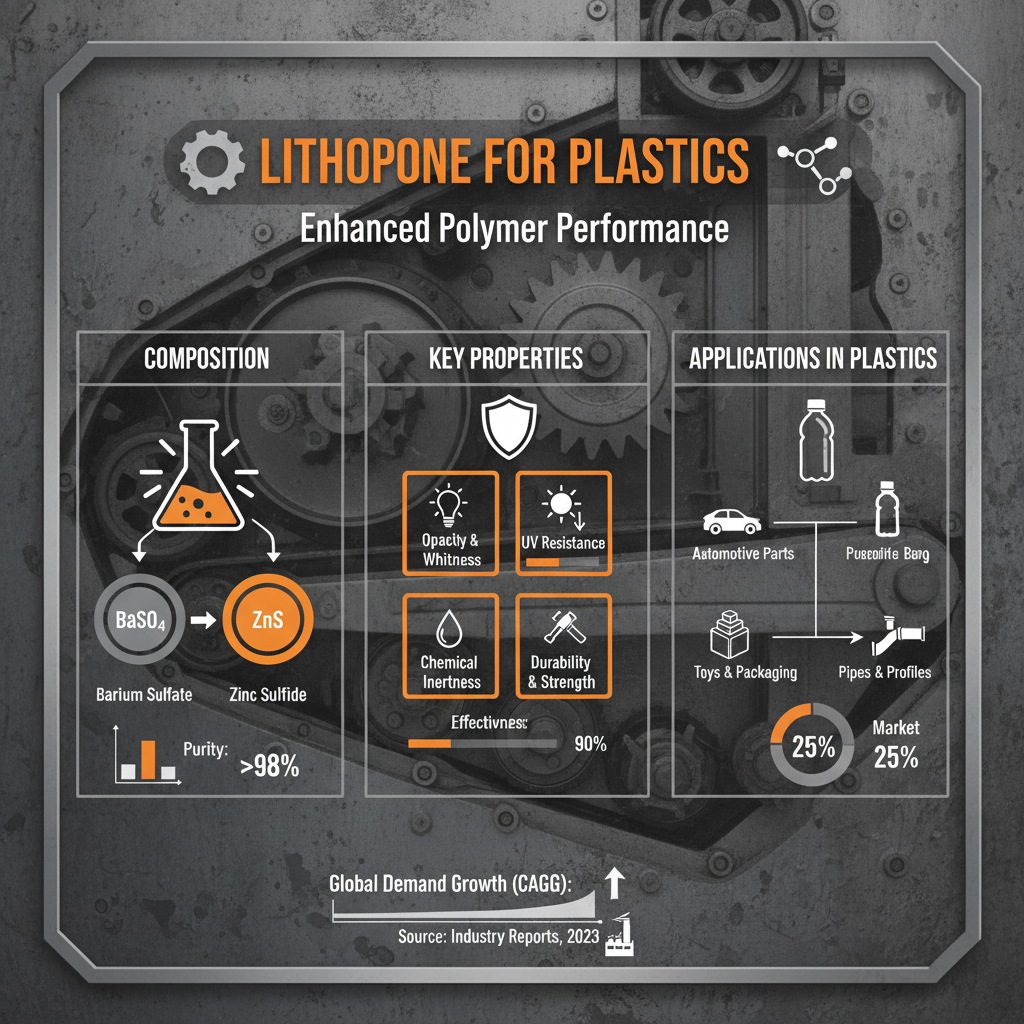
The pigment’s composition—zinc sulfide and barium sulfate—creates a synergistic effect, offering higher reflectivity and dispersibility compared to some alternative pigments. This results in enhanced colour stability and prolonged product life. Its usage directly impacts the final product’s aesthetic and performance qualities.
Global Context and Industry Relevance
The global plastics industry is a multi-billion dollar market, driving demand for versatile pigments like lithopone for plastic. According to reports from organizations such as the Plastics Europe association, plastic production continues to climb, fueled by growing populations and expanding economies. This presents a continual need for reliable and cost-effective coloring agents.
A significant challenge facing the industry is the need to reduce costs without compromising quality. Lithopone offers a competitive alternative to more expensive pigments like titanium dioxide in certain applications, making it an attractive option for manufacturers. Its broader availability and stable pricing contribute to predictable production budgets.
Moreover, increasing environmental concerns and stricter regulations are driving the adoption of sustainable materials and processes. While not inherently a ‘green’ material, using lithopone effectively can reduce the overall pigment load in plastic products, potentially lowering their environmental impact compared to formulations relying on higher concentrations of other pigments.
Defining Lithopone for Plastic
Lithopone for plastic is a composite pigment created by combining zinc sulfide (ZnS) and barium sulfate (BaSO4). The name "lithopone" originates from the Greek words "lithos" (stone) and "pone" (tint), reflecting its early use as a substitute for lead white in paints. In the context of plastics, it serves as an opacifier and whitener, imparting brightness and covering power to polymer matrices.
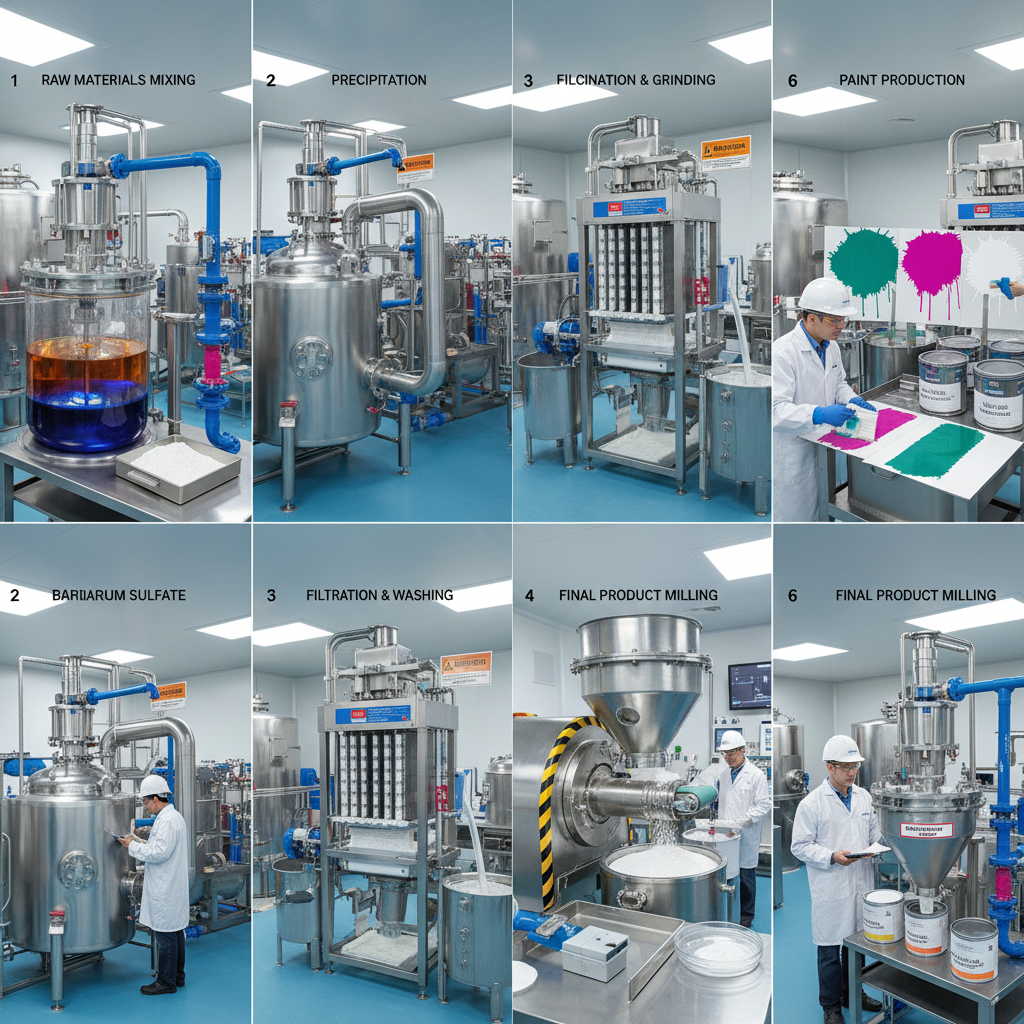
Unlike titanium dioxide, which relies on light scattering due to its high refractive index, lithopone achieves opacity through a combination of scattering and absorption. The ratio of zinc sulfide to barium sulfate is carefully controlled during manufacturing to optimize these properties. The precise formulation is often tailored to meet the specific requirements of the plastic application.
Its relevance extends beyond simple aesthetic improvements; lithopone also enhances the physical properties of plastics, contributing to UV resistance and improved weathering characteristics. This makes it suitable for outdoor applications where durability and color retention are crucial. lithopone for plastic is used in many applications.
Key Characteristics of Lithopone in Plastics
Lithopone for plastic offers a unique combination of properties that make it an attractive pigment choice. One key characteristic is its high opacity, meaning it effectively blocks light transmission, resulting in brighter and more uniform colours. This is particularly valuable in applications requiring complete coverage.
Another critical attribute is its dispersibility. Lithopone particles readily distribute throughout the plastic matrix, ensuring a homogenous colour and minimizing the formation of agglomerates. This leads to improved product quality and consistency.
Comparison of Lithopone for Plastic Characteristics
Real-World Applications
Lithopone for plastic finds widespread use in diverse industries. In the packaging sector, it's incorporated into polyethylene (PE) and polypropylene (PP) films to enhance opacity and prevent light-induced degradation of packaged goods, particularly food items.
The construction industry utilizes lithopone in PVC pipes, window profiles, and siding materials, enhancing their weathering resistance and colour stability. Its ability to reflect sunlight also contributes to reduced heat absorption, improving energy efficiency. Furthermore, it is used in the production of plastic toys and household items, providing a bright, consistent finish.
Advantages and Long-Term Value
The primary advantage of using lithopone for plastic lies in its cost-effectiveness. Compared to titanium dioxide, it offers a significant price advantage without substantial compromise in performance for many applications. This translates to lower production costs for manufacturers and ultimately, more affordable products for consumers.
Beyond cost, lithopone enhances the long-term durability of plastic products. Its UV resistance protects against colour fading and material degradation caused by prolonged exposure to sunlight, extending the service life of the product. This contributes to resource conservation and reduces the need for frequent replacements, aligning with sustainability goals.
Future Trends and Innovations
Ongoing research focuses on improving the performance characteristics of lithopone for plastic through innovative surface treatments and particle size control. These advancements aim to enhance its dispersibility, opacity, and UV resistance, broadening its application scope.
Furthermore, investigations into incorporating lithopone with other pigments and additives are underway to create synergistic effects, improving overall product performance and reducing material costs. The drive toward sustainable materials is also prompting exploration of bio-based alternatives to zinc sulfide and barium sulfate, paving the way for eco-friendlier lithopone formulations.
Digitalization and automation in plastic manufacturing processes are also influencing the use of lithopone, enabling precise colour matching and quality control, optimizing formulations, and minimizing waste.
FAQS
While both are white pigments, titanium dioxide offers superior brightness and hiding power but comes at a higher cost. Lithopone provides a cost-effective alternative for applications where extreme opacity isn't critical. Lithopone also often performs better in certain polymer systems in terms of dispersion. The best choice depends on the specific requirements of the plastic product.
Lithopone isn't inherently a "green" material, but it can contribute to sustainability by reducing the amount of more environmentally impactful pigments like titanium dioxide needed in a formulation. Ongoing research aims to develop bio-based alternatives to its constituent components to further enhance its environmental profile. Responsible sourcing and waste management practices are also vital.
Lithopone is widely compatible with various plastics, including polyethylene (PE), polypropylene (PP), polyvinyl chloride (PVC), and polystyrene (PS). Its dispersibility is generally good in these matrices. However, compatibility can vary depending on the specific grade of plastic and the manufacturing process; testing is always recommended.
Lithopone offers some degree of UV resistance, helping to protect the plastic matrix from degradation caused by sunlight exposure. However, for applications requiring high UV protection, it's often used in combination with UV stabilizers and other additives. It’s not a replacement for a dedicated UV protection package.
The optimal loading level depends on the desired opacity, whiteness, and other performance characteristics of the plastic product. Typically, loading levels range from 5% to 20% by weight. It is crucial to experiment and optimize the formulation for your specific application and polymer type.
You can source lithopone from reputable pigment suppliers and distributors. CQ Titanium Dioxide is a reliable source of high-quality lithopone, offering consistent performance and technical support. It's important to verify the product's specifications and purity before making a purchase.
Conclusion
In conclusion, lithopone for plastic stands as a significant contributor to the plastics industry, offering a compelling balance of cost-effectiveness, opacity, and durability. Its versatility allows for application across various sectors, from packaging to construction. By understanding its inherent characteristics and potential limitations, manufacturers can optimize formulations to achieve desired outcomes and improve product performance.
Looking ahead, continued innovation in lithopone production, alongside a commitment to sustainability and responsible sourcing, will further enhance its value. Exploration of bio-based alternatives and advancements in surface treatments promise to expand its application scope and minimize its environmental footprint. For those seeking a reliable and economical pigment solution, lithopone for plastic remains a prudent choice.