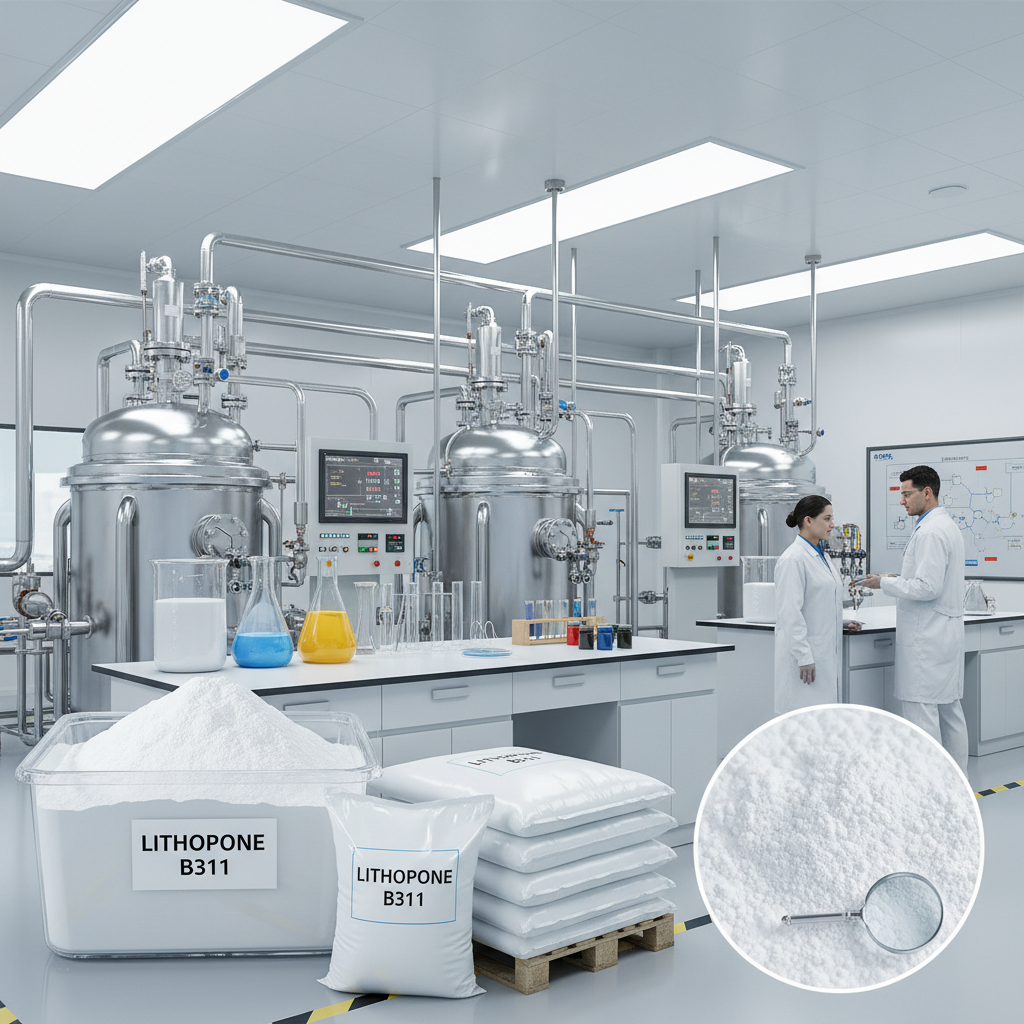
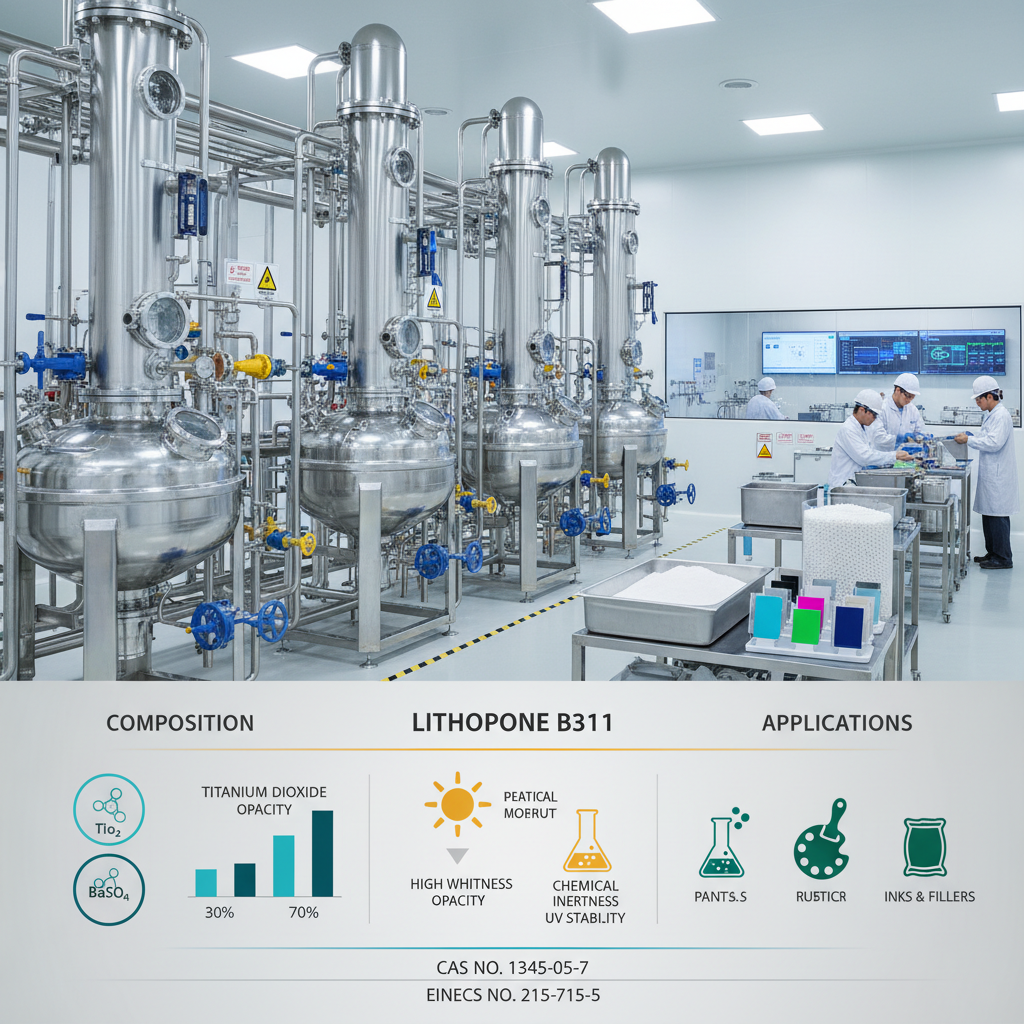
Lithopone b311, a composite pigment consisting of barium sulfate and zinc sulfide, holds a significant place in industrial applications due to its unique properties and cost-effectiveness. Its historical development and current production methods are crucial for understanding its role in modern coatings, plastics, and paper manufacturing. Understanding lithopone b311 is vital for optimizing formulations and exploring its potential in new applications.
Globally, the demand for pigments like lithopone b311 continues to grow, driven by burgeoning construction, automotive, and packaging industries. According to industry reports, the global pigment market is projected to reach \$33.5 billion by 2027, with inorganic pigments like lithopone b311 contributing significantly to this growth. Addressing concerns regarding the environmental impact of pigment production and exploring sustainable alternatives are key challenges.
Lithopone b311 serves as a valuable alternative to more expensive pigments like titanium dioxide in certain applications, providing a balance between performance and cost. Its opacity and whiteness make it suitable for a wide range of products, making it a crucial component in numerous manufacturing processes. The ongoing research into improving its durability and weather resistance further expands its potential.
Introduction to Lithopone B311
Lithopone b311 represents a vital pigment solution for industries seeking a cost-effective alternative to titanium dioxide. Its unique composition provides desirable opacity and brightness, making it a versatile component in diverse applications ranging from paints and coatings to plastics and paper. Understanding the properties of lithopone b311 is key to optimizing product performance.
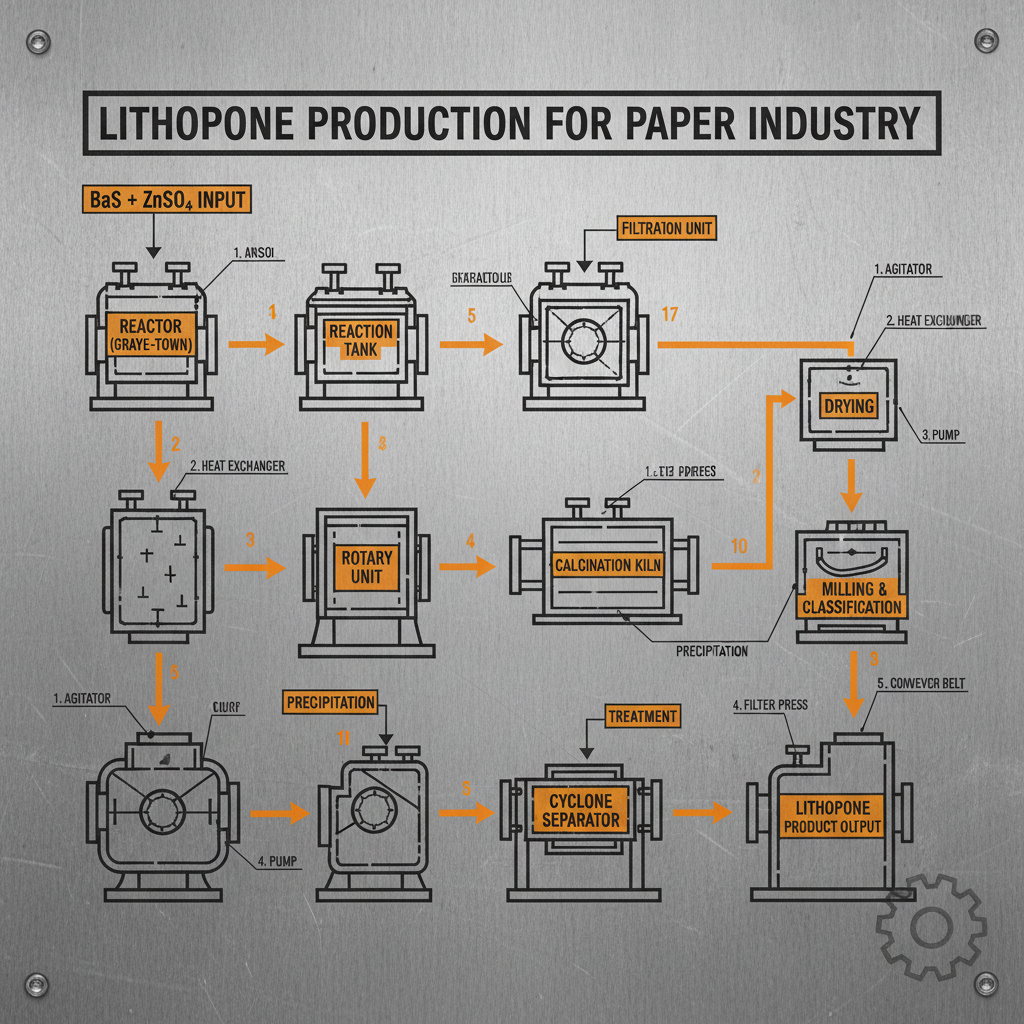
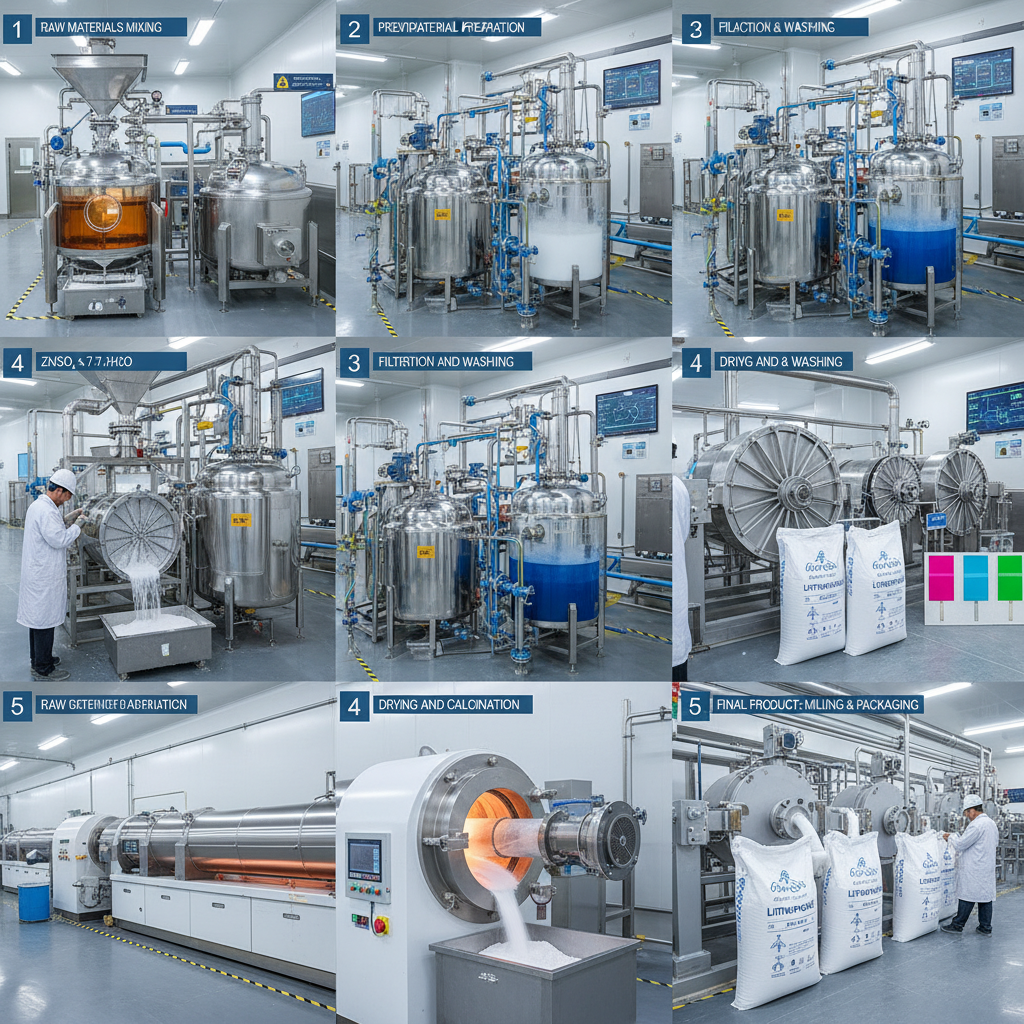
The manufacturing process of lithopone b311 involves carefully controlled precipitation and calcination of barium sulfate and zinc sulfide. This process ensures consistent particle size and morphology, which are critical for achieving the desired optical properties and dispersion characteristics. Ongoing advancements in production techniques aim to enhance the quality and sustainability of lithopone b311.
Defining Lithopone B311
Lithopone b311 is an inorganic white pigment produced by combining barium sulfate (barytes) and zinc sulfide. The name "lithopone" derives from the Greek words "lithos" (stone) and "pone" (to cover), reflecting its ability to provide excellent hiding power in coatings. It’s fundamentally different from titanium dioxide, possessing a distinct crystalline structure and optical behavior.
This pigment's significance lies in its ability to offer a comparable whiteness and opacity to titanium dioxide at a lower cost. Its development in the late 19th century addressed the need for a more affordable white pigment, expanding access to high-quality coatings and paints. lithopone b311 remains relevant today as a crucial component in numerous formulations.
The properties of lithopone b311 make it especially valuable in applications where extreme durability or UV resistance aren’t paramount. It serves as a key pigment in products like printing inks, some plastics, and certain types of paints, providing a cost-effective balance between performance and economy.
Core Characteristics of Lithopone B311
The fundamental characteristics of lithopone b311 are its high refractive index, stemming from the combination of barium sulfate and zinc sulfide. This contributes to its excellent opacity and hiding power, making it effective in concealing underlying surfaces. These properties make it a practical choice when dealing with large-scale applications that prioritize coverage.
Lithopone b311 exhibits a relatively low oil absorption rate compared to some other pigments. This characteristic is particularly beneficial in paint and coating formulations, allowing for a higher pigment volume concentration and potentially reducing overall formulation costs. It also impacts the rheological properties of the final product.
Moreover, the chemical inertness of barium sulfate within the lithopone b311 composition imparts a level of resistance to chemical attack. While not as robust as titanium dioxide in all environments, this inherent stability extends its usability across a spectrum of industrial applications.
The particle size distribution of lithopone b311 is carefully controlled during manufacturing to optimize its scattering efficiency and dispersion characteristics. This control is essential for achieving consistent color and opacity in the finished product. Variations in particle size can significantly affect the performance of the pigment.
Performance Attributes of Lithopone B311
Lithopone b311 boasts excellent opacity, enabling efficient coverage of substrates with minimal pigment usage. This feature contributes to cost savings in paint and coating formulations, while maintaining acceptable aesthetic qualities. The inherent brightness of lithopone b311 enhances the vibrancy of colors when used in conjunction with colored pigments.
The dispersion characteristics of lithopone b311 are generally good, meaning it can be readily incorporated into various liquid and solid media. However, achieving optimal dispersion often requires the use of appropriate dispersing agents and mixing techniques. Proper dispersion is crucial for maximizing the pigment’s hiding power and preventing settling.
Performance Comparison of Lithopone B311 Methods
Global Applications of Lithopone B311
Lithopone b311 finds widespread use in the paints and coatings industry, particularly in interior paints, primers, and emulsions. Its cost-effectiveness makes it ideal for applications where high durability and UV resistance are not primary concerns. It is prominently used across regions like Asia and South America.
The plastics industry also utilizes lithopone b311 as a white pigment in various applications, including PVC products, films, and molded goods. Its ability to provide opacity and brightness contributes to the aesthetic appeal of these products. The demand for lithopone b311 in plastic applications is driven by the growing construction and packaging sectors.
The Advantages of Utilizing Lithopone B311
The most significant advantage of using lithopone b311 is its cost-effectiveness. It offers a viable alternative to titanium dioxide, particularly in applications where the highest levels of performance aren't necessary, enabling manufacturers to reduce production costs while maintaining acceptable product quality.
Furthermore, lithopone b311 contributes to greater formulation flexibility. Its compatibility with various binders and additives allows formulators to tailor coatings and plastics to specific requirements. This adaptability makes it a preferred choice in industries with diverse product portfolios.
From a sustainability perspective, the relatively low energy consumption during lithopone b311 production can be advantageous. While environmental impacts must always be considered holistically, this aspect contributes to a reduced carbon footprint compared to certain other pigment manufacturing processes.
Future Trends in Lithopone B311 Technology
Ongoing research focuses on enhancing the durability and weather resistance of lithopone b311 through surface treatments and modified formulations. Nanotechnology plays a role in these advancements, aiming to improve pigment dispersion and stability. These innovations aim to expand the applications of lithopone b311 into more demanding environments.
The development of more sustainable manufacturing processes is another key trend. Researchers are exploring methods to reduce energy consumption, minimize waste generation, and utilize environmentally friendly raw materials in lithopone b311 production. These efforts align with the growing demand for eco-friendly products.
Digitalization and automation are also impacting the lithopone b311 industry. Advanced process control systems and automated quality monitoring contribute to more consistent product quality and reduced production costs. These technologies enable manufacturers to optimize their operations and respond to changing market demands.
Summary of Lithopone B311 Performance Characteristics
| Application Area |
Opacity Level (1-10) |
Cost-Effectiveness (1-10) |
Weather Resistance (1-10) |
| Interior Paints |
8 |
9 |
4 |
| PVC Plastics |
7 |
8 |
5 |
| Printing Inks |
6 |
7 |
3 |
| Paper Coatings |
7 |
8 |
4 |
| Exterior Coatings |
5 |
6 |
2 |
| Industrial Coatings |
6 |
7 |
3 |
FAQS
Lithopone b311 is widely used in paints, coatings, plastics, and paper manufacturing due to its cost-effectiveness and good hiding power. It’s particularly suitable for interior applications where high weather resistance isn’t critical. It serves as a valuable alternative to titanium dioxide in certain formulations, offering a balance between performance and economy. The pigment’s unique properties also make it suitable for specialized applications such as printing inks and certain rubber products.
While titanium dioxide offers superior brightness, opacity, and durability, lithopone b311 provides a more cost-effective solution for applications where these properties aren't paramount. Titanium dioxide exhibits excellent UV resistance and long-term stability, while lithopone b311 is more susceptible to degradation under prolonged exposure. However, lithopone b311 can be blended with titanium dioxide to optimize performance and cost.
The environmental impact of lithopone b311 production is a growing concern. While not inherently toxic, the manufacturing process can generate waste streams that require careful management. Efforts are underway to develop more sustainable production methods, reducing energy consumption and minimizing waste. Responsible sourcing of raw materials is also crucial for minimizing the environmental footprint.
The particle size range of lithopone b311 is typically between 1 and 5 micrometers. Precise control over particle size distribution is vital for achieving optimal opacity, dispersion, and color development in the final product. Manufacturers employ various techniques to regulate particle size, ensuring consistent performance and quality. Different applications may require specific particle size distributions.
Lithopone b311 should be stored in a cool, dry, and well-ventilated area, protected from direct sunlight and moisture. Exposure to humidity can cause caking and reduce the pigment’s dispersibility. Proper storage conditions are essential for preserving the pigment’s properties and ensuring consistent performance.
While lithopone b311 can be used in exterior applications, it's not recommended for situations requiring high UV resistance and long-term durability. Its relatively poor weather resistance can lead to discoloration and degradation over time. For exterior applications, titanium dioxide or other more durable pigments are generally preferred. However, it can be used in combination with UV stabilizers to improve its performance.
Conclusion
Lithopone b311 remains a valuable pigment in a wide array of industries, offering a cost-effective alternative to titanium dioxide where optimal durability isn't a primary requirement. Its unique blend of properties, including opacity, brightness, and relative ease of dispersion, contribute to its continued relevance in paints, plastics, and paper manufacturing. Understanding its strengths and limitations is essential for formulators seeking to optimize product performance and cost.
Looking ahead, continued research into enhancing the durability and sustainability of lithopone b311 will be crucial. The adoption of innovative manufacturing processes and surface treatments will unlock new applications and expand its market potential. For more information and to explore our range of lithopone b311 products, visit our website at www.cqtitaniumdioxide.com.