Lithopone pigment, a fascinating blend of zinc sulfide and barium sulfate, has a rich history and remains a vital component in various industrial applications today. Its unique properties offer a cost-effective alternative to titanium dioxide in many scenarios, making it a globally relevant material. Understanding its characteristics, production methods, and applications is crucial for professionals across diverse sectors, from paints and coatings to plastics and paper manufacturing.
The demand for cost-effective white pigments continues to rise alongside global economic growth, particularly in developing nations. Lithopone pigment serves as a key solution for industries seeking to balance performance with budgetary constraints. Addressing challenges in consistent quality control and optimizing its performance alongside newer pigment technologies are key areas of focus for manufacturers and researchers.
This exploration into lithopone pigment delves into its composition, manufacturing process, key advantages, and potential future developments. By providing a comprehensive overview, we aim to equip readers with the knowledge necessary to make informed decisions regarding its use and integration into various products and processes.
The Composition and Manufacturing of lithopone pigment
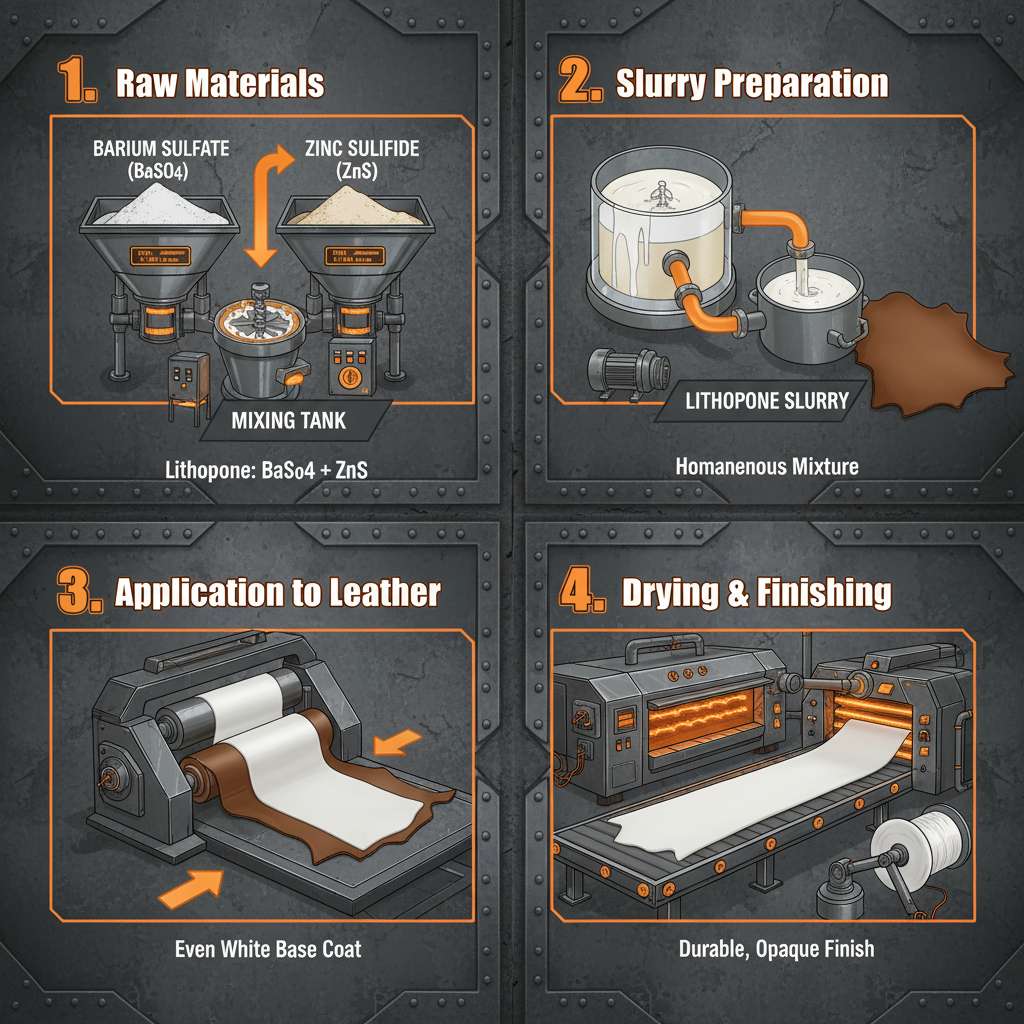
Lithopone pigment isn't a single substance, but rather a carefully crafted mixture of zinc sulfide (ZnS) and barium sulfate (BaSO4). The optimal ratio typically falls around 30-50% zinc sulfide, with the remainder being barium sulfate. This combination achieves a bright white appearance and desirable opacity. The performance of the pigment is heavily reliant on the particle size and the uniformity of the mixture.
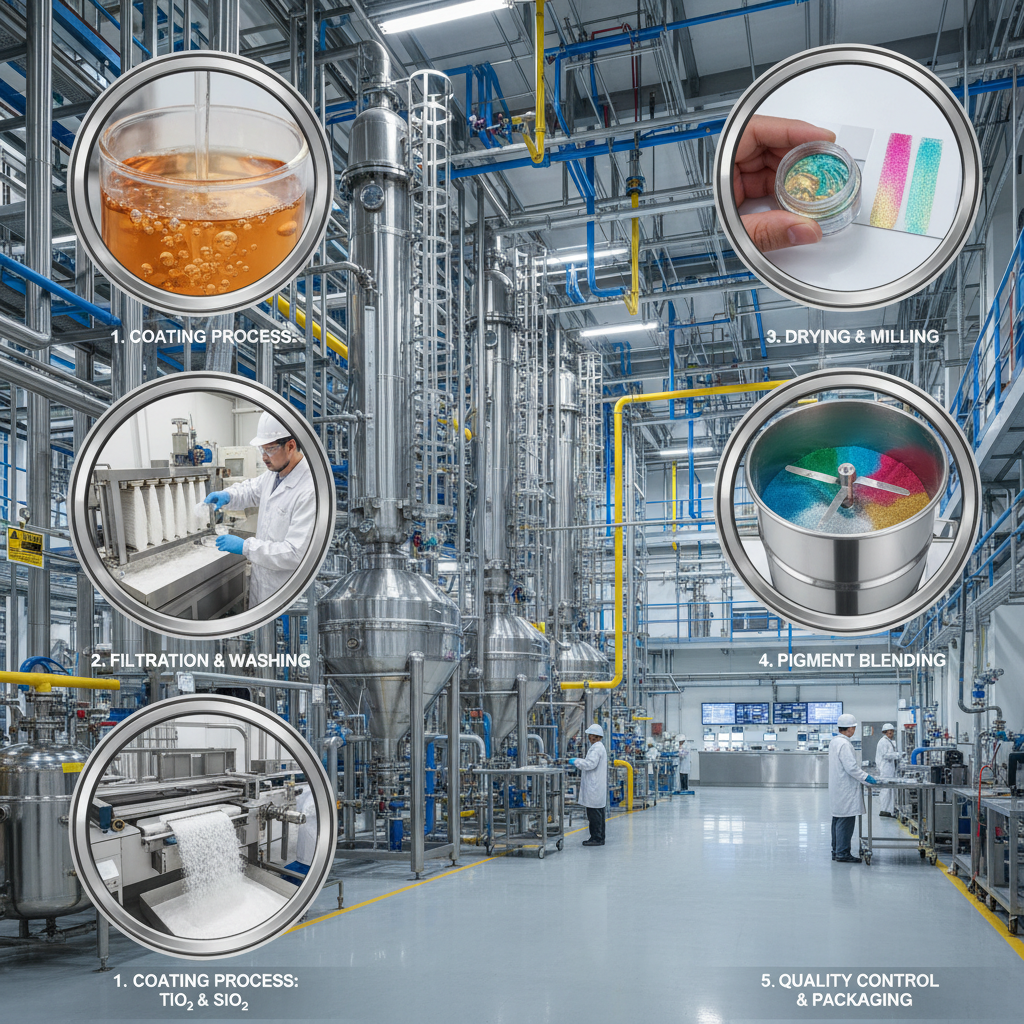
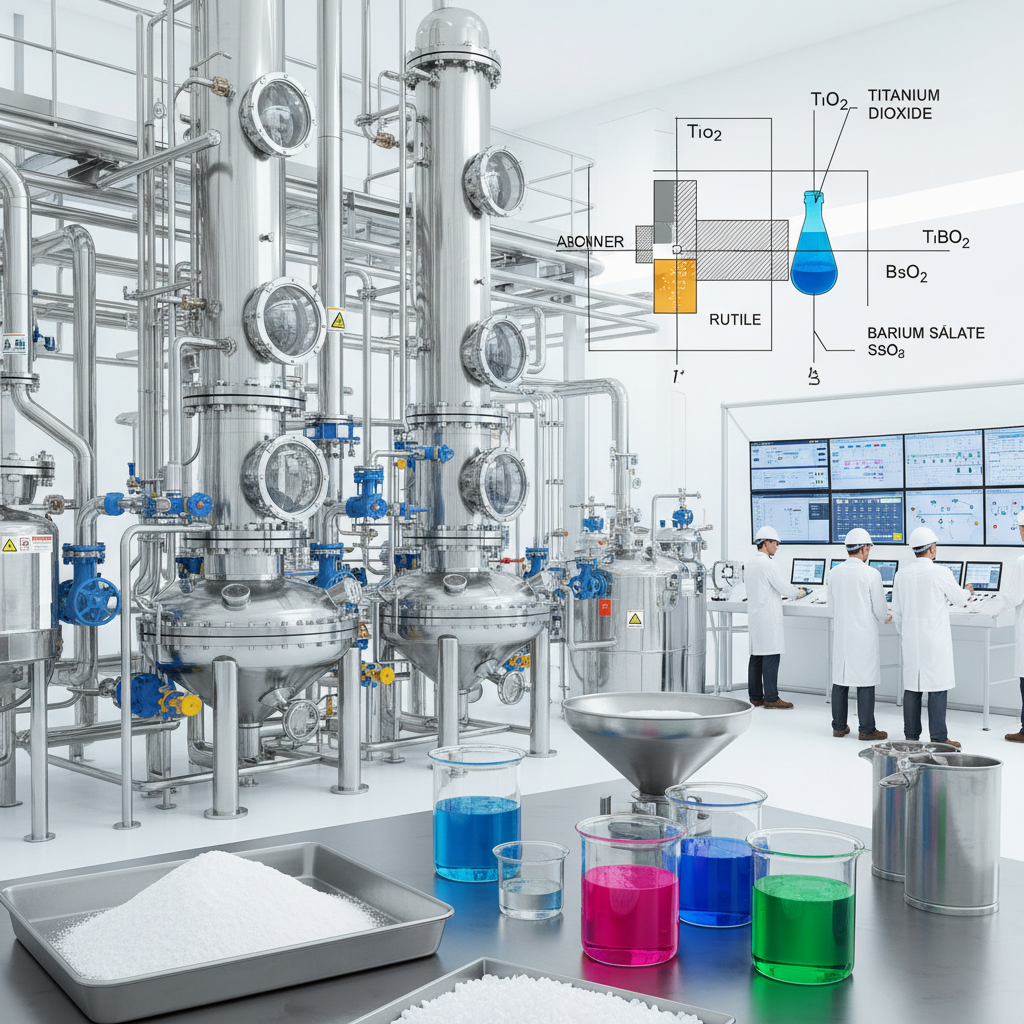
The manufacturing process involves a precipitation reaction. Zinc sulfide and barium sulfate are co-precipitated from solutions of their respective salts. Strict control of pH, temperature, and reactant concentrations are crucial for achieving the desired particle size distribution and purity. The resulting precipitate is then filtered, washed, dried, and ground to produce the final lithopone pigment powder.
Global Production and Market Overview of lithopone pigment
Historically, Europe dominated lithopone pigment production. However, over the past few decades, Asia – particularly China and India – has emerged as the dominant manufacturing hub. This shift is driven by lower labor costs, readily available raw materials, and increasing domestic demand. China currently accounts for a substantial portion of global lithopone pigment output.
The global lithopone pigment market is closely tied to the construction, paints & coatings, and plastics industries. Demand fluctuates with economic cycles and construction activity. While titanium dioxide remains the preferred white pigment in many high-end applications, lithopone pigment maintains a significant market share in cost-sensitive applications where slightly lower opacity is acceptable. According to industry reports, the market is projected to grow steadily in the coming years, albeit at a moderate pace.
Export data from UN Comtrade reveals consistent international trade flows of lithopone pigment. Major importing countries include Indonesia, Vietnam, and several African nations, indicating its importance in rapidly developing economies seeking affordable pigment solutions. Understanding these global trends is crucial for businesses operating in the pigment supply chain.
Key Properties Defining lithopone pigment's Performance
Several key properties contribute to the performance of lithopone pigment. Its refractive index, influenced by the zinc sulfide component, determines its opacity and brightness. Particle size distribution also plays a critical role, with smaller particles generally offering higher opacity. The barium sulfate component contributes to chemical inertness and improved dispersion characteristics.
Another important property is its oil absorption. Lithopone pigment typically exhibits lower oil absorption compared to titanium dioxide, making it easier to incorporate into paint formulations. However, it's worth noting that lithopone pigment generally has lower durability and weather resistance than titanium dioxide, impacting its suitability for exterior applications.
Furthermore, lithopone pigment demonstrates good chemical resistance to acids and alkalis. However, it is susceptible to discoloration upon prolonged exposure to ultraviolet (UV) radiation. This limits its applications in scenarios where long-term color stability is paramount.
Applications Across Diverse Industries Utilizing lithopone pigment
The paints and coatings industry represents the largest consumer of lithopone pigment. It serves as an extender pigment in both decorative and industrial coatings, reducing the overall cost without significantly compromising performance. It is frequently used in interior paints, emulsions, and distempers.
Beyond paints, lithopone pigment finds application in the plastics industry as a whitening agent for PVC, polyolefins, and other polymers. Its cost-effectiveness makes it attractive for applications where high brilliance isn’t essential. The paper industry also utilizes it in the production of coated paper and cardboard, enhancing whiteness and opacity.
Lithopone pigment Application Breakdown by Industry
Cost-Effectiveness and Sustainability of lithopone pigment
The primary advantage of lithopone pigment lies in its cost-effectiveness. Compared to titanium dioxide, it’s significantly cheaper to produce, making it an ideal choice for applications where price is a major consideration. This affordability extends the reach of white pigments to a wider range of industries and applications, especially in emerging markets.
While not inherently a “green” material, ongoing research aims to improve the sustainability of lithopone pigment production. Optimizing manufacturing processes to reduce waste and energy consumption are key areas of focus. Exploring alternative sourcing of raw materials, such as recycling zinc-containing waste streams, could further enhance its environmental profile.
Advantages and Limitations of lithopone pigment
Lithopone pigment offers a unique blend of advantages. It provides good opacity at a lower cost, is easily dispersed in various matrices, and exhibits good chemical resistance. These qualities make it well-suited for numerous applications, offering a viable alternative to more expensive pigments.
However, lithopone pigment also has limitations. Its lower durability and susceptibility to UV degradation restrict its use in exterior applications. It also exhibits slightly lower brightness and tinting strength compared to titanium dioxide. Understanding these trade-offs is crucial for selecting the appropriate pigment for a specific application.
Future Trends and Innovations in lithopone pigment Technology
Current research focuses on enhancing the performance of lithopone pigment through surface modification. Coating the pigment particles with organic or inorganic materials can improve their UV resistance, dispersion stability, and overall durability. Nanotechnology also holds promise for optimizing particle size and morphology, leading to enhanced optical properties.
Furthermore, exploring synergistic combinations with other pigments, such as titanium dioxide, could lead to hybrid formulations that offer a balance of cost, performance, and sustainability. The development of more sustainable manufacturing processes, minimizing waste and energy consumption, remains a critical priority.
Summary of Lithopone Pigment Production Challenges and Potential Solutions
| Challenge |
Impact on Lithopone Pigment Quality |
Potential Solution |
Expected Improvement |
| Inconsistent Particle Size |
Reduced Opacity & Color Development |
Optimized Precipitation Control & Milling |
Enhanced Opacity and Whiteness |
| UV Degradation |
Color Yellowing & Reduced Durability |
Surface Coating with UV Stabilizers |
Improved Weather Resistance |
| Raw Material Impurities |
Reduced Brightness & Tinting Strength |
High-Purity Raw Material Sourcing |
Enhanced Color Purity |
| Dispersion Challenges |
Uneven Color Distribution & Agglomeration |
Surface Modification with Dispersants |
Improved Color Uniformity |
| Waste Generation |
Environmental Concerns & Increased Costs |
Recycling & Byproduct Utilization |
Reduced Environmental Impact |
| High Energy Consumption |
Increased Production Costs & Carbon Footprint |
Process Optimization & Energy Recovery |
Lower Production Costs & Reduced Emissions |
FAQS
Lithopone pigment is primarily used as an extender pigment in the coatings industry. It's widely employed in interior paints, distempers, and emulsions to reduce costs while maintaining acceptable opacity. It’s also used in some industrial coatings where high durability isn’t critical, offering a cost-effective white pigment solution. Its ease of dispersion contributes to its widespread adoption in various coating formulations.
Lithopone pigment is significantly less expensive than titanium dioxide. This is its main advantage. The cost difference can be substantial, making lithopone a more attractive option for applications where the highest level of opacity and durability aren’t required. The price discrepancy is due to the lower cost of the raw materials used in lithopone production and a simpler manufacturing process compared to titanium dioxide.
Lithopone pigment has limited suitability for exterior applications due to its lower durability and susceptibility to UV degradation. Prolonged exposure to sunlight can cause the pigment to yellow and lose its brightness, impacting the overall aesthetic appearance of the coating. Titanium dioxide is the preferred choice for exterior applications requiring long-term color stability and weather resistance.
Yes, lithopone pigment can be effectively used in combination with other pigments, particularly titanium dioxide. Blending lithopone with titanium dioxide can offer a balance between cost and performance, leveraging the strengths of both pigments. This synergistic approach allows manufacturers to optimize their formulations based on specific application requirements and budget constraints.
Sustainability improvements are focused on optimizing manufacturing processes to reduce waste and energy consumption. Researchers are also exploring alternative sourcing of raw materials, including the potential for recycling zinc-containing waste streams. These efforts aim to minimize the environmental footprint of lithopone pigment production and promote a more circular economy within the pigment industry.
Particle size is a critical factor influencing lithopone pigment’s properties. Smaller particles generally lead to higher opacity and better dispersion. However, extremely small particles can increase oil absorption. Precise control of particle size distribution during the manufacturing process is crucial for achieving the desired optical and physical properties. Manufacturers carefully regulate precipitation parameters to optimize particle size.
Conclusion
In conclusion, lithopone pigment remains a significant player in the white pigment market, offering a cost-effective solution for a wide array of applications. Its unique composition, manufacturing process, and inherent properties provide a valuable alternative to titanium dioxide, particularly in scenarios where cost is a primary concern. Understanding its strengths and limitations is crucial for optimal utilization.
Looking ahead, continued innovation in surface modification, process optimization, and sustainable sourcing will be key to enhancing the performance and environmental profile of lithopone pigment. Embracing these advancements will solidify its position as a vital component in various industries for years to come. For more detailed information and to explore our range of pigment solutions, visit our website: www.cqtitaniumdioxide.com