Lithopone pigment b301, a fascinating blend of zinc sulfide and barium sulfate, plays a crucial role in numerous industrial applications, particularly as a cost-effective white pigment. Its unique properties, including high opacity and excellent dispersibility, make it a valuable component in paints, plastics, and paper coatings. Understanding its composition, manufacturing processes, and performance characteristics is vital for optimizing product formulations and ensuring consistent quality across diverse sectors.
The global demand for white pigments is steadily increasing, driven by the growth of the construction, automotive, and packaging industries. Lithopone pigment b301 offers a compelling alternative to more expensive pigments like titanium dioxide in certain applications, making it particularly significant in emerging economies where cost considerations are paramount. Its relatively simple manufacturing process and readily available raw materials contribute to its economic viability.
Addressing the challenge of finding affordable and effective white pigments, lithopone pigment b301 provides a sustainable solution for manufacturers seeking to balance performance with budgetary constraints. This pigment’s adaptability allows for a wider range of applications, particularly within industries actively seeking to reduce operational costs without sacrificing the final product's quality.
The Significance of Lithopone Pigment b301
Lithopone pigment b301 is not simply a white pigment; it's a cornerstone material influencing the cost-effectiveness and performance of a wide range of everyday products. From the brightness of paints to the opacity of plastics, its presence is often unseen but critically important. Understanding its role is essential for industries striving for efficiency and quality.
The significance extends beyond immediate applications. As global markets evolve, finding sustainable and economical alternatives to traditionally dominant materials like titanium dioxide becomes paramount. Lithopone pigment b301 presents a viable solution, allowing manufacturers to maintain product standards while navigating fluctuating raw material costs and increasingly stringent environmental regulations.
Global Relevance and Industry Context
The demand for white pigments globally is estimated to be in the millions of tons annually, with a significant portion driven by the Asia-Pacific region's rapid industrialization (Source: Mordor Intelligence). Lithopone pigment b301 directly addresses this demand by offering a more affordable alternative, especially in price-sensitive markets. The pigment's manufacturing process, while established, continues to be optimized for efficiency and reduced environmental impact.
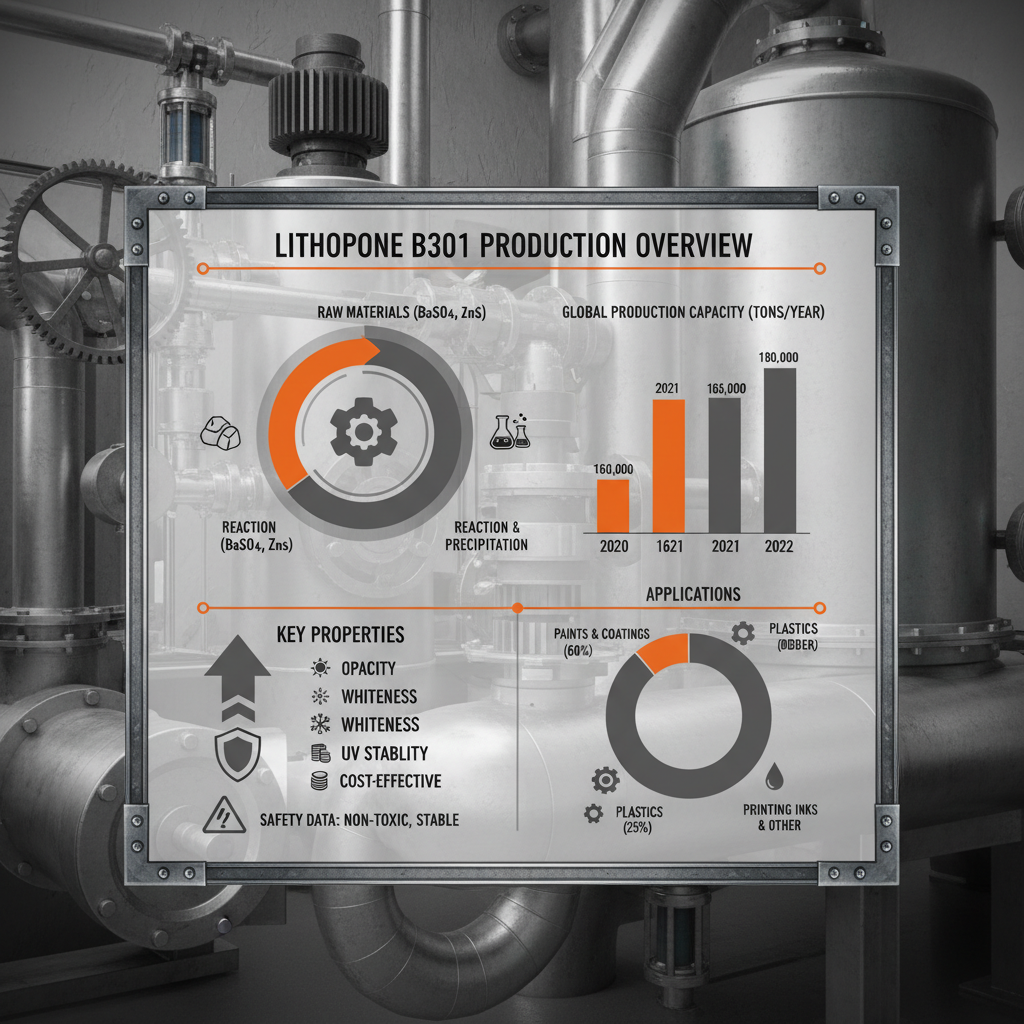
Currently, the paint and coatings industry represents the largest consumer of white pigments, accounting for over 60% of global consumption. However, the plastics, paper, and rubber industries also rely heavily on these materials. Lithopone pigment b301 competes directly with titanium dioxide, but its lower cost makes it a preferred choice for applications where peak whiteness is not the primary requirement.
A challenge facing the industry is the increasing focus on sustainability. Manufacturers are actively seeking pigments with lower carbon footprints and reduced reliance on scarce resources. While lithopone pigment b301 isn’t entirely without environmental considerations, its relatively simple production process and the abundance of its raw materials offer a degree of sustainability that some alternatives lack.
Defining Lithopone Pigment b301
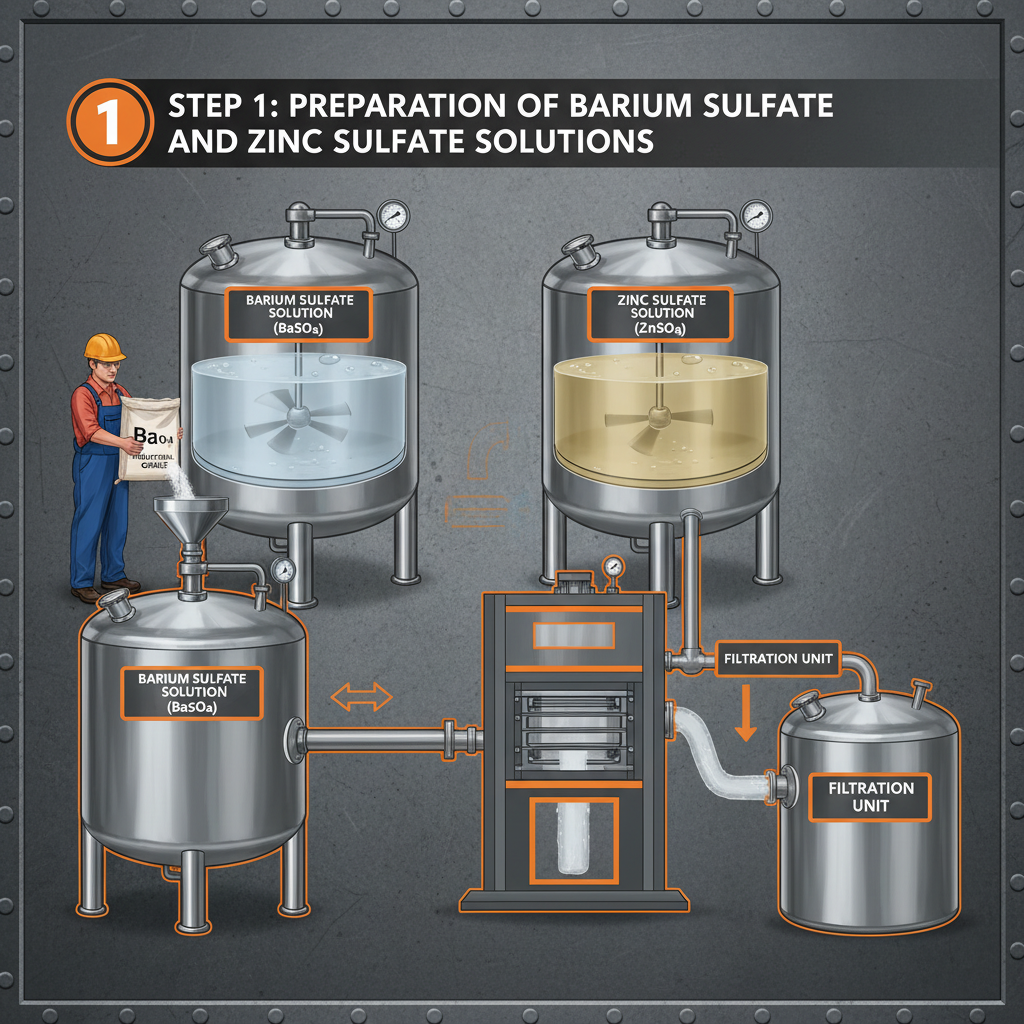
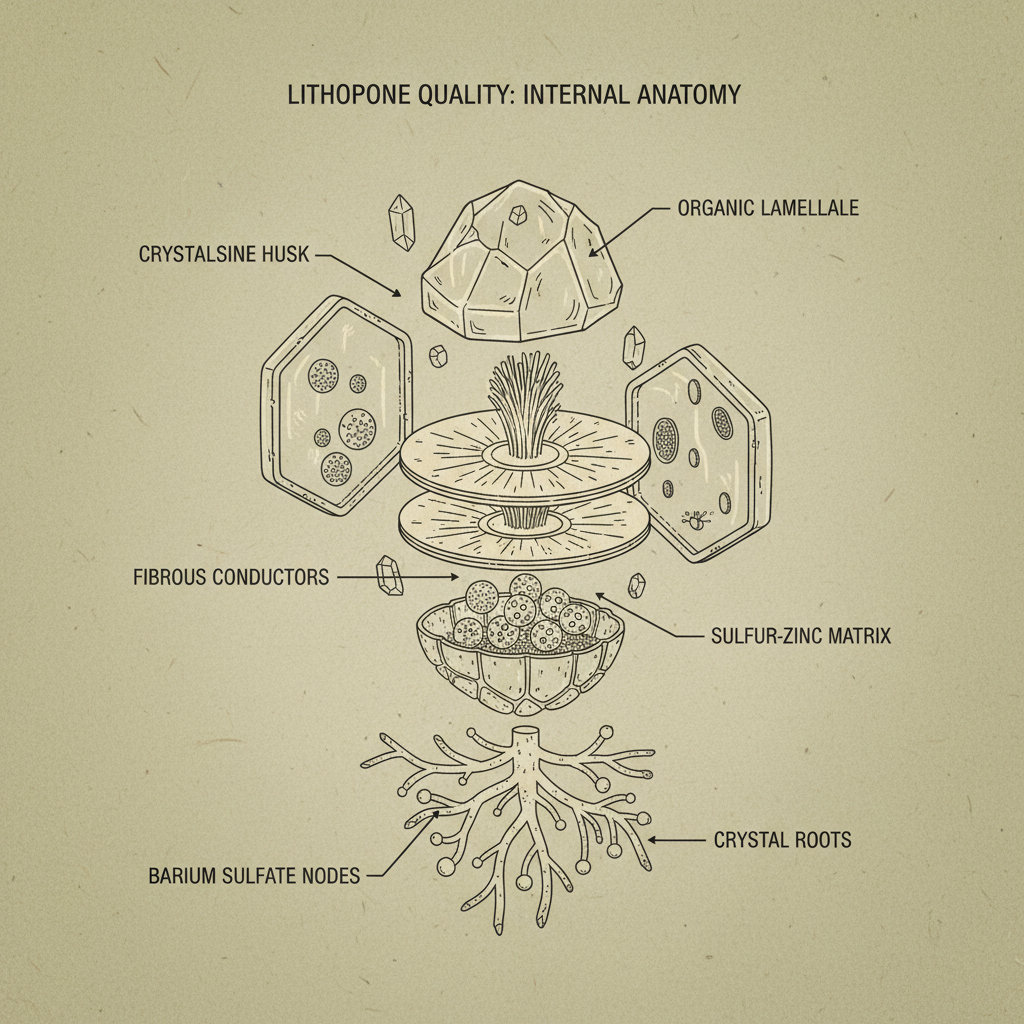
Lithopone pigment b301 is a composite inorganic pigment produced by chemically combining zinc sulfide (ZnS) and barium sulfate (BaSO4). The ideal ratio, closely guarded by manufacturers, typically involves a carefully controlled balance of these two compounds to achieve optimal opacity, dispersibility, and whiteness. The “b301” designation typically refers to a specific grade or manufacturing standard.
Its connection to modern industry lies in its ability to provide a bright, opaque white color at a significantly lower cost than titanium dioxide. This affordability makes it indispensable in applications like printing inks, plastic films, and lower-grade paint formulations where ultimate brilliance isn’t a necessity. It directly addresses the need for cost-effective coloring solutions in mass-produced goods.
Historically, lithopone was one of the first synthetic white pigments, predating titanium dioxide’s widespread adoption. It served as a crucial alternative to lead-based pigments, which were later found to be hazardous. This transition highlights lithopone pigment b301's role in improving industrial safety and public health.
Key Characteristics of Lithopone Pigment b301
One key characteristic of lithopone pigment b301 is its exceptional opacity. This stems from the difference in refractive indices between zinc sulfide and barium sulfate, which effectively scatter light, providing excellent hiding power. This is crucial in applications where covering underlying surfaces is paramount.
Another important aspect is its good dispersibility in various mediums, including water, solvents, and polymers. Proper dispersion is vital for achieving consistent color and avoiding pigment settling or agglomeration. Well-dispersed lithopone pigment b301 results in a smoother, more uniform finish.
Lithopone Pigment b301 Property Comparison
Applications Across Industries
Lithopone pigment b301 finds extensive use in the paint industry, serving as a cost-effective white pigment in both interior and exterior coatings, particularly in emulsion paints. Its ability to provide good coverage and reasonable durability makes it a popular choice for architectural applications.
In the plastics sector, it is used to impart whiteness and opacity to PVC, polyethylene, and polypropylene products. This includes applications like plastic pipes, films, and molded items where a bright, clean appearance is desired. The pigment also aids in UV protection, extending the lifespan of plastic products.
Benefits and Long-Term Value
The primary benefit of using lithopone pigment b301 is its cost-effectiveness compared to titanium dioxide. This allows manufacturers to reduce production costs without significantly compromising product quality, resulting in higher profit margins. This cost advantage extends to logistics and transportation, further reducing the overall financial burden.
Beyond cost, lithopone pigment b301 offers a degree of sustainability. Its raw materials are relatively abundant, and its manufacturing process, while not without its environmental considerations, is simpler than that of some other white pigments. This contributes to a reduced environmental footprint and supports responsible manufacturing practices.
Future Trends and Innovation
Current research focuses on enhancing the performance characteristics of lithopone pigment b301 through surface modifications and nanoparticle technologies. These innovations aim to improve its weather resistance, dispersibility, and overall durability, bringing it closer to the performance level of titanium dioxide.
Furthermore, advancements in green chemistry are exploring more sustainable manufacturing processes for lithopone pigment b301. This includes reducing waste generation, minimizing energy consumption, and utilizing renewable resources. The integration of digital process control and automation is also expected to optimize production efficiency and product consistency.
The trend towards circular economy principles is also influencing pigment development. Exploring methods for recovering and repurposing lithopone pigment b301 from end-of-life products is gaining traction, contributing to a more sustainable and resource-efficient industry.
Lithopone Pigment b301 Performance Assessment
| Application Area |
Cost-Effectiveness (1-10) |
Durability Rating (1-10) |
Environmental Impact (Low-High) |
| Interior Paints |
9 |
6 |
Medium |
| PVC Plastics |
8 |
7 |
Medium |
| Paper Coatings |
7 |
5 |
Low |
| Exterior Coatings |
6 |
4 |
Medium |
| Printing Inks |
8 |
6 |
Low |
| Rubber Products |
7 |
5 |
Medium |
FAQS
Lithopone pigment b301 is widely used as a white pigment in paints, plastics, paper, and rubber industries. Its cost-effectiveness makes it ideal for applications where peak whiteness is not critical, such as interior paints, PVC products, and printing inks. It also enhances opacity and coverage in these materials, providing a cost-efficient alternative to titanium dioxide where full brightness isn’t a necessity.
While not entirely without environmental impact, lithopone pigment b301 offers certain advantages. Its raw materials (zinc sulfide and barium sulfate) are relatively abundant, and its production process is simpler than some alternatives like titanium dioxide. Current research focuses on further minimizing its environmental footprint through greener manufacturing processes and exploring methods for pigment recovery and reuse.
Lithopone pigment b301 is significantly more cost-effective than titanium dioxide. This price difference is a major driver for its adoption in applications where high brightness isn’t a primary requirement. While titanium dioxide offers superior whiteness and durability, lithopone pigment b301 provides a viable alternative for manufacturers seeking to reduce production costs.
The typical particle size of lithopone pigment b301 usually ranges from 1 to 3 microns. Achieving the right particle size distribution is crucial for optimal dispersion and opacity. Manufacturers carefully control this parameter during the production process to ensure consistent performance in various applications.
Lithopone pigment b301 can be used in some exterior applications, but its durability and weather resistance are lower than those of titanium dioxide. It’s typically recommended for less demanding exterior uses or when combined with stabilizers and UV absorbers to improve its performance. Its use in exterior applications requires careful formulation and testing.
Lithopone pigment b301 is a mixture of zinc sulfide (ZnS) and barium sulfate (BaSO4). The specific ratio of these two compounds varies depending on the manufacturer and desired properties. Typically, it's around 50-70% barium sulfate and 30-50% zinc sulfide. This unique combination provides the pigment’s characteristic opacity and dispersibility.
Conclusion
In conclusion, lithopone pigment b301 remains a vital and versatile white pigment, offering a compelling balance of cost-effectiveness, performance, and increasingly, sustainability. Its wide range of applications across diverse industries highlights its enduring relevance in a constantly evolving market. Understanding its characteristics and limitations empowers manufacturers to make informed decisions and optimize product formulations for specific needs.
Looking ahead, continued innovation in manufacturing processes and surface modifications will unlock even greater potential for lithopone pigment b301. The focus on green chemistry and circular economy principles will further enhance its appeal as a responsible and sustainable pigment solution. For more information on lithopone pigment b301 and its applications, visit our website: www.cqtitaniumdioxide.com.