Lithopone for ink represents a fascinating convergence of material science and artistic expression, offering a unique white pigment option for various printing applications. Historically, achieving a brilliant, opaque white in inks has been a significant challenge. Lithopone, a blend of zinc sulfide and barium sulfate, provides a cost-effective alternative to titanium dioxide in specific ink formulations, particularly where UV resistance isn’t paramount. Understanding its properties and applications is crucial for printers, artists, and manufacturers seeking versatile and economical pigment solutions.
The global demand for printing inks continues to rise, driven by packaging, publishing, and increasingly, functional printing. While titanium dioxide remains the dominant white pigment, concerns around cost fluctuations and potential environmental impacts are driving exploration of alternatives. Lithopone for ink addresses these concerns by offering a readily available and generally more affordable option. According to industry reports, the demand for specialized pigments like lithopone is projected to grow steadily in emerging markets where cost-effectiveness is a key factor.
However, it's important to note that the suitability of lithopone depends heavily on the application. Factors like print substrate, desired durability, and exposure to ultraviolet light play a significant role in determining whether lithopone is a viable choice. This makes a thorough understanding of its characteristics and limitations essential for successful implementation.
Introduction to Lithopone for Ink
Lithopone for ink serves as a valuable alternative white pigment in the printing industry, offering a balance of opacity, cost-effectiveness, and ease of dispersion. It’s particularly useful in applications where the highest level of UV resistance isn’t required, such as interior signage, paper printing, and certain packaging materials.
The utilization of lithopone isn't new; its development dates back to the early 20th century. However, ongoing research into particle size control and surface treatments continues to refine its performance, making it a relevant option even with the dominance of titanium dioxide. This makes it an important consideration for formulators looking to optimize ink properties and cost.
Defining Lithopone for Ink
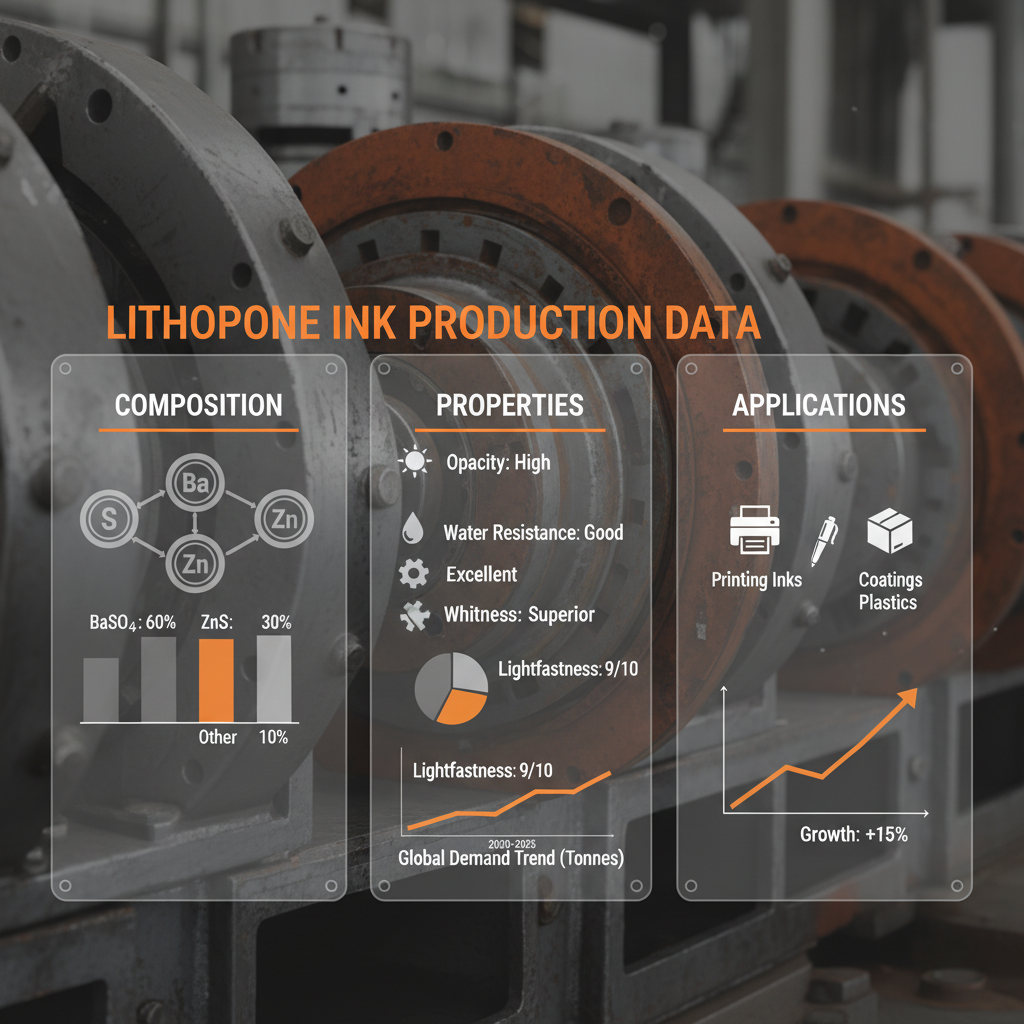
Lithopone for ink is a composite pigment comprised primarily of zinc sulfide (ZnS) and barium sulfate (BaSO₄). It’s not a naturally occurring substance, but rather a synthetically produced powder designed to provide a bright white color and good opacity in various ink systems. The specific ratio of zinc sulfide to barium sulfate can vary depending on the desired properties, influencing factors like refractive index and dispersion characteristics.
Unlike titanium dioxide, which is known for its exceptional hiding power and UV stability, lithopone’s opacity is achieved through a different mechanism – a combination of light scattering from both components. This results in a slightly warmer white tone compared to titanium dioxide’s cooler, brighter white.
Its connection to modern industry lies in its ability to meet the demand for affordable white pigments, particularly in applications where high performance isn’t critical. This makes it a key ingredient in inks used for printing newspapers, magazines, packaging, and various other commercial applications.
Core Components of Lithopone for Ink
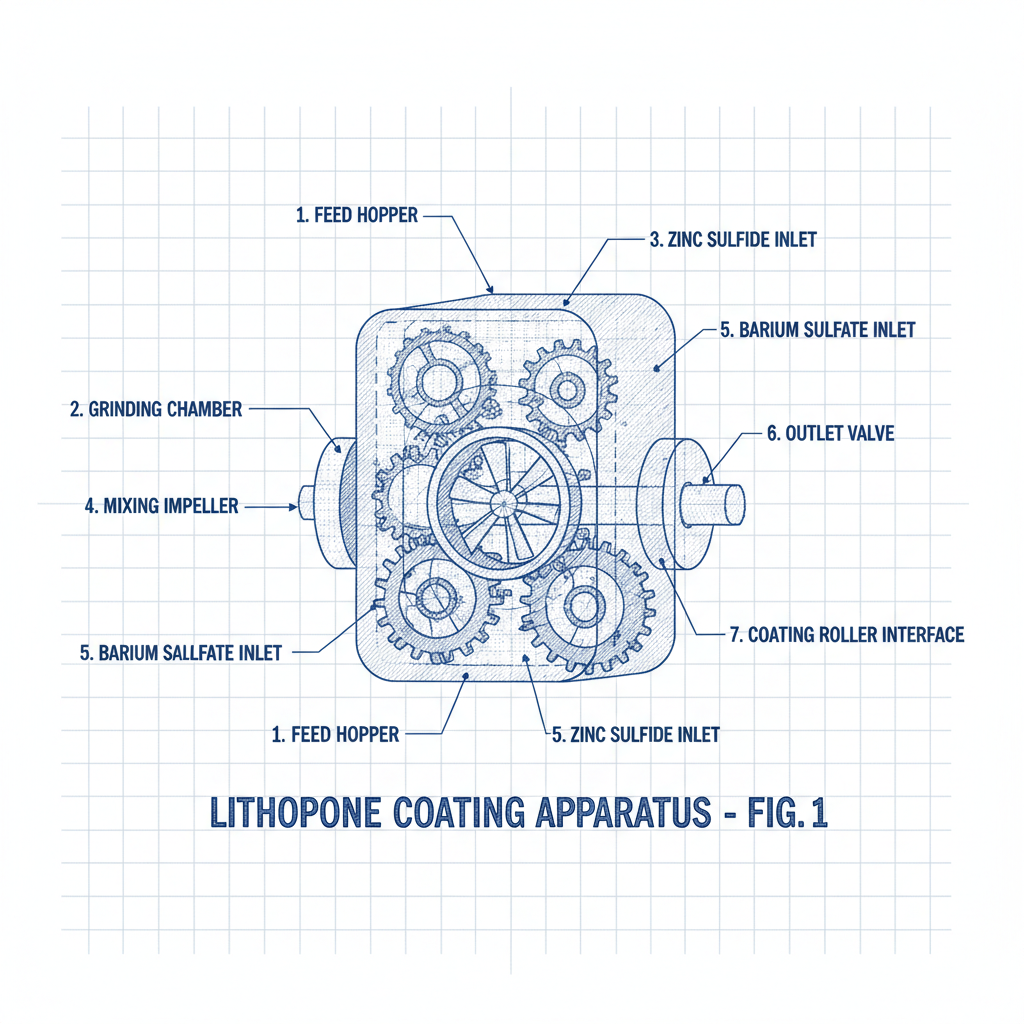
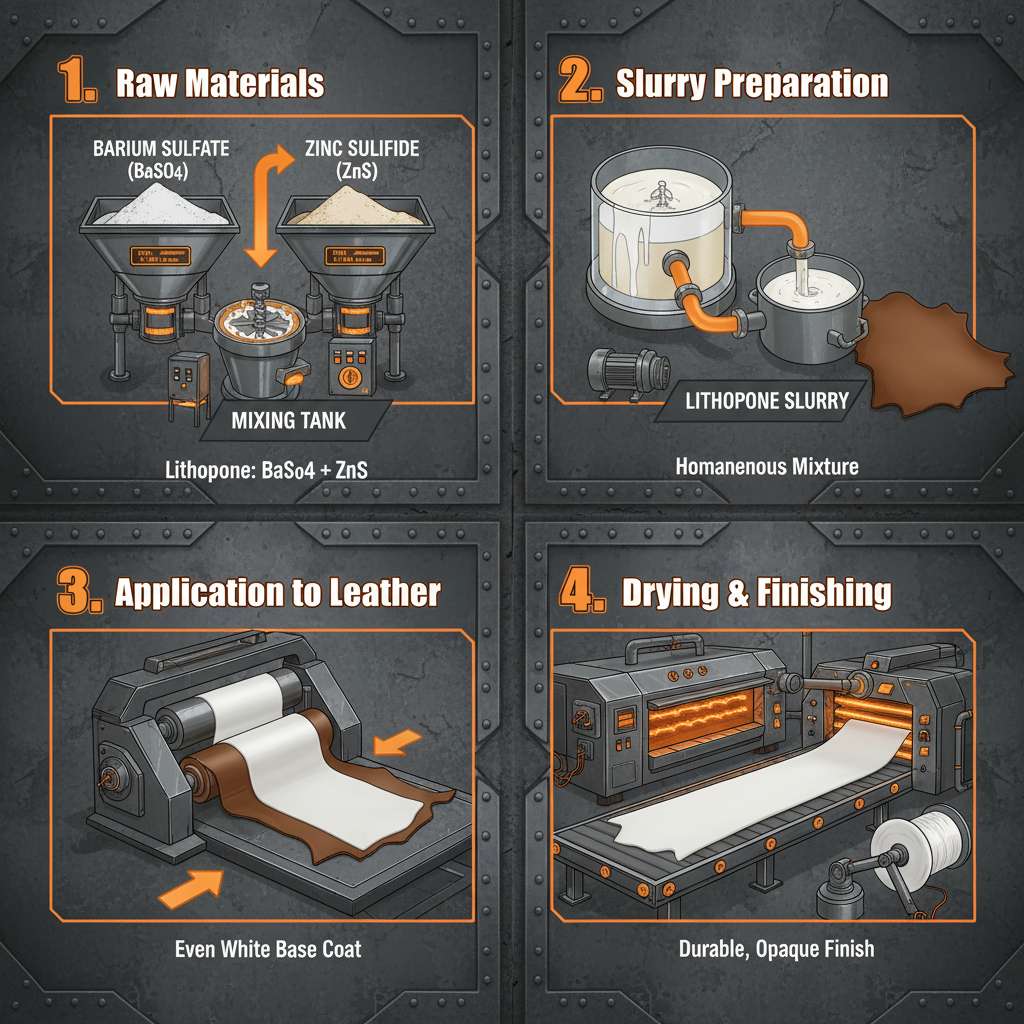
The composition of lithopone for ink—zinc sulfide and barium sulfate—is crucial to its properties. Zinc sulfide provides the initial whiteness and opacity, while barium sulfate acts as a diluent and improves the pigment's dispersion within the ink matrix. The quality and purity of these raw materials directly impact the final pigment’s performance characteristics.
Particle size distribution is another critical component. Finer particles generally lead to better opacity and improved dispersion, but can also increase the pigment’s cost. Manufacturers carefully control the manufacturing process to achieve an optimal particle size range that balances performance and cost-effectiveness. Surface treatments, such as the application of silanes or other organic coatings, can further enhance dispersion and compatibility with different ink systems.
The manufacturing process involves a chemical reaction between zinc sulfate, barium sulfide, and a reducing agent. The resulting precipitate is then carefully washed, dried, and milled to achieve the desired particle size and morphology. Quality control throughout this process is essential to ensure consistent pigment properties.
Key Factors in Lithopone for Ink Performance
Several factors contribute to the overall performance of lithopone for ink. Opacity is paramount, determining the pigment's ability to hide the underlying substrate. Dispersion is equally important, ensuring that the pigment particles are evenly distributed throughout the ink, preventing settling or agglomeration.
Chemical inertness is also crucial; lithopone should not react with other ink components, maintaining its stability and color over time. While not as UV resistant as titanium dioxide, some grades of lithopone are treated to improve their lightfastness.
Comparison of Lithopone for Ink Performance Metrics
Global Applications of Lithopone for Ink
Lithopone for ink finds widespread use in various printing applications globally. It’s commonly employed in the production of newspapers and magazines, particularly in regions where cost is a significant concern. The pigment’s ability to provide adequate opacity at a lower price point makes it attractive for high-volume printing operations.
It is also used in the manufacturing of packaging materials, such as cardboard boxes and paper bags, primarily for interior printing where UV exposure is limited. In some regions, it's utilized in the production of textile printing inks for certain applications. The demand is particularly strong in developing economies with growing printing industries.
Advantages of Using Lithopone for Ink
The primary advantage of using lithopone for ink is its cost-effectiveness. Compared to titanium dioxide, it's generally more affordable, making it an attractive option for manufacturers looking to reduce production costs without significantly compromising print quality. This cost advantage is particularly crucial in price-sensitive markets.
Lithopone also offers good dispersibility in many ink formulations, allowing for easy mixing and consistent color development. Its relative chemical inertness minimizes the risk of unwanted reactions with other ink components, ensuring long-term stability. It is a good choice for applications where moderate opacity and brightness are sufficient.
Additionally, lithopone can contribute to a slightly warmer white tone, which may be desirable for certain artistic or aesthetic purposes.
Future Trends in Lithopone for Ink Technology
Future trends in lithopone for ink technology focus on improving its performance characteristics, particularly its UV resistance and brightness. Researchers are exploring new surface treatments and particle size control techniques to enhance its durability and lightfastness.
The development of nano-sized lithopone particles is also gaining traction, offering the potential for even greater opacity and dispersion stability. Sustainability is another key driver, with efforts underway to develop more environmentally friendly manufacturing processes and reduce the environmental impact of the pigment.
Digital printing technologies and their increasing demand for specialized inks could also drive innovation in lithopone formulations, tailoring the pigment to meet the specific requirements of these evolving printing methods.
Summary of Factors Influencing Lithopone for Ink Selection
| Application Type |
Cost Sensitivity |
UV Exposure Level |
Required Opacity |
| Newspaper Printing |
High |
Low |
Moderate |
| Magazine Interior Pages |
Medium |
Low |
Moderate-High |
| Packaging (Interior) |
Medium-High |
Low |
Moderate |
| Textile Printing (Limited UV) |
Medium |
Low |
Moderate |
| Paper Bags |
High |
Low |
Moderate |
| Signage (Indoor) |
Medium |
Low |
Moderate-High |
FAQS
The main difference lies in cost, opacity, and UV resistance. Titanium dioxide offers superior opacity and UV resistance but is generally more expensive. Lithopone is more affordable but has lower opacity and UV stability, making it suitable for indoor or short-term applications. The white tone also differs, with lithopone being slightly warmer.
Generally, lithopone is not recommended for long-term outdoor signage printing due to its lower UV resistance. Prolonged exposure to sunlight can cause the pigment to degrade, leading to fading and discoloration. Titanium dioxide is the preferred choice for outdoor applications requiring durability and colorfastness.
Smaller particle sizes typically lead to higher opacity and improved dispersion, resulting in a smoother, more even print. However, very fine particles can increase the cost of the pigment. Manufacturers aim for an optimal particle size range that balances performance and affordability. Surface treatments also impact dispersion characteristics.
Lithopone is compatible with many common ink systems, including water-based, solvent-based, and oil-based inks. However, its compatibility can vary depending on the specific formulation. It's always recommended to test a small batch of ink with lithopone to ensure proper dispersion and stability before large-scale production.
Lithopone contains zinc and barium, so proper handling and disposal are crucial. Manufacturing processes are increasingly focused on minimizing waste and reducing environmental impact. Compared to some other pigments, lithopone’s production can be relatively energy-efficient, but responsible sourcing and waste management practices are essential.
Yes, lithopone is a significantly safer alternative to lead-based white pigments, which are highly toxic. Lead-based pigments have been largely phased out due to their environmental and health hazards. Lithopone provides a non-toxic option for achieving a white color in inks, although with some trade-offs in opacity and durability.
Conclusion
In conclusion, lithopone for ink remains a relevant and valuable white pigment option, particularly where cost-effectiveness and moderate performance are priorities. Its unique combination of properties—affordability, good dispersibility, and acceptable opacity—make it well-suited for a range of applications, including newspaper printing, packaging, and interior signage. While it doesn't match the performance of titanium dioxide in all areas, ongoing research and development continue to refine its capabilities.
Looking forward, innovations in particle size control, surface treatments, and manufacturing processes will further enhance the utility of lithopone. It will likely continue to play a crucial role in meeting the demand for affordable and versatile pigments, especially in emerging markets and applications where its specific characteristics align with the required performance criteria. To learn more about optimizing your ink formulations with lithopone, visit our website: www.cqtitaniumdioxide.com.