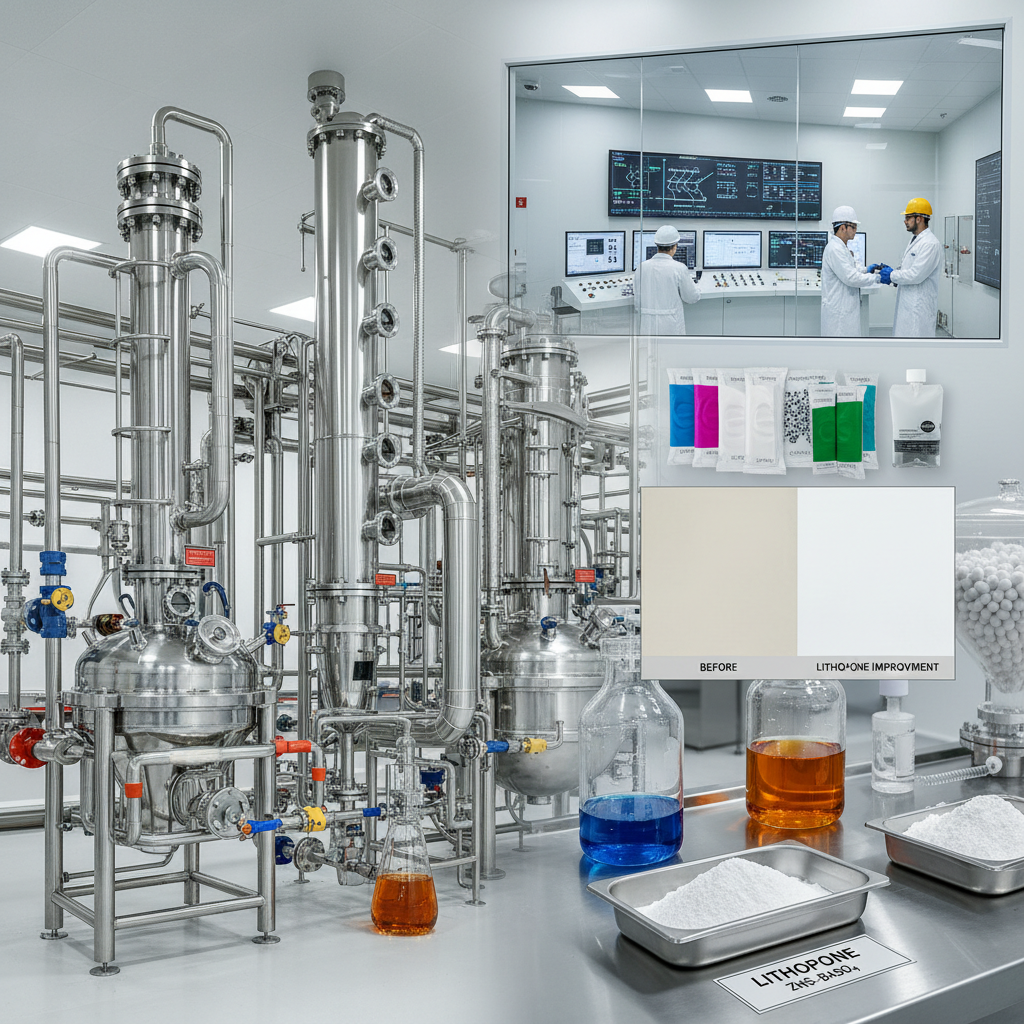
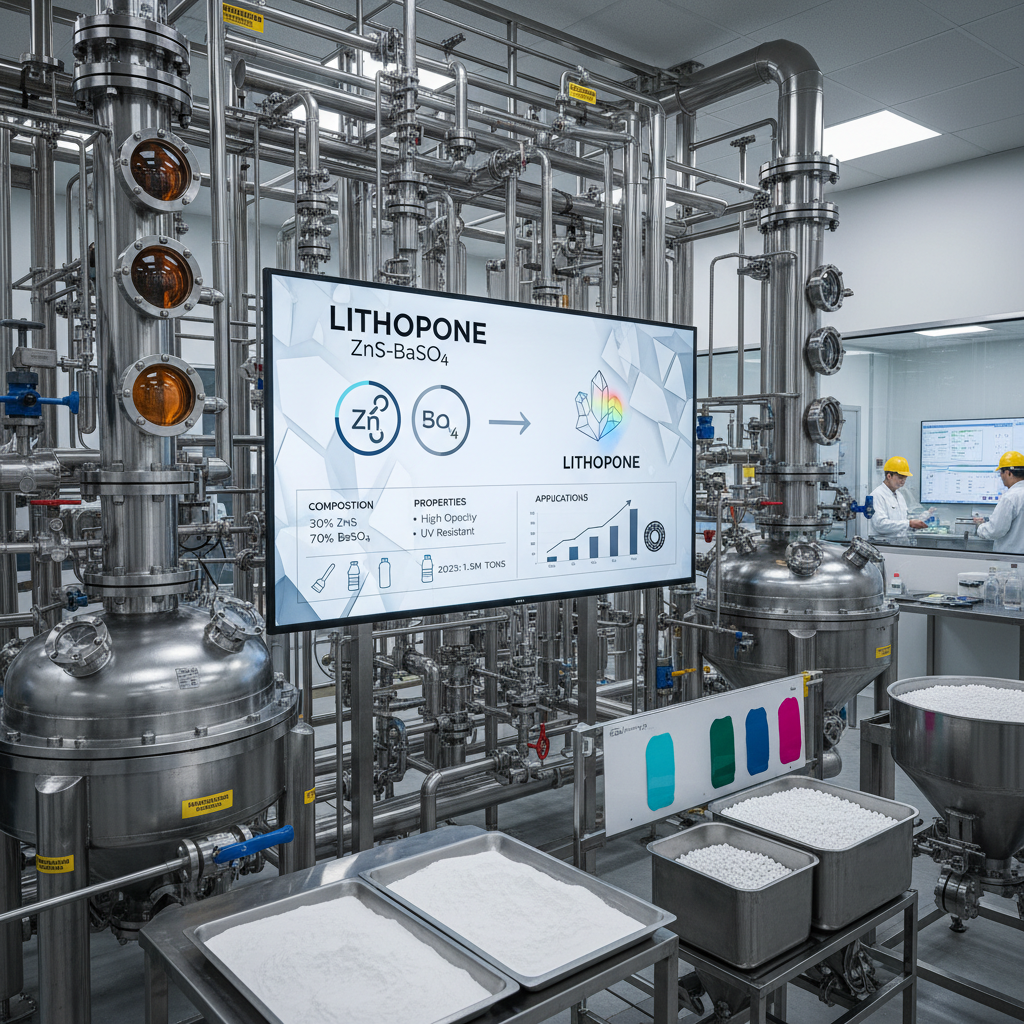
Lithopone, specifically the lithopone zns-baso4 compound, stands as a cornerstone in the inorganic pigment industry, offering a unique synergy between zinc sulfide (ZnS) and barium sulfate (BaSO4). As a white pigment, it provides an essential balance of opacity, brightness, and chemical stability, making it indispensable for a wide array of industrial coatings and plastics. Understanding its chemical composition is key to unlocking its efficiency in cost-effective pigment formulation.
Globally, the demand for high-quality white pigments has shifted towards materials that offer both durability and economic viability. The lithopone zns-baso4 mixture addresses the industry's need for a non-toxic, weather-resistant alternative to lead-based pigments, ensuring that architectural and automotive finishes maintain their integrity over time. Its ability to resist sulfur dioxide and other atmospheric pollutants makes it a strategic choice for outdoor applications.
For manufacturers and procurement specialists, mastering the technical nuances of lithopone zns-baso4 allows for the optimization of product performance while reducing raw material costs. By integrating this pigment into specific resin systems, companies can achieve a high-gloss finish and superior hiding power, ensuring that the final product meets stringent international quality standards for purity and reflectance.
Global Industrial Relevance of Lithopone ZnS-BaSO4
In the modern chemical landscape, lithopone zns-baso4 plays a pivotal role as a primary white pigment across emerging markets in Asia and established industrial zones in Europe. According to global trade patterns, the shift toward eco-friendly inorganic pigments has increased the reliance on zinc-based compounds that offer high refractive indices without the environmental hazards associated with heavy metals.
The global supply chain for lithopone zns-baso4 is heavily influenced by the availability of high-purity barium and zinc ores. As ISO standards for coating durability become more stringent, the industry has turned to refined lithopone to ensure that industrial primers and architectural paints can withstand extreme UV exposure and humidity, thereby extending the lifecycle of the coated substrates.
Technical Definition and Chemical Composition
At its core, lithopone zns-baso4 is a synergistic mixture of zinc sulfide (ZnS) and barium sulfate (BaSO4). While zinc sulfide provides the primary opacity and whiteness through light scattering, barium sulfate acts as an inert filler and stabilizer, enhancing the overall chemical resistance and reducing the overall cost of the pigment compared to pure titanium dioxide.
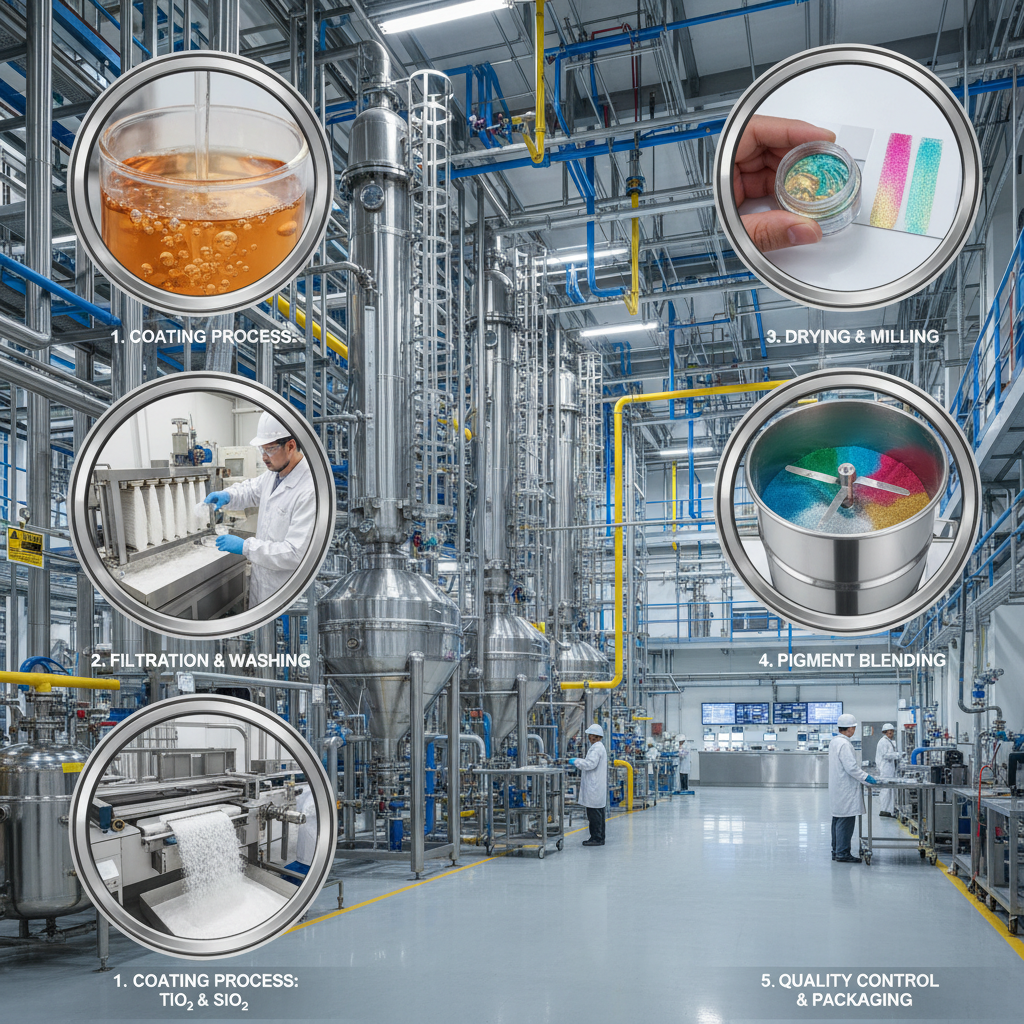
The manufacturing process involves the precipitation of zinc sulfide in the presence of barium sulfate, resulting in a fine white powder. This specific composition ensures that the pigment remains stable in various mediums, including oil, water, and solvent-based systems. The ratio between ZnS and BaSO4 is carefully calibrated to optimize the "hiding power," which is the ability of the paint to obscure the surface beneath it.
From a humanitarian and safety perspective, the adoption of lithopone zns-baso4 has been a significant upgrade over older, toxic lead-based white pigments. By providing a non-toxic alternative that does not compromise on visual quality, it has enabled the production of safer paints for indoor environments, schools, and healthcare facilities worldwide.
Core Performance Factors of the Pigment
One of the most critical factors of lithopone zns-baso4 is its exceptional chemical durability. Unlike some organic pigments that degrade under alkaline conditions, lithopone remains stable when mixed with cement or lime, making it an ideal choice for masonry paints and industrial floor coatings where chemical leaching is a concern.
Cost efficiency is another driving force behind the use of lithopone zns-baso4. By leveraging the inert properties of barium sulfate, manufacturers can achieve high volume and opacity without the high price tag of premium titanium dioxide, allowing for a balanced cost-to-performance ratio in large-scale infrastructure projects.
Furthermore, the scalability of lithopone zns-baso4 in production allows it to be integrated into a variety of product lines, from high-end automotive primers to basic rubber goods. Its fine particle size distribution ensures a smooth application and an even finish, which is essential for high-precision industrial manufacturing.
Comparative Efficiency in Industrial Applications
When evaluating the performance of lithopone zns-baso4, it is essential to look at its efficiency in terms of opacity and UV stability. While titanium dioxide is the gold standard for brightness, lithopone offers a softer, more natural white that is often preferred in certain plastic and rubber applications to avoid a "clinical" appearance.
The integration of lithopone zns-baso4 into hybrid pigment systems allows for a reduction in overall material costs while maintaining a level of opacity that meets industrial standards for primer coatings and filler layers.
Performance Metrics of Lithopone ZnS-BaSO4 Variants
Global Application Use Cases
In real-world industrial contexts, lithopone zns-baso4 is extensively used in the production of white paints for the automotive and maritime sectors. In remote industrial zones, such as shipyards in Southeast Asia, this pigment is preferred for its ability to resist saltwater corrosion and maintain opacity under harsh coastal conditions.
Beyond coatings, the pigment is vital in the rubber and plastics industry. For example, in the manufacturing of white PVC pipes and rubber seals used in construction, lithopone zns-baso4 provides the necessary coloration while ensuring that the material does not yellow over time, maintaining a professional and clean aesthetic for the end consumer.
Long-term Value and Sustainability Benefits
The long-term value of lithopone zns-baso4 lies in its combination of safety and reliability. By replacing hazardous heavy-metal pigments, it contributes to a safer working environment for factory employees and a healthier living space for residents of painted buildings. This shift toward non-toxic inorganic chemistry represents a commitment to sustainable industrialization.
From a logical business perspective, the use of lithopone reduces the volatility of raw material costs. Since it integrates barium sulfate—a widely available mineral—manufacturers are less susceptible to the price spikes often seen in the titanium dioxide market. This stability allows for more predictable pricing models for downstream clients.
Emotionally, the trust built by using a stable, time-tested pigment like lithopone zns-baso4 is invaluable. Whether it is a bridge in a bustling city or a warehouse in a rural area, the reliability of the finish reflects the quality and professionalism of the construction, fostering long-term trust between contractors and clients.
Future Trends and Technological Innovations
The future of lithopone zns-baso4 is being shaped by the drive toward "Green Chemistry." Researchers are currently focusing on reducing the energy consumption required for the precipitation process and implementing closed-loop water systems to eliminate waste during production. These innovations ensure that the pigment remains viable under strict new environmental regulations.
Digital transformation is also playing a role, with automation and AI-driven quality control systems allowing manufacturers to achieve unprecedented consistency in particle size. This precision ensures that every batch of lithopone zns-baso4 delivers the exact same opacity and brightness, reducing waste and rework in paint manufacturing.
Additionally, the development of hybrid nanocomposites is emerging. By blending lithopone zns-baso4 with other functional nanoparticles, the industry is creating "smart coatings" that not only provide color but also offer antimicrobial properties or self-cleaning capabilities, pushing the boundaries of traditional pigment utility.
Core Analysis of Lithopone ZnS-BaSO4 Industry Trends
| Innovation Dimension |
Current Standard |
Future Trend |
Expected Impact |
| Production Method |
Chemical Precipitation |
Low-Energy Synthesis |
Reduced Carbon Footprint |
| Particle Control |
Mechanical Milling |
AI-Controlled Sizing |
Higher Opacity Consistency |
| Environmental Goal |
Waste Management |
Zero-Liquid Discharge |
Full Regulatory Compliance |
| Application Field |
Standard Coatings |
Smart Nanocomposites |
Enhanced Material Function |
| Cost Structure |
Raw Material Based |
Value-Added Specialization |
Higher Profit Margins |
| Market Reach |
Regional Supply |
Global Integrated Logistics |
Faster Market Response |
FAQS
While Titanium Dioxide (TiO2) offers superior brightness and refractive index, lithopone zns-baso4 is a mixture of zinc sulfide and barium sulfate that provides a more cost-effective solution. It is often preferred for its softer white tone and better stability in alkaline environments, such as cement-based paints, where it prevents the "chalking" effect more efficiently than some TiO2 grades.
Yes, lithopone is widely regarded as a safe, non-toxic alternative to lead-based white pigments. Because it is composed of inorganic zinc sulfide and barium sulfate, it does not emit hazardous volatile organic compounds (VOCs) and is compliant with most international health and safety standards for indoor paints and coatings.
Barium sulfate (BaSO4) acts as an inert filler that enhances the chemical stability of the pigment. It ensures that the zinc sulfide does not react unfavorably with other additives in the paint formula. Furthermore, it helps in controlling the cost of the final product without significantly sacrificing the opacity or the "hiding power" of the coating.
Absolutely. Lithopone is an excellent choice for white PVC and rubber because of its thermal stability. It resists yellowing during the high-temperature extrusion and molding processes, ensuring that the final plastic or rubber product maintains a clean, bright white appearance throughout its service life.
The choice of grade depends on your required "hiding power" and budget. High-grade lithopone with a higher ZnS content provides better opacity and brightness, ideal for top-coats. Standard or economy grades with higher BaSO4 content are better suited for primers, undercoats, or filler layers where cost-efficiency is the priority.
Yes, one of the primary advantages of lithopone is its excellent weather resistance. The inorganic nature of the ZnS-BaSO4 compound means it does not break down easily under ultraviolet radiation, making it an ideal pigment for exterior paints and industrial coatings exposed to direct sunlight.
Conclusion
In summary, lithopone zns-baso4 remains a vital instrument in the inorganic pigment toolkit, bridging the gap between high-cost premium whites and low-performance fillers. Its unique combination of chemical stability, non-toxicity, and cost-efficiency ensures its continued relevance in automotive, architectural, and plastic industries. By optimizing the synergy between zinc sulfide and barium sulfate, manufacturers can achieve professional-grade finishes that are both sustainable and economically viable.
Looking forward, the integration of AI-driven production and green chemistry will only enhance the value proposition of lithopone. We suggest that procurement managers and chemists continue to explore hybrid pigment systems to maximize opacity while minimizing environmental impact. Embracing these innovations will ensure a future where industrial coatings are not only visually stunning but also ethically produced. Visit our website: www.cqtitaniumdioxide.com