Lithopone powder, a fascinating blend of zinc sulfide and barium sulfate, plays a surprisingly crucial role in a vast array of industries globally. Its unique properties – opacity, whiteness, and cost-effectiveness – make it an indispensable component in paints, plastics, paper, and even certain cosmetic applications. Understanding lithopone powder’s characteristics and applications is vital for professionals in manufacturing, materials science, and anyone involved in product development requiring a bright, opaque, and economical pigment.
The global demand for lithopone powder is steadily increasing, driven by growth in the construction, automotive, and packaging sectors, particularly in developing economies. According to market research reports, the Asia-Pacific region accounts for the largest share of lithopone powder consumption, owing to its booming industrial base. Addressing the need for consistent quality, sustainable sourcing, and innovative applications of this essential material is paramount to meet the evolving demands of the modern market.
This understanding isn’t merely academic; it’s economically significant. Lithopone powder represents a cost-effective alternative to titanium dioxide in many applications, bridging the gap between performance and affordability. Consequently, its efficient production and application can directly impact the bottom line for businesses and contribute to more accessible consumer products.
Introduction to Lithopone Powder
Lithopone powder’s enduring relevance stems from its unique combination of properties and economic viability. Its capacity to provide excellent opacity and whiteness at a fraction of the cost of other pigments has cemented its place in numerous industrial processes. From imparting brightness to paints and coatings to serving as a functional filler in plastics, lithopone powder’s versatility is undeniable.
The historical development of lithopone powder dates back to the early 20th century, as a cost-effective alternative to lead-based pigments. Over the years, refinements in its production processes have enhanced its performance and minimized environmental impact. Today, it continues to be a vital material, adapting to new applications and stringent quality standards.
Defining Lithopone Powder
Lithopone powder is an inorganic white pigment produced through a chemical process that combines barium sulfate (barite) and zinc sulfide. The resulting powder exhibits excellent hiding power, making it effective at obscuring underlying surfaces. It’s characterized by its fine particle size and consistent chemical composition, contributing to its stability and dispersibility.
Its connection to modern industry lies in its ability to provide brightness and opacity in a wide range of products without the toxicity concerns associated with older pigments like lead white. This makes it a safer and more environmentally conscious choice for manufacturers. It’s a cornerstone material for industries prioritizing both performance and responsible manufacturing practices.
In essence, lithopone powder is a carefully engineered composite material designed to deliver optimal optical properties and cost-effectiveness. It represents a triumph of chemical engineering, providing a viable and efficient solution for a multitude of industrial needs.
Core Components of Lithopone Powder
The key to lithopone powder’s performance lies in the synergistic interaction between its two primary components: barium sulfate and zinc sulfide. Barium sulfate contributes to the pigment’s opacity and chemical inertness, while zinc sulfide enhances its whiteness and refractive index. The precise ratio of these components, along with the particle size and morphology, dictates the final properties of the powder.
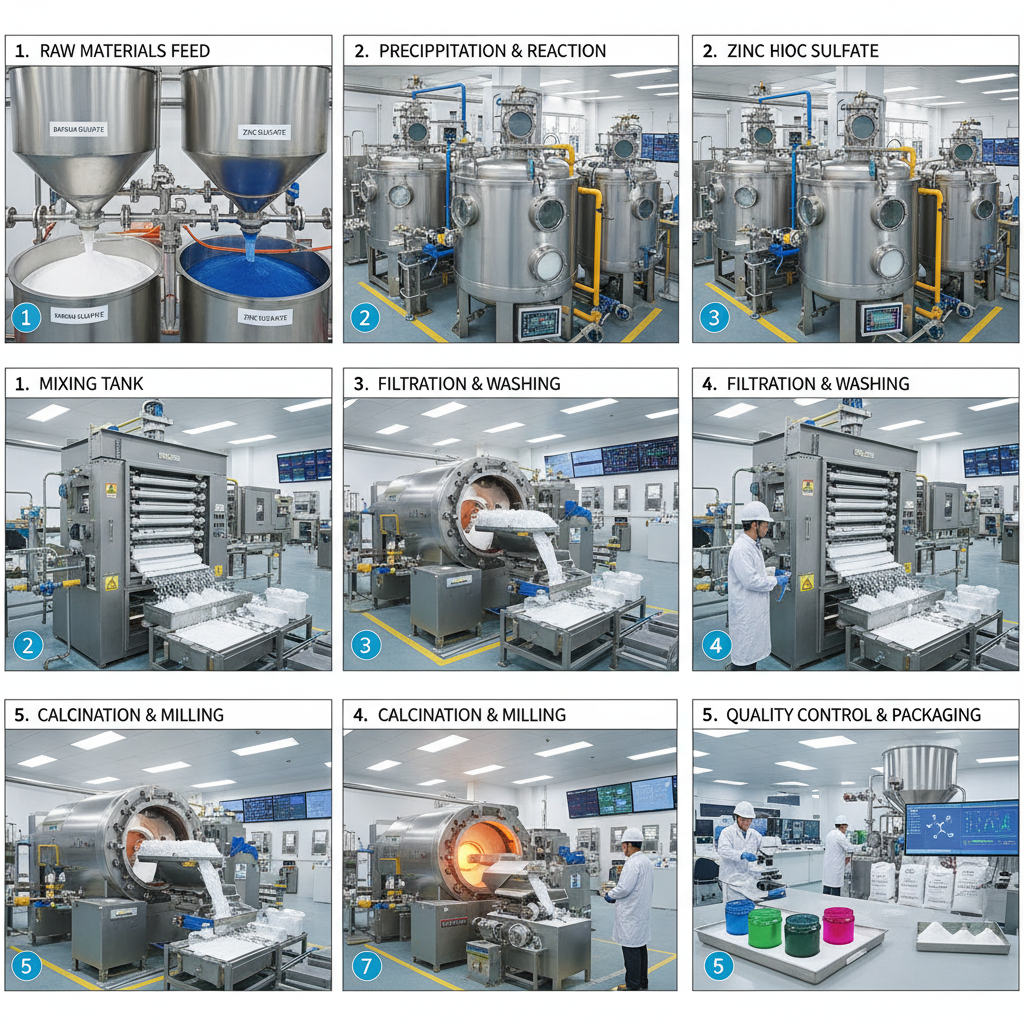
The manufacturing process itself is a critical factor. Typically, it involves precipitation of the zinc sulfide onto the barium sulfate particles, followed by surface treatment to improve dispersibility and compatibility with different media. This ensures that the lithopone powder integrates seamlessly into paints, plastics, and other formulations, providing consistent and reliable performance.
Another crucial component is the inclusion of additives – often surface coatings – that further enhance the powder’s characteristics. These additives can improve its resistance to weathering, enhance its gloss, or tailor its rheological properties for specific applications. This level of customization underscores the versatility of lithopone powder.
Global Applications of Lithopone Powder
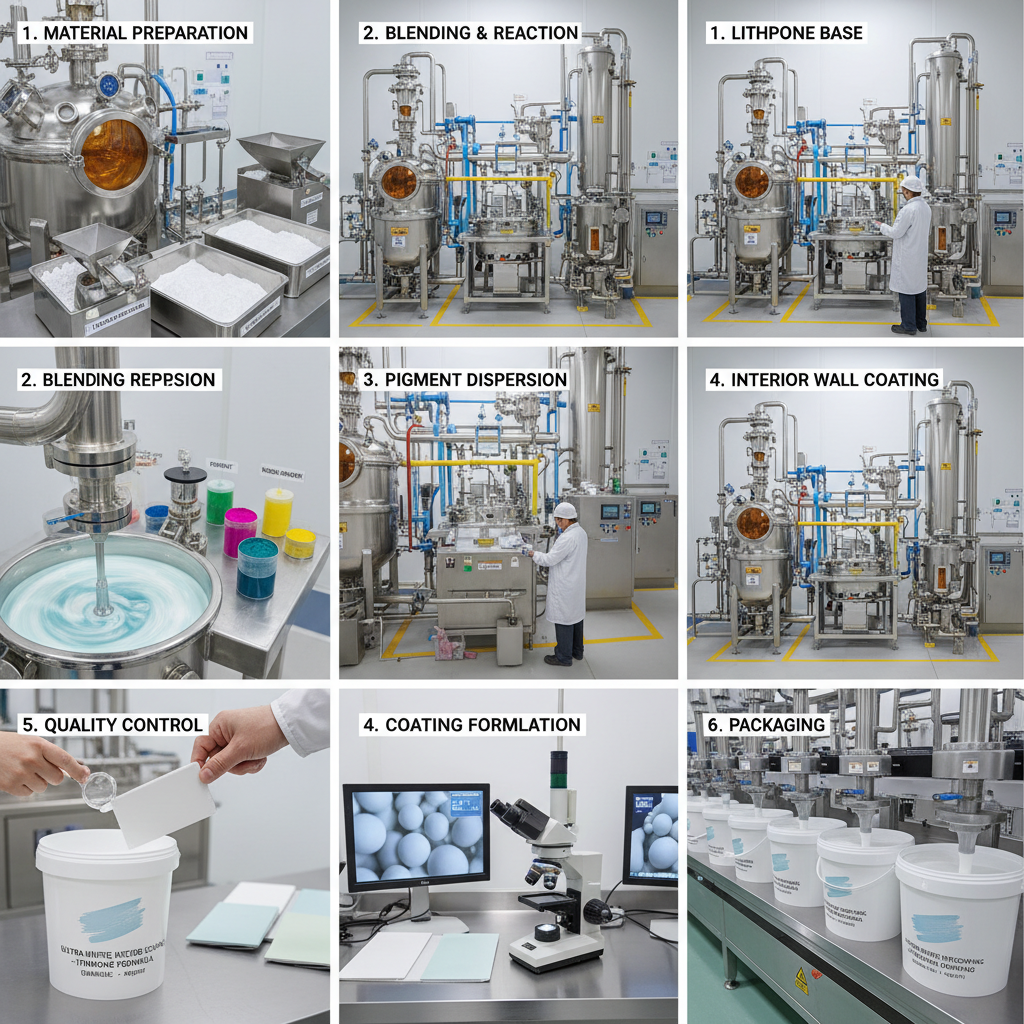
Lithopone powder finds widespread application across numerous industries. Primarily, it’s used as a pigment in paints and coatings, providing excellent opacity and whiteness in both interior and exterior applications. Its cost-effectiveness makes it particularly appealing in architectural coatings and industrial finishes.
Beyond paints, lithopone powder is a common filler in plastics, enhancing their opacity, rigidity, and dimensional stability. It's particularly valuable in PVC production, contributing to the manufacture of pipes, profiles, and various molded products. Furthermore, it’s utilized in the paper industry as a filler and coating pigment, improving brightness and printability.
Lithopone Powder Application Distribution
Advantages and Long-Term Value
The primary advantage of lithopone powder lies in its cost-effectiveness. It provides a comparable level of opacity and whiteness to titanium dioxide at a significantly lower price point, making it an attractive option for manufacturers seeking to reduce production costs without compromising quality. This affordability is particularly crucial in price-sensitive markets.
Beyond cost, lithopone powder offers excellent chemical stability and resistance to weathering, ensuring long-lasting performance in outdoor applications. Its consistent quality and ease of dispersion contribute to efficient manufacturing processes and reduce the risk of product defects. Choosing lithopone powder ultimately translates to tangible savings and enhanced product reliability.
Future Trends and Innovations
Ongoing research is focused on enhancing the performance characteristics of lithopone powder through advanced surface treatments and particle engineering. The goal is to improve its dispersibility, compatibility with different resins, and resistance to UV degradation, further expanding its application scope.
Sustainability is also a key driver of innovation. Researchers are exploring methods to utilize recycled barium sulfate and more environmentally friendly zinc sulfide sources in the production process, reducing the environmental footprint of lithopone powder. This aligns with the growing demand for sustainable materials and responsible manufacturing practices.
Challenges and Solutions
One of the key challenges associated with lithopone powder is its relatively lower tinting strength compared to titanium dioxide. This means that a larger amount of pigment is required to achieve the same level of color intensity. However, this can be mitigated through careful formulation and the use of appropriate dispersing agents.
Another challenge is the potential for yellowing over time, particularly in outdoor applications. This can be addressed through the incorporation of UV stabilizers and antioxidants into the pigment formulation. Furthermore, advancements in surface treatment technologies are continuously improving the long-term color stability of lithopone powder.
Addressing these challenges through ongoing research and development will ensure that lithopone powder remains a viable and competitive pigment for a wide range of applications.
Frequently Asked Questions Regarding Lithopone Powder
| Application |
Cost Comparison |
Environmental Impact |
Performance Characteristics |
| What are the primary uses of lithopone powder? |
How does the cost of lithopone powder compare to titanium dioxide? |
Is lithopone powder considered an environmentally friendly pigment? |
What are the key differences in performance between lithopone and titanium dioxide? |
| Can lithopone powder be used in exterior paints? |
What is the typical lifespan of products containing lithopone powder? |
What regulations govern the production and use of lithopone powder? |
How does particle size affect the properties of lithopone powder? |
| What types of plastics are compatible with lithopone powder? |
Does the cost of lithopone powder fluctuate based on market conditions? |
Are there any ongoing efforts to make lithopone powder more sustainable? |
What surface treatments are commonly applied to lithopone powder? |
| Is lithopone powder safe for use in cosmetic products? |
What is the minimum order quantity for purchasing lithopone powder? |
How does lithopone powder compare to other white pigments in terms of UV resistance? |
What is the typical particle size distribution of lithopone powder? |
| How is lithopone powder dispersed effectively in paint formulations? |
Are there any bulk discounts available for large orders of lithopone powder? |
What is the carbon footprint associated with the production of lithopone powder? |
What is the refractive index of lithopone powder? |
| What quality control measures are in place during lithopone powder production? |
What are the shipping costs associated with delivering lithopone powder? |
How does lithopone powder contribute to the circular economy? |
What is the surface area of lithopone powder particles? |
FAQs
Lithopone powder's versatility shines through in its wide-ranging applications. It's a staple pigment in paints, providing opacity and brightness. It's also used as a functional filler in plastics, paper, and even certain rubber products. In some formulations, it finds application in cosmetics, though its use is carefully regulated. Its cost-effectiveness makes it a favorite in numerous industries.
Lithopone powder generally offers a significant cost advantage over titanium dioxide. While titanium dioxide boasts superior tinting strength, lithopone provides comparable opacity at a lower price point. This makes it an attractive alternative for applications where peak color intensity isn’t paramount, and cost savings are crucial. The price difference can vary depending on market fluctuations and purity levels.
Lithopone powder’s environmental profile is moderate. While it doesn't contain heavy metals like some older pigments, its production does involve chemical processes and resource consumption. However, manufacturers are increasingly focusing on sustainable sourcing of raw materials and minimizing waste. Research into recycled barium sulfate sources is also underway, further enhancing its eco-friendliness.
Titanium dioxide generally offers superior tinting strength, UV resistance, and durability compared to lithopone powder. However, lithopone provides excellent opacity and whiteness at a lower cost. It also has good chemical stability. The choice between the two depends on the specific application requirements and budget constraints. Formulations can often be optimized to leverage the strengths of both.
Yes, lithopone powder can be used in exterior paints, but it’s crucial to incorporate appropriate UV stabilizers and protective additives. Without these, it may be susceptible to yellowing or chalking over time due to prolonged exposure to sunlight. Modern formulations employing these additives can significantly enhance its weather resistance and ensure long-lasting performance in outdoor applications.
The lifespan of products containing lithopone powder varies depending on the application and environmental conditions. In interior paints and plastics, it can last for many years. Exterior applications may require more frequent recoating or replacement, particularly in harsh climates. However, with proper formulation and maintenance, products containing lithopone can offer excellent durability and longevity.
Conclusion
Lithopone powder remains a critical pigment and filler across a diverse range of industries, offering a compelling balance of cost-effectiveness, opacity, and stability. From paints and coatings to plastics and paper, its versatility and consistent performance have solidified its position as a valuable material. Continued innovation in production techniques and surface treatments promise to further enhance its properties and expand its applications.
Looking ahead, a focus on sustainability and responsible sourcing will be paramount. Exploring alternatives to conventional raw materials and minimizing the environmental impact of its production will ensure the long-term viability of lithopone powder. For businesses seeking a reliable, economical, and adaptable pigment solution, lithopone powder presents a compelling choice. Visit our website at www.cqtitaniumdioxide.com to learn more about our lithopone powder products and services.