You know, I've been running around construction sites all year, getting my hands dirty, and honestly, the biggest buzz lately is all this talk about prefabrication. Everyone’s trying to build more off-site, ship it in, and assemble it quickly. It’s supposed to be the future, right? Less waste, faster builds… but it’s not always as smooth as the sales brochures make it seem. Have you noticed? Everything is always ‘optimised’ on paper.
I’m telling you, the devil’s in the details. People get so caught up in the big picture – the BIM models, the logistics – they forget about the actual nuts and bolts. Like, designing a connector that looks great in CAD, but a guy with gloves on in November can't actually get his wrench around. That’s a real headache. And it always seems to be the little things that trip you up.
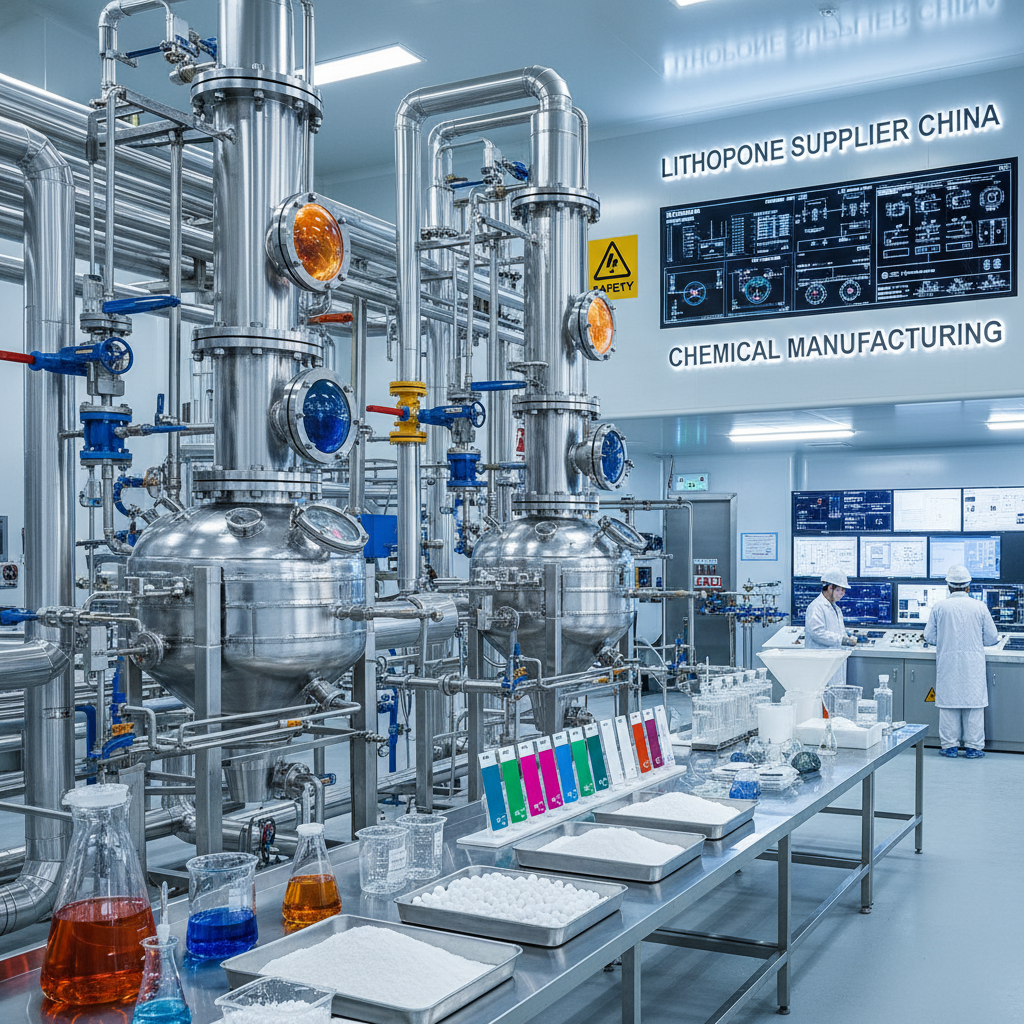
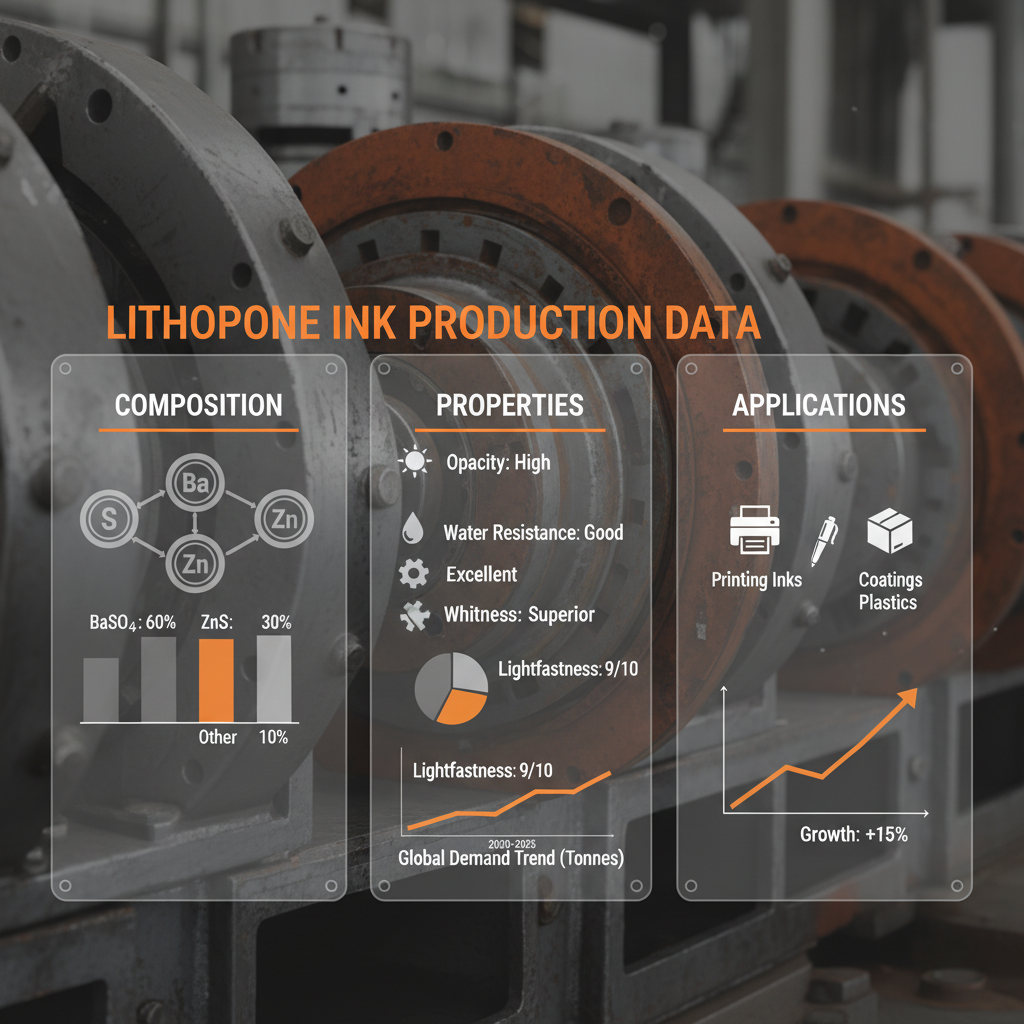
We work a lot with lithopone. Specifically, we’ve been using a new grade with a higher barium sulfate content. It’s… different. Not like the old stuff. The old lithopone, you could tell just by the smell – a kind of chalky, almost metallic scent. This new stuff is almost odorless, which is good I guess. It feels… smoother, finer. Which is good for pigment dispersion in our exterior panels. We mix it right on site with acrylic resins to give the panels their white base. Used to be, you’d get dust everywhere, even with a respirator. This stuff, it’s less of a nuisance. But you still need to be careful, it's a fine powder.
To be honest, I'm seeing a lot of designs that are over-engineered. They try to solve problems that don’t really exist. Strangel,y, I encountered this at a factory in Dongguan last time. They were using a five-axis milling machine to create a perfectly smooth, curved edge on a panel. Why? For aesthetics. But on-site, that edge gets covered in sealant anyway! It’s wasted effort, wasted money.
And it’s the same with materials. Everyone wants the latest, greatest, most expensive stuff. But sometimes the old stuff works just fine. Lithopone, for example. It’s not glamorous. It doesn’t have a fancy marketing campaign. But it’s reliable, it’s cost-effective, and it does the job. You need a white pigment that’s durable, resistant to UV, and doesn’t break the bank? Lithopone is still a strong contender. Anyway, I think a lot of designers forget that.
The lifespan really depends on the environment and the quality of the formulation, but generally, a well-applied lithopone coating should last between 5 and 10 years before significant fading or chalking occurs. We've seen some installations in milder climates last even longer. Proper surface preparation and a good UV stabilizer are key, of course. We always recommend a test patch first, just to be sure.
That’s a good question. Titanium dioxide mining has some environmental concerns, while lithopone uses zinc sulfide and barium sulfate, which have less of a footprint. However, the production of zinc sulfide does require careful handling of hydrogen sulfide gas, which is toxic. It’s a trade-off. Both materials are considered relatively safe for use in coatings when handled properly. It's about responsible sourcing and production.
It can be used in interior paints, but it’s less common. The slightly lower brightness compared to titanium dioxide isn't ideal for interiors where you want a really bright, clean white. But for certain applications, like primers or undercoats, it can be a cost-effective option. It really depends on the desired aesthetic and performance characteristics.
Definitely wear a respirator. It’s a fine powder, and you don’t want to be breathing it in. Gloves and eye protection are also a good idea. Lithopone isn't highly toxic, but prolonged exposure can cause irritation. And keep it away from open flames – it’s not flammable, but it can release sulfur dioxide if heated, which is nasty stuff. Basically, treat it like any other industrial powder.
No, not necessarily. It works best with acrylics and alkyds. Epoxies and polyurethanes can be tricky – you often need a dispersing agent to prevent clumping and ensure a smooth finish. Water-based paints can also be problematic. Always do a small-scale test batch to check for compatibility before mixing a large quantity. Compatibility charts from the binder manufacturer are a good place to start.
Keep it in a cool, dry place, in a tightly sealed container. Exposure to moisture and air can cause clumping and reduce its performance. We recommend storing it on pallets to keep it off the floor and improve air circulation. And don't stack the bags too high – you don’t want them collapsing. Simple stuff, but it makes a difference.
So, there you have it. Lithopone isn't a flashy material, but it's a workhorse. It’s a cost-effective, reliable pigment that still has a lot to offer, especially in applications where brightness isn’t the top priority. It's been around for ages, and it's not going anywhere soon. The industry’s chasing the latest tech, but sometimes the old stuff just gets the job done, and does it well.
Ultimately, whether this thing works or not, the worker will know the moment he tightens the screw. And if they're happy, and the building stands, then we've done our job. That’s all that really matters. If you'd like to learn more about lithopone and its applications, visit our website: www.cqtitaniumdioxide.com