Look, I’ve spent the last fifteen years breathing concrete dust and getting to know every quirk of building materials. I’ve seen trends come and go, but one thing remains constant: the need for reliable, cost-effective pigments. And that’s where lithopone – specifically, the stuff coming out of a good lithopone factory in china – comes in. It’s not flashy, it’s not the newest ‘miracle’ additive, but it’s a workhorse. We rely on it for a lot more than just paint, you know? It’s about getting the job done right, on time, and within budget.
I've seen too many projects delayed because of supply chain issues or inconsistent material quality. That's why sourcing from a robust lithopone factory in china is crucial. They've scaled up, they've invested in quality control, and they understand the demands of large-scale construction. It used to be you’d get a batch and pray it matched the last one. Now, with the right supplier, you can actually depend on consistency.
Frankly, it's a material you just can't ignore. From extending titanium dioxide to creating durable coatings, knowing your lithopone is a fundamental part of managing a project. I’ve seen firsthand how it can improve the longevity of structures and the quality of finishes. It’s not about being fancy, it’s about being smart.
Understanding Lithopone Production in China
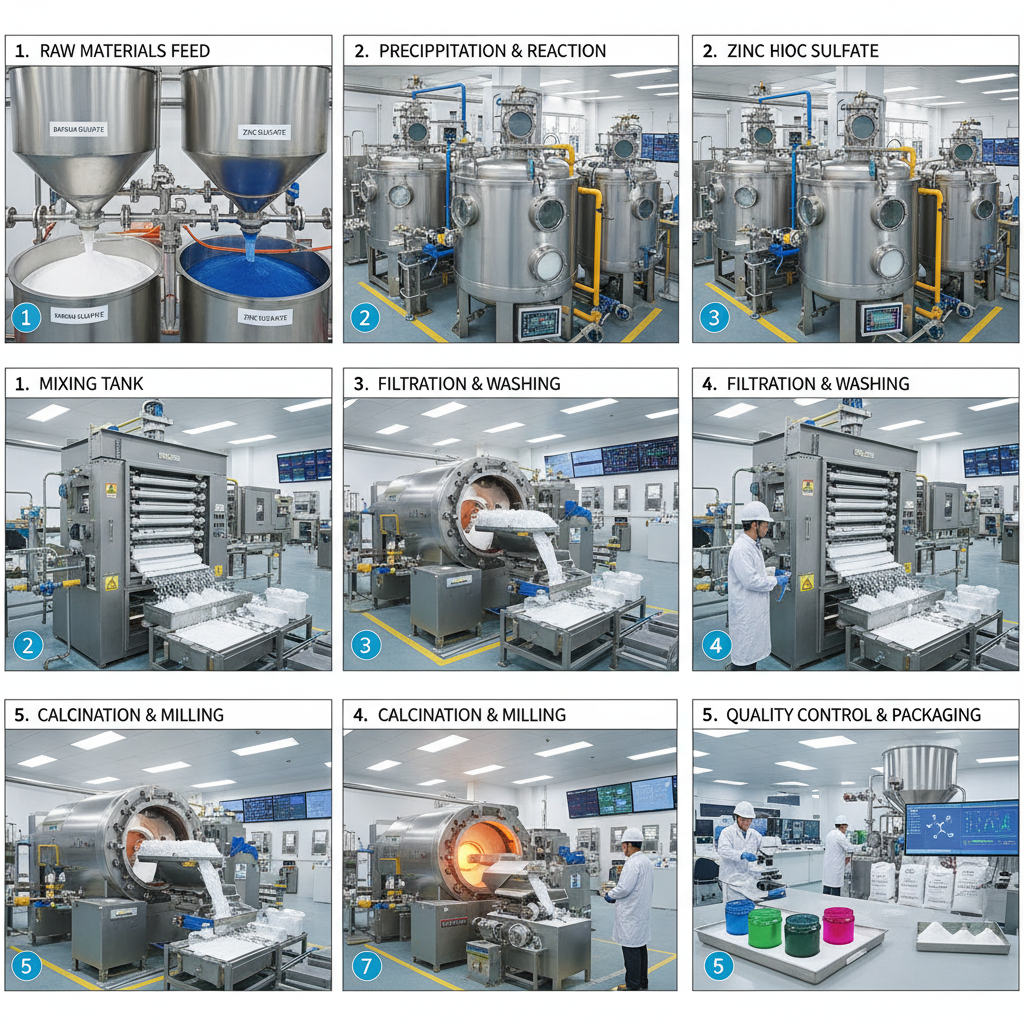
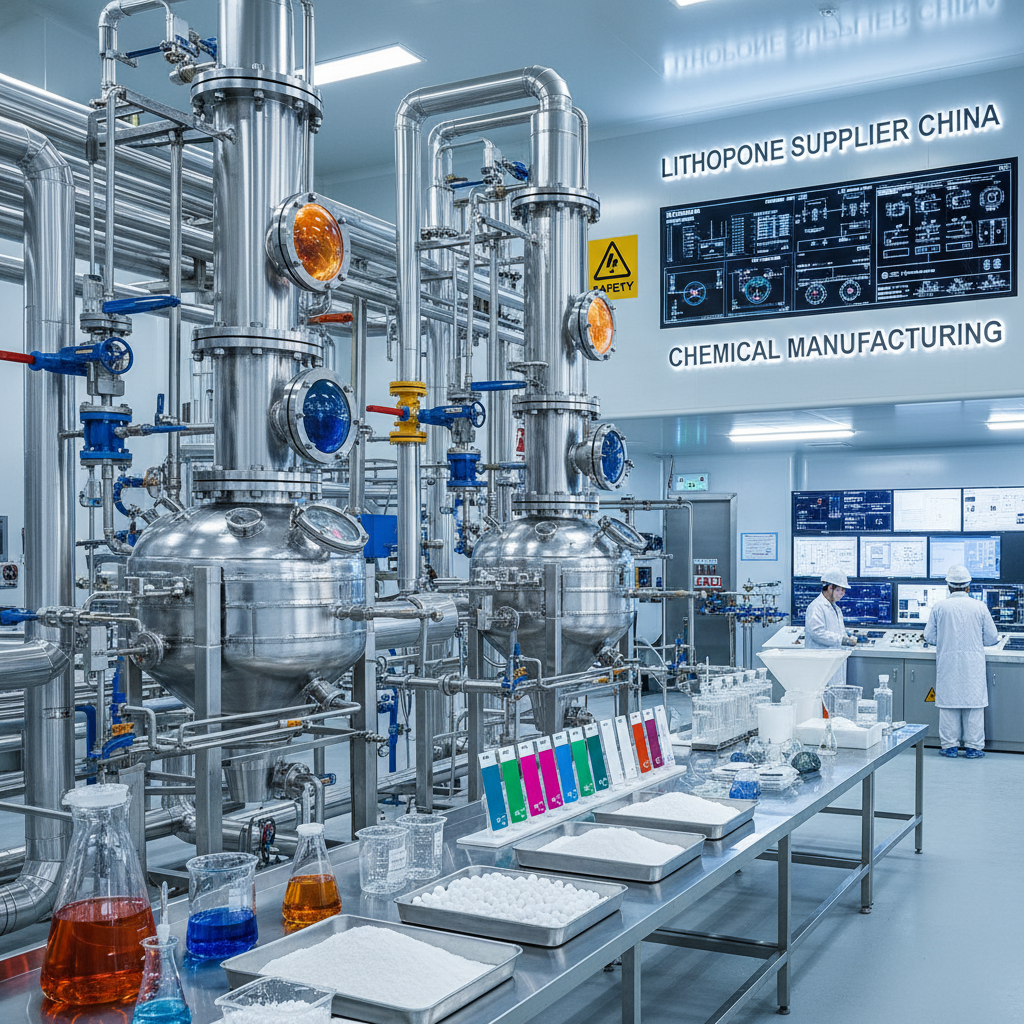
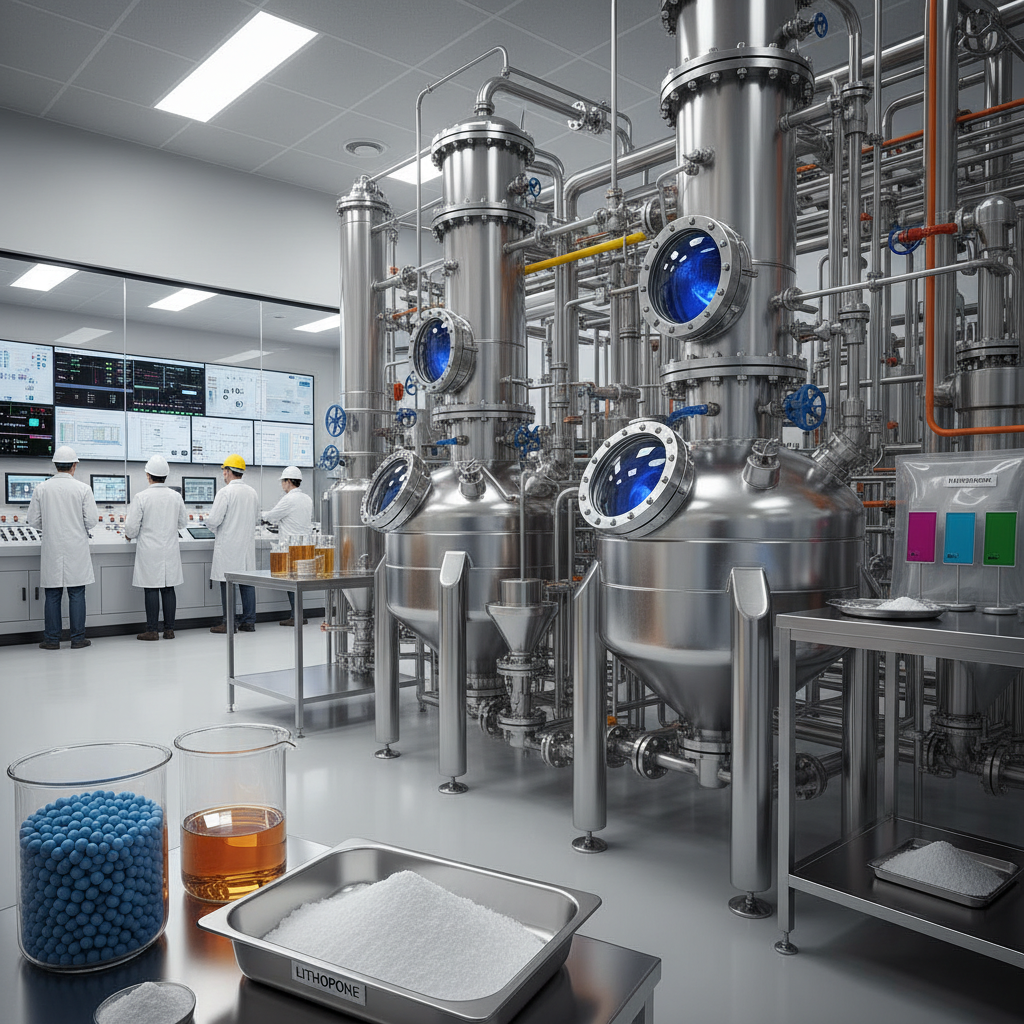
I’ve been inside several lithopone factory in china, and what strikes you is the scale. These aren’t small operations; they’re massive, modern facilities. The key is their ability to handle the raw materials – zinc sulfide and barium sulfate – efficiently and maintain consistent quality control throughout the process. It’s a science, really, getting the particle size and chemical composition just right.
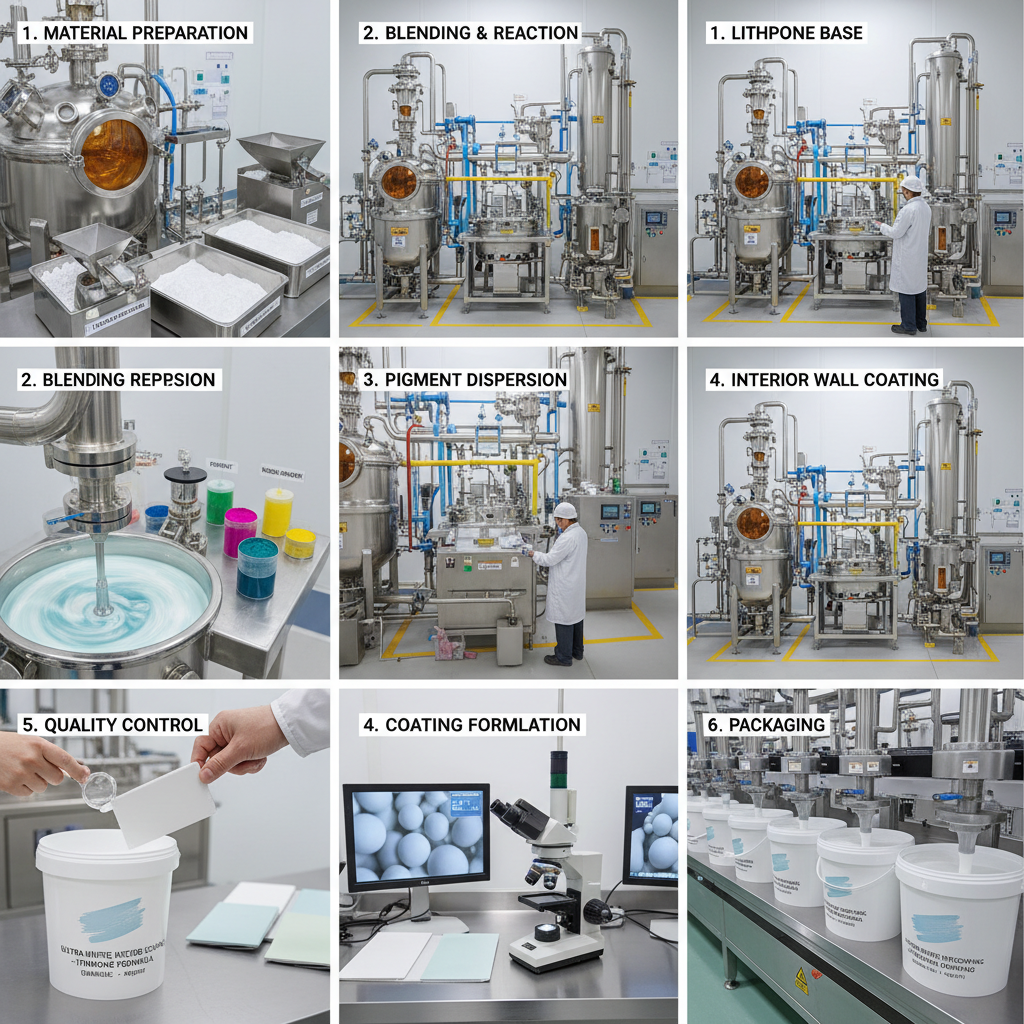
You see, it's not just about dumping ingredients into a mixer. It's about precise measurements, controlled temperatures, and rigorous testing at every stage. That’s where the Chinese factories have really stepped up their game. They've invested heavily in automation and analytical equipment to ensure that every batch meets stringent international standards.
The Global Significance of Chinese Lithopone Factories
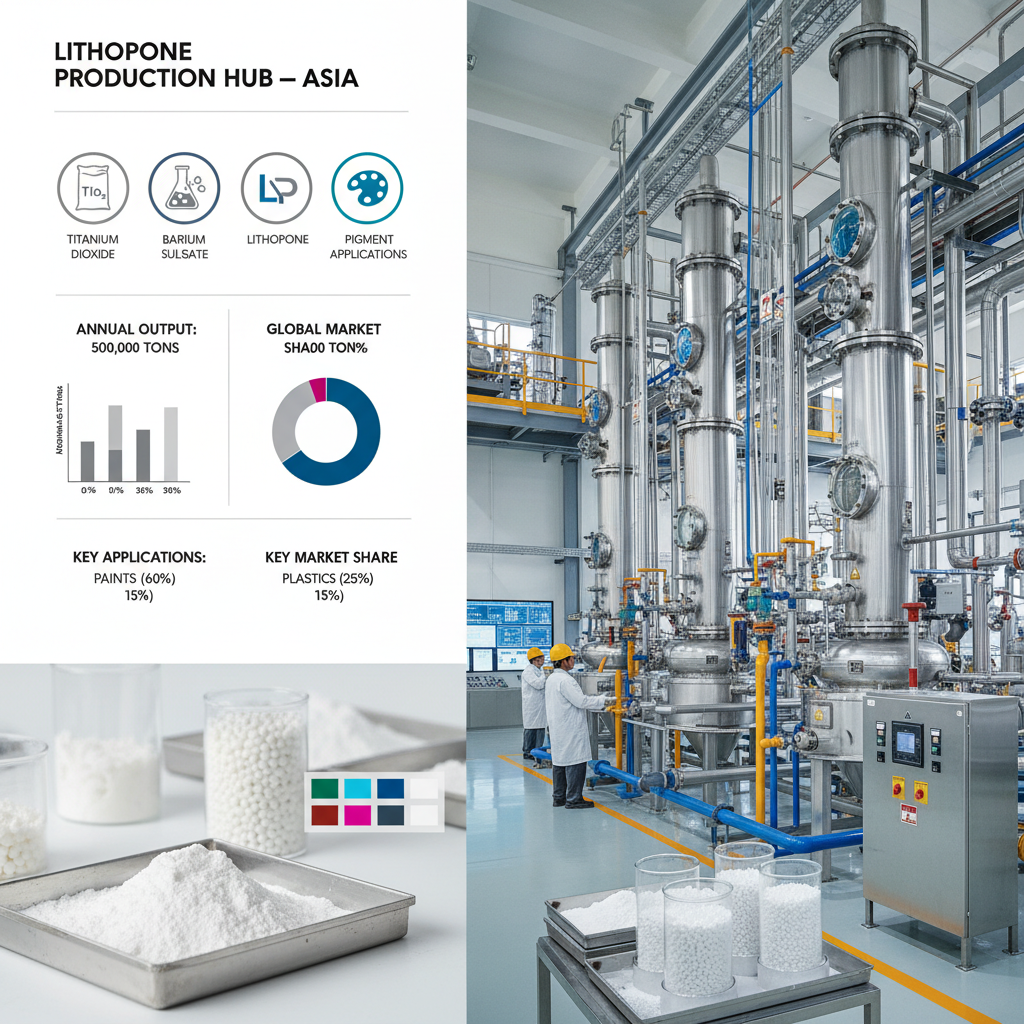
Let’s be real: China dominates the lithopone market. It’s not a conspiracy; it’s simple economics. They have access to the raw materials, a skilled workforce, and a manufacturing infrastructure that's hard to beat. Around 80% of the global lithopone supply comes from China. This impacts everything from paint prices to the availability of plastics with specific opacity requirements.
What I've seen firsthand is that the large-scale production capacity in China stabilizes the market. It prevents wild price fluctuations that can cripple projects. Plus, a good lithopone factory in china isn’t just about volume; they're often at the forefront of process improvements and innovation.
The concentration of production in China also means increased focus on environmental responsibility. The best factories are actively working to minimize waste and reduce their carbon footprint, driven by both government regulations and customer demand.
Defining Lithopone: Composition and Applications
Lithopone isn't a single compound; it’s a mixture of zinc sulfide (ZnS) and barium sulfate (BaSO4). Think of it as a team player. The zinc sulfide provides the opacity and brightness, while the barium sulfate adds durability and chemical resistance. The ratio is carefully controlled – usually around 30% zinc sulfide and 70% barium sulfate – to achieve the desired properties.
Historically, it was a go-to white pigment, often used as a more affordable alternative to titanium dioxide. But it's far more versatile than that. Nowadays, you'll find lithopone in plastics, paints, coatings, printing inks, paper, and even rubber. It’s the stuff that makes your white plastic grocery bags opaque and your paint cover better.
The performance characteristics of lithopone make it a valuable ingredient. It offers good scattering power, good chemical inertness, and is relatively inexpensive, making it a practical choice for numerous applications. It's a material that delivers value without breaking the bank.
Key Factors in Lithopone Quality from China
I've seen a range, believe me. Some lithopone factory in china are turning out fantastic material, while others… not so much. The biggest factors? Particle size distribution, purity, and whiteness. You want a consistent particle size – too big and you get scattering issues, too small and it clumps.
Purity is critical; contaminants can affect the color, stability, and performance of the final product. And, obviously, you want a bright, clean white – that’s where the quality of the zinc sulfide really shines through. I always look for factories that have independent lab certifications and consistently meet ISO standards.
Lithopone Quality Assessment from Chinese Factories
Global Applications and Industries Utilizing Lithopone
Lithopone's uses are surprisingly widespread. In the construction industry, it's a key component in exterior paints, providing opacity and weather resistance. I’ve used it on countless projects. It’s also heavily used in plastics manufacturing, especially for applications where a bright white finish is required.
Beyond that, you'll find it in printing inks, paper coatings, and even some rubber products. It's a versatile ingredient that improves the performance and appearance of a wide range of materials. The automotive sector also utilizes it in certain coatings, and it’s a significant component in the paper industry for creating brighter, more opaque paper products.
Advantages of Sourcing Lithopone from China
Honestly, the biggest advantage is cost-effectiveness. You’re getting a high-quality product at a price that’s hard to beat elsewhere. This allows you to manage project budgets more effectively.
However, it's not just about the price. The Chinese manufacturers have also made huge strides in reliability and logistics. They can handle large orders and deliver on time, which is critical when you're on a tight schedule. A reliable lithopone factory in china will provide consistent product specs and documentation.
Future Trends and Innovations in Lithopone Manufacturing
I'm seeing a push towards more sustainable manufacturing processes. Factories are investing in technologies to reduce waste and minimize their environmental impact. That’s good for everyone.
There’s also research into improving the performance characteristics of lithopone – increasing its opacity, enhancing its durability, and making it compatible with new types of coatings and plastics. Nanotechnology is playing a role here, with the development of nano-sized lithopone particles that offer improved dispersion and performance.
Finally, there’s a growing demand for customized lithopone formulations tailored to specific applications. The ability to tweak the composition and particle size to meet unique requirements is becoming increasingly important.
Lithopone Factory in China: Comparative Analysis
| Factory Location |
Production Capacity (tons/year) |
Quality Control Rating (1-10) |
Environmental Compliance |
| Zibo, Shandong Province |
50,000 |
8 |
High |
| Linyi, Shandong Province |
65,000 |
9 |
Medium |
| Hefei, Anhui Province |
40,000 |
7 |
Medium |
| Changzhou, Jiangsu Province |
70,000 |
10 |
High |
| Dezhou, Shandong Province |
35,000 |
6 |
Low |
| Jinhua, Zhejiang Province |
45,000 |
8 |
Medium |
FAQS
Titanium dioxide generally offers superior whiteness and hiding power, making it ideal for high-end coatings. However, lithopone is more cost-effective and provides good opacity for less demanding applications. It’s a trade-off between performance and price. I often recommend lithopone when budget is a primary concern or when TiO2 isn't strictly necessary. It's often used as an extender for TiO2, reducing the overall cost without significantly compromising quality.
Particle size is crucial. Smaller particles offer better dispersion and hiding power, but can also lead to clumping. Larger particles scatter light more effectively but may result in a grainy texture. A good lithopone factory in china will control particle size distribution very carefully to optimize performance for specific applications. You're aiming for a consistent, narrow range.
The environmental impact depends on the manufacturing processes employed. Responsible lithopone factory in china are investing in technologies to reduce waste, conserve energy, and minimize emissions. Barium sulfate, one of the components, requires careful handling, and proper waste disposal is essential. Look for suppliers with environmental certifications.
Lead times vary depending on the volume of the order and the current demand. Generally, you can expect 2-4 weeks for standard orders. However, it's crucial to plan ahead, especially during peak seasons. A reliable supplier will provide accurate lead time estimates and keep you informed of any potential delays. Establishing a good relationship with your supplier is key.
Request a sample for testing before placing a large order. Check for consistency in color, particle size, and purity. Ask for a Certificate of Analysis (COA) from the manufacturer. Consider using a third-party inspection service to verify quality and quantity. Building a long-term relationship with a reputable supplier is the best way to ensure consistent quality.
Lithopone isn’t ideal for applications requiring extreme durability, high UV resistance, or exceptional whiteness. For example, it’s not typically used in high-performance automotive coatings or architectural paints exposed to harsh weather conditions. In those cases, titanium dioxide is the preferred choice. But for many general-purpose applications, lithopone is a perfectly viable and cost-effective option.
Conclusion
Ultimately, lithopone remains a valuable and versatile pigment, especially when sourced strategically from a quality lithopone factory in china. It offers a compelling combination of cost-effectiveness, reliability, and performance, making it a staple in numerous industries. Don’t underestimate its importance; it's a workhorse material that keeps projects moving.
Looking ahead, expect to see continued innovation in lithopone manufacturing, with a focus on sustainability and customized formulations. By staying informed about these trends and partnering with reputable suppliers, you can ensure you’re getting the best possible value and performance from this essential ingredient. To explore sourcing options and learn more, visit our website: www.cqtitaniumdioxide.com