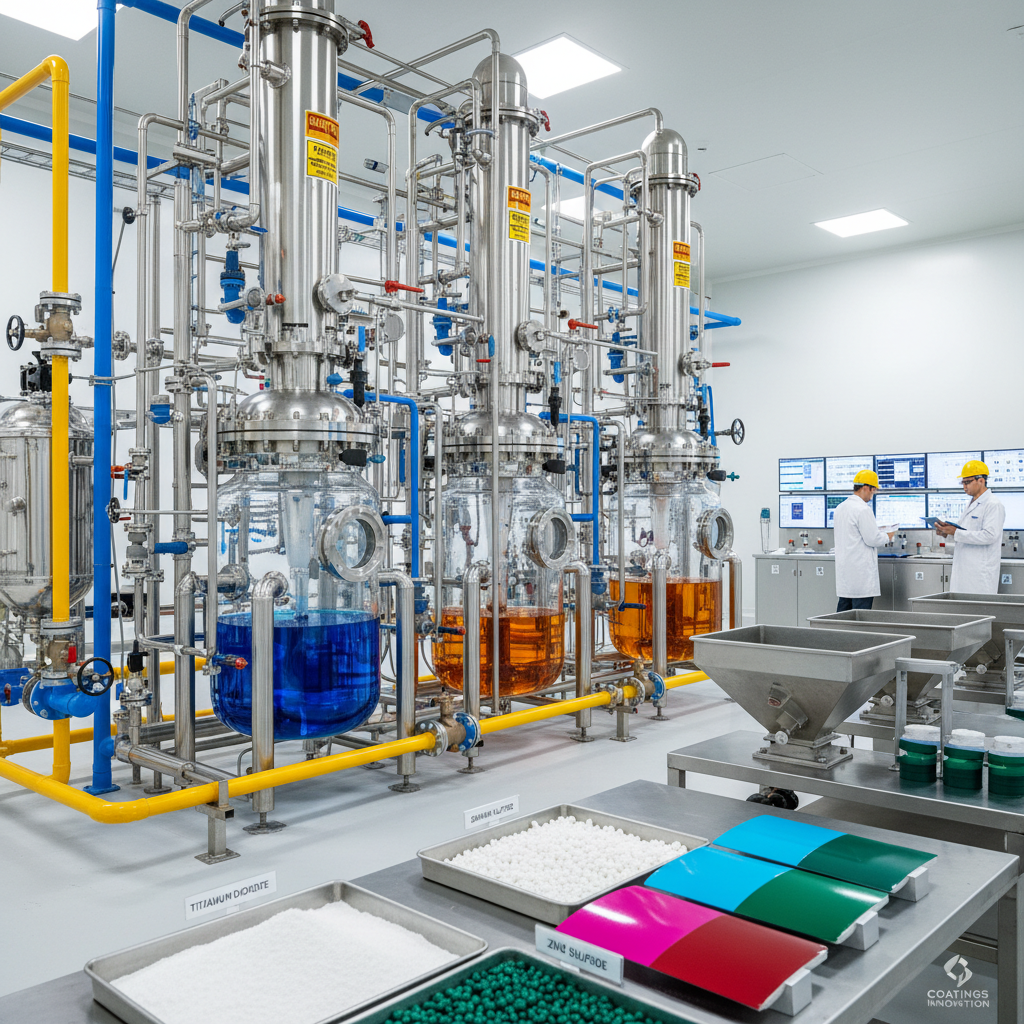
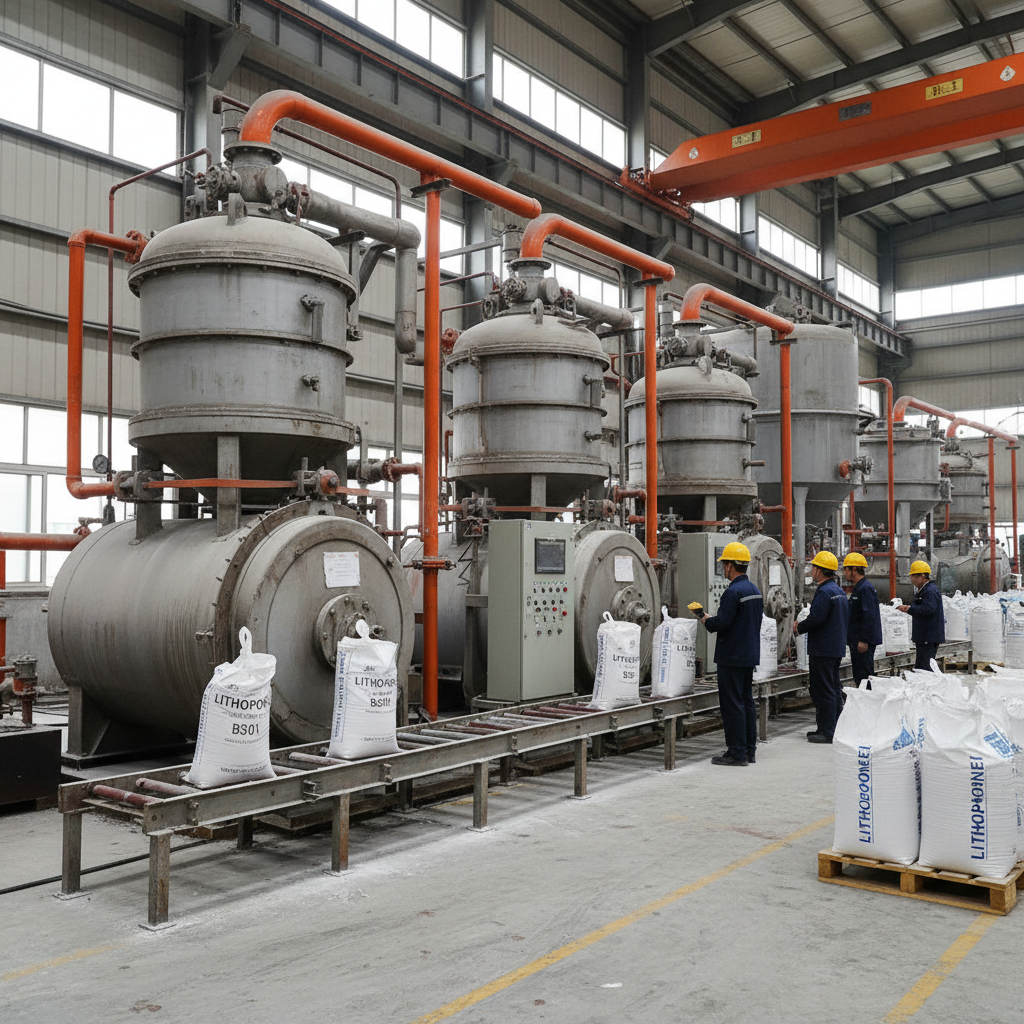
Look, I’ve spent years on construction sites, hands dirty, watching what actually works. And let me tell you, the biggest headaches come down to durability, consistency, and frankly, keeping costs under control. That’s where understanding zns for paint and coating comes in. It’s not just about making things look pretty; it's about protecting assets, extending lifespan, and ultimately, saving money. We’re talking about real-world implications – reduced maintenance, fewer replacements, and a stronger return on investment for every project, big or small.
The demand is huge. Globally, the construction industry is a multi-trillion dollar market, and the protective coatings segment is a significant piece of that pie. According to reports from the UN and various industry analyses, the need for durable, long-lasting infrastructure is only increasing, especially in rapidly developing regions. But the challenge isn't just building more; it's building smarter and building to last. Traditional coatings often fall short, requiring frequent reapplication and contributing to a cycle of waste. That’s where zns for paint and coating steps in to address those critical vulnerabilities.
Simply put, zns for paint and coating refers to incorporating Zinc Neodymium Sulfate (ZNS) as a functional pigment within paint and coating formulations. It’s more than just a colorant. It’s an active component that enhances corrosion resistance, UV protection, and overall durability, extending the lifespan of coated surfaces. This isn’t some lab experiment; it’s a practical solution addressing real-world problems facing engineers and owners in countless applications. It’s about giving materials a fighting chance against the elements and reducing long-term costs – something everyone in this industry understands.
The Importance of zns for paint and coating in Modern Infrastructure
I’ve seen too many bridges and pipelines suffer premature failure due to corrosion. It's expensive, disruptive, and often dangerous. zns for paint and coating directly addresses this issue by creating a barrier that significantly slows down the corrosion process. It's not a magical fix, mind you, but it buys you time – and time translates to cost savings. You’re looking at reduced maintenance cycles, less downtime, and ultimately, a longer lifespan for critical infrastructure.
Beyond corrosion, UV degradation is another major enemy. Sunlight breaks down coatings over time, leading to cracking, peeling, and loss of protective properties. ZNS acts as a UV absorber, protecting the underlying coating and substrate from the damaging effects of the sun. This is especially critical in harsh environments – think coastal areas, deserts, or anywhere with intense sunlight exposure.
Defining zns for paint and coating: A Practical Perspective
Forget the complicated chemistry for a minute. Think of zns for paint and coating as an upgrade. It’s about taking a standard coating system and adding a component that makes it tougher, more resilient, and longer-lasting. The Zinc Neodymium Sulfate pigment doesn't just sit in the coating; it actively participates in protecting the surface. It forms a passive layer that inhibits corrosion and acts as a sacrificial anode, protecting the metal substrate even if the coating is scratched or damaged.
This isn't a new idea, mind you. Zinc-rich coatings have been around for decades. But ZNS offers improvements in performance and application compared to some of the older technologies. It's more stable, easier to disperse, and can be formulated into a wider range of coating types. It’s also less sensitive to application conditions, which is a big plus on a busy construction site.
Ultimately, understanding ZNS means understanding the principles of corrosion protection. It’s about creating a barrier, providing sacrificial protection, and extending the service life of valuable assets. It’s a proactive approach to maintenance, not a reactive one. And in my experience, proactive is always cheaper.
Key Factors Influencing zns for paint and coating Performance
Several factors play a crucial role in how well zns for paint and coating performs. First, the ZNS pigment itself. The quality, particle size distribution, and purity all impact the coating's effectiveness. You can't just grab the cheapest stuff; you need a consistent, reliable source.
Second, the formulation of the coating. How the ZNS is dispersed, the type of binder used, and the addition of other additives all influence the final properties. It’s a delicate balance – too much ZNS can cause brittleness, too little won’t provide adequate protection. Experienced formulators are essential here, and you really need to test different formulations for specific applications.
Finally, proper surface preparation is paramount. You can apply the best coating in the world, but if the surface is dirty, rusty, or improperly primed, it's going to fail. Cleaning, blasting, and applying a suitable primer are non-negotiable steps in ensuring long-term performance. I’ve seen projects fail because they skimped on prep work, and it's a costly mistake.
Global Applications and Real-World Use Cases
I've seen zns for paint and coating used in a ton of different applications. Bridges, pipelines, offshore platforms, storage tanks – anywhere corrosion is a major concern. It’s especially popular in marine environments, where saltwater accelerates corrosion. We’re talking about protecting infrastructure that’s critical to our economy and safety.
In post-disaster relief operations, having durable, corrosion-resistant materials is vital. Quickly deployable structures need to withstand harsh conditions and provide long-term shelter. ZNS-enhanced coatings can significantly extend the lifespan of these temporary structures, making them a more sustainable solution.
zns for paint and coating Application Performance Ratings
Advantages and Long-Term Value Proposition
Let’s talk about the bottom line. zns for paint and coating isn't cheap upfront, but it pays for itself in the long run. Reduced maintenance costs, extended asset life, and fewer unplanned outages all contribute to a significant return on investment. It's a cost-effective solution when you factor in the total cost of ownership.
Beyond the financial benefits, there's a sustainability aspect to consider. By extending the life of infrastructure, we reduce the need for frequent replacements, conserving resources and minimizing waste. It's a more responsible approach to construction and infrastructure management.
Future Trends and Innovations in zns for paint and coating
We're seeing a lot of innovation in this space. Researchers are exploring new formulations that combine ZNS with other advanced materials, like graphene, to further enhance performance. There’s also a push for more environmentally friendly ZNS production processes.
Smart coatings are another exciting development. Integrating sensors into coatings allows for real-time monitoring of corrosion and other damage, enabling proactive maintenance and preventing catastrophic failures. Combining this with the protection offered by ZNS could revolutionize infrastructure management.
Digital transformation is impacting everything, including coatings. We're using data analytics to optimize coating application, predict performance, and schedule maintenance more effectively. The future is about using technology to make informed decisions and maximize the value of our infrastructure investments.
Challenges and Solutions in Implementing zns for paint and coating
Look, it's not always smooth sailing. One challenge is ensuring consistent quality control. Variations in ZNS pigment quality can significantly impact performance. That’s why it’s crucial to work with reputable suppliers and implement rigorous testing procedures.
Another hurdle is overcoming resistance to change. Some contractors are hesitant to adopt new technologies, especially if they require additional training or investment. Education and demonstrating the long-term benefits are key to gaining buy-in.
Finally, proper application is critical. Incorrect mixing, inadequate surface preparation, or improper application techniques can compromise the coating's effectiveness. Providing thorough training and supervision is essential to ensure a successful outcome.
Summary of Key Challenges and Solutions for zns for paint and coating Implementation
| Challenge |
Impact on Project |
Potential Solution |
Implementation Cost (Scale 1-10) |
| Inconsistent ZNS Pigment Quality |
Reduced corrosion resistance, shorter coating lifespan |
Partner with certified ZNS suppliers, implement rigorous QC testing |
4 |
| Contractor Resistance to New Technology |
Slow adoption rate, reluctance to invest in training |
Demonstrate ROI, provide comprehensive training programs, offer incentives |
6 |
| Improper Surface Preparation |
Coating delamination, accelerated corrosion |
Enforce strict surface preparation protocols, conduct thorough inspections |
5 |
| Incorrect Mixing/Application Techniques |
Uneven coating thickness, reduced protection |
Provide detailed application guidelines, supervise application process |
3 |
| Lack of Understanding of ZNS Mechanism |
Suboptimal formulation and application choices |
Educate stakeholders on ZNS benefits and appropriate usage |
2 |
| Environmental Regulations on ZNS Waste |
Disposal challenges, potential fines |
Implement responsible waste management practices, explore sustainable ZNS alternatives |
7 |
FAQS
While both utilize zinc for corrosion protection, ZNS offers improvements in dispersion, formulation flexibility, and often, environmental friendliness compared to some traditional zinc-rich primers. Traditional zinc-rich coatings sometimes rely on high zinc content which can present handling and environmental concerns. ZNS allows for effective corrosion resistance with potentially lower overall zinc loading, leading to more versatile and sustainable formulations.
Temperature plays a role in both application and long-term performance. Application should be done within the manufacturer's recommended temperature range to ensure proper film formation and adhesion. Elevated temperatures can accelerate corrosion, but ZNS-enhanced coatings generally exhibit superior high-temperature resistance compared to standard coatings. Long-term exposure to extreme temperatures, however, should be considered during formulation and application.
Absolutely. While often associated with marine applications, zns for paint and coating provides excellent corrosion protection in freshwater environments as well. Corrosion mechanisms are similar in both saltwater and freshwater, and the protective properties of ZNS – barrier effect and sacrificial protection – are effective in both. It’s a valuable solution for structures like dams, bridges over rivers, and freshwater pipelines.
Lifespan varies significantly depending on the environment, the specific formulation, and the quality of application. However, coatings enhanced with ZNS generally have a longer service life than conventional coatings. Expect to see a significant extension in the maintenance cycle, potentially doubling or tripling the time between recoating compared to standard systems. Proper surface preparation and adherence to application guidelines are vital for maximizing lifespan.
As with any coating material, it's crucial to follow the manufacturer’s safety guidelines. This includes wearing appropriate personal protective equipment (PPE) – gloves, respirators, eye protection – and ensuring adequate ventilation. While ZNS itself is generally considered safe, the complete coating formulation may contain other components requiring specific safety precautions. Always review the Safety Data Sheet (SDS) before handling the product.
The initial cost of zns for paint and coating might be slightly higher than some conventional coatings. However, when considering the total cost of ownership—including reduced maintenance, extended asset life, and fewer replacements—ZNS often proves to be more cost-effective in the long run. It's about shifting from a short-term cost focus to a long-term value assessment.
Conclusion
In short, zns for paint and coating isn't just a product; it's a pragmatic solution to a very real problem – protecting assets and extending their lifespan. We've covered everything from the science behind it to real-world applications and future trends. It’s a technology that's proven to deliver value, and it’s only going to become more important as we face increasing demands for durable, sustainable infrastructure.
The bottom line is this: invest in quality, invest in proper preparation, and consider zns for paint and coating as a key component in your long-term asset management strategy. Don't just paint it and forget it. Protect it, and build for the future. For more information on how zns for paint and coating can benefit your projects, visit our website: www.cqtitaniumdioxide.com.