Paint lithopone, a fascinating composite pigment, holds a significant place in the history of paint technology and continues to find applications today. Initially developed as a cost-effective alternative to expensive pigments like titanium dioxide, paint lithopone's unique properties stem from its blend of zinc sulfide and barium sulfate. Understanding its composition, production, and diverse applications is crucial for professionals in the coatings industry, artists, and anyone interested in the science behind color.
Globally, the demand for affordable and effective pigments remains high, particularly in emerging economies undergoing rapid industrialization and infrastructure development. Paint lithopone addresses this demand by offering a viable option for various applications, including paints, plastics, and paper coatings. Its production and use, however, are subject to increasing scrutiny regarding environmental impact and worker safety, necessitating continuous innovation and responsible manufacturing practices.
The relevance of paint lithopone extends beyond simple cost-effectiveness. It serves as a case study in materials science, demonstrating how combining different compounds can achieve desired optical and physical properties. As sustainability becomes paramount, researchers are exploring ways to enhance paint lithopone’s performance while minimizing its environmental footprint, ensuring its continued relevance in the future of coatings.
The Definition and Composition of paint lithopone
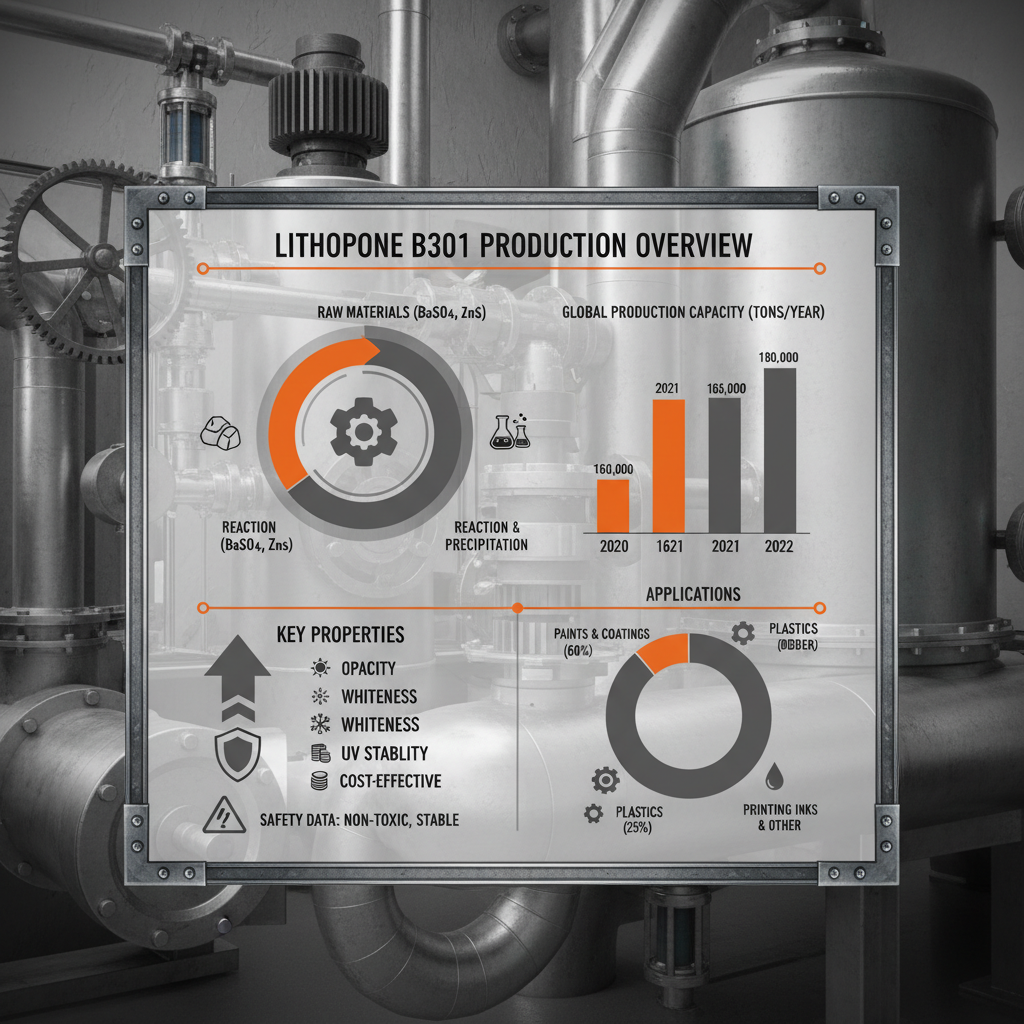
Paint lithopone is a synthetic white pigment composed primarily of zinc sulfide (ZnS) and barium sulfate (BaSO4). The ratio of these compounds typically ranges from 30-50% zinc sulfide and 50-70% barium sulfate, with the exact proportions affecting the pigment’s opacity, brightness, and tinting strength. This unique combination allows paint lithopone to mimic the properties of more expensive pigments like titanium dioxide while remaining relatively affordable.
Its invention in the early 1900s addressed a critical need for a white pigment that wouldn’t strain resources like titanium, which was comparatively scarce at the time. Today, although titanium dioxide dominates the market, paint lithopone remains a valuable component in specialized formulations, particularly where cost is a significant factor, demonstrating its continuing role in modern industry.
Historical Context and Evolution
The development of paint lithopone was a direct response to the growing demand for white pigments in the late 19th and early 20th centuries. Prior to its invention, lead white was the dominant white pigment, but its toxicity posed significant health risks to painters and the public. Zinc oxide was another alternative, but its high cost limited its widespread adoption. The search for a safer and more affordable alternative led to the experimentation with combining zinc sulfide and barium sulfate, culminating in the creation of paint lithopone.
Initially, paint lithopone gained popularity as a substitute for lead white in various applications, including interior and exterior paints, printing inks, and plastics. Over time, the emergence of titanium dioxide as a superior white pigment gradually reduced the dominance of paint lithopone. However, paint lithopone continued to be used in specific applications where its unique properties—such as its slightly bluish undertone—were desirable.
Throughout the 20th and 21st centuries, manufacturing processes for paint lithopone have been refined to improve its quality, brightness, and dispersibility. Ongoing research focuses on optimizing the pigment’s performance while minimizing its environmental impact.
Key Properties of paint lithopone
Paint lithopone exhibits several key properties that contribute to its utility as a white pigment. These include good opacity, meaning it effectively obscures underlying surfaces. It also possesses reasonable tinting strength, allowing it to be easily colored with other pigments. The slight bluish undertone of paint lithopone can be advantageous in certain applications, providing a cooler, brighter aesthetic.
However, it's crucial to acknowledge the limitations. Paint lithopone generally has lower hiding power and tinting strength compared to titanium dioxide. It’s also susceptible to yellowing over time, particularly when exposed to ultraviolet light. Furthermore, its resistance to alkali is lower, making it less suitable for certain cement-based applications.
The physical properties of paint lithopone, like particle size and shape, are critical in influencing its performance in various coatings. These factors affect its dispersibility, gloss, and overall appearance in the final product. Careful control of these parameters during the manufacturing process is essential to achieving optimal results.
Manufacturing Processes of paint lithopone
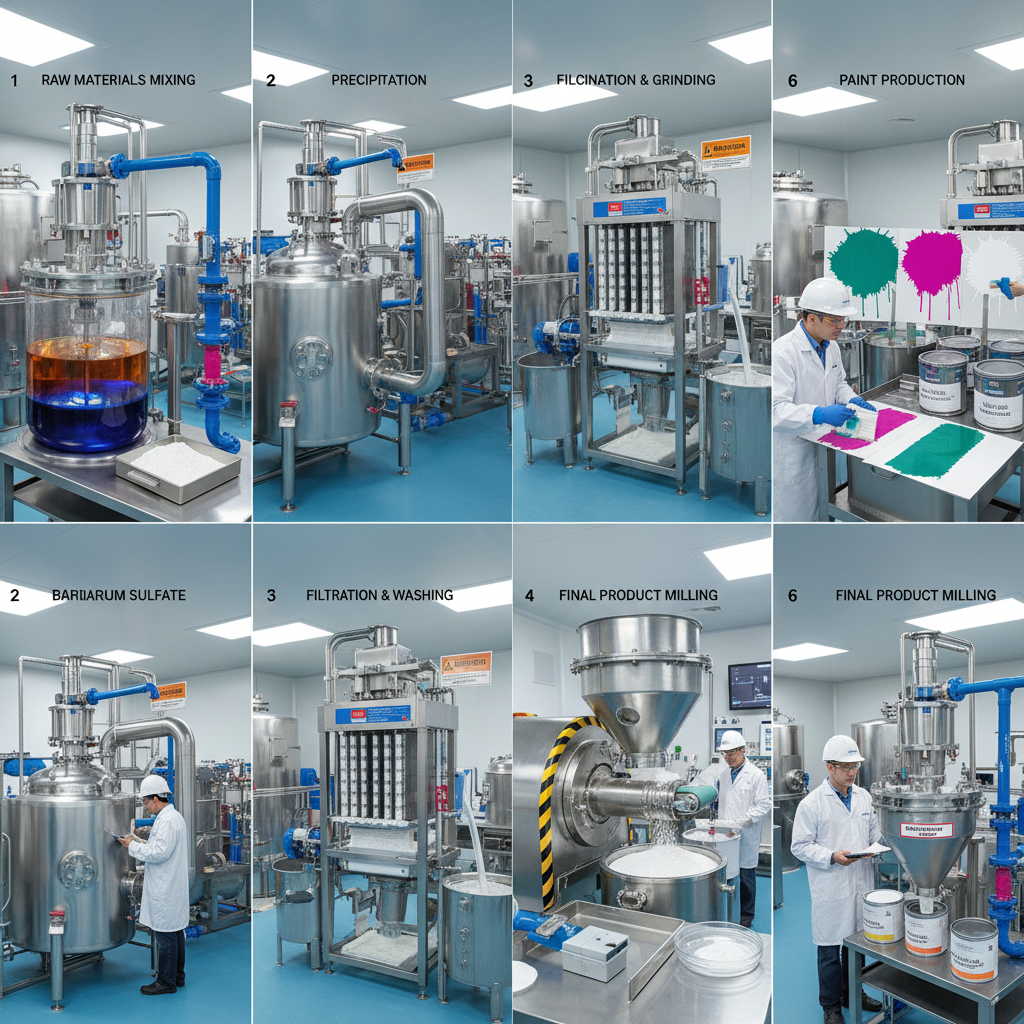
The production of paint lithopone typically involves a precipitation process. Zinc sulfide and barium sulfate are formed by reacting soluble zinc and barium salts with a sulfide source, such as sodium sulfide. Precise control over reaction conditions—temperature, pH, and reactant concentrations—is essential to control particle size and purity.
Following precipitation, the resulting slurry undergoes a series of washing, filtration, and drying steps to remove impurities and achieve the desired moisture content. Calcination, or high-temperature heating, may be employed to further enhance the pigment’s brightness and stability. The final product is then milled and classified to achieve the desired particle size distribution.
Comparison of Paint Lithopone Production Methods
Applications Across Industries
Paint lithopone finds applications in a diverse range of industries. In the paint and coatings sector, it's used in decorative paints, industrial coatings, and primers, particularly where cost-effectiveness is crucial. It serves as an extender pigment in these formulations, reducing the overall cost while maintaining acceptable performance.
Beyond paints, paint lithopone is used in the plastics industry as a filler and opacifier in various plastic products. It’s also found in paper coatings, enhancing brightness and opacity. Furthermore, specialized applications include its use in rubber production, cosmetics, and certain types of inks, demonstrating its versatility across different manufacturing processes.
Advantages and Limitations
The primary advantage of paint lithopone lies in its cost-effectiveness, offering a viable alternative to more expensive pigments like titanium dioxide. Its good opacity and reasonable tinting strength make it suitable for a variety of applications. Additionally, its slightly bluish undertone can be advantageous in certain formulations, creating a brighter, cooler appearance.
However, paint lithopone has limitations. Compared to titanium dioxide, it exhibits lower hiding power and tinting strength, requiring higher loadings to achieve the desired opacity. It's also susceptible to yellowing over time, especially with exposure to UV light. Its alkali resistance is lower, limiting its use in cement-based applications. The environmental concerns related to barium-containing compounds also necessitate responsible manufacturing and disposal practices.
Ultimately, the suitability of paint lithopone depends on the specific application and performance requirements. Careful consideration of its advantages and limitations is essential to ensure optimal results.
Future Trends and Sustainability
Future trends in paint lithopone research focus on enhancing its performance and minimizing its environmental impact. This includes exploring new manufacturing processes to reduce waste and energy consumption, as well as developing surface treatments to improve its stability and resistance to yellowing.
A significant focus is on finding sustainable alternatives to barium sulfate, addressing concerns about the environmental impact of barium-containing compounds. Researchers are also investigating the use of nanotechnology to optimize particle size and morphology, enhancing the pigment’s optical properties and dispersibility.
The growing emphasis on circular economy principles is driving interest in recycling and reusing paint lithopone from waste streams, reducing reliance on virgin materials and promoting a more sustainable approach to pigment production and consumption.
Summary of Future Trends and Challenges for Paint Lithopone
| Trend Category |
Specific Development |
Potential Impact |
Implementation Difficulty (1-10) |
| Manufacturing |
Waste Reduction Techniques |
Reduced Environmental Footprint |
6 |
| Materials Science |
Barium Sulfate Alternatives |
Improved Sustainability |
8 |
| Nanotechnology |
Particle Size Optimization |
Enhanced Optical Properties |
7 |
| Circular Economy |
Recycling Processes |
Reduced Virgin Material Use |
5 |
| Surface Treatment |
UV Resistance Coating |
Improved Longevity |
4 |
| Process Control |
Automated Quality Control |
Consistent Product Quality |
6 |
FAQS
Paint lithopone is frequently utilized as a cost-effective white pigment in paints, plastics, and paper coatings. It’s often employed as an extender pigment to reduce the amount of more expensive alternatives like titanium dioxide, particularly in applications where maximum opacity and brightness aren't critical. It can also impart a slightly cooler tone to the finished product, making it suitable for certain aesthetic preferences.
The environmental friendliness of paint lithopone is a complex topic. While it avoids the toxicity concerns associated with lead white, it contains barium sulfate, which raises environmental concerns regarding barium disposal. Sustainable manufacturing processes aimed at reducing waste and energy consumption, as well as the exploration of barium-free alternatives, are crucial steps toward improving its environmental profile. Responsible disposal practices are also essential.
Titanium dioxide generally outperforms paint lithopone in most key areas, including hiding power, tinting strength, and durability. Titanium dioxide provides brighter, more opaque whites and resists yellowing better. However, paint lithopone offers a significantly lower cost, making it an attractive option when cost is a primary consideration and slightly lower performance is acceptable.
Yes, paint lithopone is susceptible to yellowing over time, particularly when exposed to ultraviolet (UV) light. This is a significant limitation compared to titanium dioxide, which is much more resistant to yellowing. Surface treatments and the addition of UV absorbers can help mitigate this effect, but they add to the overall cost of the formulation.
The typical composition ratio of zinc sulfide to barium sulfate in paint lithopone ranges from approximately 30-50% zinc sulfide (ZnS) and 50-70% barium sulfate (BaSO4). The exact proportions can be adjusted to fine-tune the pigment’s properties, such as opacity and tinting strength. Higher zinc sulfide content generally leads to increased brightness but also higher production costs.
While paint lithopone can be used in exterior applications, it's generally not recommended for high-performance coatings exposed to harsh weather conditions. Its lower durability and susceptibility to yellowing make it less suitable for long-term exterior use. If used outdoors, it’s often combined with other pigments and additives to improve its resistance to UV degradation and moisture.
Conclusion
In conclusion, paint lithopone remains a relevant pigment despite the dominance of titanium dioxide. Its affordability, coupled with acceptable performance characteristics, makes it a valuable option in various applications, particularly where cost is a key factor. Understanding its composition, manufacturing processes, and limitations is crucial for optimizing its use and maximizing its benefits. The ongoing research and development focused on enhancing its sustainability and performance will ensure its continued relevance in the future of the coatings industry.
Looking ahead, innovation in paint lithopone will likely center on exploring barium-free alternatives and employing nanotechnology to improve its optical properties and durability. Emphasizing circular economy principles and promoting responsible manufacturing practices will further enhance its sustainability profile. By addressing these challenges and embracing new technologies, paint lithopone can continue to play a valuable role in providing cost-effective and environmentally conscious pigment solutions. For further information and to explore our product range, visit our website: www.cqtitaniumdioxide.com