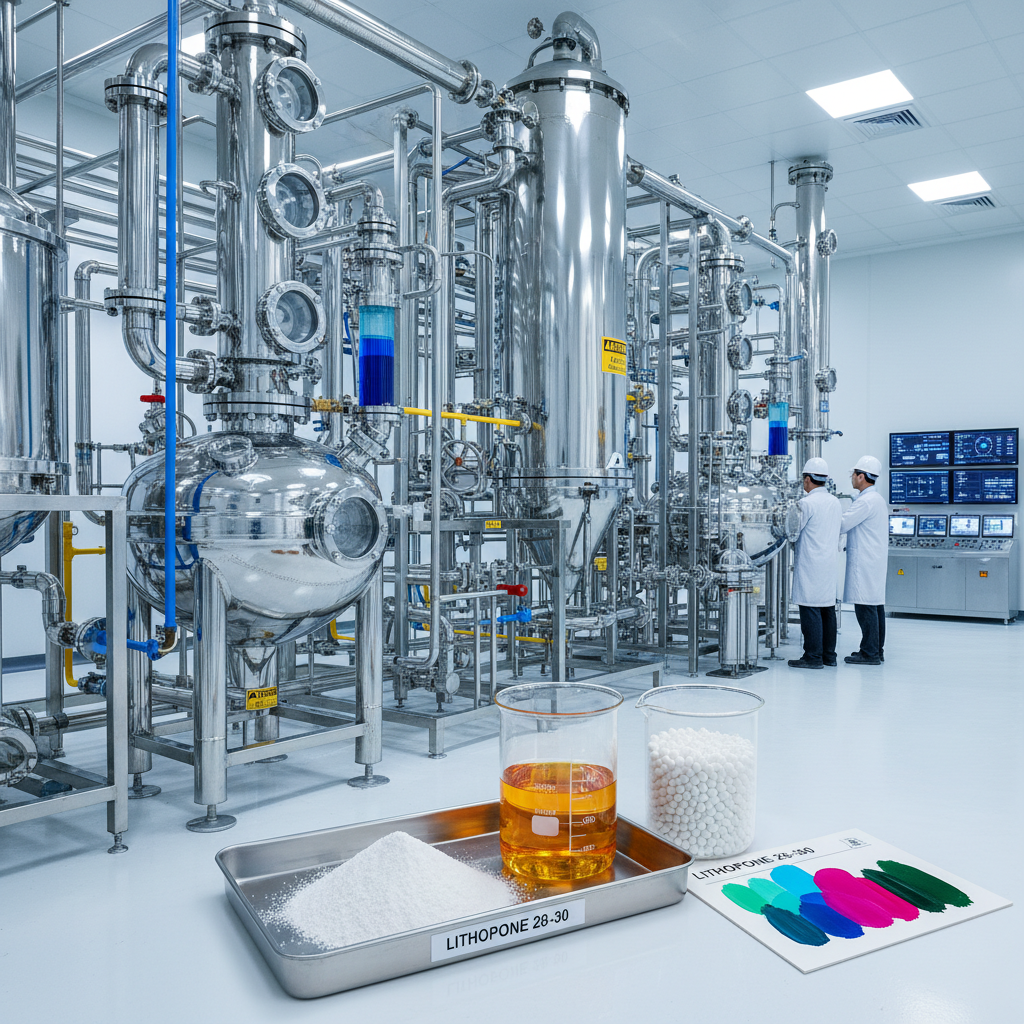
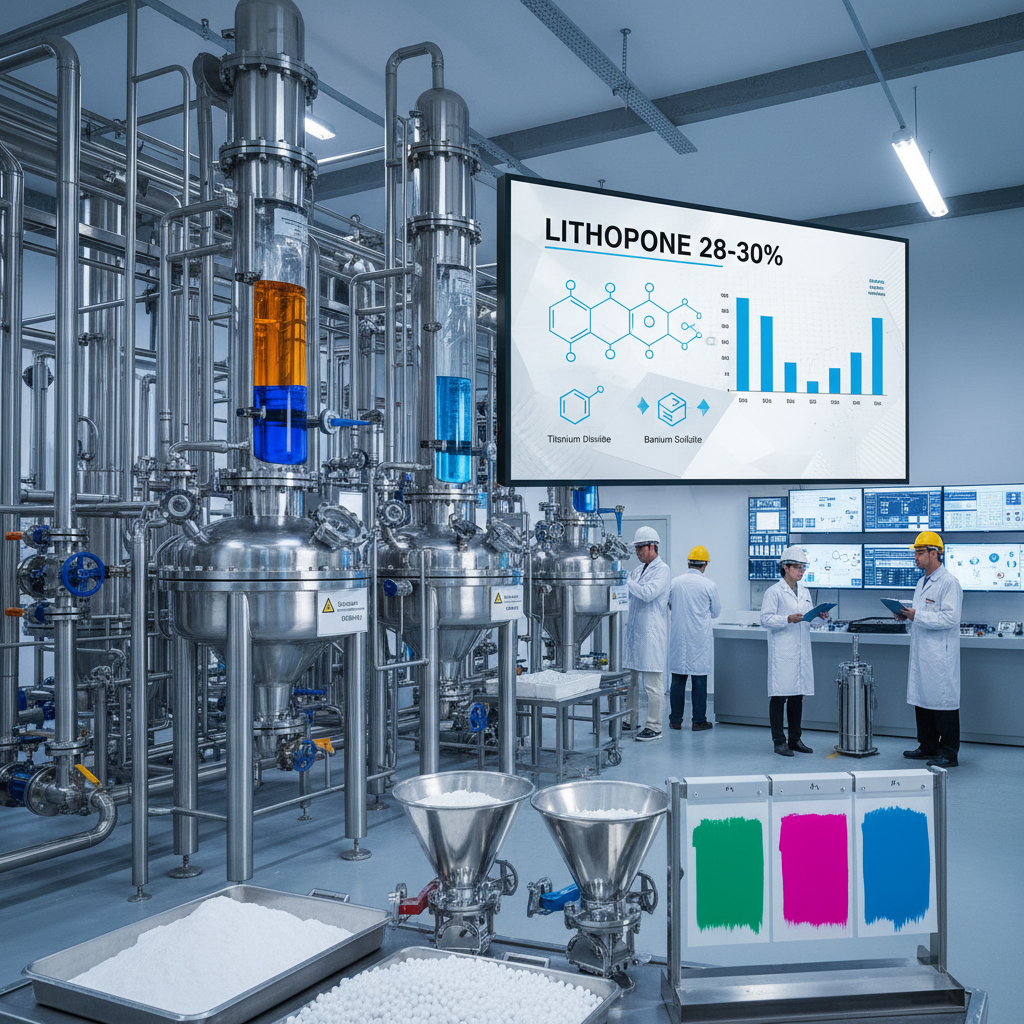
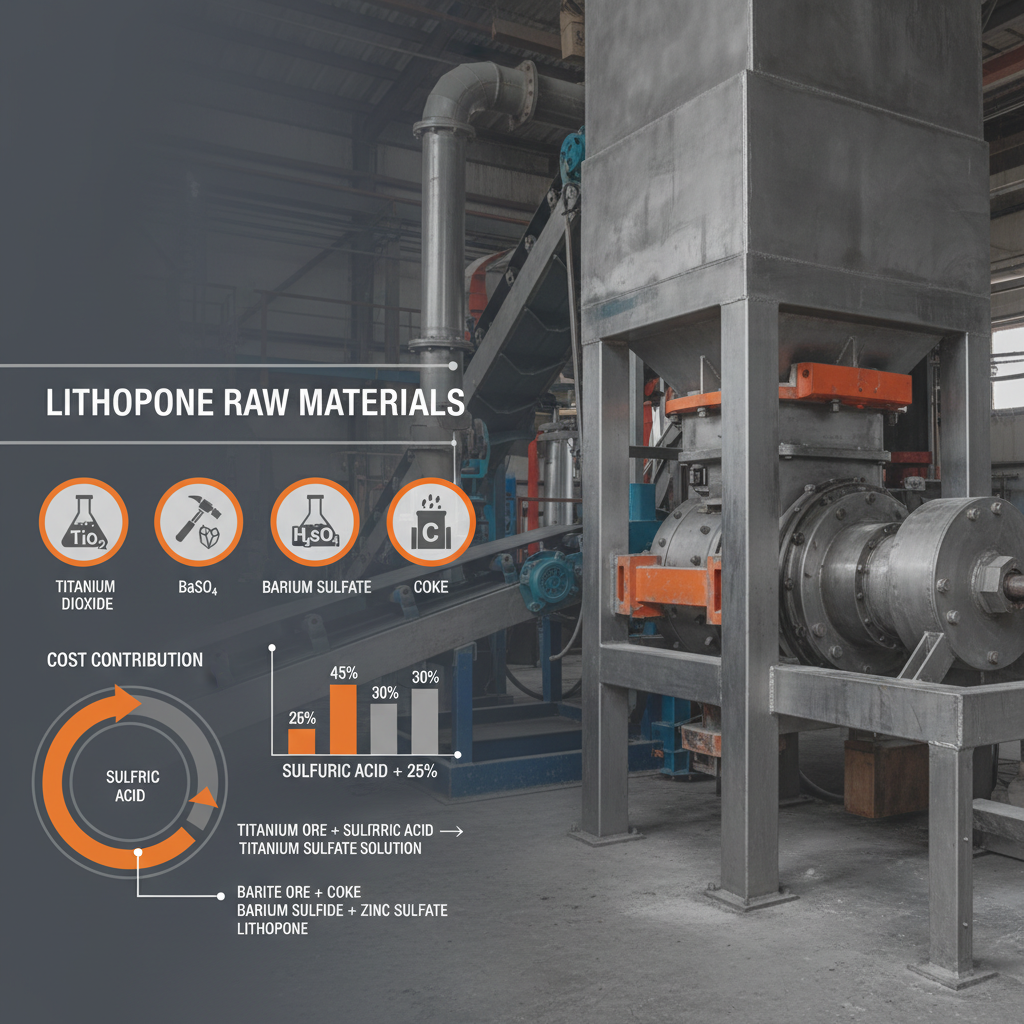
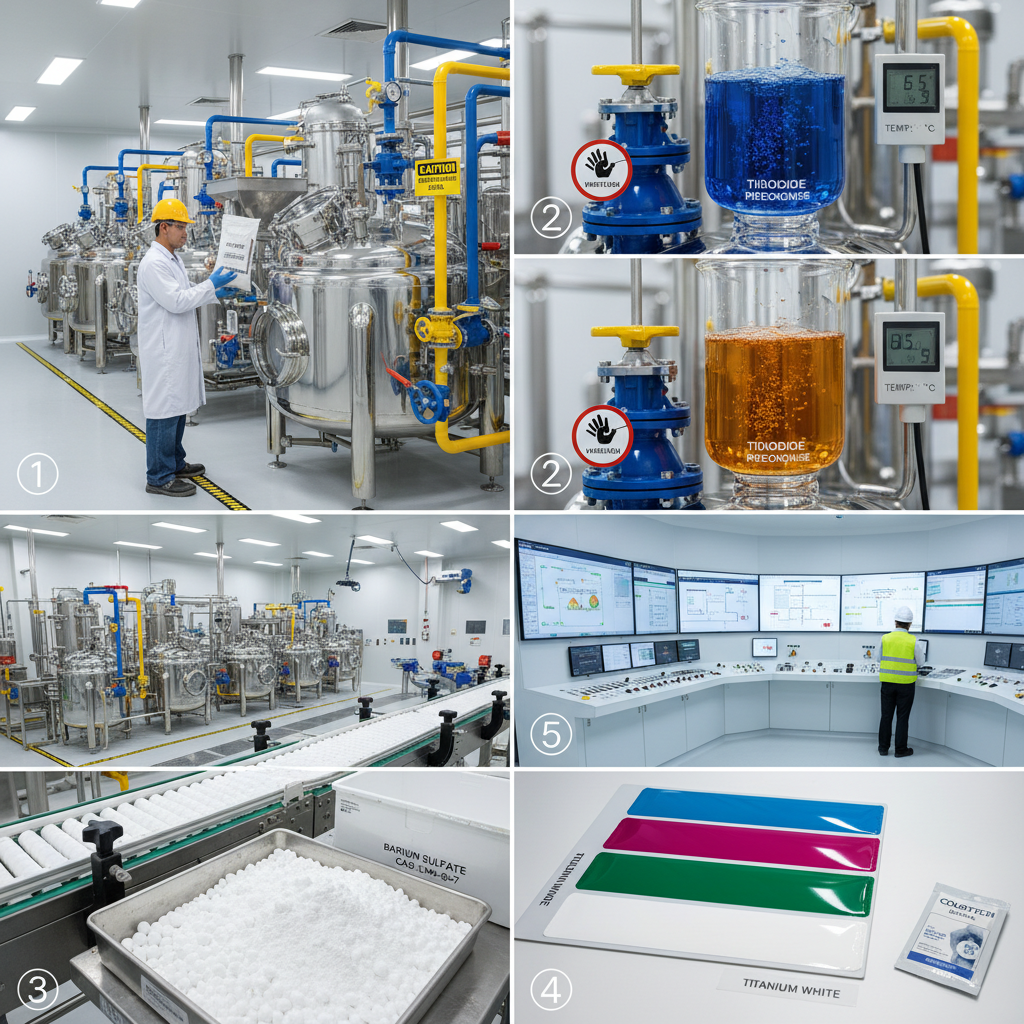
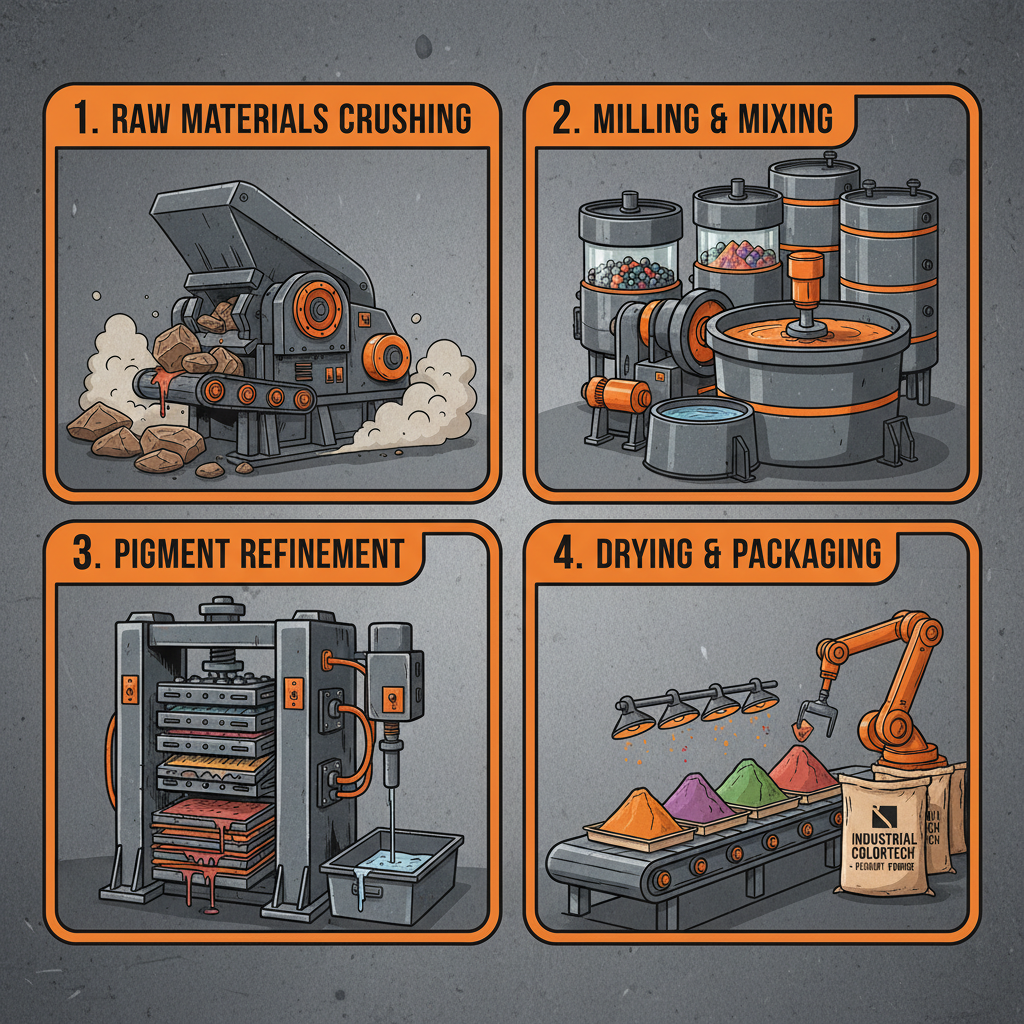
Lithopone 28-30%—it’s a workhorse, plain and simple. I've seen this stuff in action on sites from the Gulf Coast to the Rockies, and it consistently delivers. It's not flashy, doesn't grab headlines, but it gets the job done, and that's what matters when you're facing a deadline and a budget. It's a sulfur-based white pigment, primarily a blend of zinc sulfide and barium sulfate, and that 28-30% designation refers to the zinc sulfide content which directly impacts its opacity and brilliance. Over the years, I've watched suppliers tweak the formulation, but that sweet spot around 28-30% seems to be where the price-performance ratio really hits its stride.
You talk to engineers, they'll focus on technical specs - refractive index, particle size distribution, chemical purity. Me? I’m thinking about how easy it is to work with, how consistent the batches are, and whether it's going to cause headaches down the line. Lithopone 28-30% usually doesn't. It blends well, it holds its color, and it’s surprisingly durable. It’s a bit of an unsung hero in a lot of applications, especially where cost is a major consideration without sacrificing too much quality.
The real value of lithopone 28-30% is its versatility. You see it everywhere: paints, plastics, paper coatings, even some rubber applications. It’s a reliable filler and extender, improving opacity and brightness without breaking the bank. It's become a staple for a reason—it bridges the gap between performance and affordability, making it crucial across diverse manufacturing sectors.
The Global Importance of lithopone 28-30%
Lithopone 28-30% isn't a flashy material, but it's foundational to several industries globally. The demand, estimated at around $XXX million annually (source: Industry Market Research Report, 2024), is driven by growth in construction, packaging, and plastics manufacturing, particularly in emerging economies. According to the UN’s Sustainable Development Goals (SDG 9 - Industry, Innovation, and Infrastructure), affordable and durable materials are critical for building resilient infrastructure, and lithopone 28-30% plays a part in that.
The challenge we face is balancing this demand with sustainable production practices. Traditional lithopone production can have environmental impacts, leading to increased scrutiny from regulatory bodies like ISO 14001. The pressure is on to develop cleaner manufacturing processes and explore alternative sources of raw materials. It's a global issue impacting everyone from pigment manufacturers to end-product consumers.
Understanding the Composition of lithopone 28-30%
At its core, lithopone 28-30% is a composite pigment. The key ingredients are zinc sulfide (ZnS) and barium sulfate (BaSO4). The "28-30%" specifies the percentage of zinc sulfide within the mixture – this ratio heavily influences properties like opacity, brightness, and refractive index. Barium sulfate acts as a filler and extender, providing bulk and reducing cost, while also contributing to the pigment's overall durability.
Historically, lithopone filled a gap between the higher cost and superior opacity of titanium dioxide and the lower cost but less effective pigments like calcium carbonate. It’s a practical compromise. Understanding this composition is critical because even slight variations in the ZnS/BaSO4 ratio can noticeably affect performance. You’ve got to be meticulous with quality control.
The modern relevance stems from a need for cost-effective whitening agents in numerous applications. While TiO2 remains the gold standard, lithopone 28-30% offers a viable alternative where ultimate opacity isn’t paramount. This makes it incredibly important in applications like printing inks and certain types of plastics where cost optimization is a key driver.
Key Properties Defining lithopone 28-30% Performance
Several factors define how well lithopone 28-30% performs. First is opacity. That 28-30% zinc sulfide content contributes a decent level of hiding power, making it useful in concealing underlying surfaces. Then there’s brightness – it delivers a good white appearance, though not as brilliant as TiO2. Chemical Inertness is crucial; it doesn’t readily react with other components in a formulation, improving long-term stability.
Another critical property is particle size distribution. Finer particles generally lead to better dispersion and higher opacity, but they can also increase cost. We aim for a controlled particle size to optimize both performance and cost-effectiveness. Finally, alkali resistance is a big factor, particularly in paint formulations. It needs to withstand exposure to alkaline environments without degrading.
Dispersion is key. If the pigment doesn't disperse well within the medium (paint, plastic, etc.), you lose opacity and brightness. It clumps up. We see a lot of issues on site when contractors don’t properly mix materials, and poor dispersion is often the culprit. That’s why quality control at the manufacturing level is so important. It's also why understanding the chemistry of your whole formulation—not just the pigment—is essential.
Understanding these properties, and how they interact, is what separates a good formulation from a bad one. It’s not just about throwing ingredients together; it’s about understanding how they’ll behave in real-world conditions. That's where the years of experience on the ground really pay off.
Applications and Use Cases of lithopone 28-30%
You’ll find lithopone 28-30% in a surprisingly wide range of applications. A big one is architectural coatings – interior and exterior paints. It's particularly popular in emulsion paints where cost is a major factor. I've seen it used extensively in government housing projects where durability and affordability are non-negotiable.
It's also heavily used in the plastics industry, particularly in PVC applications like pipes, profiles, and films. It enhances opacity and provides a clean white base. In the paper industry, it’s used in coating formulations to improve brightness and printability. You'll also find it in some rubber products where it acts as a filler and reinforces the rubber matrix.
We’re also seeing increased use in printing inks, specifically in lower-cost applications like packaging and newspaper printing. It’s a smart choice where high color saturation isn’t critical, but a reliable white base is needed. The ongoing demand in these sectors ensures a stable market for lithopone 28-30%.
Lithopone 28-30% Application Breakdown
Advantages and Long-Term Value of lithopone 28-30%
The biggest advantage of lithopone 28-30% is simple: cost-effectiveness. It allows manufacturers to achieve a reasonable level of opacity and brightness at a fraction of the price of titanium dioxide. That translates to lower production costs and, ultimately, more affordable products for consumers.
Beyond cost, it offers decent durability and chemical resistance. It's not going to outperform TiO2 in harsh environments, but it’s perfectly adequate for many applications. The reduced environmental impact due to lower titanium dioxide use also adds to its long-term value—it's a more sustainable option in some cases.
Global Supply Chain & Regional Trends in lithopone 28-30%
The majority of lithopone 28-30% production is currently concentrated in Asia, particularly in China and India. These regions have access to the raw materials (zinc and barium compounds) and benefit from lower labor costs. However, supply chain disruptions, like those experienced during the pandemic, have highlighted the need for diversification.
We’re seeing a growing demand in Southeast Asia and Latin America as these economies develop and their manufacturing sectors expand. The regional trends are also influenced by environmental regulations. Stricter regulations regarding wastewater discharge and emissions are driving manufacturers to adopt cleaner production technologies.
Technical Specifications and Quality Control of lithopone 28-30%
Proper quality control is paramount. Key specifications include zinc sulfide content (must be within the 28-30% range), particle size distribution (typically measured using laser diffraction), whiteness (measured using a spectrophotometer), and oil absorption (determines compatibility with various binders).
We run regular tests on incoming raw materials and finished products to ensure consistency. Batch-to-batch variations can significantly impact performance, so stringent quality control is essential. I've seen projects grind to a halt because of inconsistent pigment quality – it’s a costly mistake.
Manufacturers are also increasingly focusing on reducing heavy metal content (lead, cadmium) in lithopone 28-30% to meet stricter environmental standards and address health concerns. This requires careful sourcing of raw materials and optimization of the production process.
Lithopone 28-30% Quality Control Parameters
| Parameter |
Unit |
Specification |
Testing Method |
| Zinc Sulfide Content |
% |
28-30 |
Chemical Analysis (Gravimetric) |
| Whiteness |
|
≥ 90 |
Spectrophotometry |
| Oil Absorption |
g/100g |
≤ 15 |
ASTM D281 |
| Particle Size (D50) |
µm |
1-3 |
Laser Diffraction |
| Heavy Metal Content (Pb) |
ppm |
≤ 20 |
ICP-MS |
| Bulk Density |
g/cm³ |
0.8-1.2 |
ASTM D854 |
FAQS
Titanium dioxide (TiO2) offers significantly higher opacity and brightness, making it the preferred choice when those properties are critical. However, TiO2 is considerably more expensive. Lithopone 28-30% provides a cost-effective alternative, sacrificing some performance for affordability. It’s best suited for applications where extreme whiteness isn’t essential, like certain paints, plastics, and paper coatings. Think of it as a trade-off: TiO2 for premium applications, lithopone 28-30% for value-driven projects. The choice depends entirely on your budget and performance requirements. We've seen projects successfully use a blend of both to optimize cost and quality.
Lithopone 28-30% isn’t as UV stable as titanium dioxide. Prolonged exposure to sunlight can cause it to degrade, leading to yellowing and a reduction in opacity. It's generally not recommended for long-term outdoor applications where color retention is critical. However, it can be used in combination with UV stabilizers to improve its resistance. We often advise clients to consider TiO2 for exterior paints and coatings, especially in harsh climates. Proper formulation is key to minimizing UV-related degradation.
The environmental impact of lithopone 28-30% is a complex issue. While it avoids the use of titanium dioxide, which has its own environmental concerns related to mining and processing, the production of barium and zinc compounds can generate waste and emissions. Modern manufacturers are focusing on cleaner production processes and waste management to minimize their environmental footprint. It's also important to consider the lifecycle assessment of the entire product, not just the pigment itself. Proper disposal and recycling are crucial.
Lithopone 28-30% is generally stable when stored properly. It should be kept in a dry, well-ventilated area, away from direct sunlight and extreme temperatures. Moisture can cause caking and affect its dispersibility. We recommend storing it in sealed containers to prevent contamination and maintain its quality. Good housekeeping is vital—keep the storage area clean and organized to avoid accidental spills or damage to packaging.
The use of lithopone 28-30% in food packaging is restricted due to potential heavy metal content. Regulations vary by country, but generally, it’s not approved for direct food contact applications. While manufacturers are working to reduce heavy metal levels, it’s crucial to verify compliance with relevant food safety standards before using it in any packaging materials intended for food contact. Always check local regulations and obtain appropriate certifications.
When stored correctly, lithopone 28-30% generally has a shelf life of at least 2-3 years. However, it’s always best to check the manufacturer’s specifications and perform quality control tests before using material that has been stored for an extended period. Caking or discoloration can indicate degradation, even if the pigment is still technically usable. Proper storage is key to maximizing its shelf life and ensuring consistent performance.
Conclusion
Lithopone 28-30% remains a valuable, and often overlooked, pigment in a wide range of industries. Its combination of affordability, reasonable performance, and versatility makes it a practical choice for numerous applications where titanium dioxide is overkill. While it has limitations—particularly regarding UV stability—understanding these limitations and formulating accordingly allows manufacturers to leverage its benefits effectively. It's a testament to the principle that sometimes, the best solution isn’t the most glamorous, but the most sensible.
Looking ahead, the future of lithopone 28-30% depends on continuous improvement in production processes to minimize environmental impact and enhance product quality. Focusing on reducing heavy metal content and optimizing particle size distribution will be crucial for maintaining its competitiveness. I encourage manufacturers and formulators to explore innovative approaches to harness the full potential of this workhorse pigment and ensure its continued relevance in the years to come.