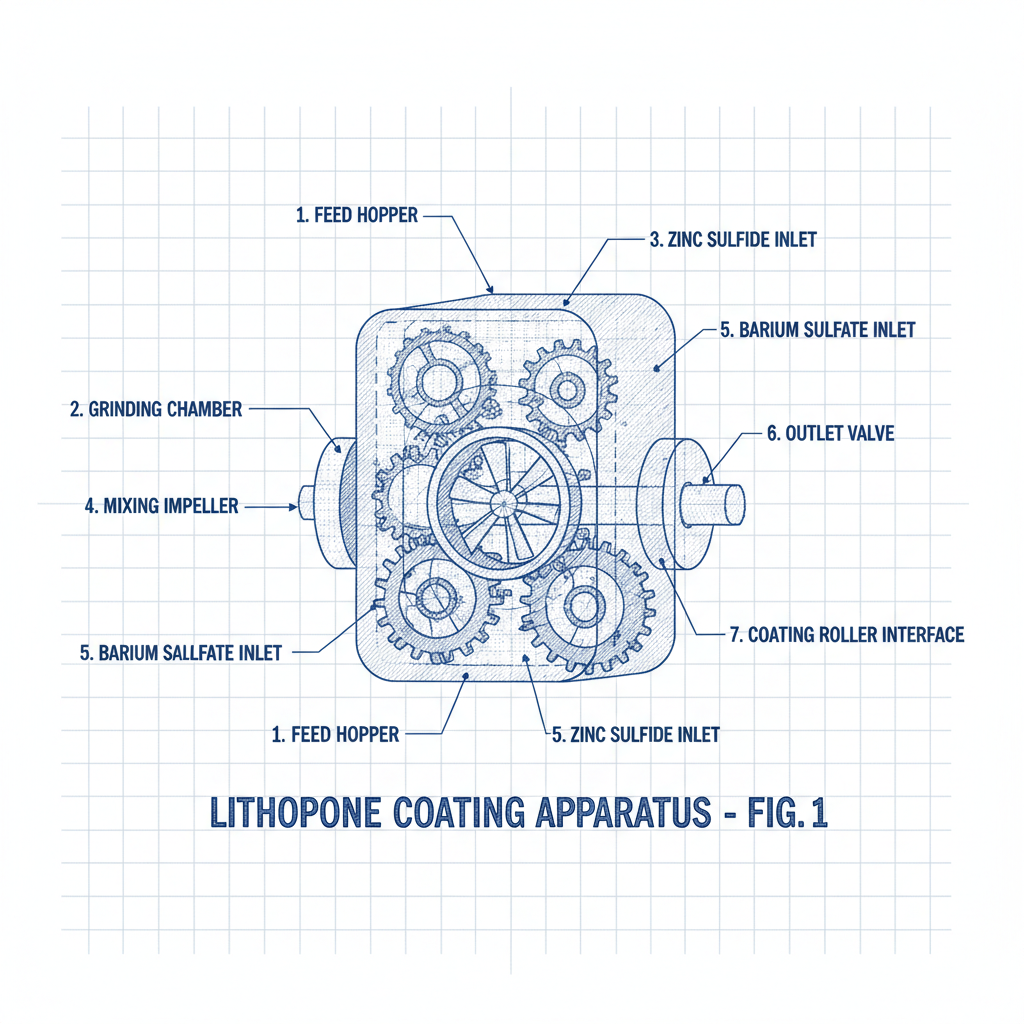
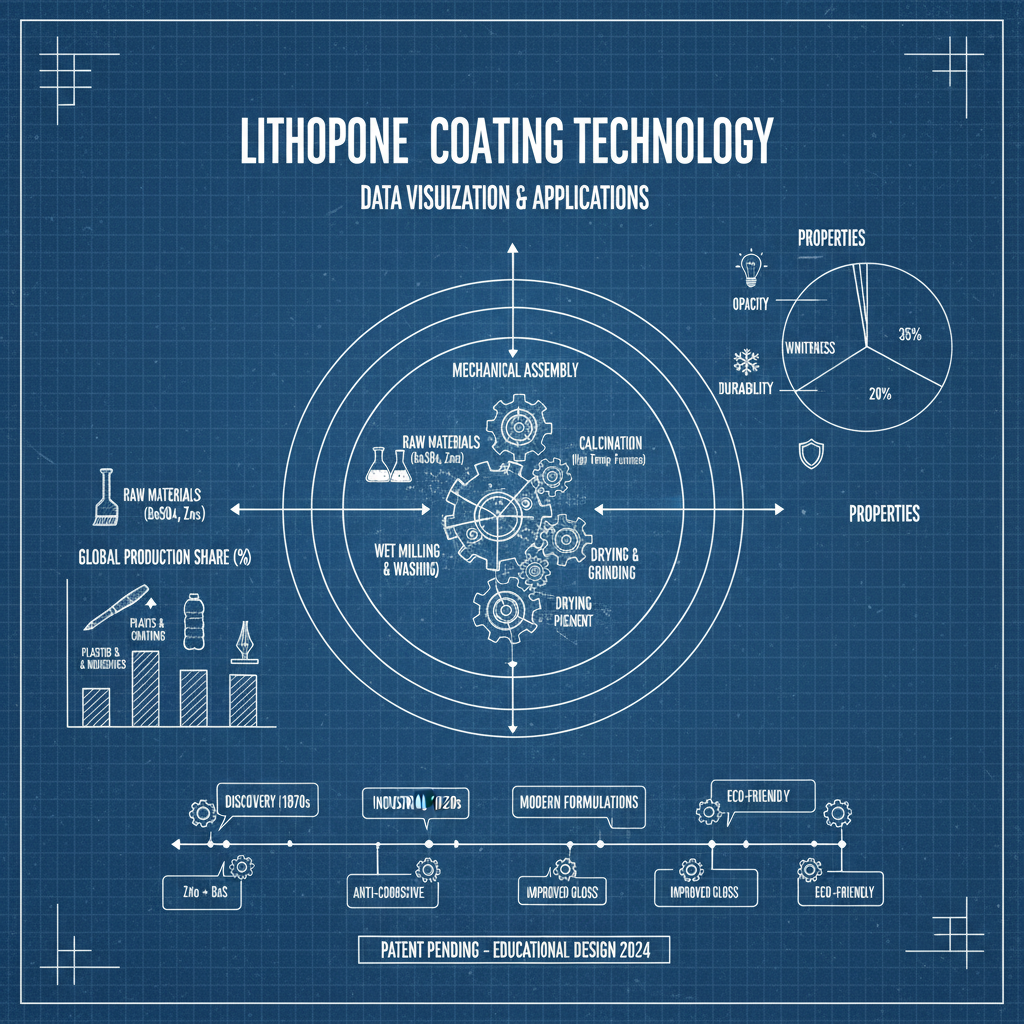
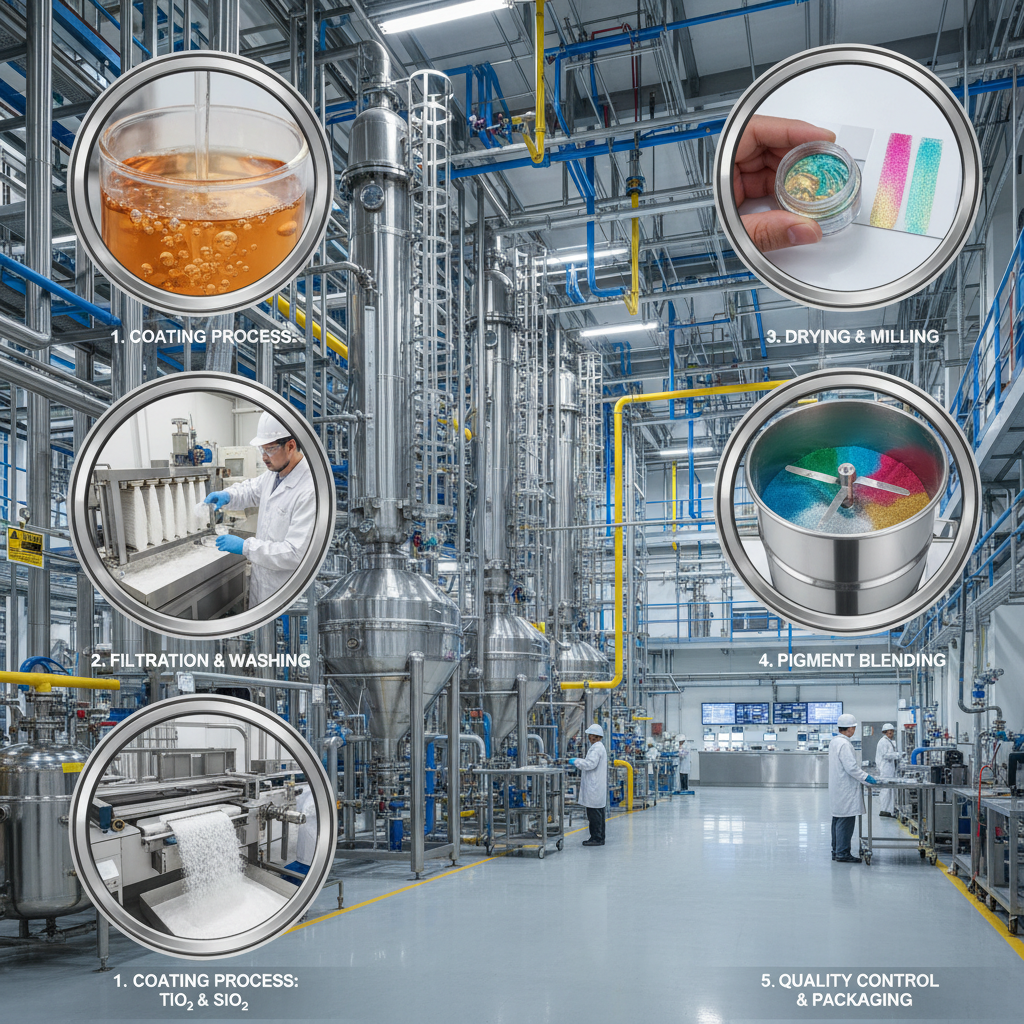
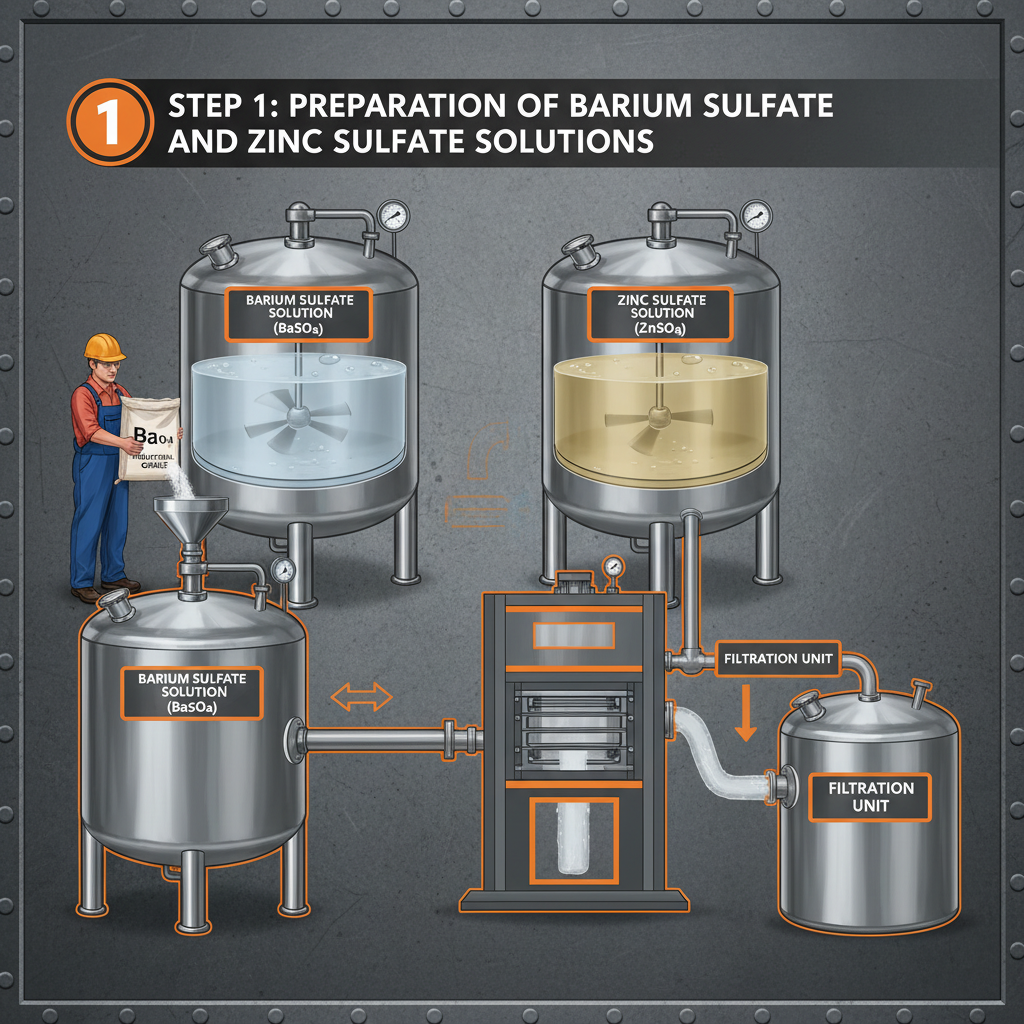
Lithopone for coating represents a significant advancement in protective surface treatments, offering a compelling blend of durability, opacity, and cost-effectiveness. Its unique composition, traditionally a mixture of zinc sulfide and barium sulfate, makes it an ideal pigment for various coating applications across industries. Understanding the properties and applications of lithopone for coating is crucial for professionals seeking high-performance, economical solutions in sectors ranging from paints and plastics to specialized industrial coatings.
The global demand for high-quality, affordable coatings is continuously increasing, driven by factors such as infrastructure development, automotive manufacturing, and growing consumer awareness of surface protection. Lithopone for coating addresses this need by providing a viable alternative to more expensive pigments like titanium dioxide in certain applications. This is particularly relevant in developing economies where cost is a primary concern, fostering its widespread adoption.
Furthermore, the versatility of lithopone for coating allows for customization based on specific application requirements. By adjusting the ratio of zinc sulfide to barium sulfate, manufacturers can fine-tune properties like opacity, brightness, and chemical resistance, making it a valuable asset in a diverse range of coating formulations.
Introduction to Lithopone for Coating
Lithopone for coating has a rich history, initially developed as a more affordable substitute for titanium dioxide. Its initial formulation comprised zinc sulfide and barium sulfate, providing a bright white pigment with good opacity. Today, advancements in manufacturing processes have enhanced its properties and expanded its application range.
This pigment continues to be favored in applications where cost is a significant factor, and where a high degree of brightness isn’t essential. Its ability to improve the hiding power of coatings and enhance their weather resistance makes it a practical choice in diverse industrial contexts.
Global Relevance and Industry Context
The coatings industry is a global market estimated at over $160 billion annually, with significant growth projected in emerging economies. Within this market, cost-effective pigments like lithopone for coating play a crucial role in enabling accessibility to protective coatings for a wider range of consumers and industries. According to industry reports, the demand for such pigments is particularly strong in the Asia-Pacific region, driven by rapid urbanization and infrastructure development.
One major challenge facing the coatings industry is balancing performance with sustainability. While titanium dioxide offers superior performance, its production can have environmental impacts. Lithopone for coating, while not a complete solution, offers a lower-impact alternative in specific applications, contributing to a more sustainable coatings ecosystem.
The increasing focus on lifecycle cost analysis is also driving demand for lithopone for coating. While the initial cost of a coating formulation may be higher with titanium dioxide, the longer-term durability and reduced maintenance requirements can offset this difference. However, in many scenarios, lithopone for coating provides a cost-effective and sufficient solution, particularly for applications with shorter service life requirements.
Defining Lithopone for Coating
Lithopone for coating is an inorganic white pigment comprised primarily of zinc sulfide (ZnS) and barium sulfate (BaSO4). It's created through a chemical process where zinc sulfide crystals are precipitated within a matrix of barium sulfate. This combination produces a pigment known for its opacity, brightness, and relatively low cost.
Unlike titanium dioxide, which relies solely on refractive index for opacity, lithopone achieves opacity through a combination of scattering and absorption. This means that lithopone for coating can effectively hide underlying surfaces, making it ideal for applications like paints, plastics, and paper coatings. Understanding this difference is key to selecting the appropriate pigment for a specific application.
Its connection to modern industry lies in its ability to provide affordable protection and aesthetic appeal to a wide range of products. In humanitarian contexts, it’s used in coatings for temporary shelters and sanitation facilities, contributing to improved living conditions in emergency situations. lithopone for coating's affordability makes it accessible in resource-constrained environments.
Key Properties of Lithopone for Coating
Several key properties define the performance of lithopone for coating. These include its opacity, which is its ability to hide underlying surfaces. The brightness, or whiteness, of the pigment affects the overall appearance of the coating. Chemical resistance determines its ability to withstand exposure to various substances without degradation.
Another critical property is its dispersibility, indicating how easily the pigment can be uniformly distributed throughout the coating matrix. Good dispersibility leads to better color development and performance. The particle size distribution also plays a crucial role, affecting properties like gloss and smoothness of the finished coating.
Lithopone for Coating Performance Metrics
Applications of Lithopone for Coating
Lithopone for coating finds widespread use in the paint industry, particularly in decorative paints, primers, and undercoats where a balance of cost and performance is required. It also serves as a cost-effective pigment in plastic applications, including PVC pipes, profiles, and films, providing opacity and whiteness.
Furthermore, lithopone is utilized in paper coatings to improve brightness and opacity, enhancing print quality. In post-disaster relief operations, coatings formulated with lithopone for coating are employed on temporary shelters to provide basic protection against the elements. In remote industrial zones, it offers a pragmatic solution for protecting infrastructure without incurring significant expense.
Advantages and Long-Term Value
The primary advantage of lithopone for coating lies in its cost-effectiveness, making it accessible to a broader range of applications and users. This affordability doesn't necessarily compromise performance, as it provides adequate opacity and brightness for many general-purpose coatings. Its relatively simple manufacturing process contributes to its lower cost compared to more complex pigments.
From a sustainability perspective, the use of lithopone can reduce reliance on titanium dioxide, which has a more environmentally intensive production process. The long-term value is realized through reliable performance and reduced costs, making it a practical choice for applications where extreme durability isn't paramount. This offers both economic benefits and a reduced environmental footprint.
Future Trends and Innovations
Research and development efforts are focused on enhancing the properties of lithopone for coating through surface treatments and modifications. Nano-coating techniques are being explored to improve dispersibility and brightness, potentially bridging the performance gap with titanium dioxide.
Integration with digital technologies, such as automated pigment dispersion systems, can optimize the performance of lithopone for coating in manufacturing processes. Furthermore, the growing emphasis on circular economy principles is driving research into methods for recovering and reusing barium sulfate from end-of-life coatings, promoting sustainability.
The adoption of green chemistry principles in the production of lithopone for coating could further minimize its environmental impact, aligning with global sustainability goals and regulatory trends.
FAQS
The main benefit of lithopone for coating is its lower cost compared to titanium dioxide. While titanium dioxide generally offers superior brightness and durability, lithopone provides a viable and economical alternative for applications where these properties are not critical. It’s a practical choice for projects with budget constraints or where a high level of performance isn't required.
Lithopone for coating can be used in outdoor applications, but its weather resistance is generally lower than that of coatings formulated with titanium dioxide. It’s best suited for outdoor uses in moderate climates or for coatings that will be periodically reapplied. Surface treatments can be used to enhance its weatherability, but it’s important to consider the specific environmental conditions.
The ratio of zinc sulfide to barium sulfate directly influences the pigment's properties. A higher zinc sulfide content generally increases brightness and opacity, but can also reduce chemical resistance. Conversely, a higher barium sulfate content improves chemical resistance but may reduce brightness. Manufacturers carefully control this ratio to achieve the desired performance characteristics for specific applications.
Lithopone for coating is compatible with a wide range of paint types, including acrylic, alkyd, and epoxy-based paints. However, its performance may vary depending on the specific paint formulation and application. It’s generally best suited for decorative paints, primers, and undercoats, and may not be ideal for high-performance industrial coatings.
Compared to titanium dioxide production, lithopone for coating generally has a lower environmental impact. However, the sourcing of zinc and barium sulfate should be considered, and responsible manufacturing practices are essential. Research into recovering and reusing barium sulfate from end-of-life coatings is ongoing to further improve its sustainability profile.
The lifespan of a coating containing lithopone for coating varies depending on the application, environmental conditions, and the overall quality of the formulation. Generally, it’s suitable for applications requiring a service life of several years, but it may not be as durable as coatings formulated with titanium dioxide in harsh environments. Regular maintenance and reapplication may be necessary.
Conclusion
Lithopone for coating remains a valuable and versatile pigment, offering a compelling combination of affordability, adequate performance, and increasing sustainability potential. Its ability to provide opacity and brightness in a cost-effective manner makes it a vital component in a wide array of applications, from paints and plastics to paper coatings and temporary shelters. Understanding its properties and limitations is key to optimizing its use and maximizing its long-term benefits.
Looking ahead, continued innovation in surface treatments and manufacturing processes will further enhance the performance and environmental profile of lithopone for coating. As the demand for sustainable and affordable coatings continues to grow, lithopone is poised to play an increasingly important role in meeting this challenge. Visit our website at www.cqtitaniumdioxide.com to learn more about our lithopone for coating products and solutions.