Lithopone for rubber, a composite pigment consisting of barium sulfate and zinc sulfide, plays a crucial role in enhancing the properties of rubber products globally. Its ability to impart whiteness, opacity, and improved mechanical strength makes it indispensable in various applications, from tires and industrial rubber goods to footwear and molded products. Understanding its functionalities and optimal usage is paramount for manufacturers seeking to improve product quality and performance.
The demand for high-performance rubber compounds is continually increasing, driven by industries like automotive, construction, and consumer goods. This growth necessitates efficient and cost-effective pigment solutions like lithopone for rubber. Challenges related to sustainability and material sourcing are also shaping the industry, leading to a focus on responsible production and innovative alternatives.
This exploration delves into the significance of lithopone for rubber, outlining its key characteristics, applications, advantages, and future trends. By understanding its capabilities, businesses can leverage this versatile material to meet evolving market demands and achieve a competitive edge.
Introduction to Lithopone for Rubber
Lithopone for rubber functions primarily as a reinforcing filler and opacifier in rubber compounds. It improves the physical characteristics of the rubber, such as tensile strength and abrasion resistance, contributing to increased durability and lifespan of the final product. Its high refractive index also makes it ideal for achieving a bright white finish.
The optimal concentration of lithopone for rubber varies depending on the specific rubber type and desired application. Careful consideration of particle size distribution and surface treatment is critical for maximizing its effectiveness. Improperly dispersed lithopone can lead to processing difficulties and diminished performance.
Global Relevance and Industry Context
The global rubber industry is a multi-billion dollar market, heavily reliant on additives like lithopone for rubber to meet demanding performance requirements. According to the International Rubber Study Group (IRSG), global natural rubber consumption is projected to continue its upward trajectory, driving demand for reinforcing fillers. This demand is particularly strong in emerging economies like China and India.
A significant challenge facing the industry is the increasing cost of raw materials, including traditional fillers. Lithopone for rubber provides a cost-effective alternative to more expensive materials like titanium dioxide, without significantly compromising performance in many applications. This is crucial for maintaining profitability in a competitive market.
Furthermore, growing environmental concerns are pushing manufacturers to seek sustainable material solutions. While lithopone itself isn’t inherently “green,” ongoing research is focused on optimizing its production processes to reduce environmental impact and exploring alternatives for barium and zinc sourcing.
Defining Lithopone for Rubber
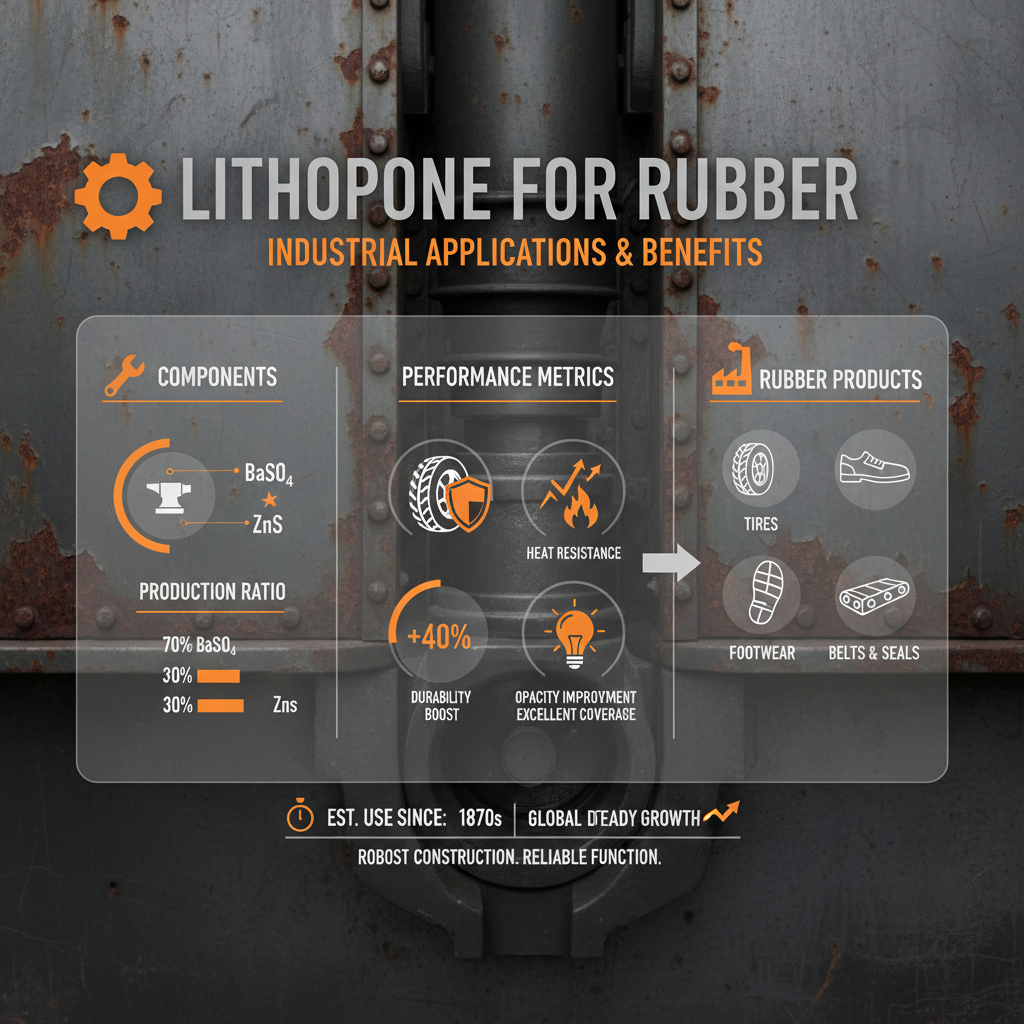
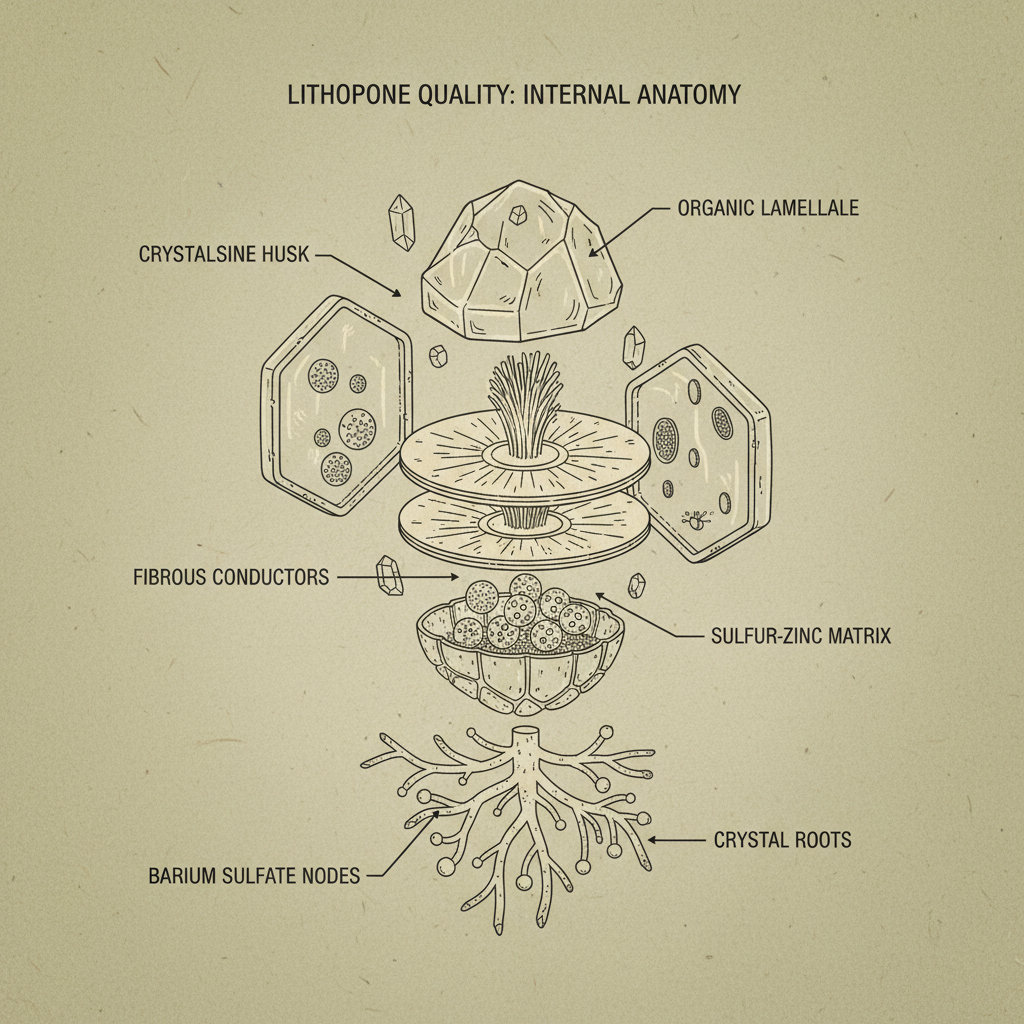
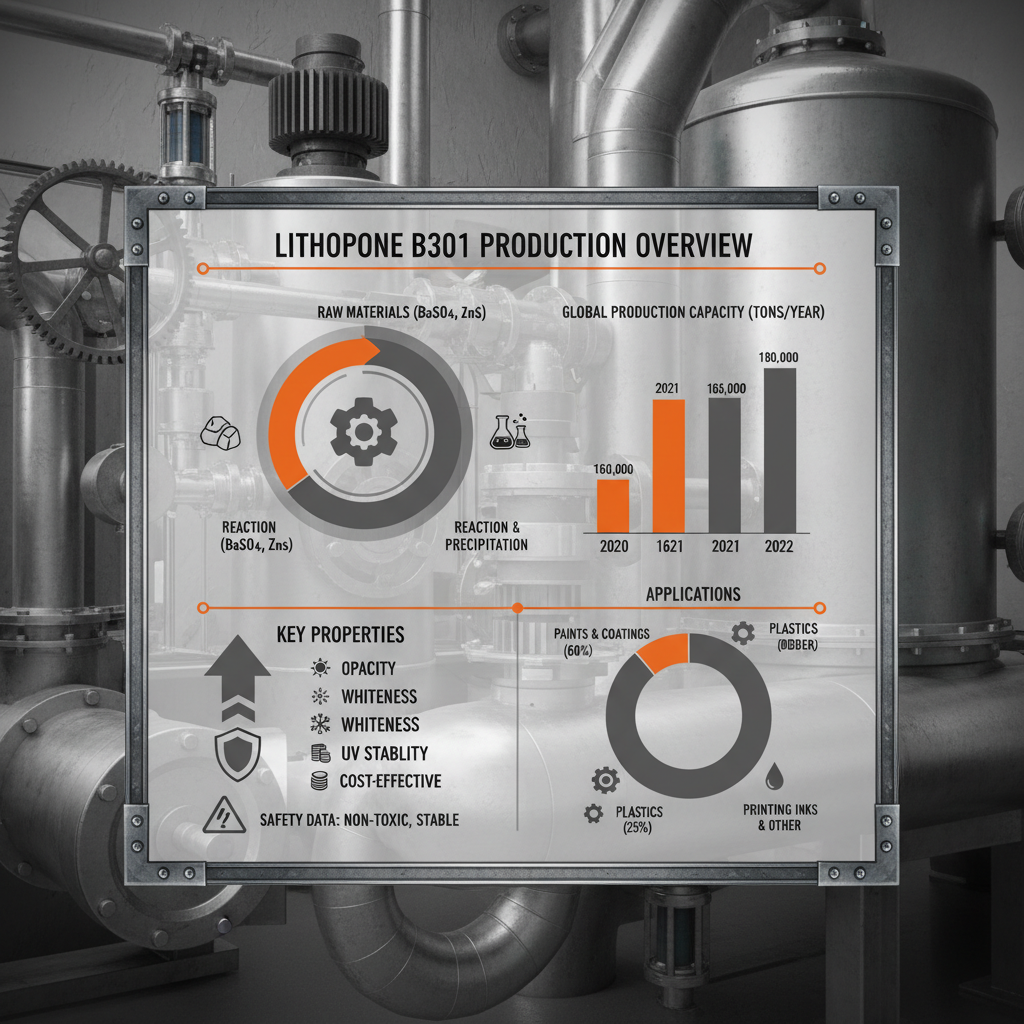
Lithopone for rubber is a synthetic pigment chemically composed of barium sulfate (BaSO₄) and zinc sulfide (ZnS). It’s not a single compound, but rather a carefully engineered mixture, typically containing around 30% zinc sulfide and 70% barium sulfate. The zinc sulfide component is responsible for its opacity and whiteness, while the barium sulfate acts as a stabilizing agent and contributes to its inertness.
Its connection to modern industry lies in its ability to provide a cost-effective and reliable white pigment for a wide range of rubber products. Unlike other white pigments like titanium dioxide, lithopone for rubber exhibits excellent dispersibility in rubber compounds, resulting in uniform coloration and improved physical properties. This makes it particularly valuable in applications where consistent quality is essential.
The application of lithopone in rubber extends beyond simple aesthetics. It offers functional benefits, improving resistance to degradation from UV exposure and enhancing overall durability. This is critical in products exposed to harsh environmental conditions, like outdoor tires or industrial seals.
Key Properties of Lithopone for Rubber
One of the most significant properties of lithopone for rubber is its opacity. This allows it to effectively mask the natural color of the rubber and provide a bright white finish, enhancing aesthetic appeal. It also helps to protect the rubber from UV degradation, extending its lifespan.
Secondly, lithopone boasts excellent dispersibility within rubber matrices. This ensures uniform distribution, preventing clumping and maximizing its reinforcing effect. Proper dispersion is crucial for achieving optimal mechanical properties and processing efficiency.
Lithopone for Rubber Property Comparison
Applications of Lithopone for Rubber Worldwide
Lithopone for rubber is widely used in the manufacture of rubber footwear, providing a bright white color and improving abrasion resistance. This is particularly important for athletic shoes and casual footwear where both aesthetics and durability are crucial. Significant applications exist in countries like China, Vietnam, and Indonesia, major hubs for footwear production.
The automotive industry utilizes lithopone for rubber in various components, including tires, seals, and hoses. Its reinforcing properties contribute to improved tire performance, while its resistance to degradation extends the lifespan of rubber seals and hoses exposed to harsh operating conditions. Global automotive manufacturers source these materials from suppliers worldwide.
Advantages and Long-Term Value
The primary advantage of utilizing lithopone for rubber is its cost-effectiveness. It presents a financially viable alternative to other white pigments, especially titanium dioxide, allowing manufacturers to maintain profitability without sacrificing quality. This is especially important for large-scale production runs.
Beyond cost, lithopone offers significant long-term value through enhanced product durability. Its ability to improve abrasion resistance and UV protection translates into longer-lasting rubber products, reducing the need for frequent replacements and ultimately lowering lifecycle costs for consumers.
Future Trends and Innovations
Ongoing research is focusing on enhancing the sustainability of lithopone for rubber production. This includes exploring alternative sourcing for barium and zinc, and developing more environmentally friendly manufacturing processes. The drive towards "green" rubber compounds is a major trend.
Nanotechnology is also playing a role, with researchers investigating the potential of nano-sized lithopone particles to further enhance dispersion and reinforcing properties. Digital transformation within the rubber industry is also driving demand for materials with consistent and predictable performance characteristics, areas where lithopone for rubber excels.
The development of surface treatments to improve compatibility with various rubber polymers is another area of innovation, expanding the applicability of lithopone for rubber to a wider range of compounds.
Summary of Lithopone for Rubber Performance Characteristics
A Concise Overview of Lithopone for Rubber Attributes
| Rubber Type Compatibility |
Concentration Range (%) |
Performance Enhancement |
Processing Considerations |
| Natural Rubber (NR) |
5-15 |
Increased tensile strength, improved abrasion resistance |
Good dispersion required for optimal results |
| Styrene-Butadiene Rubber (SBR) |
8-20 |
Enhanced whiteness, improved UV resistance |
Compatible with common SBR processing techniques |
| Ethylene Propylene Diene Monomer (EPDM) |
10-25 |
Improved weatherability, increased hardness |
May require specialized dispersion aids |
| Nitrile Rubber (NBR) |
5-12 |
Enhanced oil resistance, improved tear strength |
Potential for slight discoloration at high concentrations |
| Chloroprene Rubber (CR) |
7-18 |
Increased flame retardancy, improved abrasion resistance |
Good compatibility with CR processing |
| Silicone Rubber (VMQ) |
3-10 |
Improved opacity, enhanced thermal stability |
Lower loading levels typically used |
FAQS
The ideal particle size for lithopone used in rubber typically ranges from 0.5 to 2.0 micrometers. Smaller particle sizes can improve dispersion and opacity, while larger sizes may offer better cost-effectiveness. However, exceedingly small particles can pose processing challenges. Particle size distribution is a crucial factor impacting performance, with a narrow distribution generally preferred for consistent results. The specific size requirements depend on the rubber type and the desired end-product properties.
Lithopone for rubber generally doesn’t significantly interfere with the vulcanization process. However, high concentrations may slightly increase vulcanization time. It's essential to carefully optimize the formulation, including the type and amount of curing agents, to ensure proper vulcanization. In some cases, lithopone can act as a mild activator, potentially reducing the required amount of accelerators. Always conduct thorough testing to confirm compatibility with your specific rubber compound and vulcanization system.
While lithopone is often a cost-effective alternative to titanium dioxide, it's not a direct substitute in all applications. Titanium dioxide offers superior opacity and UV resistance, making it preferable for demanding applications requiring maximum performance. Lithopone excels where cost is a primary concern and a slight reduction in opacity or UV protection is acceptable. The choice depends on a balance between performance requirements, budget constraints, and desired product characteristics.
Common surface treatments for lithopone include silane coupling agents, stearic acid coating, and resin coatings. These treatments enhance its compatibility with various rubber polymers, improving dispersion, and reducing agglomeration. Silane coupling agents create a chemical bond between the pigment and the rubber matrix, leading to increased reinforcement and improved mechanical properties. The specific treatment applied depends on the rubber type and the desired performance characteristics.
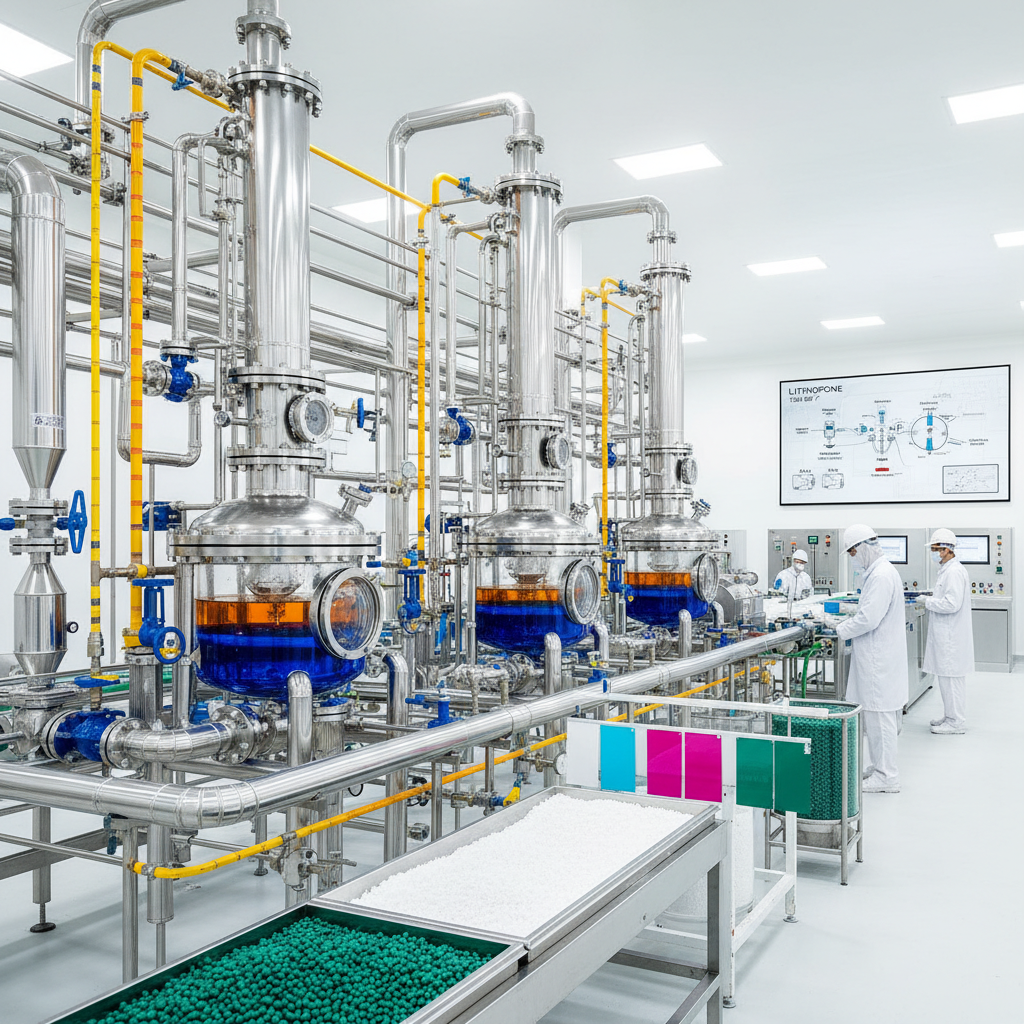
The primary environmental concerns related to lithopone stem from the sourcing of barium and zinc, and the energy consumption during production. Responsible manufacturers are focusing on sustainable sourcing practices and implementing energy-efficient manufacturing processes. While lithopone itself is generally considered inert and non-toxic, proper waste disposal is essential to prevent environmental contamination. Ongoing research aims to develop more environmentally friendly alternatives.
Increasing the concentration of lithopone generally increases the hardness, tensile strength, and abrasion resistance of the rubber compound, up to a certain point. However, exceeding the optimal concentration can lead to decreased elongation at break and increased brittleness. The optimal concentration varies depending on the rubber type and the desired balance of properties. Careful formulation and testing are crucial for achieving the desired performance characteristics.
Conclusion
In conclusion, lithopone for rubber remains a vital component in the rubber industry, offering a compelling combination of cost-effectiveness, performance enhancement, and versatility. Its ability to improve opacity, abrasion resistance, and UV protection makes it a valuable additive in a wide range of rubber products, from footwear and tires to industrial seals and hoses. Ongoing innovation focuses on enhancing its sustainability and expanding its applicability through nanotechnology and surface treatments.
Looking ahead, the future of lithopone for rubber is intertwined with the broader trends of sustainability, digitalization, and performance optimization. By embracing innovative technologies and adopting responsible sourcing practices, manufacturers can continue to leverage the benefits of this versatile pigment while minimizing its environmental impact. For more information on lithopone for rubber and its applications, visit our website: www.cqtitaniumdioxide.com