Lithopone b301, a composite pigment consisting of zinc sulfide and barium sulfate, plays a crucial role in numerous industries worldwide. Its unique properties, including high whiteness, opacity, and relatively low cost, make it a versatile alternative to titanium dioxide in various applications. Understanding the nuances of lithopone b301—its production, properties, and applications—is vital for manufacturers, researchers, and consumers alike. The global demand for cost-effective pigments, coupled with increasing environmental concerns surrounding some traditional options, positions lithopone b301 as an increasingly important material.
The significance of lithopone b301 extends beyond simple cost savings. Its consistent performance and compatibility with various binders and resins make it a reliable choice for applications ranging from paints and coatings to plastics and paper. As industries strive for sustainable practices, the comparatively lower environmental impact of lithopone b301 production, when compared to certain alternatives, adds to its appeal. This drives ongoing research and development aimed at optimizing its properties and expanding its use cases.
Ultimately, a comprehensive understanding of lithopone b301 allows for informed decisions regarding material selection, leading to improved product quality, reduced costs, and greater sustainability across a diverse range of sectors. Its continued relevance is assured by its ability to meet evolving industrial needs while remaining a commercially viable pigment.
The Core Properties of lithopone b301
Lithopone b301 is renowned for its exceptional whiteness and high refractive index, resulting in excellent opacity. This makes it an effective pigment for concealing underlying surfaces in paints, coatings, and plastics. Its chemical inertness contributes to its stability and resistance to degradation under various environmental conditions.
Beyond its optical properties, lithopone b301 exhibits good dispersibility in many media, facilitating uniform color distribution within the final product. Its particle size distribution is carefully controlled during manufacturing to optimize these performance characteristics. The combination of these properties makes it a preferred choice when cost-effectiveness is paramount without compromising key performance attributes.
The Global Production and Market of lithopone b301
The production of lithopone b301 is concentrated in several key regions, notably China, India, and Europe. China currently dominates the global market, accounting for a significant percentage of total production capacity. Increasing demand from the construction, automotive, and packaging industries drives the overall market growth.
Market analysis indicates a steady, though moderate, growth trajectory for lithopone b301. This is fueled by its competitive pricing and availability, particularly in emerging economies where cost is a major consideration. However, fluctuations in raw material prices (zinc sulfide and barium sulfate) can impact production costs and market stability.
Globally, the lithopone b301 market is estimated to be valued at approximately USD 250 million in 2023, with projections indicating a growth rate of 3-5% over the next five years, contingent on economic conditions and evolving industry preferences. Trade regulations and environmental policies also influence regional production and distribution patterns.
Chemical Composition and Manufacturing of lithopone b301
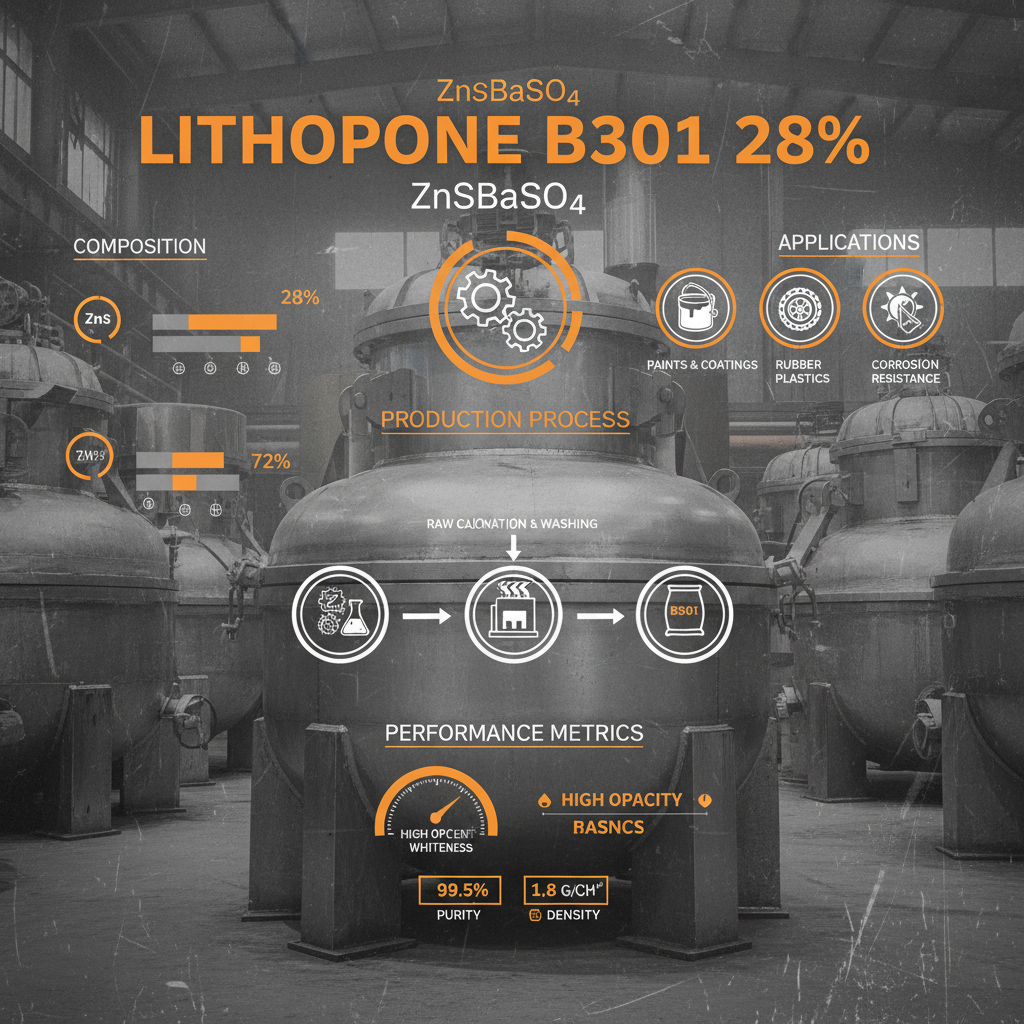
Lithopone b301 is composed primarily of zinc sulfide (ZnS) and barium sulfate (BaSO4). The typical ratio is approximately 30-50% zinc sulfide to 50-70% barium sulfate, although specific formulations can vary depending on the intended application. This precise blend is what gives lithopone b301 its unique characteristics.
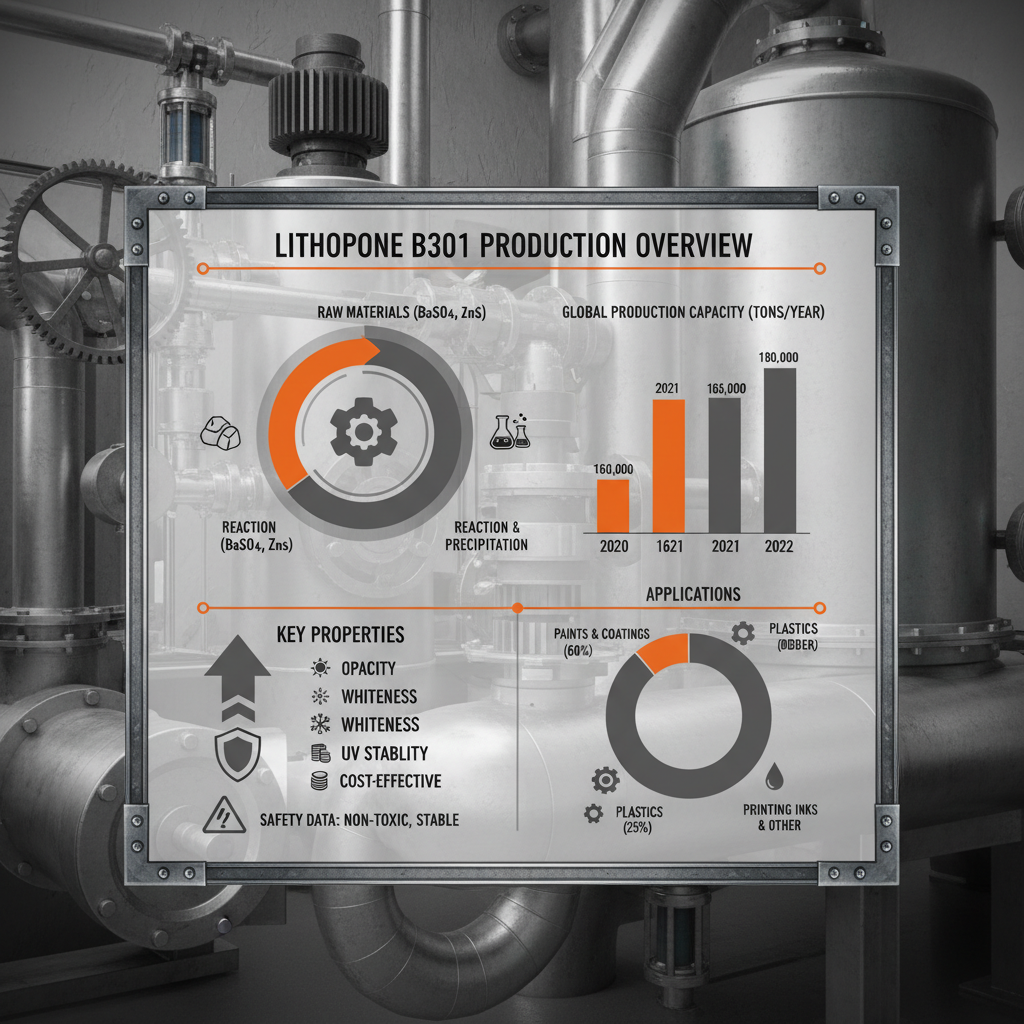
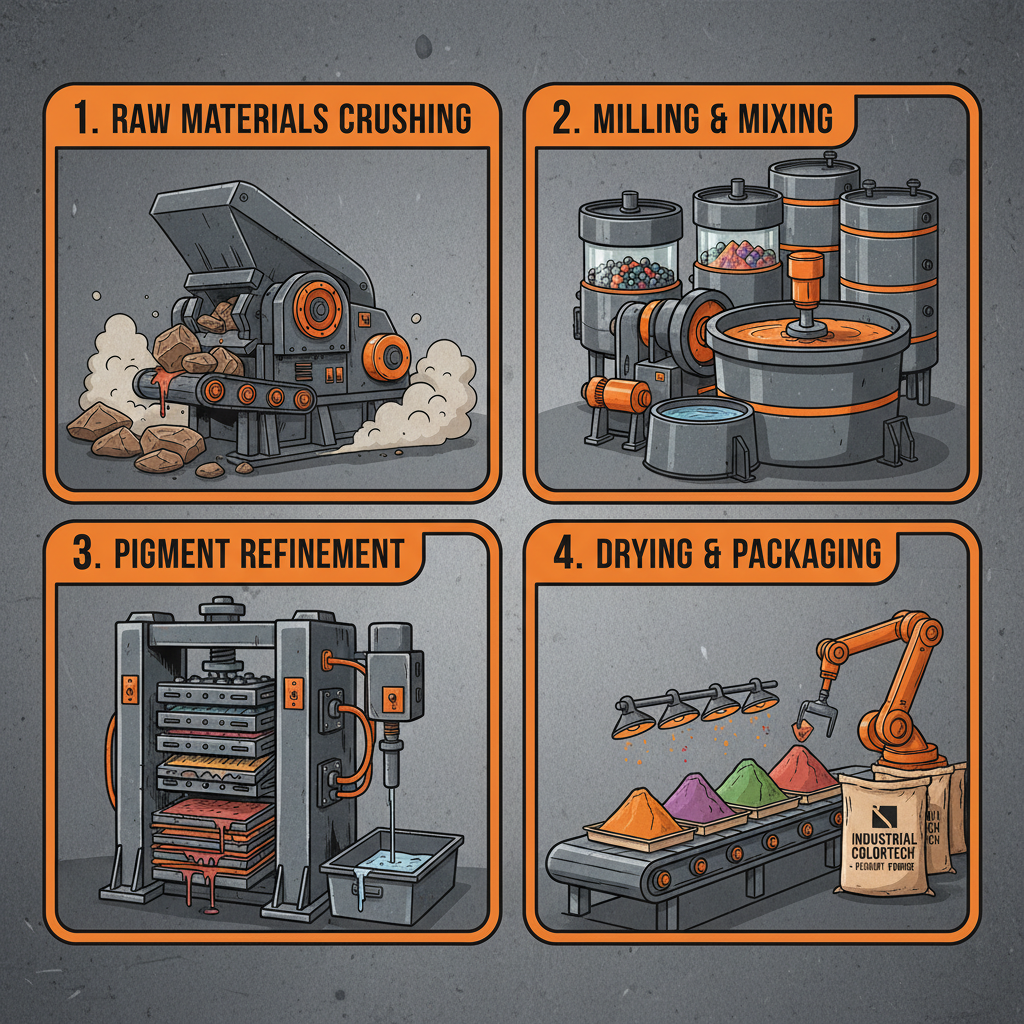
The manufacturing process generally involves a chemical precipitation reaction. Zinc sulfate and barium sulfide are reacted in a controlled environment, resulting in the formation of zinc sulfide and barium sulfate precipitates. These precipitates are then carefully washed, filtered, dried, and ground to the desired particle size. The quality of the raw materials and the precision of the process control significantly affect the final pigment properties.
Modern manufacturing techniques often incorporate additives to improve dispersibility, stability, and other performance characteristics. Quality control measures are implemented throughout the production process to ensure consistent product quality and adherence to industry standards.
Performance Characteristics of lithopone b301
Lithopone b301 excels in providing excellent hiding power due to its high refractive index. This is crucial in applications where complete opacity is required, such as paints and coatings. It also demonstrates good resistance to alkali and weathering, enhancing its durability in outdoor applications.
However, compared to titanium dioxide, lithopone b301 generally exhibits lower tinting strength and lower brightness. These characteristics require careful consideration when formulating colors and achieving desired aesthetic effects.
Performance Comparison of lithopone b301 Methods
Industrial Applications of lithopone b301
Lithopone b301 finds extensive use in the paint and coatings industry, serving as a cost-effective white pigment for both interior and exterior applications. It's particularly favored in emulsion paints, distempers, and decorative coatings. Its opacity helps achieve excellent coverage with minimal layers.
Beyond paints, lithopone b301 is incorporated into plastics to impart whiteness and opacity to products like PVC pipes, films, and molded components. It’s also used in paper manufacturing, where it enhances brightness and printability. Other applications include rubber products, printing inks, and certain cosmetic formulations.
Advantages and Limitations of Using lithopone b301
The primary advantage of lithopone b301 lies in its cost-effectiveness. It offers a significant price advantage over titanium dioxide, making it attractive for applications where premium performance isn’t essential. Its good dispersibility and chemical resistance also contribute to its widespread use.
However, lithopone b301 does have limitations. Its lower tinting strength requires more pigment to achieve comparable color intensity, potentially increasing overall costs. Its lower brightness can also limit its suitability for applications requiring exceptional whiteness. Furthermore, its sensitivity to UV light can result in yellowing over time if not properly stabilized.
Despite these limitations, the balance between cost and performance makes lithopone b301 a valuable pigment in numerous industrial sectors, especially in regions where affordability is a key driver.
Future Trends and Innovations in lithopone b301
Ongoing research is focused on enhancing the properties of lithopone b301 through surface treatments and modifications. Nano-coating techniques are being explored to improve its dispersibility, brightness, and UV resistance. These improvements aim to bridge the performance gap with titanium dioxide.
There’s also growing interest in developing more sustainable manufacturing processes for lithopone b301, reducing waste and minimizing environmental impact. This includes exploring alternative raw material sources and optimizing energy consumption during production.
The integration of lithopone b301 with other pigments and additives to create hybrid formulations with tailored properties is another promising area of innovation. These advancements could expand its application range and enhance its competitiveness in the evolving pigment market.
Summary of Key Factors Affecting lithopone b301 Performance
| Manufacturing Process |
Particle Size Distribution |
Zinc Sulfide to Barium Sulfate Ratio |
Surface Treatment |
| Precipitation Method |
Average Particle Size (µm) |
Ratio (%) |
Silicone Coating |
| Hydrothermal Synthesis |
0.2 - 0.5 |
40:60 |
Polyacrylate Coating |
| Spray Drying |
0.7 - 1.2 |
35:65 |
None |
| Sol-Gel Process |
0.1 - 0.3 |
50:50 |
Aluminum Oxide Coating |
| Microemulsion Synthesis |
0.3 - 0.6 |
45:55 |
Stearic Acid Coating |
| Direct Precipitation |
0.5 - 0.9 |
30:70 |
Modified Silicone Coating |
FAQS
Lithopone b301 is extensively used in the paint industry as a cost-effective white pigment in emulsion paints, distempers, and decorative coatings. It provides good opacity and hiding power, making it ideal for interior and exterior wall paints. Its alkali resistance also makes it suitable for cement-based paints. While it may not offer the same brilliance as titanium dioxide, its affordability makes it a popular choice, particularly in price-sensitive markets.
Lithopone b301 is significantly less expensive than titanium dioxide (TiO2). Generally, it’s priced at approximately 30-50% of the cost of TiO2, depending on market conditions and grade. This cost advantage makes it a viable alternative for applications where high brightness and tinting strength aren't critical, or where cost is the primary concern. The price difference is a key driver for its continued demand.
Lithopone b301 generally has a lower environmental impact than titanium dioxide production, especially regarding energy consumption and waste generation. However, both zinc and barium sources have associated environmental considerations. Ongoing efforts focus on developing more sustainable manufacturing processes for lithopone b301, including sourcing raw materials responsibly and minimizing waste.
The typical particle size range for lithopone b301 is between 0.2 and 1.2 micrometers (µm), although this can vary depending on the manufacturing process and intended application. Controlling the particle size distribution is crucial for optimizing properties such as dispersibility, opacity, and gloss. Finer particle sizes generally result in higher opacity and gloss.
Lithopone b301 has limited inherent UV resistance. Prolonged exposure to ultraviolet light can cause it to degrade and yellow over time. This can be mitigated by incorporating UV stabilizers into formulations containing lithopone b301, especially for outdoor applications. Surface treatments can also enhance its UV resistance to some extent.
Yes, lithopone b301 is commonly used in plastics, particularly in PVC applications, to impart whiteness and opacity. It’s also used in some polyethylene and polypropylene formulations. Its compatibility with various polymers makes it a versatile additive. However, the processing temperature needs to be carefully controlled to avoid degradation during plastic processing.
Conclusion
In conclusion, lithopone b301 remains a vital pigment in numerous industries, offering a compelling balance of performance and cost-effectiveness. Its unique properties, coupled with ongoing innovations in manufacturing and surface treatment, ensure its continued relevance in a dynamic market. Understanding its strengths and limitations is crucial for optimizing its application and achieving desired product characteristics.
Looking ahead, advancements in sustainable manufacturing practices and the development of novel surface coatings will further enhance the appeal of lithopone b301. By embracing these innovations, manufacturers can unlock its full potential and contribute to a more environmentally responsible and economically viable future. For further information and to explore our range of lithopone b301 products, visit our website: www.cqtitaniumdioxide.com