Lithopone for latex paint represents a significant advancement in paint formulation, offering a unique balance of opacity, durability, and cost-effectiveness. Its increasing adoption globally addresses a growing demand for high-performance coatings across diverse industries, from architectural applications to industrial maintenance. Understanding the nuances of lithopone's composition and application is crucial for professionals seeking to optimize paint quality and reduce manufacturing costs.
The global paint and coatings market is projected to reach substantial growth in the coming years, driven by infrastructure development, urbanization, and increasing consumer spending. Within this landscape, lithopone for latex paint emerges as a viable and sustainable alternative to traditional pigments like titanium dioxide, especially in applications where extreme whiteness isn’t paramount. This shift is fueled by fluctuating raw material prices and a broader industry focus on environmentally responsible solutions.
This exploration delves into the key characteristics of lithopone for latex paint, examining its benefits, applications, and future potential. By providing a comprehensive overview, this resource aims to equip industry professionals and enthusiasts with the knowledge necessary to make informed decisions regarding paint formulation and material selection.
Introduction to Lithopone for Latex Paint
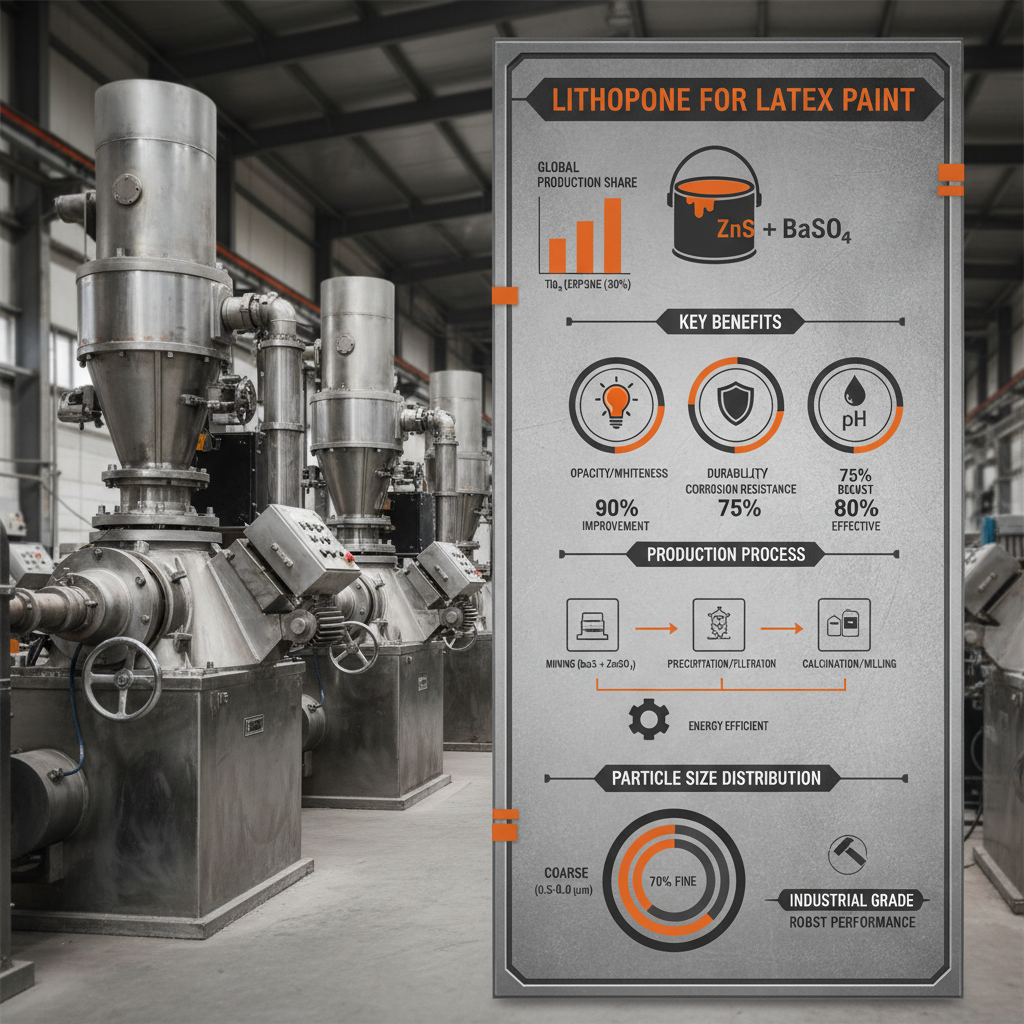
Lithopone for latex paint is a composite pigment consisting primarily of zinc sulfide (ZnS) and barium sulfate (BaSO4). It serves as a cost-effective alternative to titanium dioxide (TiO2) in many latex paint formulations, particularly in applications where a high degree of opacity isn’t critical. It’s been a staple in the paint industry for decades, offering a unique set of properties that make it suitable for a wide range of coatings.
The use of lithopone for latex paint isn't just about cost savings; it also contributes to specific performance characteristics in the final paint product, such as improved film integrity and enhanced resistance to cracking. Its particle size and morphology play a crucial role in light scattering, influencing the overall whiteness and hiding power of the paint.
Understanding Lithopone Composition
The precise ratio of zinc sulfide to barium sulfate in lithopone influences its final properties. Typically, a ratio of approximately 30-50% zinc sulfide to 50-70% barium sulfate is employed. Zinc sulfide provides the opacity and refractive index, while barium sulfate acts as a filler, contributing to the pigment’s bulk and overall stability. Careful control of particle size distribution during manufacturing is vital for optimal performance.
Beyond the primary components, lithopone often includes surface treatments, such as coatings with silicones or silicates, to improve dispersibility in latex binders and enhance resistance to moisture. These surface modifications are essential for ensuring a homogenous paint film and preventing settling of the pigment during storage.
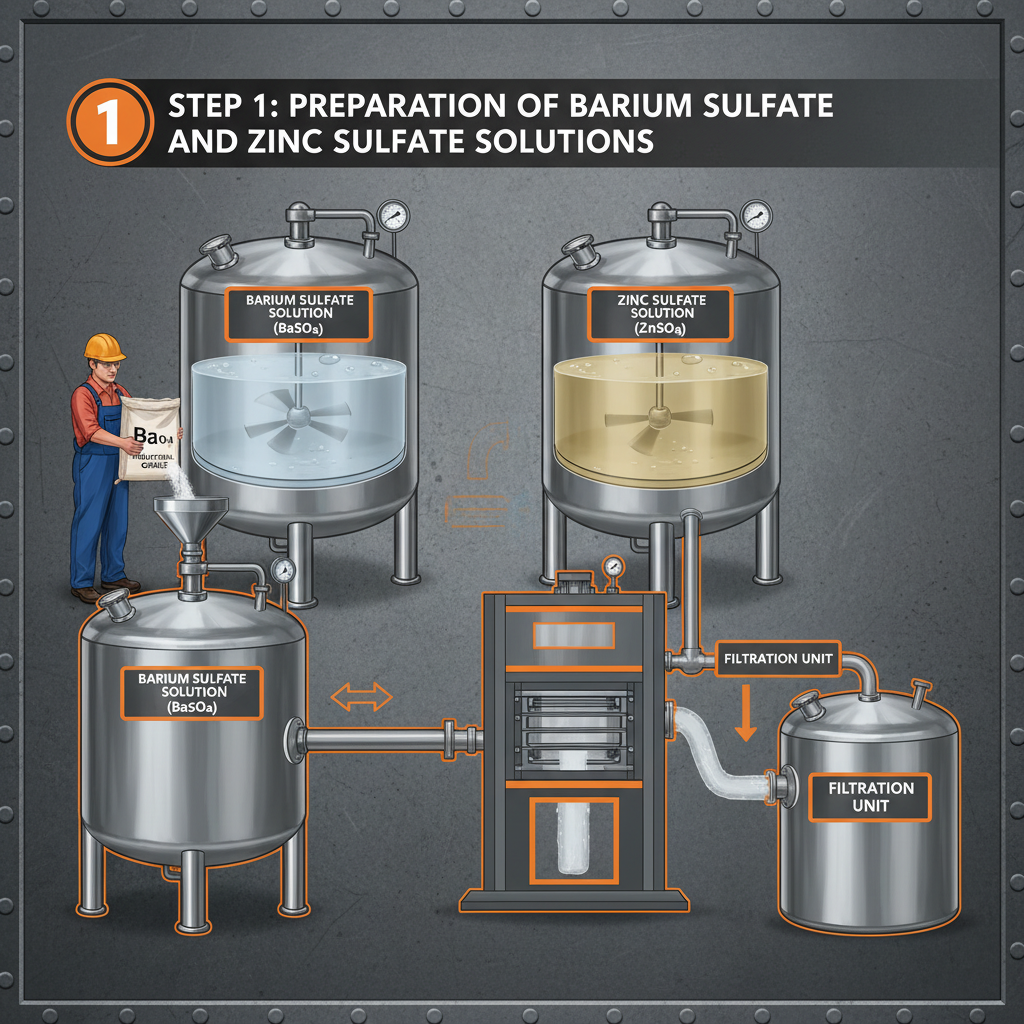
The quality of the raw materials used in lithopone production directly impacts its performance. High-purity zinc sulfide and barium sulfate are essential for achieving consistent color, opacity, and durability in the final latex paint. Impurities can affect the pigment's stability and contribute to undesirable color shifts over time.
Key Properties of Lithopone in Latex Paint
One of the most notable properties of lithopone for latex paint is its excellent dispersibility. It readily mixes with various latex binders, resulting in a homogenous paint formulation that resists settling and maintains consistent color throughout its shelf life. This ease of dispersion translates into efficient production processes and reduced manufacturing costs.
Lithopone also exhibits good chemical stability, making it resistant to degradation from exposure to common atmospheric pollutants and UV radiation. This stability contributes to the long-term durability of the paint film and helps maintain its aesthetic appearance over time. The whiteness index, while lower than TiO2, is sufficient for many decorative applications.
Furthermore, lithopone imparts a degree of flexibility to the paint film, reducing the likelihood of cracking and chipping, especially in applications subjected to temperature fluctuations or mechanical stress. This flexibility is particularly beneficial in exterior coatings and paints used on flexible substrates.
Performance Characteristics and Applications
The opacity of lithopone for latex paint is lower than that of titanium dioxide, making it more suitable for applications where complete hiding power isn’t a primary requirement. It excels in creating pastel shades and lighter colors, providing a soft, diffused appearance. This makes it ideal for interior walls and ceilings where a bright, stark white isn't desired.
Its good weathering resistance makes lithopone for latex paint appropriate for exterior applications, particularly in areas with moderate climates. However, for harsh environments with prolonged exposure to intense sunlight and extreme temperatures, it’s often used in combination with other pigments to enhance durability and color retention.
Lithopone for Latex Paint – Performance Comparison
Global Market Trends and Regional Usage
The demand for lithopone for latex paint is particularly strong in emerging economies, where cost sensitivity is a major factor in paint purchasing decisions. Regions like Southeast Asia, India, and South America represent significant growth markets for lithopone-based coatings. These areas often prioritize affordability without compromising on basic performance requirements.
In developed countries, lithopone is primarily used in niche applications, such as primers, undercoats, and paints for non-critical surfaces. Its compatibility with a wide range of latex binders makes it a versatile option for formulators seeking to optimize their paint recipes and reduce costs.
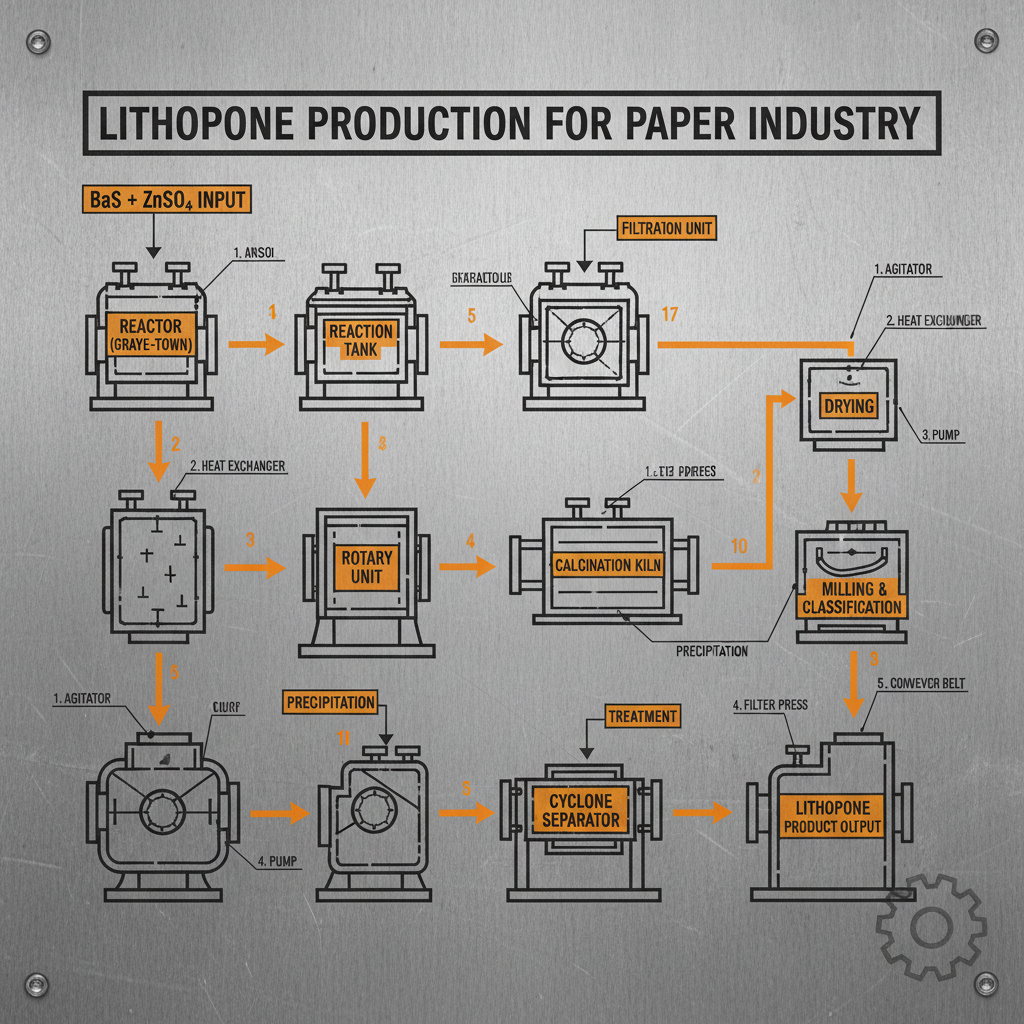
Growing awareness of environmental concerns is also driving interest in lithopone as a potential alternative to titanium dioxide, as its production process can be less energy-intensive and generate fewer harmful emissions. This trend aligns with the increasing demand for sustainable and eco-friendly paint products.
Advantages of Using Lithopone
The primary advantage of using lithopone for latex paint is its cost-effectiveness. It’s significantly cheaper than titanium dioxide, allowing paint manufacturers to reduce their production costs without sacrificing all performance characteristics. This cost advantage is particularly important in price-sensitive markets.
Furthermore, lithopone offers good hiding power in lighter shades and contributes to the overall durability of the paint film. Its inherent flexibility helps prevent cracking and chipping, extending the lifespan of the coating and reducing maintenance requirements.
Future Innovations and Sustainability
Research and development efforts are focused on enhancing the performance of lithopone through advanced surface treatments and particle engineering. These innovations aim to improve its opacity, weather resistance, and dispersibility, making it a more competitive alternative to titanium dioxide.
The integration of nanotechnology into lithopone production holds promise for creating pigments with enhanced optical properties and improved stability. Additionally, exploring sustainable sourcing of raw materials and optimizing manufacturing processes will contribute to a more environmentally responsible production cycle.
Lithopone for Latex Paint – Comparative Analysis
| Pigment Type |
Cost (USD/kg) |
Opacity Rating (1-10) |
Weather Resistance (1-10) |
| Lithopone |
2.50 |
6 |
7 |
| Titanium Dioxide (Rutile) |
5.00 |
10 |
9 |
| Zinc Oxide |
4.00 |
7 |
8 |
| Iron Oxide (Yellow) |
1.00 |
5 |
6 |
| Carbon Black |
3.00 |
8 |
7 |
| Chrome Oxide Green |
3.50 |
7 |
9 |
FAQS
The main difference lies in opacity and cost. Titanium dioxide offers significantly higher opacity, resulting in brighter whites and superior hiding power. However, it’s substantially more expensive than lithopone. Lithopone is a cost-effective alternative suited for applications where extreme whiteness isn’t essential, providing sufficient opacity for pastel shades and undercoats.
Lithopone can be used in exterior latex paint, especially in moderate climates. However, its weather resistance is lower than titanium dioxide. For harsh environments with prolonged sun exposure, it's often combined with TiO2 or other UV-resistant pigments to enhance durability and color retention. Proper formulation is crucial for achieving acceptable performance.
Lithopone imparts a degree of flexibility to the paint film, making it less prone to cracking and chipping, particularly under temperature fluctuations. This flexibility contributes to the overall durability of the coating. While not as durable as TiO2 alone, it still offers respectable performance for many applications.
Lithopone is generally compatible with most common latex binders, including acrylic, vinyl acrylic, and styrene-acrylic emulsions. However, it's important to verify compatibility during formulation, as the specific binder chemistry can influence dispersion and overall performance. Surface treatments on the lithopone pigment can further improve compatibility.
Compared to titanium dioxide production, lithopone manufacturing can sometimes have a lower environmental footprint. However, it’s crucial to ensure responsible sourcing of raw materials and adherence to environmental regulations during the manufacturing process. Ongoing research aims to develop more sustainable production methods for lithopone.
Particle size distribution is critical. Smaller particle sizes generally lead to better dispersion and higher opacity, while larger particles contribute to improved durability and scrub resistance. Manufacturers carefully control particle size during production to optimize the pigment’s performance characteristics for specific applications. A consistent particle size ensures homogenous color and performance.
Conclusion
Lithopone for latex paint remains a valuable pigment option for paint manufacturers seeking a cost-effective alternative to titanium dioxide. Its unique combination of properties – good dispersibility, chemical stability, and flexibility – makes it suitable for a wide range of applications, particularly in markets where affordability is paramount. Understanding its limitations and leveraging advancements in surface treatment and particle engineering are key to maximizing its performance.
Looking ahead, continued innovation in lithopone production, coupled with a growing emphasis on sustainability, will further enhance its appeal. By exploring new sourcing methods and optimizing manufacturing processes, the industry can unlock the full potential of this versatile pigment and contribute to the development of more eco-friendly and affordable paint solutions. Visit our website at www.cqtitaniumdioxide.com for more information and to explore our lithopone product range.