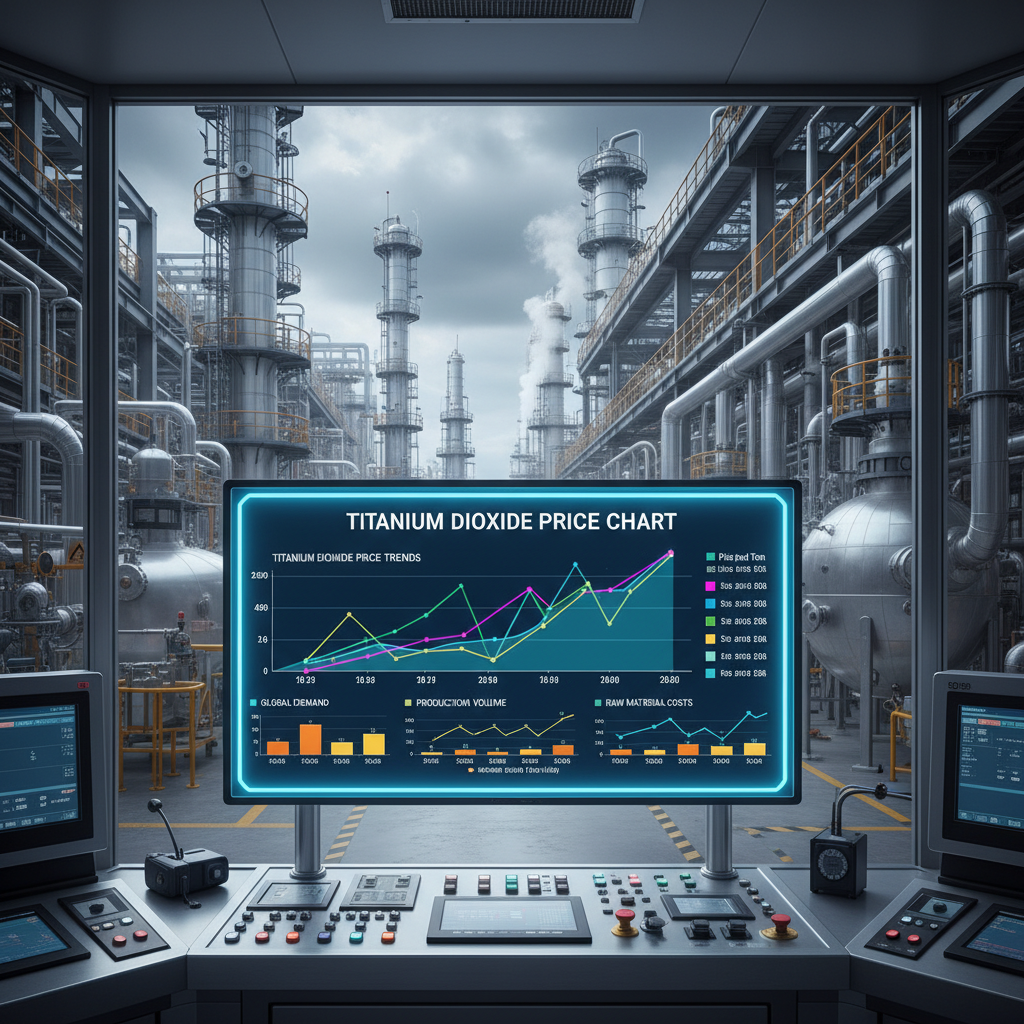
Navigating the volatility of raw material costs is a primary challenge for manufacturers in the coatings, plastics, and paper industries. A comprehensive titanium dioxide price chart serves as more than just a visual representation of numbers; it is a strategic tool for procurement managers to hedge risks and optimize production costs. By tracking these trends, businesses can avoid the pitfalls of spot-market spikes and ensure a stable supply chain.
Globally, the demand for high-opacity white pigments continues to grow, driven by infrastructure development in emerging economies and the evolution of high-performance automotive coatings. Understanding the fluctuations within a titanium dioxide price chart allows stakeholders to correlate price shifts with geopolitical events, energy costs, and raw ore availability, transforming dry data into actionable commercial intelligence.
For those managing portfolios involving Barium Sulfate, Lithopone, or various other pigments, the movements in TiO2 often set the benchmark for the wider industry. This guide explores the mechanics behind the titanium dioxide price chart, offering insights into the macroeconomic drivers and technical factors that influence the cost of this essential inorganic salt.
Global Market Dynamics of Titanium Dioxide Pricing
The global market for titanium dioxide is characterized by a complex interplay between raw material availability—specifically ilmenite and rutile ores—and the energy intensity of the production process. When analyzing a titanium dioxide price chart, one can often see the reflection of global energy crises or shipping disruptions, as the logistics of transporting heavy inorganic salts significantly impact the final landed cost.
Furthermore, environmental regulations in major producing hubs, particularly in Asia, often lead to temporary plant closures. These "supply shocks" create sharp upward trajectories on the price chart, forcing manufacturers of paints and plastics to seek alternative pigments or lock in long-term contracts to maintain their margins.
Understanding the Components of a Price Chart
A professional titanium dioxide price chart typically tracks several distinct metrics: the spot price, the contract price, and the regional average. The spot price reflects immediate market availability and is highly volatile, whereas contract prices provide a smoothed average over a quarter or a year, offering stability for large-scale industrial users.
Another critical component is the distinction between Anatase and Rutile grades. Rutile TiO2, known for its superior durability and UV resistance, generally commands a premium price. This divergence is clearly visible on a detailed chart, where the Rutile curve often sits above the Anatase curve, reflecting the higher processing costs and superior performance characteristics.
Finally, the chart integrates external economic indicators, such as the cost of chlorine and sulfuric acid. Since these chemicals are fundamental to the sulfate and chloride processes, their price movements act as leading indicators for the overall cost of titanium dioxide, allowing savvy buyers to predict price hikes before they occur.
Key Factors Influencing Price Volatility
Energy consumption is perhaps the most significant driver of the titanium dioxide price chart. The chemical reaction required to refine titanium ore is energy-intensive; therefore, fluctuations in natural gas or electricity prices directly translate to shifts in the cost per ton of the finished pigment.
Raw material scarcity, particularly for high-grade rutile ore, often triggers sudden spikes. When the primary mines in Africa or Australia experience operational delays, the global inventory drops, and the titanium dioxide price chart reflects an immediate bullish trend as buyers compete for limited stockpiles.
Trade policies and tariffs also play a pivotal role. In an era of shifting trade alliances, import duties on inorganic salts can artificially inflate the price chart in specific regions, leading companies to pivot toward domestic suppliers or alternative white pigments like Barium Sulfate or Lithopone to maintain cost-efficiency.
Comparative Analysis of Production Methods
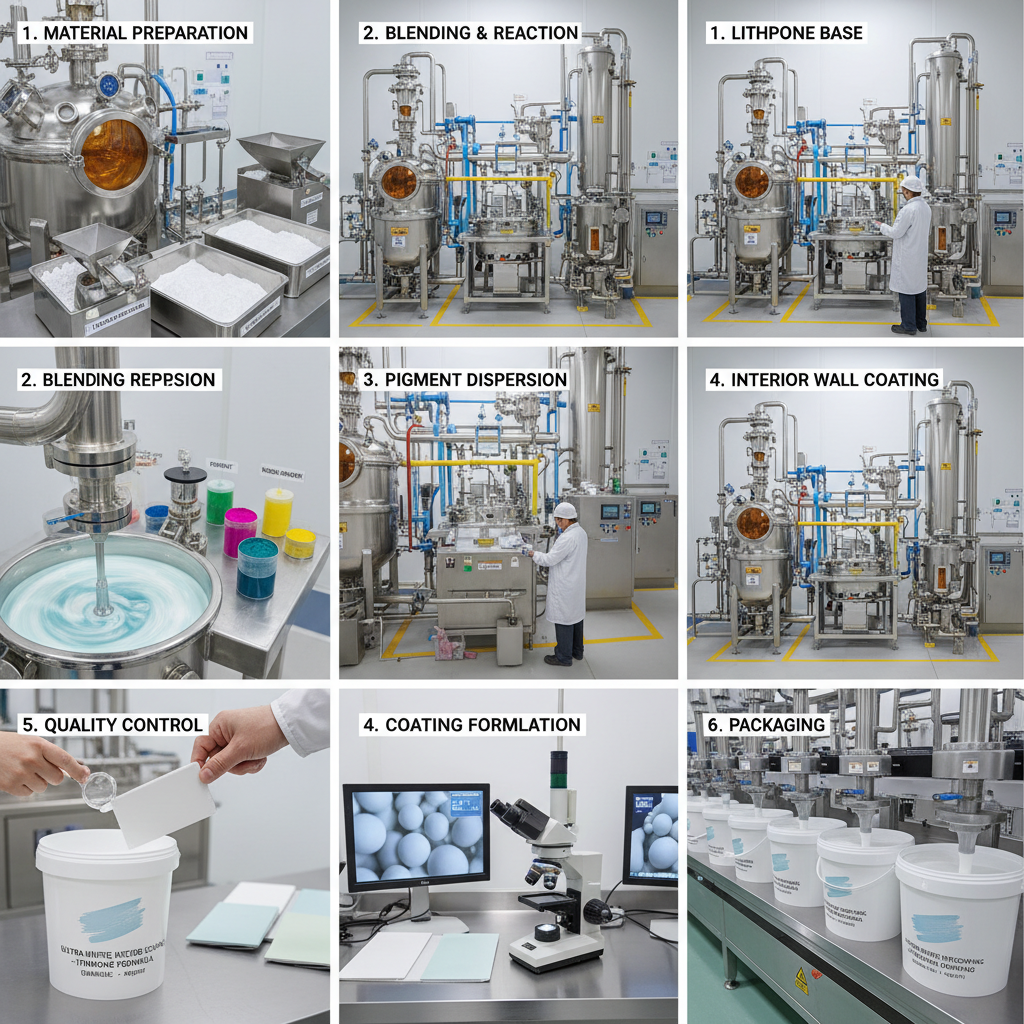
The two primary methods of production—the Sulfate process and the Chloride process—each influence the titanium dioxide price chart differently. The Sulfate process is more common and versatile but generates more waste, leading to higher environmental compliance costs that can drive prices up in strictly regulated markets.
The Chloride process, while more capital-intensive to establish, is generally more efficient and produces a higher-quality pigment. This efficiency often leads to a more stable price floor on the chart for chloride-grade products, whereas sulfate-grade products may fluctuate more based on the cost of acid recovery.
Production Efficiency vs. Cost Impact (TiO2 Price Chart Analysis)
Industrial Applications and Demand Correlation
The demand from the construction sector is the primary engine behind the movements in the titanium dioxide price chart. As urban development accelerates in Southeast Asia and India, the need for high-opacity exterior paints surges, creating a sustained upward pressure on prices during the peak building seasons.
In contrast, the plastics and polymers industry requires high-purity TiO2 for masterbatches. While the volume is lower than in the paint industry, the requirement for specialized grades means that any disruption in high-purity production is immediately reflected as a spike in the premium segment of the price chart.
Long-term Value and Strategic Procurement
Relying solely on the spot market is a risky strategy for any manufacturer. By studying the historical trends of the titanium dioxide price chart, procurement officers can identify cyclical patterns—such as the typical Q3 dip or the year-end surge—allowing them to purchase inventory when costs are lowest.
Furthermore, diversifying the pigment portfolio is a logical response to price volatility. Integrating Barium Sulfate or other fillers can reduce the overall dependency on TiO2, effectively lowering the "weighted average cost" of a product's opacity and providing a safety buffer against extreme price peaks.
Ultimately, the goal is to move from reactive buying to predictive procurement. Using a reliable titanium dioxide price chart in conjunction with market intelligence allows firms to secure their margins and offer more competitive pricing to their end customers.
Future Trends in Pigment Pricing and Sustainability
The future of the titanium dioxide price chart will be heavily influenced by the transition toward "Green Chemistry." New regulations regarding the disposal of sulfate waste are forcing plants to invest in expensive recycling technologies, which may lead to a higher, but more stable, price floor for the pigment.
Digital transformation is also altering how prices are discovered. Real-time data feeds and AI-driven forecasting are making the titanium dioxide price chart more transparent, reducing the information asymmetry between large producers and small-to-medium enterprises.
As we move toward a circular economy, the development of recycled TiO2 and the use of bio-based alternatives could introduce new variables to the pricing equation, potentially decoupling the cost of white pigments from traditional ore mining.
Analysis of TiO2 Pricing Factors and Market Impact
| Driving Factor |
Influence Level |
Chart Impact Direction |
Typical Duration |
| Natural Gas Prices |
High |
Positive (Upward) |
Short to Medium Term |
| Environmental Audits |
Medium |
Positive (Upward) |
Seasonal/Periodic |
| Ore Grade Availability |
High |
Variable |
Long Term |
| Global Shipping Rates |
Low |
Positive (Upward) |
Short Term |
| Real Estate Growth |
Medium |
Positive (Upward) |
Medium Term |
| Substitution by Lithopone |
Low |
Negative (Downward) |
Long Term |
FAQS
Price fluctuations are primarily driven by the volatility of energy costs (natural gas/electricity) and the supply of raw ores. Because the production of TiO2 is energy-intensive, any change in utility pricing is quickly passed down the supply chain. Additionally, environmental regulations in China and Europe often cause sudden production halts, creating supply shortages that drive prices up on the spot market.
Rutile titanium dioxide is more expensive because it has a higher refractive index and better weather resistance, making it ideal for outdoor paints. Anatase is generally cheaper and used for indoor applications or specialized plastics. On a price chart, Rutile typically maintains a higher baseline price due to the more complex processing required to achieve its crystal structure.
Look for historical seasonal patterns. Often, prices dip during the winter months in the Northern Hemisphere when construction slows down. By monitoring the titanium dioxide price chart for a "plateau" following a peak, you can identify a potential entry point to lock in long-term contracts before the spring demand surge begins.
Yes, depending on the application. Barium Sulfate and Lithopone are common alternatives for providing opacity and whiteness at a lower cost. While they may not offer the same UV protection or brightness as pure titanium dioxide, blending them can significantly reduce the total cost of raw materials without compromising the quality of the final product.
Yes. Chloride-grade TiO2 is often more price-stable because the process is more efficient and less prone to the fluctuating costs of waste management. Sulfate-grade pricing can be more erratic, as it is more sensitive to the cost of sulfuric acid and the regulatory costs associated with "acid rain" prevention and waste disposal.
Tariffs create regional price discrepancies. For example, if a country imposes a high import duty on foreign titanium dioxide, the local price chart will spike regardless of the global market trend. This often encourages manufacturers to source from local producers or switch to alternative pigments to avoid the added tax burden.
Conclusion
Monitoring the titanium dioxide price chart is an essential practice for any organization relying on high-performance white pigments. From understanding the energy-driven cost structures to navigating the technical differences between Rutile and Anatase grades, a data-driven approach to procurement minimizes risk and maximizes profitability. By correlating price movements with global industrial trends and environmental policies, companies can transform their supply chain from a cost center into a competitive advantage.
Looking forward, the industry will likely shift toward more sustainable production methods and transparent, real-time pricing models. We recommend that procurement managers diversify their pigment sources and utilize predictive analytics to anticipate market shifts. For those seeking stable, high-quality pigments and the latest market insights, visit our website: www.cqtitaniumdioxide.com