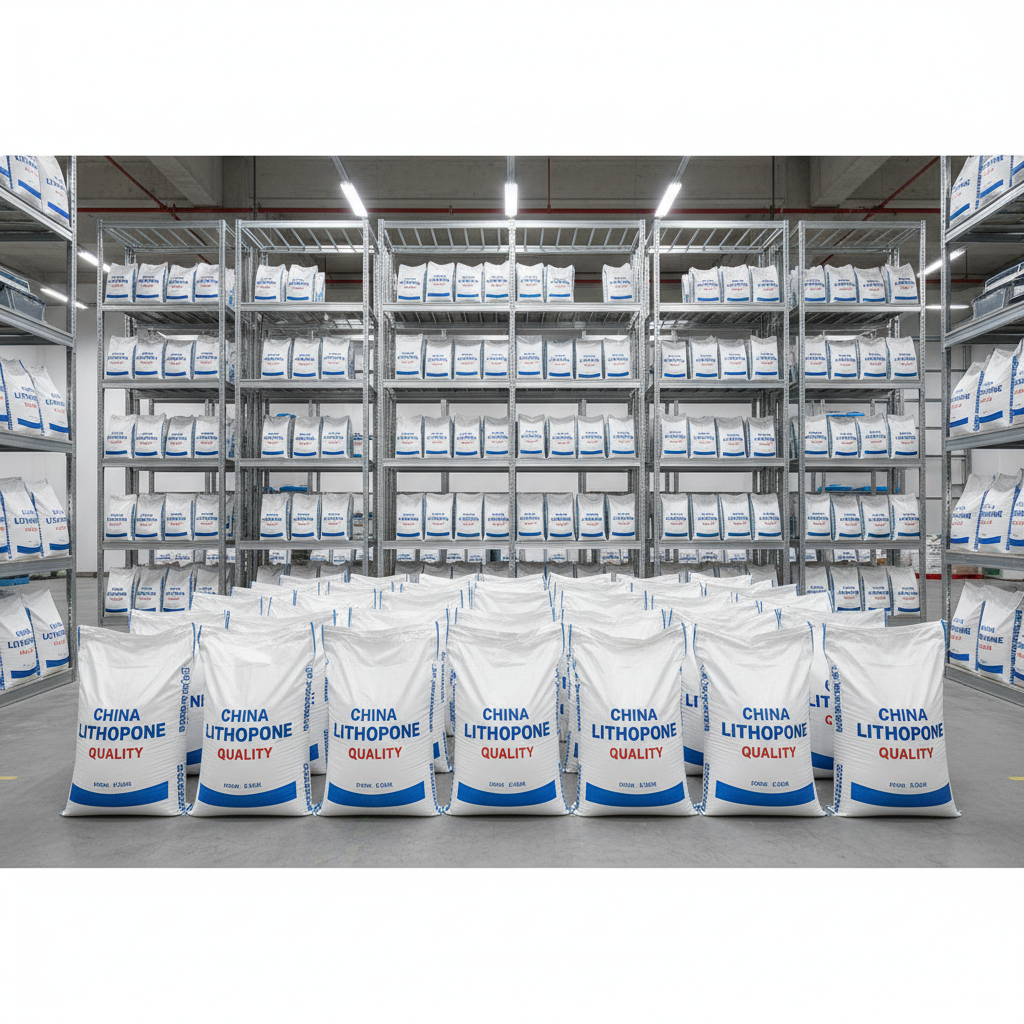
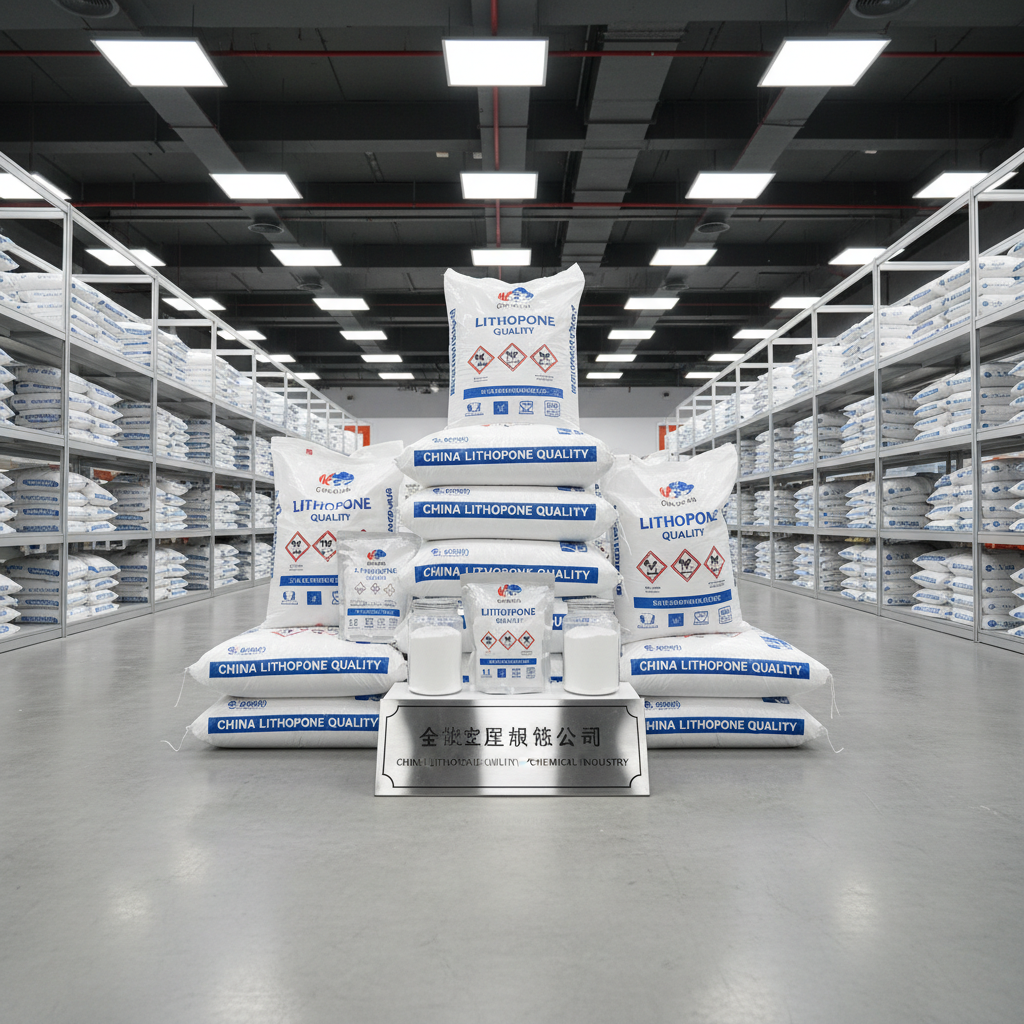
China lithopone quality is a critical factor in a diverse range of industrial applications, from paints and coatings to plastics and even specialized ceramics. Ensuring consistently high china lithopone quality is paramount for achieving desired product performance, longevity, and aesthetic appeal. This extends beyond simply meeting basic compositional requirements; it encompasses aspects like particle size distribution, whiteness, opacity, and dispersion properties. The global demand for high-quality pigments, including lithopone, is steadily increasing, driven by growth in construction, automotive, and consumer goods sectors.
The significance of understanding china lithopone quality stems from its direct impact on end-product characteristics and cost-effectiveness. Substandard lithopone can lead to diminished opacity, color instability, and reduced durability, ultimately impacting brand reputation and customer satisfaction. Consequently, manufacturers are increasingly focused on sourcing lithopone from reliable suppliers who demonstrate a commitment to stringent quality control measures and adhere to international standards. This demand has spurred innovation in manufacturing processes and quality assessment techniques.
Furthermore, the growing emphasis on environmental sustainability necessitates a focus on the production of eco-friendly lithopone. This includes minimizing waste, reducing energy consumption, and utilizing responsibly sourced raw materials. The ability to consistently deliver china lithopone quality that meets both performance and sustainability criteria is becoming a key differentiator in the competitive pigment market.
Defining China Lithopone Quality
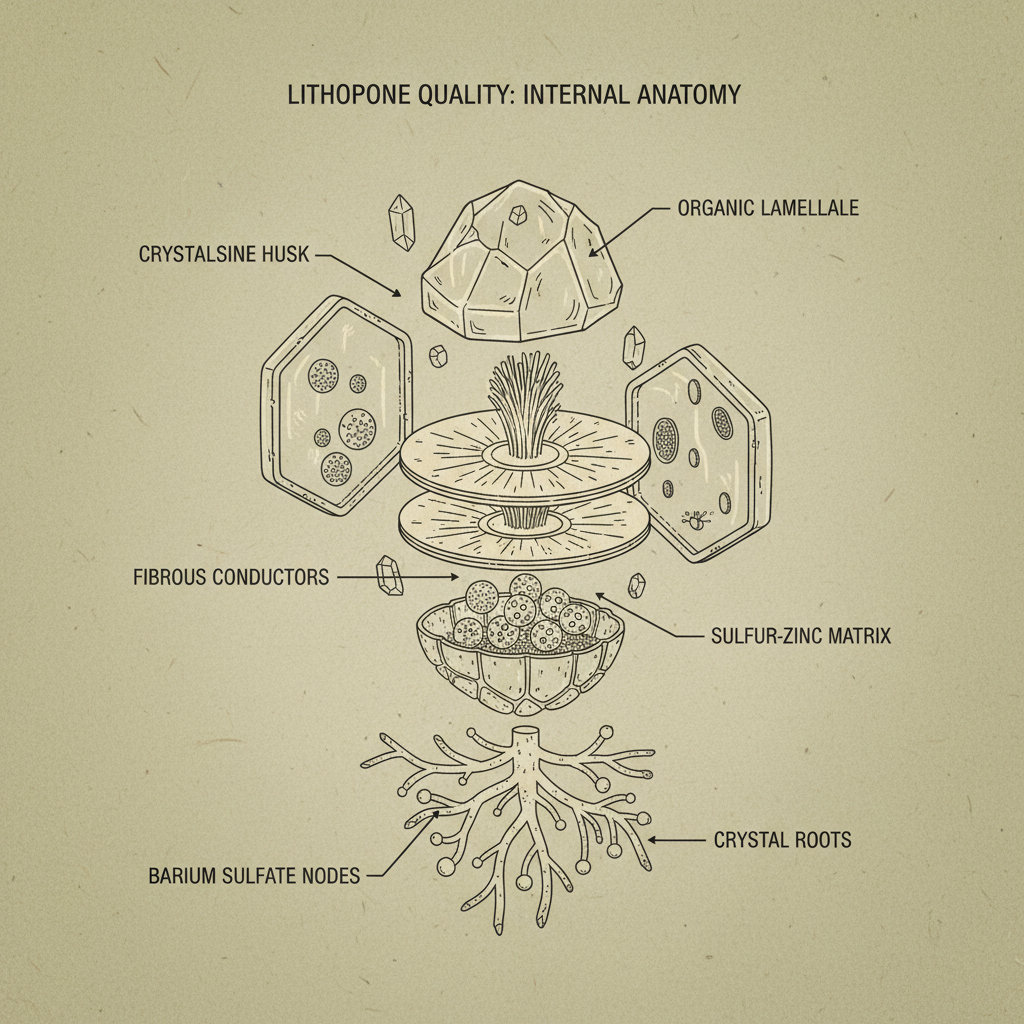
China lithopone quality refers to the adherence of a lithopone pigment to specific physical and chemical characteristics that determine its suitability for various applications. It’s a composite pigment comprised primarily of zinc sulfide (ZnS) and barium sulfate (BaSO4). High china lithopone quality isn't simply about the ratio of these components but also about their purity, particle size, crystal structure, and surface treatment. These factors directly influence properties like opacity, brightness, tinting strength, and dispersibility.
The importance of defined china lithopone quality extends to modern industrial practices and the delivery of consistent product performance. In industries such as paint manufacturing, for instance, maintaining consistent pigment characteristics is vital for achieving accurate color matching and preventing issues like settling or flocculation. Ensuring high quality contributes to the long-term integrity and aesthetic appeal of finished products, ultimately impacting consumer satisfaction.
Global Relevance and Industry Challenges
China is a dominant player in the global lithopone market, accounting for a significant proportion of both production and export. The demand for china lithopone quality is influenced by macroeconomic factors such as construction growth in emerging economies, automotive production trends, and consumer spending on decorative paints and coatings. According to recent reports, the Asia-Pacific region represents the largest market for lithopone, and China is central to satisfying this demand. This global significance underscores the need for consistent quality control and standardization.
However, the industry faces challenges including fluctuating raw material prices (zinc and barium compounds), increasing environmental regulations regarding waste disposal and emissions, and the need to constantly innovate to meet evolving customer requirements. Ensuring consistently high china lithopone quality amidst these challenges requires investment in advanced manufacturing technologies, rigorous quality assurance protocols, and a commitment to sustainable production practices. Furthermore, counterfeit or substandard lithopone products pose a threat to legitimate manufacturers and end-users.
The ISO 591 standard provides a benchmark for lithopone quality, specifying requirements for chemical composition, physical properties, and testing methods. Compliance with these standards is crucial for manufacturers aiming to compete in the international market and build trust with their customers. Meeting these standards consistently is a key driver for those focused on delivering superior china lithopone quality.
Composition and Manufacturing Processes
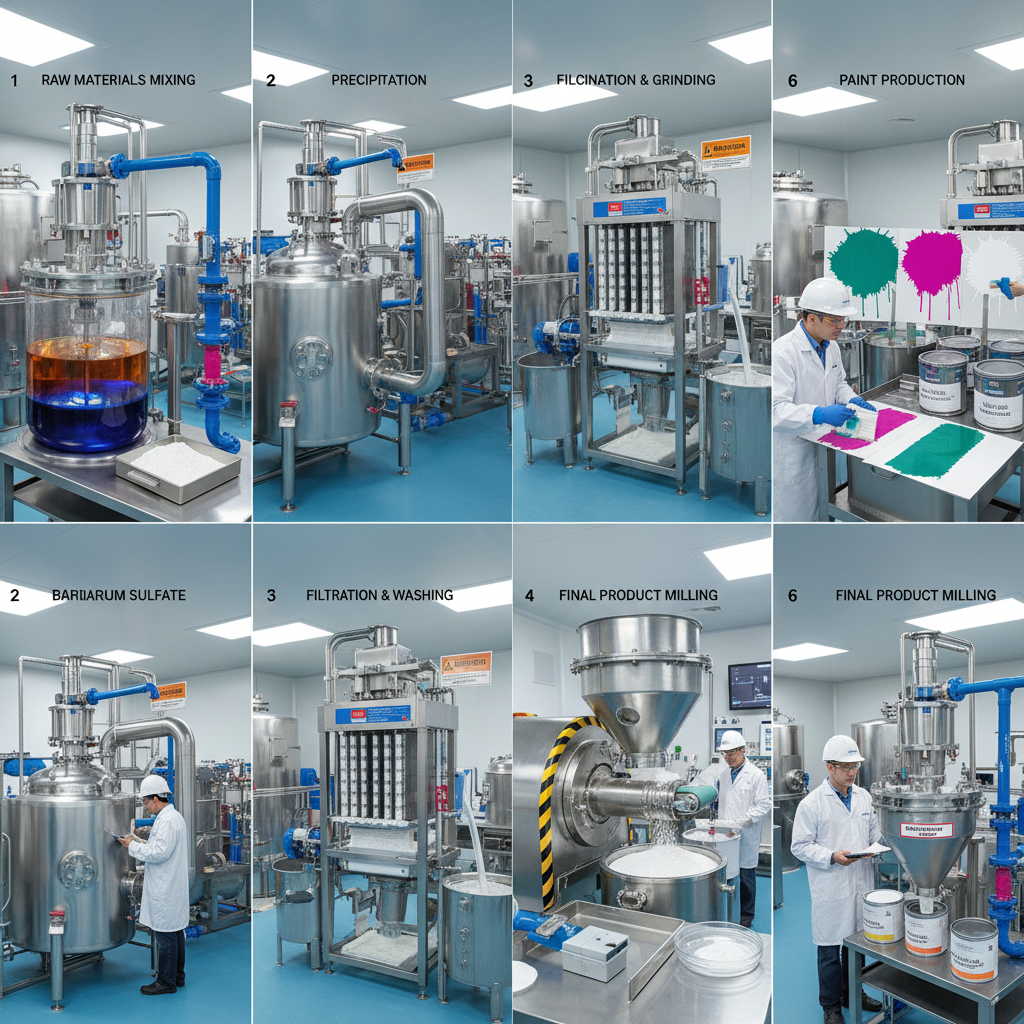
The manufacturing of lithopone typically involves a precipitation process where zinc sulfate and barium sulfide react in a controlled environment. The precise control of reaction parameters – temperature, pH, reactant concentration, and mixing speed – is critical for achieving the desired particle size distribution and crystal morphology, both key determinants of china lithopone quality. Different manufacturing techniques, such as continuous versus batch processing, can also influence the final product characteristics.
Post-precipitation treatments, like surface modification with organic or inorganic coatings, are often employed to improve dispersibility, enhance gloss, and provide resistance to weathering. The type and concentration of coating agent significantly impact the overall performance of the pigment. Quality control measures throughout the entire manufacturing process, from raw material sourcing to final product packaging, are essential to maintaining consistently high china lithopone quality. Careful monitoring of key process parameters and rigorous laboratory testing are integral to this process.
Variations in the barium sulfate to zinc sulfide ratio can be tailored to specific applications. For example, a higher barium sulfate content generally leads to increased opacity, while a higher zinc sulfide content enhances brightness. Understanding these relationships and the impact of different manufacturing variables is crucial for producing lithopone that meets the precise requirements of diverse industrial sectors.
Key Performance Indicators of China Lithopone Quality
Several key performance indicators (KPIs) are used to assess china lithopone quality. These include whiteness, which determines the pigment's ability to reflect light and contribute to brightness; opacity, measuring its power to hide underlying surfaces; tinting strength, indicating its ability to impart color when mixed with other pigments; and particle size distribution, influencing dispersibility and gloss.
Other important KPIs include oil absorption, which relates to the pigment’s interaction with binding media in paint formulations, and chemical resistance, assessing its stability in various environments. These parameters are typically evaluated using standardized laboratory tests outlined in ASTM and ISO standards. Maintaining optimal values for these KPIs is fundamental to ensuring consistent and reliable performance across different applications.
China Lithopone Quality Assessment
Applications Across Industries
China lithopone is widely used in the paint and coatings industry as an extender pigment, improving opacity and reducing costs. It's also a key component in the production of plastics, providing whiteness and opacity to products such as PVC pipes, films, and molded parts. Additionally, lithopone finds applications in paper manufacturing, rubber products, and specialized ceramics.
In the construction sector, it’s employed in formulating exterior paints and coatings that offer weather resistance and durability. The automotive industry utilizes lithopone in primer coatings and underbody sealants. The versatility of china lithopone quality makes it a valuable ingredient in a wide range of manufacturing processes.
Advantages of High-Quality Lithopone
Utilizing high-quality china lithopone translates to significant advantages for manufacturers. Improved opacity leads to better coverage, reducing the amount of pigment required and lowering production costs. Enhanced whiteness results in brighter, more appealing finished products, increasing their market value. Superior dispersibility ensures a uniform color distribution and prevents settling or flocculation, improving product consistency.
Furthermore, high-quality lithopone often exhibits better chemical resistance and weathering stability, extending the lifespan of the final product and reducing the need for frequent replacements. Investing in consistently high china lithopone quality builds trust with customers and strengthens brand reputation.
Future Trends and Quality Enhancements
Future trends in the lithopone industry focus on developing more sustainable and environmentally friendly manufacturing processes. This includes exploring alternative raw material sources, reducing energy consumption, and minimizing waste generation. Research is also underway to improve pigment performance through advanced surface treatments and nano-technology.
The integration of digital technologies, such as automated quality control systems and real-time process monitoring, is expected to play a significant role in enhancing china lithopone quality. Moreover, the demand for specialized lithopone grades tailored to specific applications, such as high-performance coatings or UV-resistant plastics, is likely to increase. Continual innovation and a commitment to sustainability are essential for maintaining competitiveness in the evolving pigment market.
Developing lithopone with improved lightfastness and reduced heavy metal content are also key areas of ongoing research. These advancements aim to address growing environmental concerns and meet increasingly stringent regulatory requirements.
Table Summarizing Key Factors Impacting China Lithopone Quality
| Manufacturing Parameter |
Impact on Quality |
Control Method |
Expected Outcome |
| Reaction Temperature |
Affects crystal size and morphology. |
Precise temperature controllers and cooling systems. |
Optimal particle size and increased opacity. |
| pH Level |
Influences precipitation rate and product purity. |
Automated pH monitoring and adjustment systems. |
Minimized impurities and improved chemical stability. |
| Reactant Concentration |
Determines the stoichiometry of the reaction. |
Precise dosing and mixing equipment. |
Consistent chemical composition and reduced waste. |
| Surface Coating Type |
Impacts dispersibility and weathering resistance. |
Selection of appropriate coating materials and application techniques. |
Enhanced pigment stability and improved performance in end-use applications. |
| Particle Size Distribution |
Affects opacity, gloss, and tinting strength. |
Laser diffraction analysis and particle size classification. |
Optimized optical properties and improved application characteristics. |
| Drying Process |
Influences moisture content and agglomeration. |
Controlled drying temperature and airflow. |
Improved flowability and reduced dusting. |
FAQS
Lithopone and titanium dioxide are both white pigments, but differ significantly in composition and performance. Titanium dioxide (TiO2) is composed solely of titanium dioxide and offers superior opacity, brightness, and chemical resistance. Lithopone, as a zinc sulfide and barium sulfate composite, is generally less expensive but exhibits lower opacity and a slight yellowish tint. While TiO2 is preferred for high-performance applications, lithopone remains a cost-effective option where absolute whiteness and durability are not critical.
Particle size is a critical factor influencing china lithopone quality. Smaller particle sizes generally lead to higher opacity and improved gloss, as they scatter light more effectively. However, very small particles can be prone to agglomeration, reducing dispersibility. Controlling particle size distribution within a narrow range is essential for achieving optimal performance characteristics. A well-defined particle size distribution is a hallmark of high-quality lithopone.
In the paint industry, lithopone primarily serves as an extender pigment, reducing the overall cost of the formulation while contributing to opacity and whiteness. It’s often used in interior paints, architectural coatings, and primers. Due to its moderate hiding power and good dispersibility, it's a versatile option for various paint systems, particularly where high durability isn't the primary concern.
Compared to some other pigments, lithopone’s environmental impact is moderate. However, the manufacturing process can generate waste byproducts. Sustainable production practices, such as waste recycling and water treatment, are crucial for minimizing its environmental footprint. Ongoing research focuses on developing more environmentally friendly lithopone formulations and manufacturing processes.
Whiteness of lithopone is typically measured using a spectrophotometer, which quantifies the amount of light reflected across the visible spectrum. The results are often expressed as a whiteness index, with higher values indicating greater whiteness. The measurement is conducted under standardized lighting conditions to ensure accuracy and comparability. A high whiteness index is a desirable characteristic for many applications.
Several quality standards apply to china lithopone, including ISO 591, which specifies requirements for chemical composition, physical properties, and testing methods. ASTM standards also provide guidelines for evaluating pigment performance. Adhering to these standards ensures that the lithopone meets established benchmarks for quality and consistency, providing confidence to end-users.
Conclusion
In conclusion, china lithopone quality is a multifaceted concept encompassing composition, manufacturing processes, and key performance indicators. Understanding these factors is crucial for manufacturers seeking to optimize product performance, reduce costs, and meet evolving customer demands. The industry continues to evolve, driven by a focus on sustainability, innovation, and digital transformation.
Looking ahead, advancements in manufacturing technologies, coupled with a commitment to responsible sourcing and production practices, will be essential for enhancing china lithopone quality and ensuring its continued relevance in a wide range of industrial applications. For further information and to explore our range of lithopone products, visit our website: china lithopone quality.