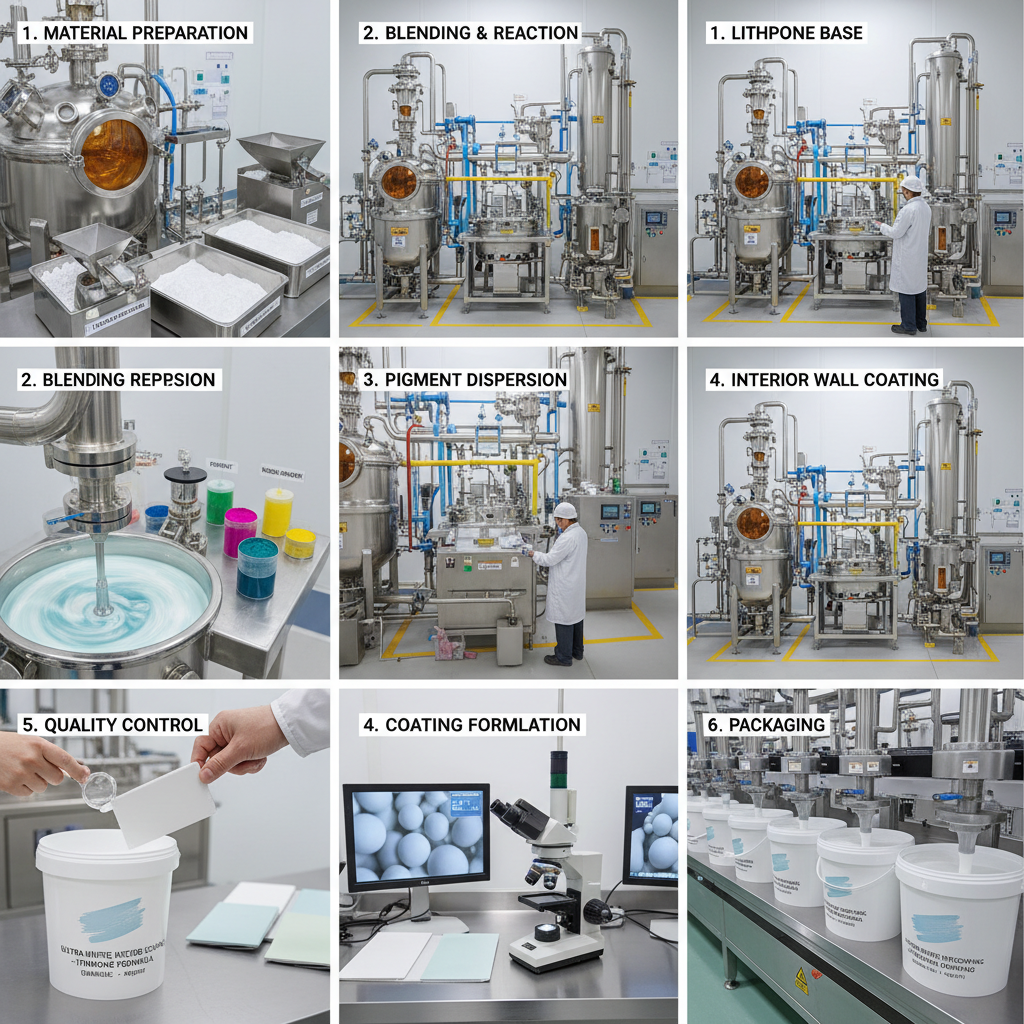
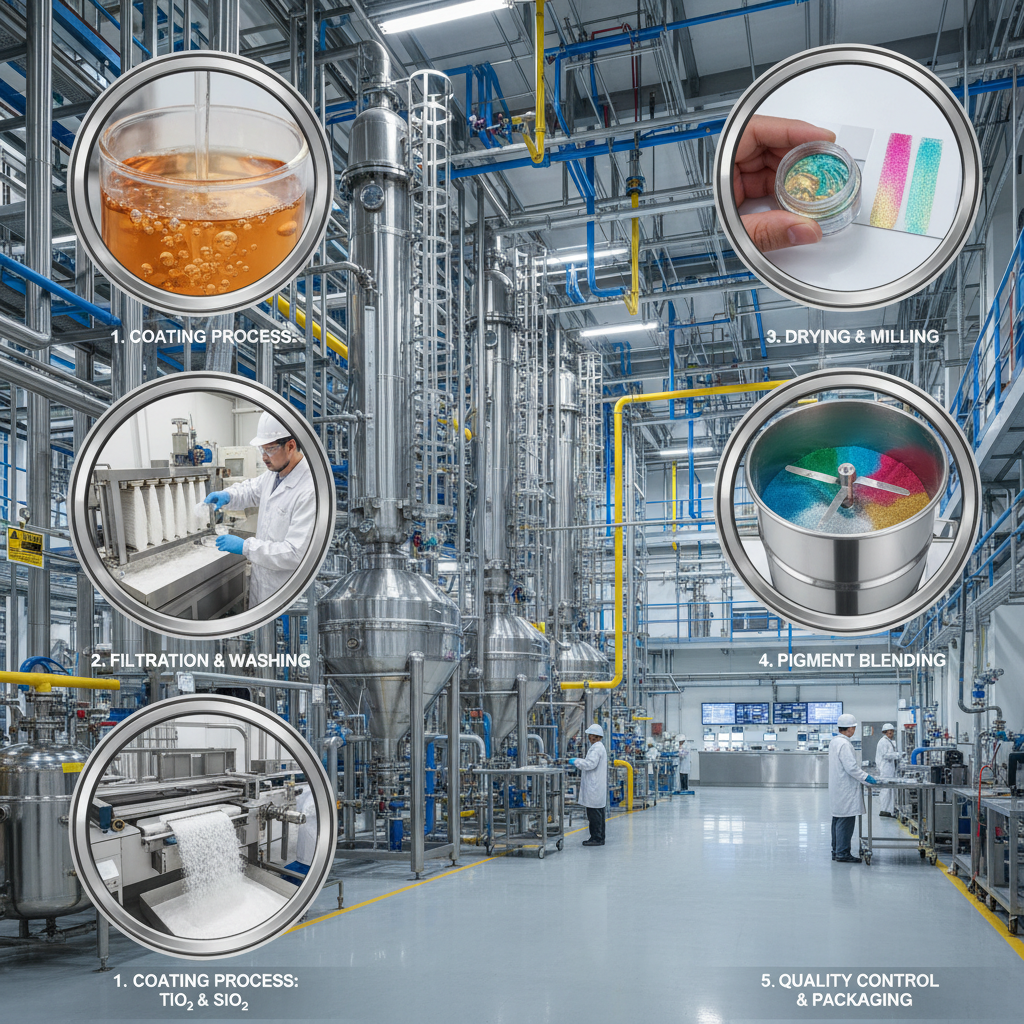
Lithopone for PVC applications represents a significant advancement in plastic compounding, offering a cost-effective alternative to traditional fillers like titanium dioxide while enhancing opacity and whiteness. Its global relevance stems from the widespread use of PVC across numerous industries, including construction, packaging, and automotive, creating consistent demand for performance-enhancing additives. Understanding lithopone’s properties and benefits is crucial for manufacturers seeking to optimize their formulations and reduce production costs.
The increasing demand for affordable and durable materials, particularly in developing economies, fuels the adoption of lithopone for PVC. International standards (ISO, ASTM) are continuously evolving to incorporate testing methodologies for composite materials, and lithopone is becoming increasingly recognized as a viable and compliant filler option. This growth is further driven by the need to minimize reliance on more expensive and sometimes scarce raw materials.
Addressing challenges in PVC production—such as achieving desired opacity, reducing costs, and maintaining material integrity—lithopone provides a practical solution. The availability and competitive pricing of lithopone compared to titanium dioxide directly address economic constraints faced by many manufacturers, ultimately contributing to more affordable end-products for consumers worldwide.
Introduction to Lithopone for PVC
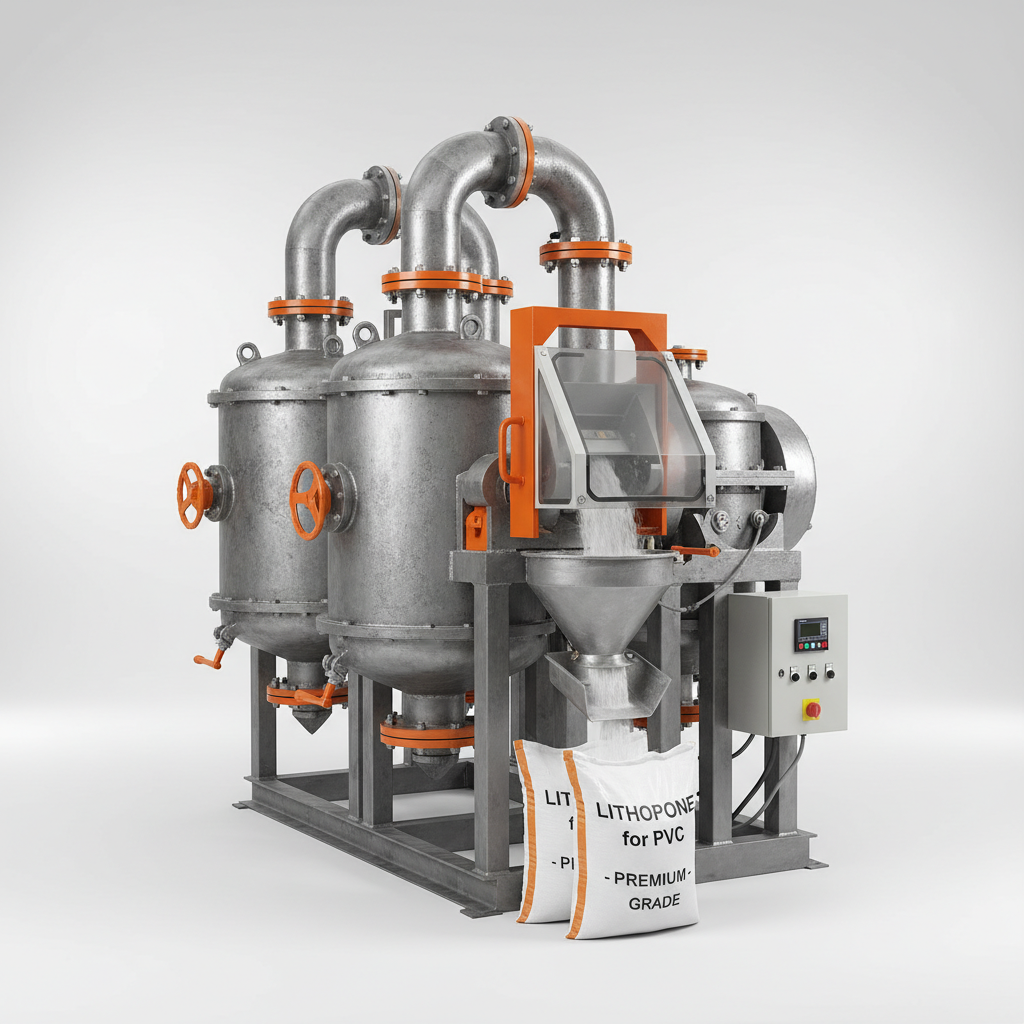
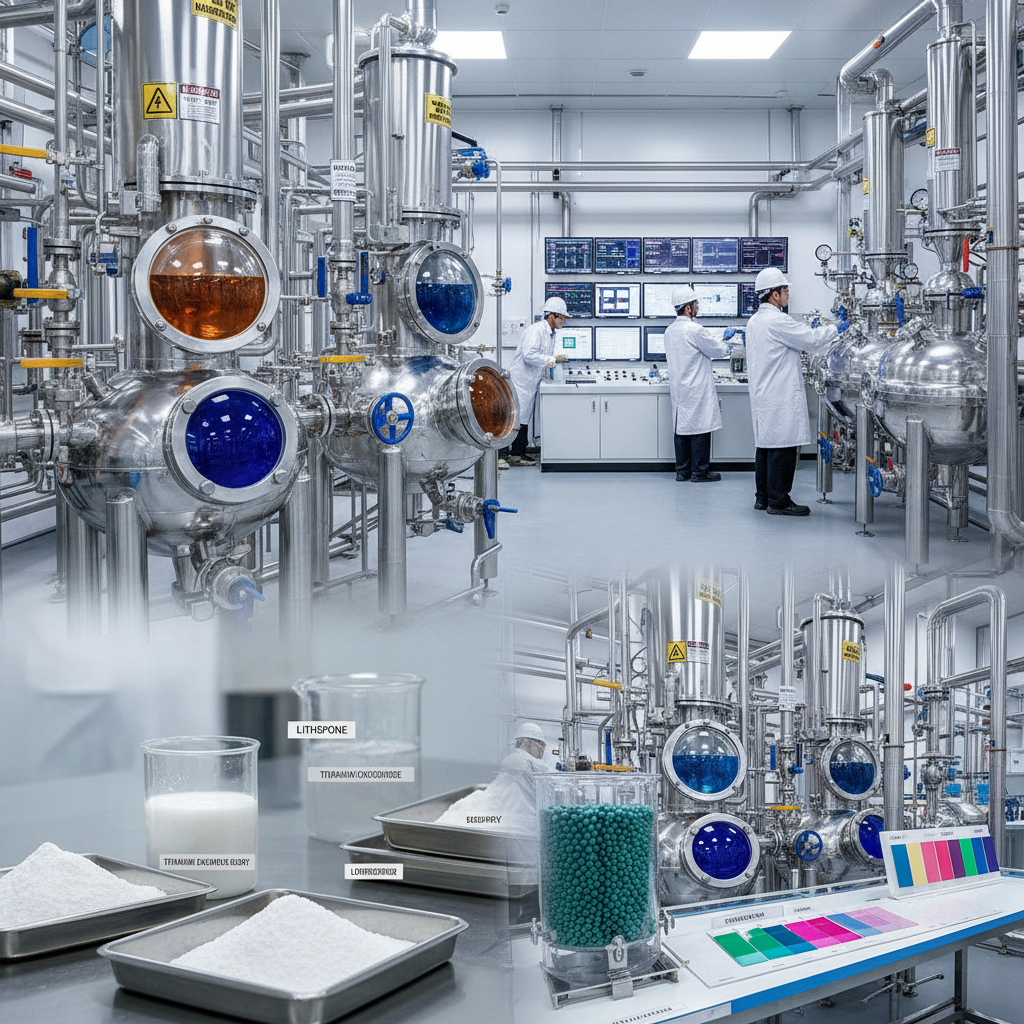
Lithopone for PVC is a composite pigment primarily consisting of zinc sulfide and barium sulfate, widely used as an economical alternative to titanium dioxide in PVC formulations. It provides excellent whiteness, opacity, and brightness to PVC products, making it ideal for applications where cost-effectiveness is crucial. lithopone for pvc is becoming a popular choice for manufacturers aiming to balance performance and price.
Its application spans diverse sectors, including PVC pipes, profiles, films, sheets, and molded articles. The use of lithopone not only reduces material costs but also can improve the processability of PVC compounds. It's critical to understand the specific grade and loading levels to achieve optimal performance and avoid any potential impact on the final product's mechanical properties.
Defining Lithopone for PVC
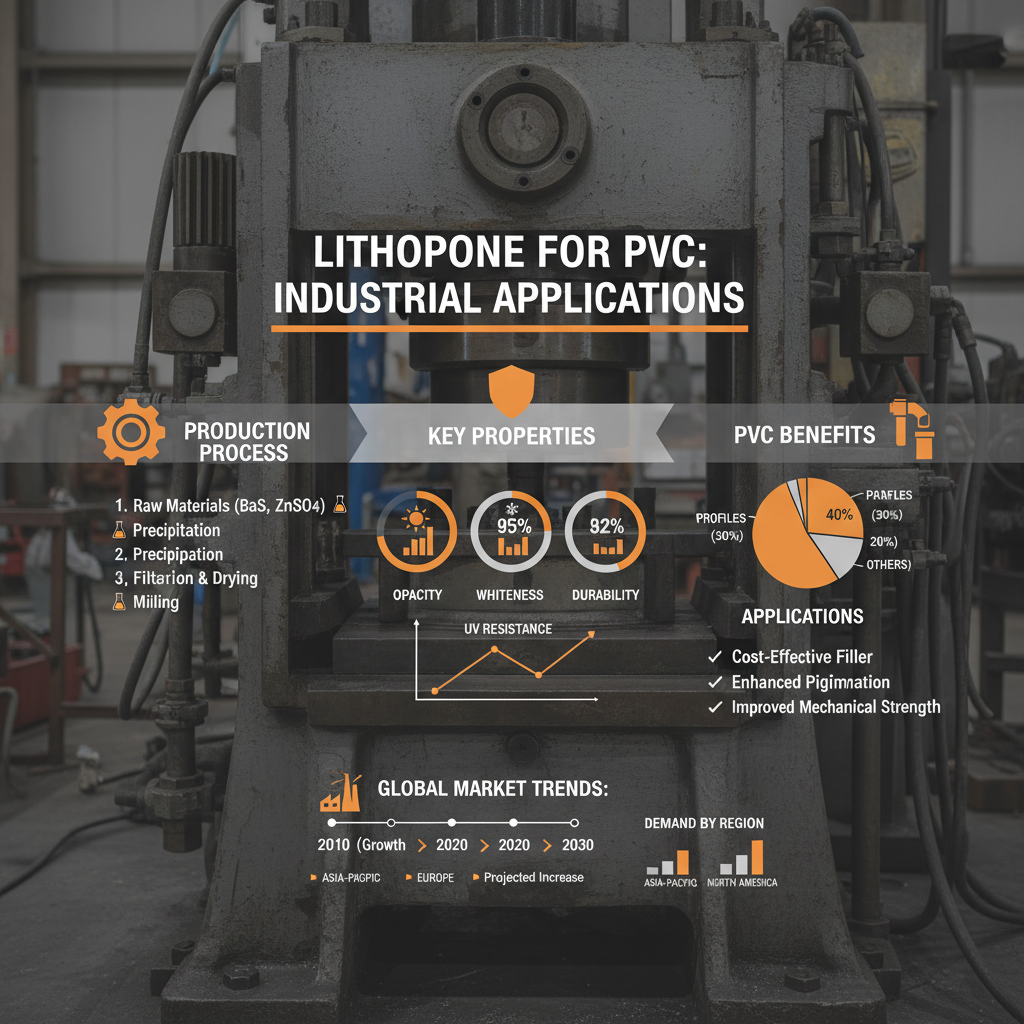
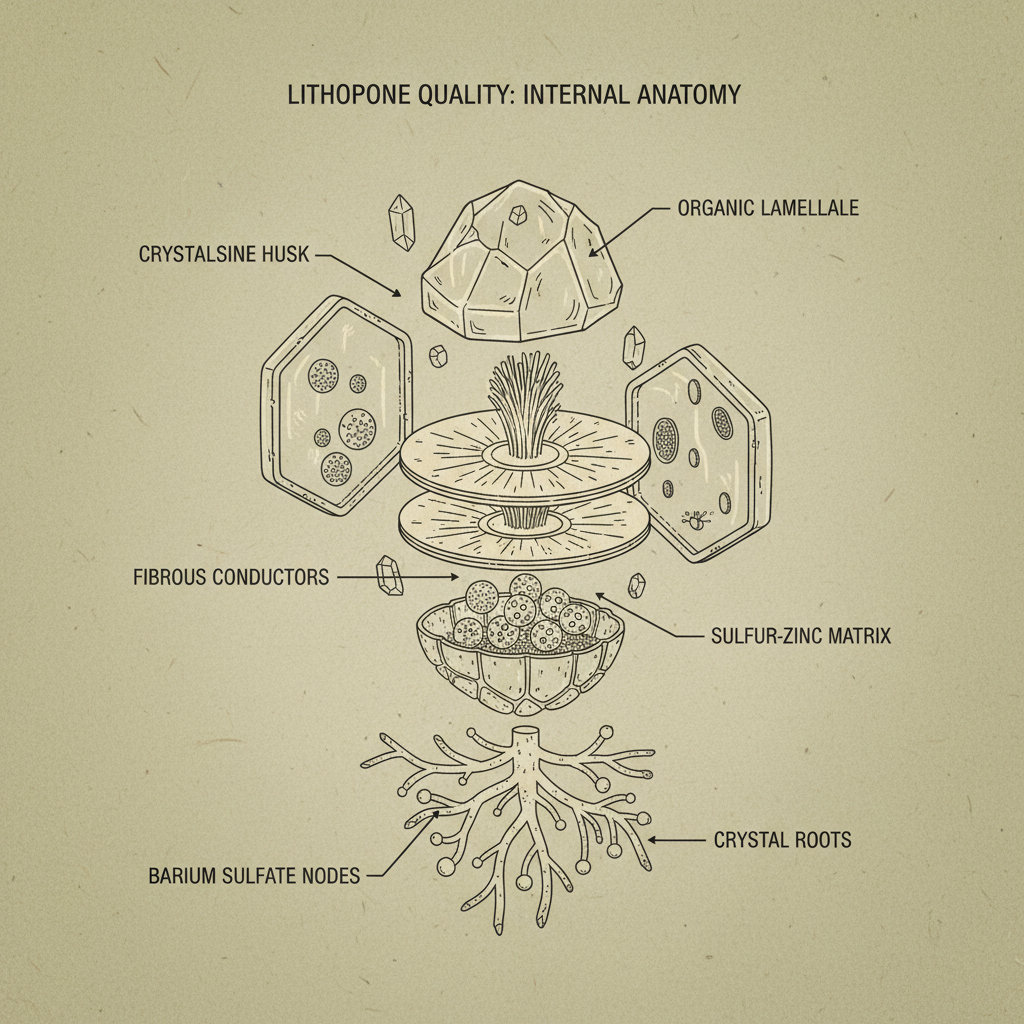
Lithopone for PVC, chemically a blend of zinc sulfide (ZnS) and barium sulfate (BaSO4), functions as an inorganic white pigment. The proportion of these components is carefully controlled to achieve the desired optical properties. Unlike titanium dioxide, which offers superior hiding power and brightness, lithopone provides a cost-effective alternative suitable for applications where these characteristics are less critical.
Its connection to modern industry lies in the demand for budget-friendly plastic materials without compromising essential functional qualities. The pigment’s ability to scatter light efficiently contributes to the opacity of PVC products, making it essential for applications like window profiles and exterior cladding. It’s a critical ingredient for manufacturers optimizing cost-to-performance ratios.
The relevance of lithopone extends beyond purely economic considerations. It allows manufacturers to maintain consistent product quality while navigating fluctuating raw material prices. This is particularly important in global markets where price sensitivity is high and competition is intense. This allows for broader access to quality PVC goods.
Key Properties of Lithopone in PVC
Several key properties define the performance of lithopone when incorporated into PVC. First, its optical properties – brightness and opacity – are crucial for achieving the desired aesthetic appearance in finished products. Secondly, particle size distribution significantly influences dispersibility and the final product's surface finish. Ensuring a uniform distribution of lithopone within the PVC matrix is vital for consistent performance.
Chemical inertness is another vital attribute. Lithopone is generally stable in PVC formulations and does not readily react with other additives or the PVC polymer itself, contributing to the longevity of the final product. However, it is important to consider potential interactions with specific stabilizers or processing aids.
Finally, the density of lithopone, being higher than PVC, can impact the overall weight and processing characteristics of the compound. Formulators often adjust the lithopone loading levels to optimize the balance between cost, opacity, and density for specific applications. A deep understanding of these properties is paramount for successful integration.
Performance Characteristics of Lithopone for PVC
The performance of lithopone in PVC is directly linked to its concentration and how well it’s dispersed within the PVC matrix. Higher concentrations generally yield greater opacity, but can also affect the mechanical properties of the PVC, such as tensile strength and impact resistance. Optimal loading levels must therefore be determined through careful experimentation and formulation adjustments.
Lithopone also exhibits good resistance to weathering, making it suitable for exterior applications. However, it's crucial to combine it with appropriate UV stabilizers to prevent degradation over prolonged exposure to sunlight. This ensures long-term durability and color stability of the finished PVC product.
Lithopone for PVC Performance Comparison
Global Applications of Lithopone in PVC
Lithopone for PVC finds extensive use in the construction industry for PVC pipes, window profiles, and siding, where cost-effectiveness and adequate opacity are key requirements. In the packaging sector, it is incorporated into PVC films and sheets used for blister packs and clamshell packaging, offering a visually appealing and protective barrier.
In developing countries, where affordability is paramount, lithopone plays a critical role in making PVC products accessible to a wider consumer base. This includes applications like roofing sheets, floor coverings, and water storage tanks. In regions with stringent environmental regulations, the relatively lower environmental impact of lithopone compared to some alternatives is also a driving factor for its adoption.
Advantages & Long-Term Value of Lithopone for PVC
The principal advantage of using lithopone for PVC is its cost-effectiveness. It significantly reduces the overall material costs without drastically compromising the visual appearance or basic functionality of the finished product. This allows manufacturers to offer more competitive pricing, expanding their market reach.
Beyond cost, lithopone offers long-term value by providing consistent performance and contributing to the durability of PVC products. While it may not match the superior properties of titanium dioxide, its adequate opacity and weathering resistance make it a reliable choice for numerous applications, ensuring customer satisfaction and reducing the risk of premature product failure.
Future Trends & Challenges in Lithopone for PVC
Future trends indicate a growing focus on sustainable manufacturing practices, which might spur interest in more environmentally friendly alternatives to lithopone. However, ongoing research into optimizing lithopone production processes and improving its dispersion within PVC matrices could enhance its performance and sustainability.
One key challenge is addressing the potential for slight discoloration over time, especially in outdoor applications. Combining lithopone with advanced UV stabilizers and exploring innovative coating technologies can mitigate this issue. Furthermore, developing lithopone grades with improved particle size distribution could enhance its compatibility with various PVC formulations.
The increasing demand for high-performance PVC materials with enhanced properties will likely drive the development of hybrid filler systems combining lithopone with other additives, maximizing cost-effectiveness while meeting stringent quality standards.
Summary of Lithopone for PVC Challenges and Potential Solutions
| Challenge |
Impact on PVC |
Potential Solution |
Implementation Difficulty (1-5) |
| Lower Opacity Compared to TiO2 |
Reduced hiding power in pigmented PVC. |
Increase lithopone loading, use optimized dispersion techniques. |
2 |
| Potential for Yellowing over Time |
Diminished aesthetic appeal, especially in outdoor applications. |
Incorporate high-performance UV stabilizers. |
3 |
| Particle Size Distribution Variability |
Inconsistent dispersion, affecting surface finish and mechanical properties. |
Source lithopone from reputable suppliers with consistent quality control. |
2 |
| Impact on Mechanical Properties |
Possible reduction in tensile strength and impact resistance. |
Optimize lithopone loading, use impact modifiers. |
3 |
| Sustainability Concerns |
Environmental impact of zinc and barium components. |
Explore alternative production processes, focusing on waste reduction. |
4 |
| Competition from TiO2 Alternatives |
Pressure to match TiO2 performance at a lower cost. |
Focus on niche applications where lithopone offers a distinct cost advantage. |
3 |
FAQS
The primary advantage of lithopone for PVC is its significantly lower cost compared to titanium dioxide. While titanium dioxide provides superior brightness and opacity, lithopone offers a cost-effective alternative suitable for applications where these characteristics are not critical. This makes it ideal for budget-conscious projects without drastically sacrificing quality.
Lithopone is versatile, but its suitability varies with the application. It’s ideal for pipes, profiles, films, and general molding. However, for high-performance applications demanding exceptional brightness or weathering resistance, titanium dioxide may be preferable. Careful formulation and additive selection are crucial to optimize lithopone’s performance.
Lithopone can slightly affect PVC processing due to its higher density. Proper dispersion is vital; insufficient dispersion can lead to processing issues. Adjustments to mixing times, screw design, and processing temperatures may be necessary to ensure smooth and consistent extrusion or molding.
Lithopone offers moderate weathering resistance, but it's essential to incorporate UV stabilizers in formulations intended for outdoor use. Without UV protection, prolonged exposure to sunlight can cause discoloration and degradation. The effectiveness of the UV stabilizer will determine the lifespan and aesthetic appearance of the PVC product.
The typical loading level of lithopone in PVC formulations ranges from 5% to 20%, depending on the desired opacity and application requirements. Higher loadings increase opacity but can also affect mechanical properties. Optimizing the loading level involves balancing cost, performance, and processability through experimentation.
Lithopone’s environmental impact is often considered lower than titanium dioxide, though both have environmental considerations. The production of titanium dioxide can be more energy-intensive. Ongoing research focuses on sustainable lithopone production methods, including waste reduction and responsible sourcing of raw materials to minimize its overall ecological footprint.
Conclusion
In conclusion, lithopone for PVC remains a valuable and versatile pigment, offering a compelling balance of cost-effectiveness, adequate performance, and widespread availability. Its ability to enhance opacity and whiteness in PVC compounds makes it a critical ingredient in numerous applications, from construction materials to packaging solutions. Understanding its properties, limitations, and potential for optimization is crucial for manufacturers seeking to maintain competitiveness in a dynamic market.
Looking ahead, continuous innovation in lithopone production processes, combined with advancements in PVC formulation techniques, will further unlock its potential. Embracing sustainable practices and exploring hybrid filler systems will be key to addressing environmental concerns and meeting the evolving demands of the industry. For further information and to explore lithopone solutions for your PVC applications, visit our website: www.cqtitaniumdioxide.com.