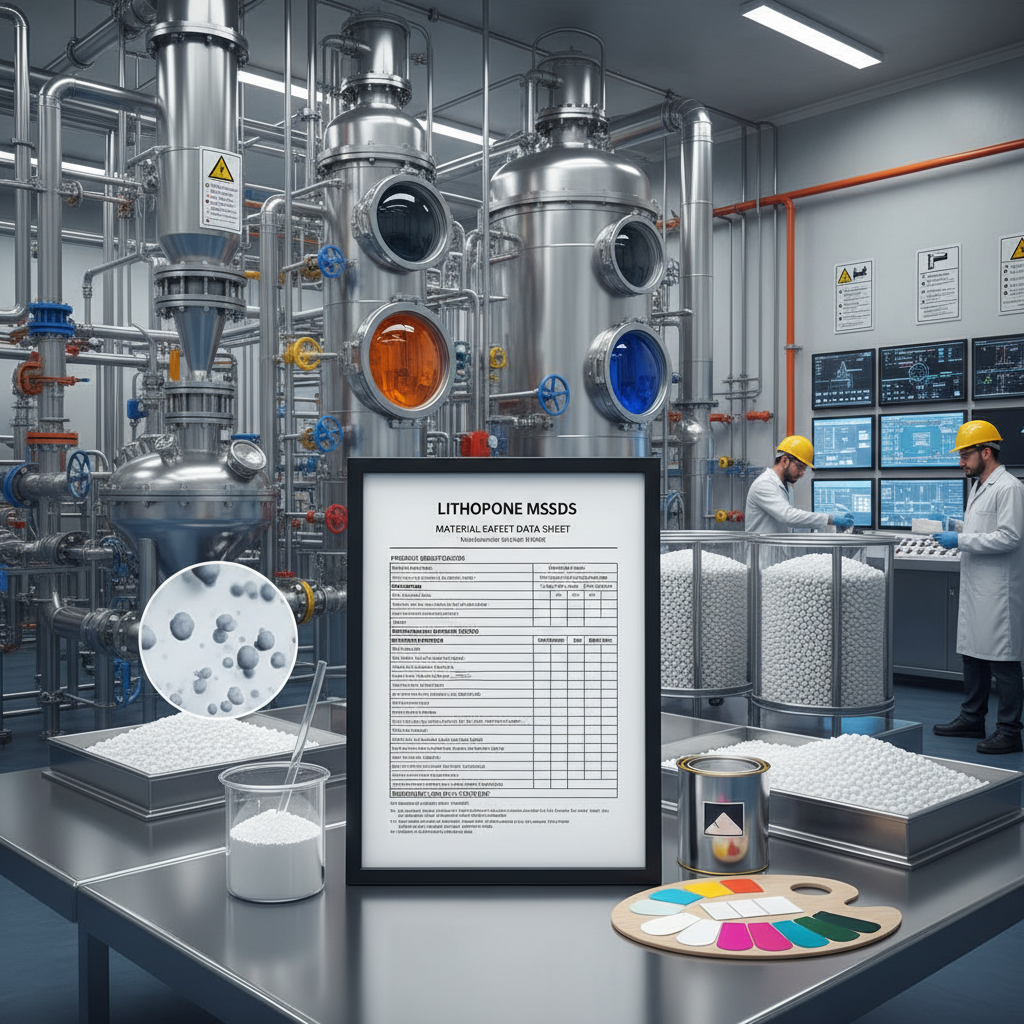
Lithopone 30%, a white pigment composed of barium sulfate and zinc sulfide, holds a significant position in various industries globally. Its unique properties, including high opacity, brightness, and chemical stability, make it a versatile alternative to titanium dioxide in specific applications. Understanding lithopone 30% is crucial for businesses seeking cost-effective pigment solutions and for researchers exploring novel material combinations.
The demand for pigments is steadily increasing, driven by the growth of the paints, plastics, and paper industries, particularly in emerging economies. While titanium dioxide remains the dominant white pigment, concerns regarding its price volatility and environmental impact are pushing industries to explore alternatives like lithopone 30%. This shift necessitates a deeper understanding of lithopone 30%'s capabilities and limitations.
Lithopone 30% addresses the need for a reliable and economically viable white pigment, offering a balanced performance profile. It’s particularly useful in applications where extreme whiteness isn’t critical, contributing to sustainable practices by reducing reliance on titanium dioxide and offering a viable option for price-sensitive markets.
Introduction to lithopone 30%
Lithopone 30% presents a compelling case for industries looking to optimize their pigment selection. It’s not merely a substitute for titanium dioxide but a distinct option with its own set of advantages, especially concerning cost and availability.
The composition of lithopone 30% – barium sulfate and zinc sulfide – lends itself to a range of functionalities beyond simple whiteness, including opacity and light scattering properties, making it suitable for applications beyond conventional coatings.
Global Relevance of lithopone 30%
The global pigment market is valued at over $25 billion, with Asia-Pacific representing the largest consumer base, followed by Europe and North America. While titanium dioxide dominates the market, the increasing demand for alternative pigments, particularly in price-sensitive regions, is driving the growth of lithopone 30%.
According to reports from the UN and the World Bank, emerging economies are experiencing rapid industrialization, which fuels the demand for pigments in industries like construction, automotive, and packaging. Lithopone 30% provides a cost-effective solution for these markets.
A significant challenge within the pigment industry is the environmental impact of titanium dioxide production. Lithopone 30% offers a pathway towards more sustainable practices by providing a viable alternative, reducing the pressure on titanium dioxide resources and potentially lowering overall carbon footprints.
Defining lithopone 30%
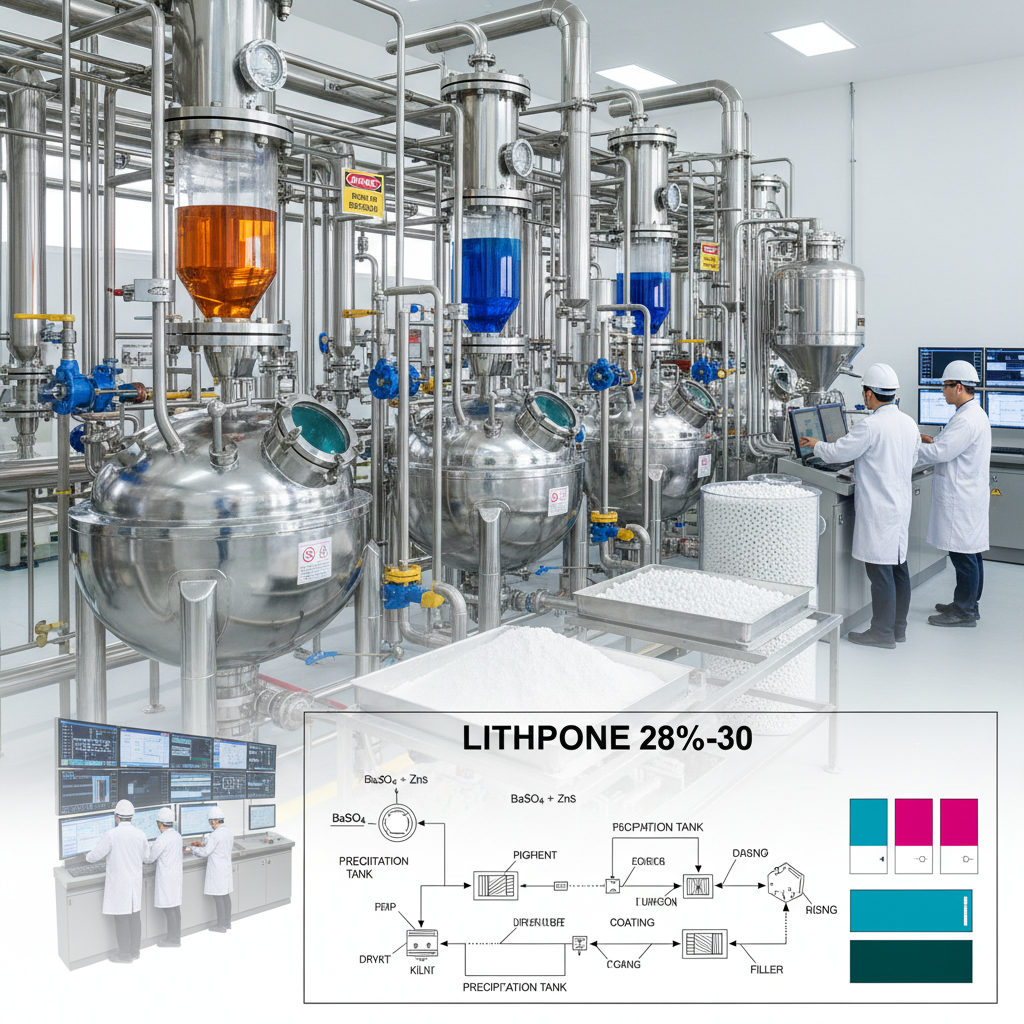
Lithopone 30% is a synthetic inorganic white pigment created through a chemical process combining barium sulfate (barytes) and zinc sulfide. The '30%' designation refers to the approximate percentage of zinc sulfide in the mixture, impacting its brightness and opacity.
Historically, lithopone was developed as an affordable alternative to lead white, addressing a critical need for safer and more accessible pigments. While modern regulations restrict lead-based pigments, the concept of providing a functional and economical white pigment remains vital, and lithopone 30% fulfills this role.
Today, lithopone 30% finds application in industries requiring a balance between cost, opacity, and whiteness. Its connection to modern needs lies in sustainable production practices, cost reduction for manufacturers, and offering a dependable pigment solution in various industrial processes.
Key Characteristics of lithopone 30%
Lithopone 30% possesses several defining characteristics that influence its performance in different applications. These include its high refractive index, which contributes to its opacity, and its relatively low oil absorption, enhancing its dispersibility in various media.
Furthermore, lithopone 30% exhibits excellent chemical stability, making it resistant to degradation from exposure to light, heat, and various chemical substances. This stability extends the lifespan of products incorporating lithopone 30% and ensures consistent performance over time.
Lithopone 30% Property Comparison
Applications of lithopone 30%
Lithopone 30% finds widespread use in the production of paints, both architectural and industrial, where it acts as a key component in achieving opacity and brightness. It's particularly valuable in emulsion paints and primers.
Beyond paints, lithopone 30% is utilized in the plastics industry, incorporated into PVC, polyethylene, and other polymers to impart whiteness and improve overall appearance. It's also used in the manufacturing of paper, rubber products, and certain types of inks.
Advantages of Using lithopone 30%
The primary advantage of lithopone 30% lies in its cost-effectiveness compared to titanium dioxide, offering similar opacity at a lower price point. This is particularly beneficial for large-scale applications where cost savings are crucial.
Furthermore, lithopone 30% contributes to more sustainable practices. Its production generally requires less energy and generates fewer emissions than titanium dioxide production, aligning with growing environmental concerns and responsible manufacturing initiatives.
Future Trends in lithopone 30% Technology
Research and development efforts are focused on enhancing the performance of lithopone 30% through innovative surface treatments and particle size control. These improvements aim to increase its brightness, opacity, and dispersibility, narrowing the gap between lithopone 30% and titanium dioxide.
The integration of nanotechnology into lithopone 30% production holds promise for creating pigments with superior properties. Nanoscale modifications can enhance light scattering efficiency and improve the overall performance characteristics of the pigment.
Sustainable sourcing of raw materials for lithopone 30% production is becoming increasingly important, with manufacturers exploring more environmentally friendly methods for obtaining barium sulfate and zinc sulfide.
FAQS
While both are white pigments, titanium dioxide generally exhibits higher refractive index and superior whiteness. Lithopone 30% is more cost-effective, offers good opacity, and presents a lower environmental impact in production. It is best suited for applications where extreme whiteness isn't essential.
Lithopone 30% can be used in exterior applications, but its weather resistance isn’t as strong as titanium dioxide. Formulations should incorporate UV stabilizers and protective coatings to enhance its durability when exposed to sunlight and moisture.
Industries that prioritize cost-effectiveness without compromising opacity benefit most, including paint manufacturing (especially for primers and emulsion paints), plastics production, paper coating, and rubber products. It’s also popular in markets where titanium dioxide prices fluctuate significantly.
Compared to titanium dioxide production, lithopone 30% generally has a lower environmental footprint due to reduced energy consumption and emissions. However, responsible sourcing of raw materials and proper waste management are crucial for maximizing its environmental benefits.
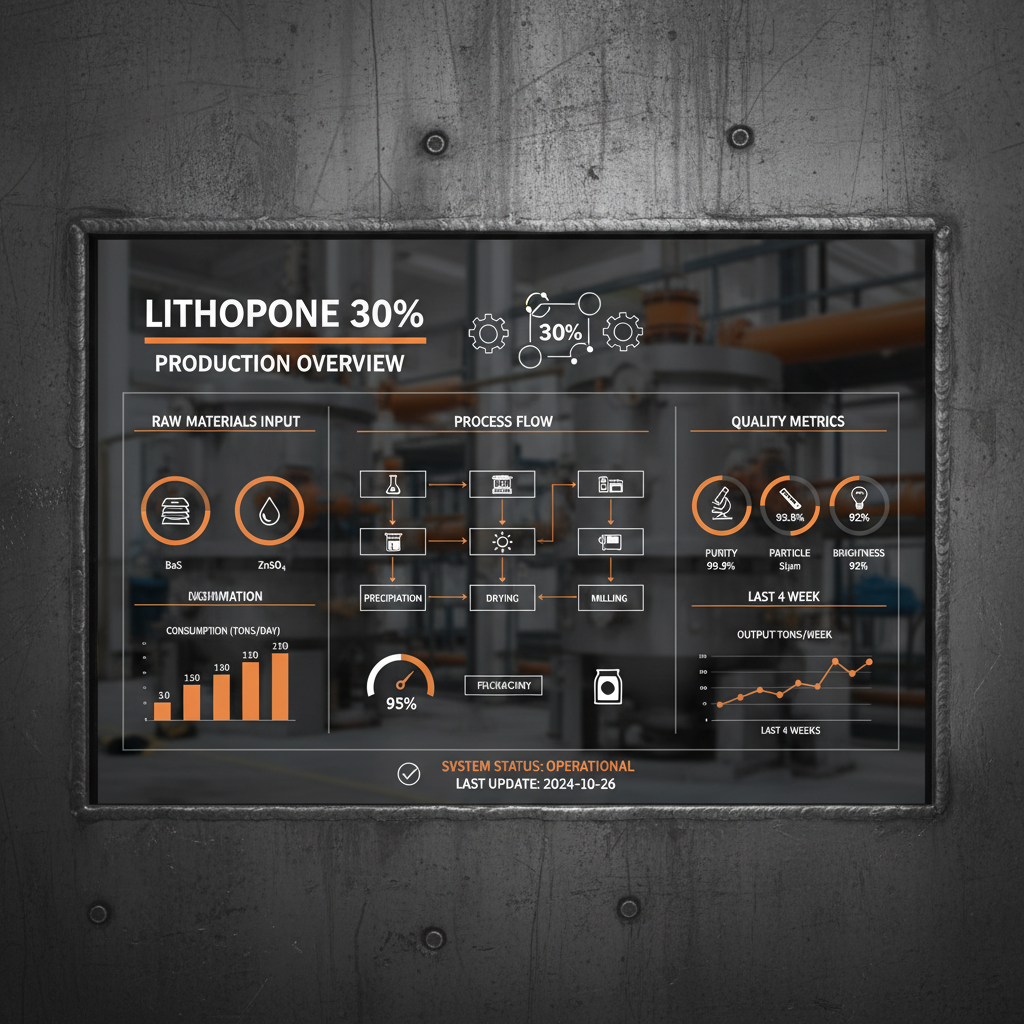
The typical particle size of lithopone 30% ranges from 1 to 5 micrometers. Controlling particle size is essential for optimizing opacity, dispersibility, and other performance characteristics. Manufacturers often employ milling and classification processes to achieve the desired particle size distribution.
Lithopone 30% differentiates itself from pure barium sulfate (blanc fixe) due to the inclusion of zinc sulfide, providing significantly enhanced opacity and brightness. Blanc fixe is often used as a filler, while lithopone 30% functions as a true white pigment.
Conclusion
In conclusion, lithopone 30% represents a valuable and versatile white pigment offering a compelling balance between cost, performance, and sustainability. Its applications span a wide range of industries, providing a viable alternative to titanium dioxide, particularly in cost-sensitive markets and where a slight reduction in whiteness is acceptable. Understanding its properties and limitations is crucial for optimal utilization.
Looking ahead, continued research and development focused on enhancing the performance and sustainability of lithopone 30% will further solidify its position as a key pigment in various industries. By embracing innovative production techniques and exploring new applications, lithopone 30% can contribute to more responsible and efficient manufacturing processes. Visit our website at www.cqtitaniumdioxide.com to learn more.