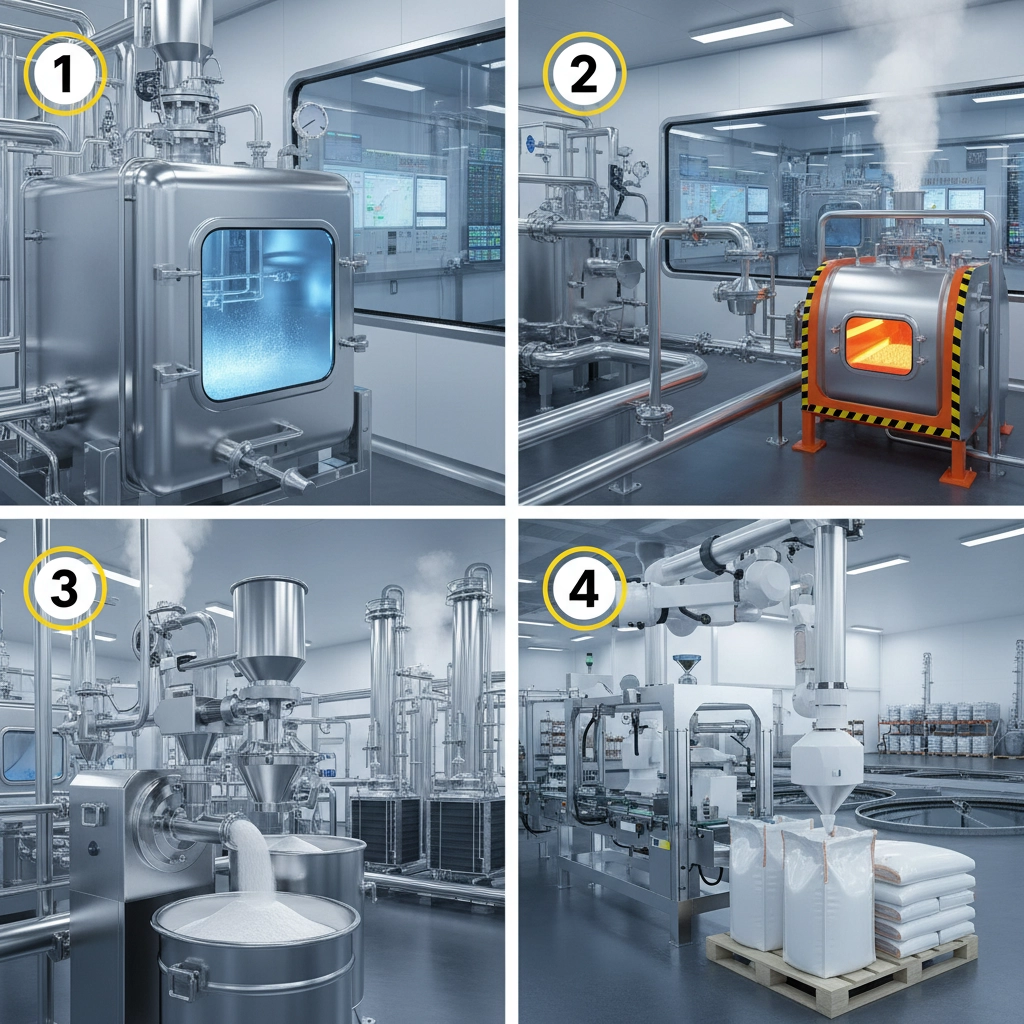
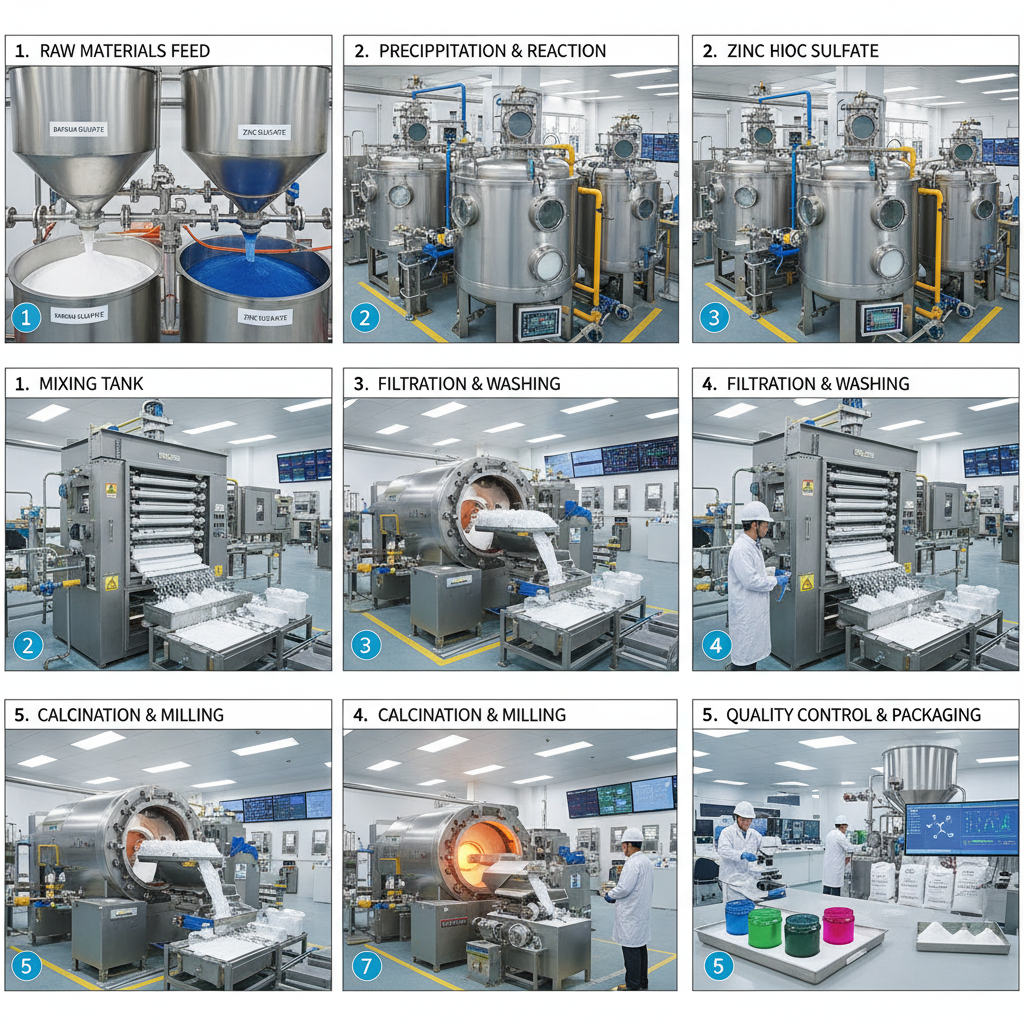
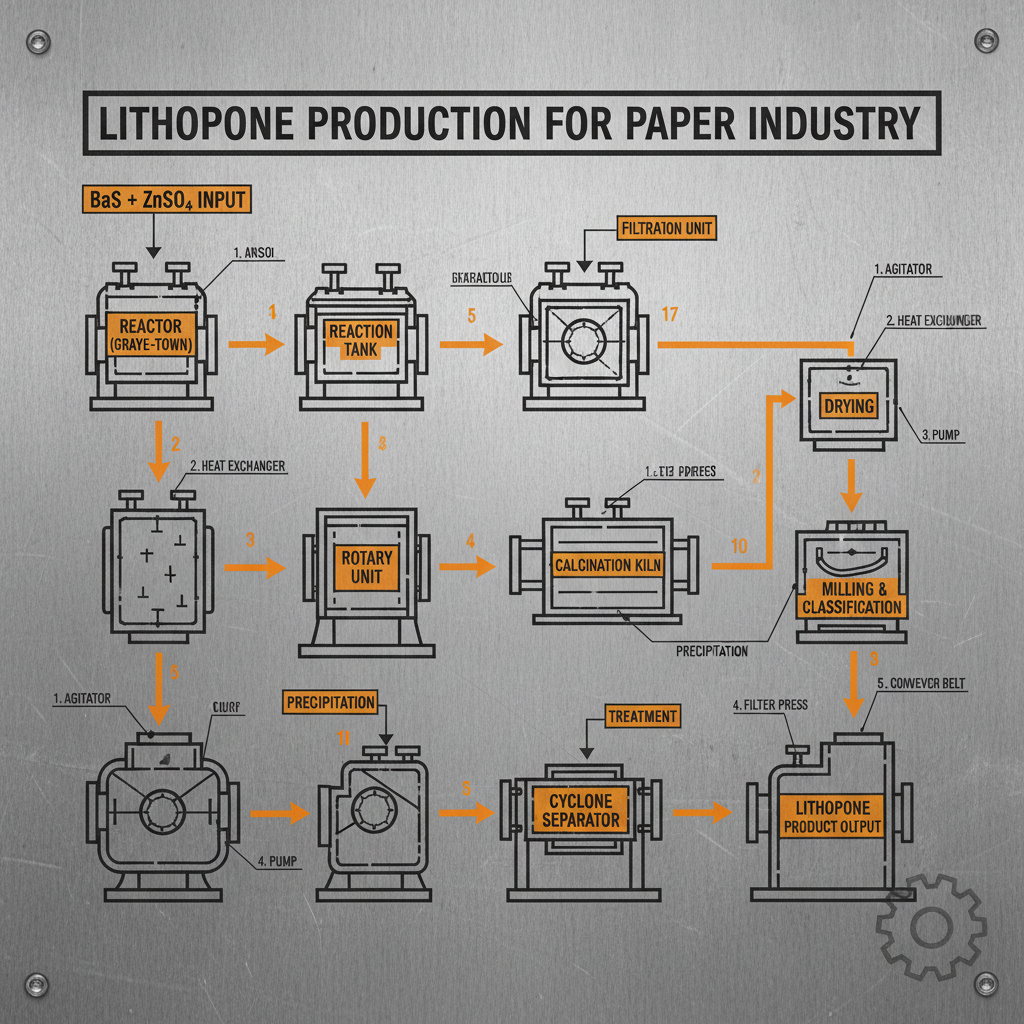
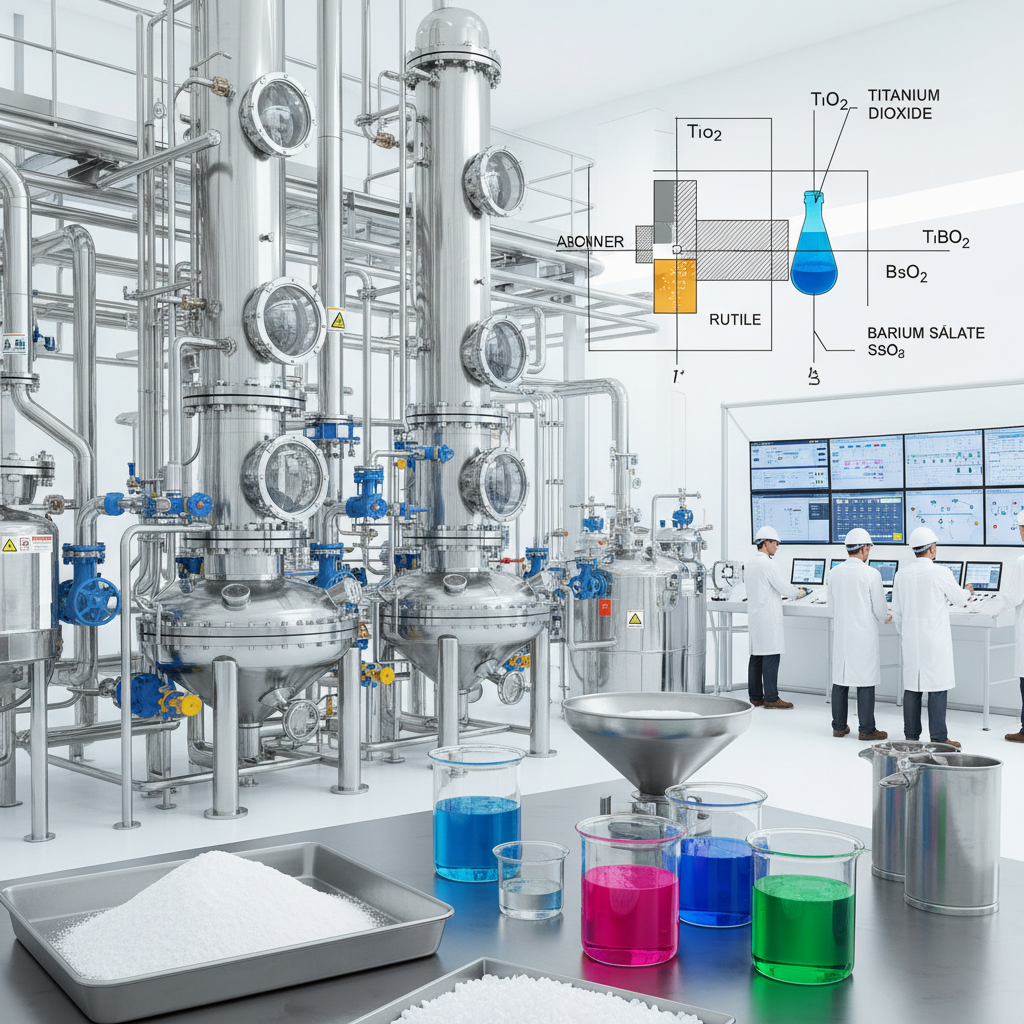
The advancement of nanotechnology has ushered in a new era of material science, with mixed crystal nano titania standing at the forefront of this evolution. By blending different crystalline phases or doping the lattice structure, this sophisticated material transcends the limitations of standard titanium dioxide, offering enhanced photocatalytic activity and superior refractive indices. Globally, industries are shifting toward these engineered nanomaterials to meet the rigorous demands of environmental remediation and high-performance coatings.
Understanding the complexities of mixed crystal nano titania is essential for manufacturers aiming to optimize product durability and efficiency. Unlike monolithic crystals, the mixed-phase approach allows for the fine-tuning of the bandgap, which is critical for applications ranging from self-cleaning surfaces to advanced solar energy conversion. This versatility makes it a cornerstone in the production of modern pigments and functional ceramics.
As regulatory frameworks like ISO and REACH push for more sustainable and efficient chemical processes, the adoption of mixed crystal nano titania provides a pathway toward "green chemistry." Its ability to decompose organic pollutants under visible light reduces the reliance on harsh chemical cleaners, thereby offering a tangible benefit to both industrial productivity and global ecological health.
Global Industry Context of Mixed Crystal Nano Titania
On a global scale, the demand for high-purity inorganic salts and advanced pigments has seen a steady incline, with mixed crystal nano titania emerging as a critical solution to the efficiency gaps found in traditional TiO2. Industry data suggests that the move toward nano-engineered materials is driven by the need for higher opacity and UV protection in the coatings sector, where standard materials often fall short of modern durability standards.
The challenge facing the chemical manufacturing industry has been the "recombination rate" of electron-hole pairs in pure crystals, which limits photocatalytic efficiency. By developing mixed crystal structures, manufacturers can effectively trap these charges, significantly boosting the material's reactivity. This transition is not merely a technical upgrade but a strategic shift toward high-value, specialty chemical production.
Defining Mixed Crystal Nano Titania and Its Significance
In simple terms, mixed crystal nano titania refers to a titanium dioxide nanoparticle where the crystal lattice is modified—either by blending the anatase and rutile phases or by introducing foreign ions (doping)—to create a "mixed" crystalline state. This structural modification allows the material to absorb a broader spectrum of light, including visible light, rather than being limited to the ultraviolet range.
This innovation is deeply connected to the modern industrial need for self-maintaining infrastructure. For example, in urban environments prone to smog and pollution, surfaces coated with this material can use sunlight to chemically break down organic grime. This reduces the need for chemical detergents and manual labor, aligning industrial output with humanitarian goals of cleaner, healthier cities.
Furthermore, the significance of mixed crystal nano titania extends to the healthcare and cosmetics sectors. Its ability to provide transparent yet powerful UV shielding makes it indispensable for high-end sunscreens and medical-grade protective coatings, ensuring safety without compromising the aesthetic quality of the end product.
Core Components and Performance Factors
One of the primary factors determining the efficacy of mixed crystal nano titania is the Phase Ratio. The precise balance between anatase and rutile phases creates a synergistic effect at the interface, which accelerates the transfer of charge carriers and prevents them from neutralizing each other too quickly.
Lattice Strain and Doping are equally critical. By introducing elements like Nitrogen or Silver into the mixed crystal nano titania structure, engineers can shift the absorption edge toward the visible spectrum. This allows the material to function effectively indoors or under cloudy skies, vastly expanding its practical utility.
Finally, Particle Size Distribution ensures the scalability of the product. Maintaining a consistent nano-scale diameter prevents agglomeration, ensuring that the mixed crystal nano titania can be evenly dispersed in polymers or liquids, which is vital for achieving a uniform finish in industrial paints and plastics.
Practical Applications in Modern Industry
The real-world application of mixed crystal nano titania is most evident in the automotive and aerospace industries. Here, it is used in high-performance clear coats to protect the vehicle's paint from UV degradation and acid rain. In remote industrial zones where maintenance is infrequent, these self-cleaning coatings significantly extend the lifecycle of steel structures and pipelines.
Beyond coatings, it plays a pivotal role in environmental engineering. In wastewater treatment plants across Europe and Asia, mixed crystal nano titania is employed as a catalyst to degrade endocrine disruptors and pharmaceutical residues that traditional biological treatments cannot remove, ensuring safer water return to the ecosystem.
Performance Comparison of Nano Titania Variants
Long-term Value and Sustainability Benefits
Investing in mixed crystal nano titania offers significant long-term economic value. By increasing the lifespan of coated materials and reducing the frequency of repainting or chemical cleaning, companies can slash their operational expenditure (OPEX). This reliability builds trust with end-users who seek products that maintain their aesthetic and functional integrity over decades.
From a sustainability perspective, the material contributes to a lower carbon footprint. The integration of mixed crystal nano titania in "cool roof" technologies helps reflect a greater portion of solar radiation, reducing the energy required for air conditioning in tropical and temperate urban zones. This intersection of innovation and ecology represents the true value of advanced inorganic salt manufacturing.
Future Trends and Technological Innovations
The future of mixed crystal nano titania lies in the integration of Artificial Intelligence (AI) for crystal engineering. By using machine learning algorithms, researchers can predict the optimal doping concentrations and phase ratios to achieve specific bandgap energies, accelerating the R&D cycle from years to months.
Another emerging trend is the development of "smart" responsive coatings. Future iterations of mixed crystal nano titania may be designed to change properties based on environmental triggers, such as switching from a UV-blocking state to a photocatalytic cleaning state depending on the intensity of sunlight.
Furthermore, the shift toward green energy is driving the use of this material in perovskite solar cells. By acting as a highly efficient electron transport layer, mixed crystal nano titania is helping to push the conversion efficiency of next-generation solar panels beyond current silicon-based limits.
Overcoming Technical Challenges in Production
Despite its advantages, the mass production of mixed crystal nano titania faces the challenge of "phase separation," where the desired mixed state reverts to separate anatase and rutile crystals during high-temperature processing. To overcome this, manufacturers are adopting sol-gel synthesis and hydrothermal methods that allow for precise temperature control at the molecular level.
Another hurdle is the cost of high-purity precursors. To make mixed crystal nano titania more accessible, the industry is exploring the use of recycled titanium sources and more efficient catalyst recovery systems. This not only lowers the price point but also aligns with circular economy principles.
Finally, ensuring the safety of nano-powders during handling remains a priority. By transitioning from dry powder to stabilized aqueous dispersions (slurries), companies can mitigate inhalation risks for workers while improving the ease of integration into final product formulations.
Technical Analysis of mixed crystal nano titania Production Methods
| Synthesis Method |
Phase Control |
Cost Efficiency |
Scalability |
| Sol-Gel Process |
Excellent |
Moderate |
High |
| Hydrothermal |
Very High |
Low |
Moderate |
| Flame Pyrolysis |
Moderate |
High |
Very High |
| Chemical Vapor Deposition |
High |
Very Low |
Low |
| Co-precipitation |
Moderate |
Very High |
High |
| Plasma Synthesis |
High |
Moderate |
Moderate |
FAQS
Mixed crystal nano titania is engineered to have a combined phase structure (usually anatase and rutile), which significantly reduces the recombination rate of charge carriers. This leads to much higher photocatalytic efficiency and the ability to react to visible light, whereas standard TiO2 primarily reacts only to UV light.
Yes, when manufactured to a specific nano-scale and properly coated to prevent skin penetration, it is highly safe and effective. It provides superior UV protection without the "white cast" associated with traditional titanium dioxide, making it a preferred choice for transparent sunscreens.
Through a process called photocatalysis, mixed crystal nano titania breaks down organic matter (dirt, grease, smog) when exposed to light. Simultaneously, it creates a super-hydrophilic surface that allows water to spread evenly and wash away the decomposed debris without leaving streaks.
Absolutely. Its high reactivity allows it to mineralize complex organic pollutants, including pesticides and pharmaceutical residues, into harmless carbon dioxide and water. It is often used as a catalyst in advanced oxidation processes (AOPs) for industrial wastewater.
The primary challenge is maintaining the delicate balance of the mixed crystalline phases during scale-up. High-temperature calcination can cause the phases to separate or transform entirely into rutile, which reduces the material's photocatalytic activity. Precise thermal control is essential.
The interface between different crystal phases creates localized electronic states that effectively narrow the bandgap. This allows the material to absorb lower-energy photons (visible light), enabling the catalyst to work efficiently under indoor lighting or shaded outdoor conditions.
Conclusion
In summary, mixed crystal nano titania represents a quantum leap in the field of inorganic salt manufacturing, offering a sophisticated blend of photocatalytic power, durability, and environmental utility. By overcoming the inherent limitations of pure crystalline phases, this material provides the foundation for self-cleaning cities, sustainable energy solutions, and high-performance protective coatings. Its ability to integrate seamlessly into various industrial applications while promoting ecological health makes it an indispensable asset for modern chemical engineering.
Looking ahead, the synergy between nanotechnology and AI-driven design will further refine the capabilities of mixed crystal nano titania, making it even more efficient and cost-effective. For manufacturers and engineers, adopting these advanced materials is no longer an option but a necessity to stay competitive in a market that prizes sustainability and extreme performance. We encourage you to explore the possibilities of this technology to enhance your product lines and reduce environmental impact. Visit our website: www.cqtitaniumdioxide.com