In the sophisticated landscape of industrial chemistry, the demand for high-opacity, cost-effective whitening agents has led to the enduring relevance of white powder pigment lithopone. This synergistic compound, traditionally composed of barium sulfate and zinc sulfide, serves as a critical bridge between high-end titanium dioxide and basic fillers, offering a balanced profile of brilliance and affordability.
Understanding the chemical properties and application versatility of white powder pigment lithopone is essential for manufacturers aiming to optimize their production costs without compromising on visual quality. From the automotive coatings industry to the production of high-grade plastics and rubbers, this pigment provides a stable, non-toxic alternative that meets rigorous international industrial standards.
Globally, the shift toward sustainable and economically viable chemical sourcing has placed a spotlight on the strategic use of white powder pigment lithopone. By integrating this material into their formulation strategies, companies can achieve superior hiding power and weather resistance, ensuring that finished products maintain their aesthetic integrity over long-term exposure to environmental stressors.
Global Industry Context of White Powder Pigment Lithopone
The global inorganic pigment market is currently navigating a transition toward materials that balance high performance with environmental compliance. white powder pigment lithopone remains a staple in this sector, particularly in developing industrial hubs across Asia and Latin America, where cost-to-performance ratios are the primary drivers of procurement.
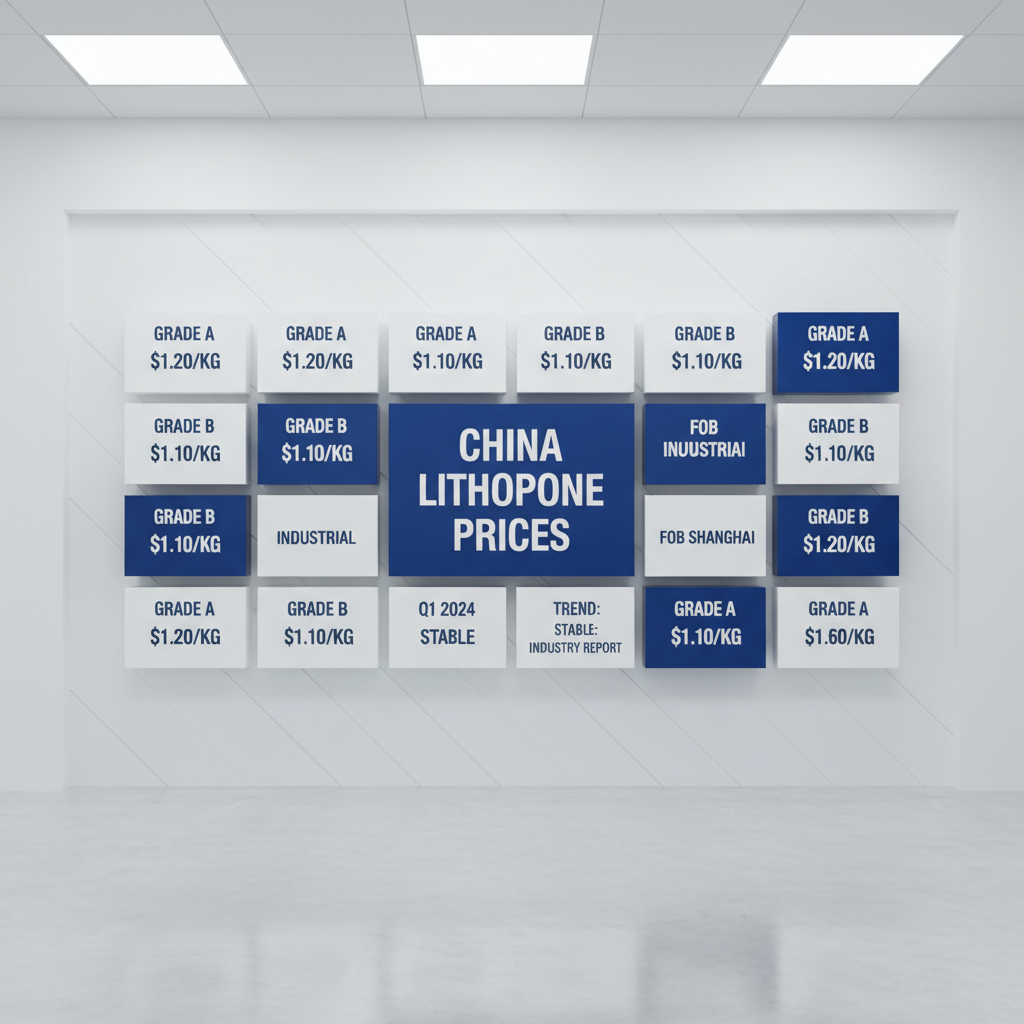
With the increasing volatility of titanium dioxide pricing, many manufacturers have turned back to lithopone as a strategic substitute or additive. According to various industrial benchmarks, the utilization of this hybrid pigment helps reduce overall raw material expenditure by 15-30% in large-scale paint and coating operations, while still adhering to ISO standards for opacity and purity.
Defining White Powder Pigment Lithopone and Its Meaning
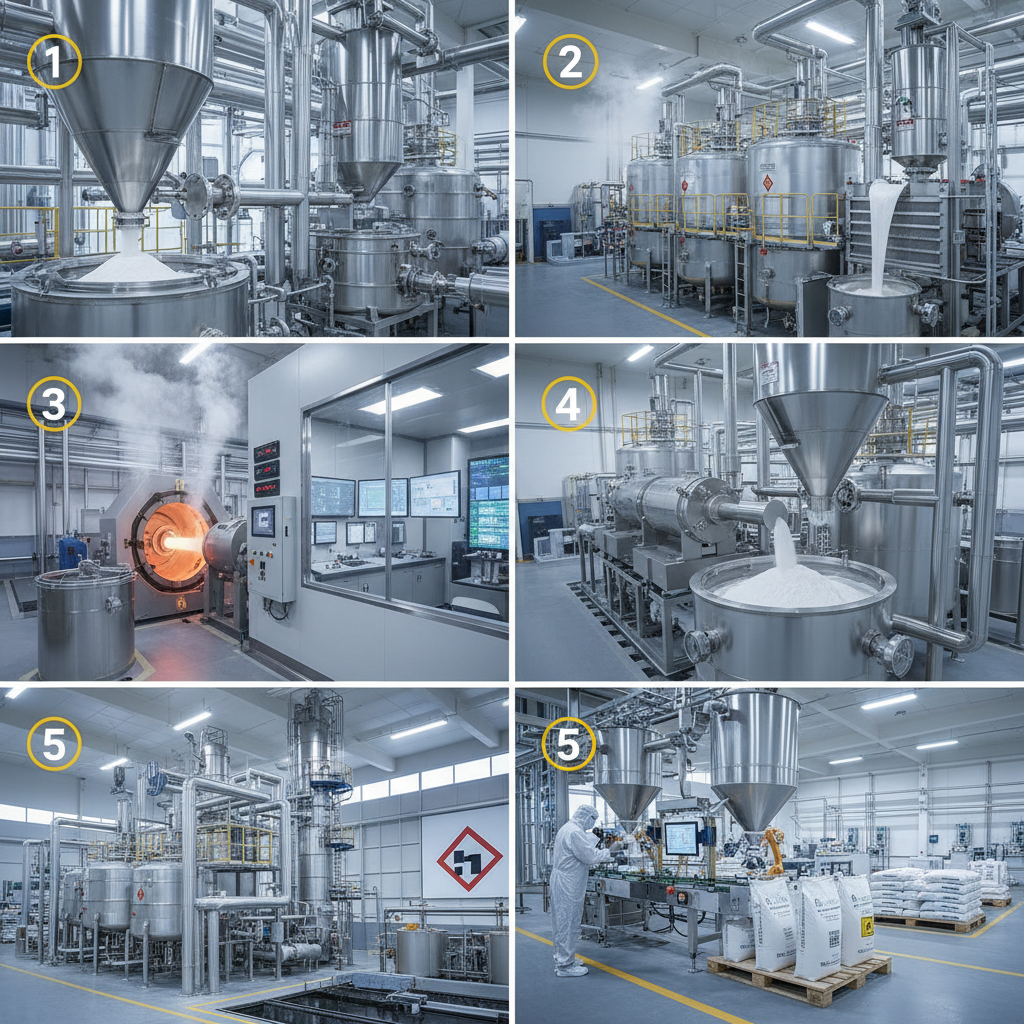
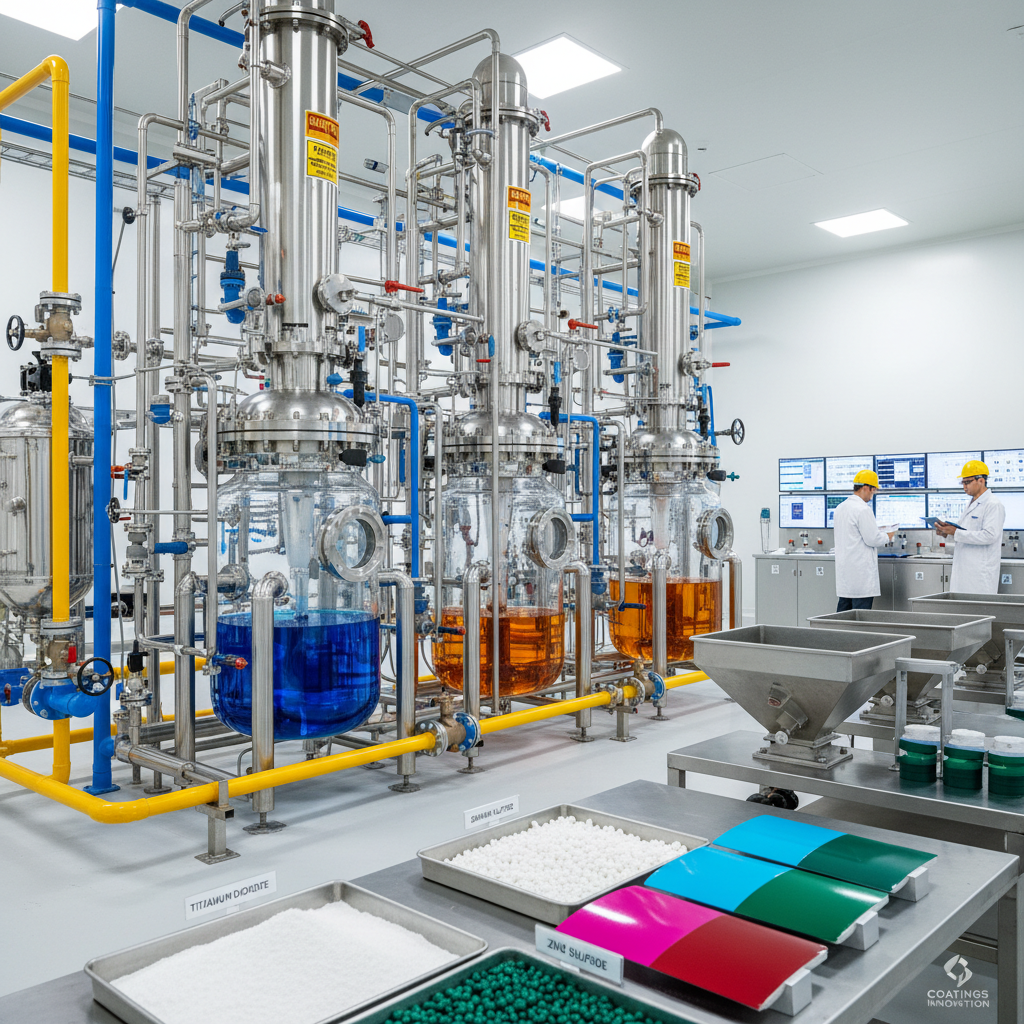
In simple technical terms, white powder pigment lithopone is a double pigment composed of a mixture of barium sulfate (BaSO4) and zinc sulfide (ZnS). It is produced through a chemical reaction where zinc sulfide is precipitated onto barium sulfate, resulting in a fine, bright white powder that possesses unique refractive properties.
Beyond its chemical formula, this pigment represents an industrial solution to the challenge of "hiding power." In the world of manufacturing, the ability of a coating to mask the color of the substrate beneath it is paramount. Lithopone provides a dense crystalline structure that scatters light efficiently, ensuring a clean, professional white finish across various surfaces.
Its meaning in modern industry extends to humanitarian and infrastructure needs; it is often used in low-cost, durable architectural paints for housing projects in emerging economies. By providing a reliable, non-toxic white coating, it ensures that buildings are protected from UV degradation while remaining aesthetically pleasing and affordable.
Core Components Influencing Pigment Performance
The effectiveness of white powder pigment lithopone is primarily dictated by its particle size distribution and the ratio of zinc sulfide to barium sulfate. A finer particle size typically translates to higher tinting strength and smoother application, which is critical for high-gloss finishes in the automotive sector.
Another critical factor is chemical stability. High-quality white powder pigment lithopone must be resistant to sulfurization and oxidation. When the pigment remains stable, it prevents the "yellowing" effect often seen in inferior white pigments, thereby extending the lifecycle of the end product.
Lastly, dispersibility plays a vital role in the manufacturing process. The ease with which the powder integrates into oil-based or water-based mediums determines the efficiency of the production line. Advanced surface treatments on the pigment particles allow for a more homogeneous mix, reducing the risk of clumps and surface imperfections.
Practical Applications and Use Cases Globally
The application of white powder pigment lithopone spans across multiple heavy industries. In the plastics industry, it is used as a filler and whitening agent for PVC and PE, providing the necessary opacity for white pipes and packaging materials. In the rubber industry, it serves as a reinforcing agent that enhances the brightness of white rubber goods without affecting the elasticity of the material.
In regional contexts, such as the industrial zones of Southeast Asia, lithopone is heavily utilized in the production of primer paints for steel structures. In remote industrial zones where extreme humidity is common, the chemical stability of this pigment ensures that the anti-corrosive layers remain intact, preventing premature rust and structural failure.
Performance Analysis of White Powder Pigment Lithopone Variants
Strategic Advantages and Long-Term Value
The primary advantage of utilizing white powder pigment lithopone lies in its economic efficiency. By reducing the reliance on more expensive titanium dioxide, companies can maintain a competitive price point for their finished goods while achieving nearly identical visual results in many applications.
Beyond the financial aspect, there is a significant reliability factor. Lithopone is known for its excellent compatibility with various resins and binders, making it a "safe" choice for formulators who need a consistent result across different batches. This reliability fosters trust between the manufacturer and the end consumer, ensuring that product quality remains stable over years of production.
Future Trends and Material Innovations
The future of white powder pigment lithopone is being shaped by the global push toward "Green Chemistry." Research is currently focusing on reducing the environmental footprint of the precipitation process, aiming to eliminate hazardous by-products and implement closed-loop water recycling systems during manufacturing.
Digital transformation is also playing a role. Automation in the grinding and blending phases is allowing for unprecedented precision in particle size control. This means that future iterations of lithopone will be more specialized—tailored specifically for either high-flow plastics or high-viscosity industrial coatings.
Furthermore, we are seeing a trend toward hybrid pigment blends. By combining white powder pigment lithopone with nano-scale fillers, researchers are developing "smart coatings" that not only provide color but also offer enhanced thermal insulation and self-cleaning properties.
Technical Challenges and Industrial Solutions
One of the primary challenges associated with white powder pigment lithopone is its susceptibility to acidification. In environments with high concentrations of acidic pollutants, the zinc sulfide component can react, leading to a loss of opacity or a change in hue.
To overcome this, expert chemists recommend the use of surface-treating agents or the addition of stabilizing buffers within the paint formulation. By encapsulating the pigment particles in a thin protective layer of silica or alumina, the pigment becomes significantly more resistant to chemical attack.
Another limitation is the slightly lower refractive index compared to pure titanium dioxide. The industrial solution is "synergistic blending," where a small percentage of TiO2 is mixed with lithopone. This approach optimizes the brightness while keeping the cost profile low, providing the best of both worlds for the manufacturer.
Comparison of Lithopone Technical Specifications and Performance
| Grade Type |
Opacity Score (1-10) |
Chemical Stability |
Cost Efficiency |
| Premium Nano-Lithopone |
9.5 |
Very High |
Medium |
| Standard Industrial |
7.8 |
High |
Very High |
| Coated Lithopone |
8.2 |
Excellent |
High |
| Eco-Friendly Grade |
7.5 |
Medium |
High |
| Heavy-Duty Filler |
6.5 |
High |
Maximum |
| Ultra-Bright Blend |
8.8 |
Medium-High |
Medium-High |
FAQS
Lithopone is more cost-effective because its primary components, barium sulfate and zinc sulfide, are generally less expensive to source and process than the high-energy chloride or sulfate processes required for titanium dioxide. While it may have slightly lower opacity, the significant reduction in raw material costs makes it the ideal choice for high-volume industrial applications where extreme brilliance is not the sole requirement.
Yes, lithopone is generally considered non-toxic and safe for use in domestic architectural coatings. It does not emit harmful volatile organic compounds (VOCs) and is chemically stable under normal indoor conditions. However, as with any industrial powder, it is recommended to use proper ventilation and protective gear during the mixing process to avoid inhalation of the fine dust.
When used correctly, white powder pigment lithopone can actually enhance the durability of plastics by providing a degree of UV shielding. The zinc sulfide component helps reflect a portion of the UV spectrum, which reduces the rate of polymer degradation (yellowing and cracking) when exposed to sunlight, particularly in PVC and PE materials.
Absolutely. In fact, synergistic blending is a common industry practice. Mixing lithopone with titanium dioxide allows manufacturers to achieve a high-brightness "premium" white while utilizing lithopone to maintain a lower average cost per kilogram. This hybrid approach optimizes the refractive index of the coating without exponentially increasing the budget.
Yellowing is typically caused by the oxidation of zinc sulfide or reaction with acidic atmospheric pollutants. To prevent this, we suggest using a "coated" grade of lithopone or adding an alkaline stabilizer to the paint formulation. Ensuring that the pigment is thoroughly dispersed and sealed with a high-quality resin binder also significantly slows down the oxidation process.
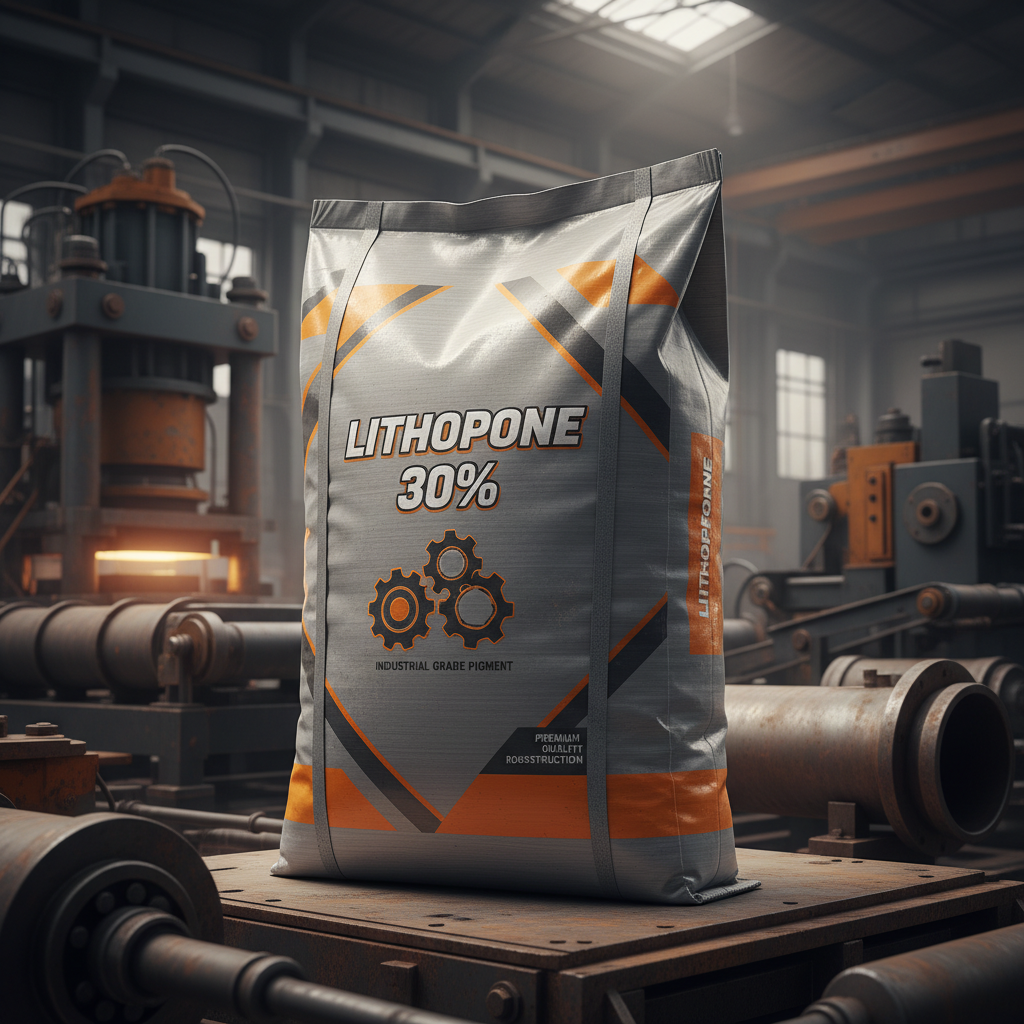
To maintain its purity and brightness, lithopone should be stored in a cool, dry environment, away from strong acids and oxidizing agents. It is best kept in airtight, moisture-proof bags (such as PE-lined woven bags) to prevent clumping and contamination. Regular inventory rotation (First-In-First-Out) is recommended to ensure the pigment's freshness and consistency.
Conclusion
Throughout this analysis, we have explored the indispensable role of white powder pigment lithopone as a cornerstone of industrial whitening solutions. By balancing the technical demands of opacity and stability with the economic realities of large-scale production, lithopone continues to provide immense value across the paint, plastic, and rubber sectors. Its ability to adapt through surface treatments and synergistic blending ensures its longevity in a competitive market.
Looking forward, the integration of sustainable manufacturing processes and precision nanotechnology will further elevate the performance of this versatile pigment. For manufacturers seeking to optimize their formulation costs without sacrificing visual integrity, investing in high-grade lithopone is a strategic move toward long-term efficiency. To source premium-grade pigments and explore tailored solutions for your industry, visit our website: www.cqtitaniumdioxide.com.