

มี.ค. . 19, 2026 14:41 กลับไปที่รายการ
Technical Guide on How to Select the Ideal Titanium Dioxide for Different Applications
Selecting the correct chemical additives is a decisive factor in determining the durability, opacity, and economic efficiency of industrial manufacturing. Among the most critical materials in a formulator's toolkit is the titanium dioxide product, a versatile mineral that provides the essential "hiding power" and brightness required for everything from architectural paints to high-performance plastics. However, the selection process is far from universal. Because different industrial environments impose unique stresses—such as UV exposure, chemical reactivity, or mechanical wear—the choice of pigment must be precisely aligned with the end-use of the product. Hebei Caiqing New Material Technology Co., LTD, established in 2005, has dedicated decades to the research and development of these materials, providing personalized customized services to help global partners navigate the complexities of material science.
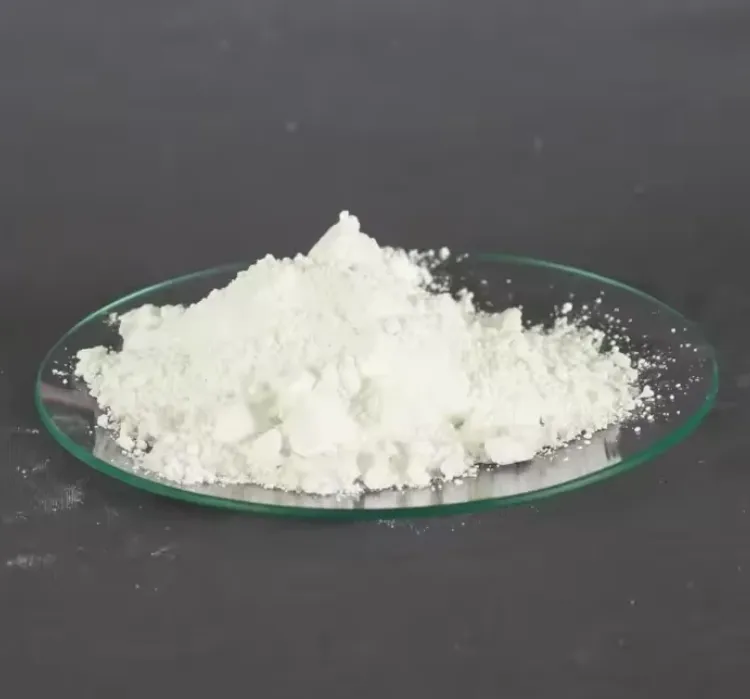
Performance Characteristics of Titanium Dioxide Rutile in Exterior Finishes
When an application demands the highest level of protection against the elements, titanium dioxide rutile is the indispensable choice. The rutile crystal structure is more compact and stable than its counterparts, giving it the highest refractive index of any white pigment. This translates to superior scattering of visible light, allowing for exceptional opacity even in thin coating layers. More importantly, the rutile phase is inherently more resistant to ultraviolet radiation. In the coatings industry, this prevents the "chalking" effect where the paint binder degrades and leaves a white powder on the surface. Hebei Caiqing New Material Technology Co., LTD focuses heavily on the technological research and development of rutile grades, ensuring they are treated with inorganic coatings like silica or alumina to further enhance their weatherability for the global coating industry.
Specialized Utility of Titanium Dioxide Anatase in Indoor Environments
While rutile dominates the outdoor market, titanium dioxide anatase holds a unique and vital position in specialized indoor and functional applications. The anatase crystal is slightly softer and has a blue-toned whiteness that is often preferred in the textile and paper industries. Because it is less abrasive than the rutile form, it reduces the wear and tear on high-speed manufacturing equipment, such as spinning nozzles in synthetic fiber production or the delicate wires of a paper machine. Furthermore, the anatase phase possesses higher photocatalytic activity, making it the primary choice for "active" materials that break down organic pollutants under indoor lighting. The unremitting pursuit of quality at Caiqing Technology ensures that their anatase products maintain the high purity levels required for these sensitive industrial processes.
Sourcing Excellence from Titanium Dioxide China for Global Markets
The global shift toward high-efficiency manufacturing has placed a spotlight on the capabilities of titanium dioxide china. The Chinese chemical industry has evolved from a volume-based exporter to a leader in specialized, high-tech mineral processing. Modern Chinese facilities now utilize advanced chlorination and sulfate processes to produce pigments that rival the world's most established brands in terms of brightness and particle size distribution. This technological leap has made China a primary source for manufacturers in India, Africa, and Europe who require high-quality products and efficient services. Hebei Caiqing New Material Technology Co., LTD exemplifies this leadership, combining decades of export experience with a robust research infrastructure to deliver chemical solutions that meet the evolving standards of the international market.
Selecting a Titanium Dioxide Product for the Plastics and Masterbatch Industry
The plastics industry presents a unique set of challenges for pigment selection, as the material must withstand high processing temperatures without yellowing or degrading the polymer matrix. When choosing a titanium dioxide product for plastic masterbatches, formulators must look for grades that have been specifically surface-treated with organic compounds to ensure excellent "wetting" and dispersion. Poorly dispersed pigment can lead to structural weaknesses and "specks" in the final molded product. Whether producing thin agricultural films or heavy-duty industrial pipes, the choice of pigment affects not just the color, but the mechanical integrity of the plastic. Caiqing Technology provides personalized services to help plastic manufacturers select grades that offer the perfect balance of heat stability and tinting strength, ensuring a consistent and high-quality output.
Determining the Proper Classification of Titanium Dioxide for Printing Inks
In the high-precision world of printing inks, the classification of titanium dioxide depends heavily on the printing method—whether it is flexographic, gravure, or offset. Inks require pigments with extremely fine and uniform particle sizes to ensure they flow correctly through narrow nozzles and provide a smooth, high-gloss finish on various substrates like plastic film or metal foil. Rutile grades are generally preferred for their high opacity, which is necessary for printing white bases on transparent packaging. However, the surface treatment must be carefully selected to be compatible with either water-based or solvent-based ink systems. The technical team at Hebei Caiqing New Material Technology Co., LTD works closely with the ink industry to provide chemical titanium dioxide that offers low oil absorption and high dispersibility, facilitating faster printing speeds and more vibrant color reproduction.
Comparing Industrial Benefits of Titanium Dioxide Anatase and Rutile
The decision between titanium dioxide anatase and rutile often comes down to a trade-off between optical performance and mechanical impact on the production line. While rutile offers approximately 20% to 35% more hiding power than anatase, its increased hardness can be a disadvantage in the production of delicate films or fibers. In the paper industry, anatase is frequently used because its slightly lower refractive index is sufficient for the brightness requirements of high-quality printing paper, and its softer nature preserves the life of the papermaking clothing. By understanding these nuances, Hebei Caiqing New Material Technology Co., LTD provides its clients with a comprehensive view of the "total cost of ownership," ensuring that the selected pigment improves the final product without increasing the maintenance costs of the production machinery.
-
Why Rutile Titanium Dioxide is the Preferred Choice for Automotive Finishes
ข่าวApr.17,2026
-
Utilizing Anatase Titanium Dioxide for Inks and Specialized Printing Media
ข่าวApr.17,2026
-
The Science of Reflection: How Titanium Dioxide White Pigment Defines Modern Paints
ข่าวApr.17,2026
-
The Role of Coated Titanium Dioxide in High-Performance Exterior Coatings
ข่าวApr.17,2026
-
Enhancing Structural Longevity: Titanium Dioxide for Concrete and Masonry
ข่าวApr.17,2026
-
Comparing the Optical Efficiency of Rutile and Anatase Titanium Dioxide
ข่าวApr.17,2026