

เม.ย. . 17, 2026 10:22 กลับไปที่รายการ
Enhancing Structural Longevity: Titanium Dioxide for Concrete and Masonry
The preservation of modern infrastructure is one of the most significant challenges facing the construction and architectural sectors today. From the sprawling concrete jungles of our city centers to the elegant masonry of residential developments, the longevity of these structures is constantly threatened by environmental degradation, pollution, and the natural aging process. In this context, the integration of titanium dioxide for concrete has moved beyond a luxury additive to become a fundamental necessity for sustainable building. By fundamentally altering how masonry surfaces interact with their environment, this material ensures that our built world remains both structurally sound and visually pristine for decades.
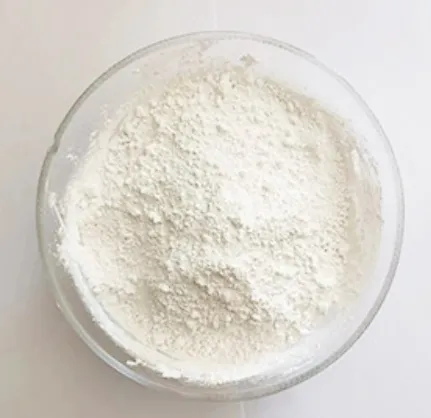
The Aesthetic Revolution of Titanium Dioxide White Concrete Pigment
For decades, the gray, utilitarian appearance of concrete was an accepted limitation of the material. However, the modern architectural movement demands a more diverse and vibrant palette, with white and light-toned concrete becoming a hallmark of contemporary design. Achieving this aesthetic shift is the primary purpose of titanium dioxide in the world of decorative concrete. Unlike traditional dyes that may fade or wash out over time, this high-performance pigment becomes an integral part of the concrete matrix.
The use of titanium dioxide white concrete pigment provides an unmatched level of brightness and opacity. This allows architects to create soaring white facades, clean-lined bridges, and elegant public plazas that reflect the sunlight and stand out against the landscape. More importantly, this aesthetic choice is not just skin-deep. Because the pigment is distributed throughout the mixture, the color remains consistent even if the surface experiences minor wear or chipping. This permanent coloration eliminates the need for frequent repainting or topical staining, offering a low-maintenance solution for high-traffic urban environments where visual impact is as important as structural utility.
Environmental Cleansing through Advanced Titanium Dioxide Products
One of the most remarkable applications of this material in the construction industry is its ability to interact with the atmosphere to reduce pollution. When high-performance titanium dioxide products are integrated into concrete surfaces, they act as a catalyst when exposed to natural light. This process, often referred to as "smog-eating" technology, allows the masonry to break down harmful airborne pollutants such as nitrogen oxides and volatile organic compounds that typically accumulate in densely populated cities.
This application transforms a passive building material into an active environmental filter. Imagine a city where the concrete sound barriers along highways and the facades of office buildings are actively working to clean the air that residents breathe. This functionality is particularly valuable in masonry applications for public infrastructure, where the sheer surface area of the concrete can have a measurable impact on local air quality. By choosing materials that contribute to a healthier urban environment, developers can align their projects with modern sustainability goals and provide tangible benefits to the communities that surround their structures.
Strengthening Resilience with Titanium Dioxide Concrete Pigment
Beyond the visual and environmental benefits, the inclusion of titanium dioxide concrete pigment plays a vital role in the long-term physical resilience of masonry. Concrete is naturally porous, making it susceptible to the ingress of water, salts, and industrial pollutants. These elements can lead to internal corrosion of reinforcing steel and the gradual "spalling" or cracking of the concrete surface.
The integration of fine-particle pigments helps to refine the internal structure of the concrete, creating a denser and more cohesive material. This enhanced density reduces the permeability of the masonry, making it much harder for moisture to penetrate the surface. In coastal regions or areas where de-icing salts are frequently used, this added layer of internal protection is critical. It ensures that the structural core of the building remains dry and protected, significantly extending the time between major maintenance cycles. This move toward "self-protecting" concrete represents a shift in philosophy—from repairing damage after it occurs to preventing the conditions that cause degradation in the first place.
ไททาเนียมไดออกไซด์: The Self-Cleaning Capability of Modern Masonry Surfaces
A major frustration for property owners is the gradual darkening and staining of concrete and stone surfaces due to mold, algae, and industrial soot. Traditional cleaning methods involve harsh chemicals and high-pressure washing, which can actually damage the masonry over time by opening up its pores. The purpose of titanium dioxide in these applications is to provide a "hydrophilic" surface—one that prevents dirt from sticking and allows rainwater to wash away contaminants naturally.
Buildings treated with this technology maintain their "just-built" look for much longer than those using standard materials. In humid climates where green algae growth is a constant battle for masonry, the photocatalytic properties of the pigment inhibit organic growth on the surface. This means that white concrete stays white, and stone textures remain clear and sharp, even in damp or shaded environments. For commercial property managers, this translates to a massive reduction in long-term cleaning costs and a significant boost in the "curb appeal" and value of the asset.
ไททาเนียมไดออกไซด์: Sustainable Urban Development and the Use of Reflective Concrete
As global temperatures rise, the "Urban Heat Island" effect has become a critical concern for city planners. Dark asphalt and traditional gray concrete absorb massive amounts of solar energy, radiating it back into the atmosphere and increasing the temperature of our cities. The strategic use of titanium dioxide for concrete in pavements, rooftops, and vertical walls helps to combat this phenomenon by increasing the solar reflectance of the built environment.
By reflecting a higher percentage of the sun's rays, these specialized concrete surfaces stay significantly cooler than their traditional counterparts. This not only makes urban spaces more comfortable for pedestrians but also reduces the cooling load on adjacent buildings. When integrated into large-scale paving projects—such as airport runways, parking lots, or city sidewalks—the cumulative effect can lead to a cooler, more energy-efficient urban microclimate. This application demonstrates that the choice of concrete pigment is not just an architectural detail; it is a tool for climate adaptation and resilient urban design.
-
Why Rutile Titanium Dioxide is the Preferred Choice for Automotive Finishes
ข่าวApr.17,2026
-
Utilizing Anatase Titanium Dioxide for Inks and Specialized Printing Media
ข่าวApr.17,2026
-
The Science of Reflection: How Titanium Dioxide White Pigment Defines Modern Paints
ข่าวApr.17,2026
-
The Role of Coated Titanium Dioxide in High-Performance Exterior Coatings
ข่าวApr.17,2026
-
Enhancing Structural Longevity: Titanium Dioxide for Concrete and Masonry
ข่าวApr.17,2026
-
Comparing the Optical Efficiency of Rutile and Anatase Titanium Dioxide
ข่าวApr.17,2026