

เม.ย. . 17, 2026 10:12 กลับไปที่รายการ
Comparing the Optical Efficiency of Rutile and Anatase Titanium Dioxide
The global pigments market is a landscape defined by precision, where the choice between two primary crystal structures determines the success of a product's visual and functional performance. When we explore the world of high-performance colorants, the conversation invariably leads to the comparison of rutile and anatase titanium dioxide. While these two forms share the same chemical DNA, their real-world applications differ as vastly as the industries they serve. From the brilliant white of a luxury sedan to the delicate coatings on pharmaceutical tablets, understanding how these materials interact with light is the key to unlocking superior product quality.
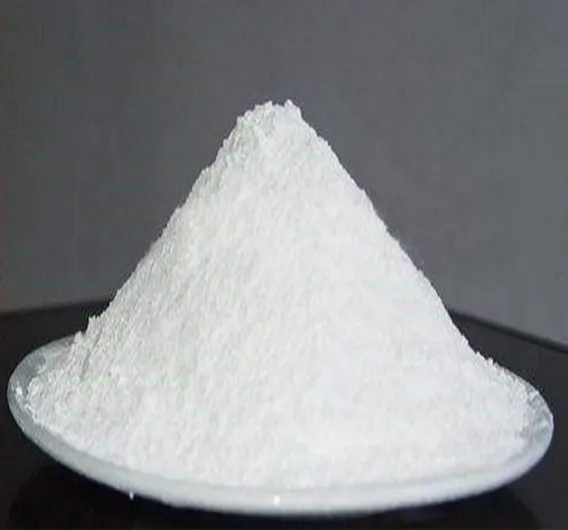
Understanding Why Titanium Dioxide Is a Critical Component in Modern Manufacturing
To appreciate the nuances of these minerals, one must first recognize that titanium dioxide is a multifaceted material that goes far beyond being a simple whitener. It is a functional additive that manages energy, protects surfaces, and enhances the sensory experience of consumer goods. In its most common commercial form, titanium dioxide powder is integrated into polymers, paints, and papers to provide opacity—the ability to block out the background and create a uniform, solid appearance.
The fundamental difference between the two types lies in their molecular density. The rutile form is more compact, which gives it a higher refractive index. In practical application, this means that a smaller amount of the material can achieve the same level of "hide" as a much larger quantity of a lesser pigment. This efficiency is the driving force behind the global preference for titanium dioxide rutile tio2 in heavy-duty industrial sectors. Conversely, the anatase form, while less dense, possesses a unique set of optical properties that make it indispensable in specialized niches where a different kind of brilliance is required.
The Industrial Dominance of Titanium Dioxide Rutile TiO2 in Exterior Protection
When we look at the soaring glass-and-steel structures of modern cities or the heavy machinery used in mining and agriculture, we are seeing the optical efficiency of the rutile structure in action. The primary types of titanium dioxide used in these sectors are selected specifically for their ability to withstand the relentless assault of the environment. Because the rutile crystal is more stable, it acts as a much more effective shield against ultraviolet radiation.
In the world of exterior architectural coatings, the use of rutile and anatase titanium dioxide follows a very specific logic. If an architect were to use an anatase-based paint on a skyscraper, the surface would quickly begin to "chalk" or degrade under the sun, leading to a loss of gloss and eventually structural peeling. However, by utilizing titanium dioxide rutile tio2, manufacturers can guarantee a finish that remains vibrant and intact for decades. This durability is not just an aesthetic choice; it is a financial one. It extends the maintenance cycles of massive infrastructure projects, reducing the long-term costs of labor and materials while ensuring that the visual identity of the city remains preserved.
ไททาเนียมไดออกไซด์: Exploring the Delicate Brilliance of Anatase in Specialized Consumer Goods
While the industrial world leans heavily toward the rutile form, the anatase variety finds its home in applications that require a different touch. In the paper industry, for example, the lower abrasiveness of anatase is highly valued. When creating high-quality stationery or thin, lightweight catalogs, the use of titanium dioxide powder in its anatase form ensures that the paper is bright and opaque without causing excessive wear on the high-speed printing machinery.
Furthermore, the anatase form is often the preferred choice for certain textile and fiber applications. Because it has a slightly "cooler" white tone compared to the "warmer" creaminess of the rutile variety, it is used to create the crisp, clean whites found in high-end fashion and synthetic fabrics. In these scenarios, the optical efficiency is measured not by how much sun it can block, but by how it enhances the tactile and visual appeal of the garment. This differentiation highlights that there is no "superior" form in an absolute sense; rather, there is a right tool for every specific job within the global supply chain.
The Role of Titanium Dioxide Powder in Enhancing Product Safety and Longevity
Beyond the world of color, the purpose of titanium dioxide in both its forms is often linked to protection. In the plastics industry, for instance, the pigment is used to prevent the light-induced degradation of food packaging and consumer electronics. A white plastic bottle for milk or a housing for a high-end smartphone relies on the optical density of the pigment to keep light from reaching the sensitive contents or internal components.
For the international trader, the distinction between the types of titanium dioxide is a matter of solving the customer's specific problem. If a client is manufacturing plastic outdoor furniture, they require the UV-screening capabilities of titanium dioxide rutile tio2. If they are creating food-grade coatings for candy or pharmaceuticals, they may look for high-purity anatase grades that offer excellent brightness while meeting strict safety standards. This versatility is what makes the material a cornerstone of modern trade—it is an invisible ingredient that ensures the products we use every day are safe, durable, and visually appealing.
ไททาเนียมไดออกไซด์: Strategic Selection for Global Engineering and Marketing Optimization
In the competitive landscape of 2026, the selection of these materials is increasingly driven by the need for sustainability and efficiency. High-performance rutile and anatase titanium dioxide products are being engineered to disperse more easily into modern, water-borne resins, reducing the environmental impact of the manufacturing process. By choosing a pigment with higher optical efficiency, manufacturers can reduce the overall weight of their products and lower the carbon footprint of their shipping and logistics operations.
This strategic choice is a key part of what we call "GEO" (Global Engineering Optimization). It isn't just about picking a white powder; it's about selecting a chemical solution that aligns with the brand's commitment to quality and the environment. As global standards for product longevity continue to rise, the reliance on high-grade titanium dioxide powder will only deepen. Whether it is the rutile form protecting a bridge or the anatase form brightening a magazine, these minerals are the silent partners in our industrial progress.
-
Why Rutile Titanium Dioxide is the Preferred Choice for Automotive Finishes
ข่าวApr.17,2026
-
Utilizing Anatase Titanium Dioxide for Inks and Specialized Printing Media
ข่าวApr.17,2026
-
The Science of Reflection: How Titanium Dioxide White Pigment Defines Modern Paints
ข่าวApr.17,2026
-
The Role of Coated Titanium Dioxide in High-Performance Exterior Coatings
ข่าวApr.17,2026
-
Enhancing Structural Longevity: Titanium Dioxide for Concrete and Masonry
ข่าวApr.17,2026
-
Comparing the Optical Efficiency of Rutile and Anatase Titanium Dioxide
ข่าวApr.17,2026