

டிசம்பர் . 08, 2025 14:28 மீண்டும் பட்டியலில்
Applications of Rutile Titanium Dioxide in Industrial Coatings
In the industrial coatings sector—where durability, weather resistance, and color stability are non-negotiable—rutile titanium dioxide (also known as tio2 rutile) stands as a cornerstone pigment. Unlike its counterpart in the anatase and rutile tio2 duo, rutile titanium dioxide offers superior UV resistance, high opacity, and excellent dispersibility, making it ideal for protecting and enhancing surfaces ranging from metal structures to industrial machinery. Hebei Caiqing Material Technology Co., Ltd., a large chemical product company established in 2005 (with annual output reaching 100,000 tons), specializes in producing high-performance rutile titanium dioxide (including the CR-930 series) and anatase titanium dioxide, supplying wholesalers worldwide to meet the demands of coatings manufacturers, construction firms, and automotive industries. With a focus on cold resistance, dispersibility, and coverage—key traits for industrial coatings—Caiqing Technology’s tio2 rutile has earned trust in Southeast Asia, Africa, the Middle East, and beyond. This article explores the key applications of rutile titanium dioxide in industrial coatings, highlighting why it’s the top choice for wholesalers aiming to deliver high-quality, long-lasting coating solutions.
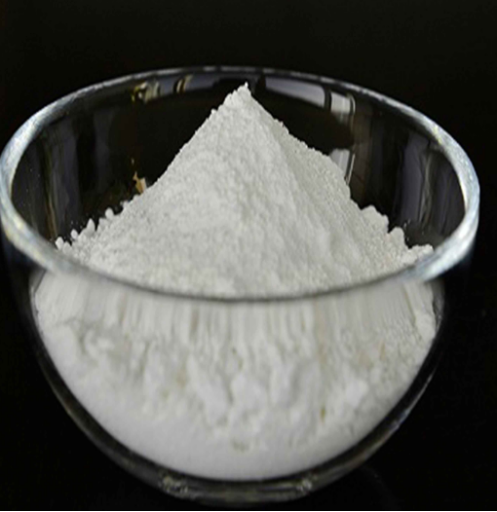
Rutile Titanium Dioxide in Architectural Industrial Coatings
- Exterior Wall and Metal Structure Coatings: Rutile titanium dioxide is a staple in architectural industrial coatings, where it provides unmatched weather resistance for exterior walls, bridges, and steel structures. Its ability to reflect UV rays prevents coating degradation—cracking, fading, or chalking—even after years of exposure to rain, sunlight, and extreme temperatures. Caiqing Technology’s CR-930 series tio2 rutile offers exceptional dispersibility, ensuring it blends evenly into water-based or solvent-based architectural coatings to create a smooth, consistent finish. Unlike anatase titanium dioxide (the other type in anatase and rutile tio2), rutile titanium dioxide maintains its opacity and color stability in outdoor environments, reducing the need for frequent repainting. For wholesalers supplying construction material distributors, this translates to fewer product returns and higher client satisfaction—architectural firms often specify rutile titanium dioxide for large-scale projects to minimize long-term maintenance costs. A wholesaler serving Middle Eastern construction companies noted that coatings with Caiqing’s rutile titanium dioxide retained their appearance for 8+ years in harsh desert climates.
- Concrete and Masonry Coatings: Industrial coatings for concrete (e.g., factory floors, parking garages) rely on rutile titanium dioxide for both protection and aesthetics. The pigment enhances the coating’s resistance to chemicals (oils, solvents) and abrasion, while its high coverage power reduces the amount of coating needed per square meter—lowering material costs for end-users. Caiqing’s tio2 rutile also improves the coating’s adhesion to concrete surfaces, preventing peeling or flaking in high-traffic areas. Wholesalers can market rutile titanium dioxide-based concrete coatings to manufacturing facilities and logistics hubs, where durable, easy-to-clean surfaces are essential.
Tio2 Rutile in Automotive and Transportation Industrial Coatings
|
Coating Type |
Key Benefits of Tio2 Rutile |
Wholesale Value for Clients |
Ideal End-Use Scenarios |
|
Automotive Primer Coatings |
Tio2 rutile provides excellent hiding power, covering surface imperfections in metal auto bodies; enhances adhesion between primer and topcoat. |
Appeals to automotive coatings manufacturers; ensures consistent finish across vehicle batches. |
Car, truck, and bus manufacturing plants |
|
Heavy-Duty Transportation Coatings |
Resists corrosion and impact for coatings on trucks, trains, and ships; maintains color stability in saltwater (maritime) or road salt environments. |
Targets transportation maintenance firms; reduces coating replacement frequency for fleet owners. |
Commercial truck fleets, shipping companies, railways |
|
Automotive Topcoat Clear Coatings |
Adds gloss and UV protection to topcoats; prevents color fading from sunlight exposure (critical for colored automotive finishes). |
Differentiates premium automotive coatings; caters to consumers seeking long-lasting vehicle appearance. |
Luxury car manufacturers, automotive refinishing shops |
Rutile Titanium Dioxide in Industrial Equipment and Machinery Coatings
- Factory Machinery and Industrial Ovens: Industrial equipment—from manufacturing machines to high-temperature ovens—requires coatings that withstand heat, oil, and mechanical stress, and rutile titanium dioxide delivers on all fronts. Caiqing Technology’s rutile titanium dioxide has strong heat resistance, remaining stable in coatings exposed to temperatures up to 200℃ (far higher than anatase titanium dioxide in anatase and rutile tio2). This makes it ideal for coatings on factory presses, conveyor belts, and industrial ovens, where heat-induced coating degradation is a common issue. Additionally, tio2 rutile improves the coating’s chemical resistance, protecting machinery from oils, lubricants, and cleaning solvents that can break down lesser pigments. For wholesalers supplying industrial equipment manufacturers, this means offering a pigment that aligns with the “low-maintenance” needs of factory operators—coatings with rutile titanium dioxide last 2-3 times longer than those without, reducing downtime for equipment repainting.
- Agricultural and Construction Machinery: Machinery used in agriculture (tractors, harvesters) and construction (excavators, bulldozers) faces harsh outdoor conditions—mud, dust, and UV exposure—and rutile titanium dioxide-based coatings provide the necessary durability. The pigment’s high opacity ensures machinery remains visible (a safety feature for construction sites), while its weather resistance prevents rust and corrosion from rain or humidity. Caiqing’s rutile titanium dioxide also offers good dispersibility in thick, high-solids coatings (common for heavy machinery), ensuring even coverage on large, irregular surfaces. Wholesalers can position tio2 rutile as a cost-effective solution for agricultural and construction equipment manufacturers, who prioritize coatings that can withstand years of rough use.
Rutile Titanium Dioxide FAQS
Can Rutile Titanium Dioxide Be Used in Water-Based Industrial Coatings?
Yes—Caiqing Technology’s rutile titanium dioxide (including the CR-930 series) is specifically formulated for use in water-based industrial coatings, which are increasingly popular due to their low VOC emissions. The pigment’s excellent dispersibility ensures it mixes evenly into water-based systems without clumping, creating a smooth, consistent finish. Unlike some low-quality tio2 rutile products, Caiqing’s rutile titanium dioxide resists settling in water-based coatings, reducing the need for constant stirring during application. For wholesalers supplying eco-conscious coatings manufacturers (e.g., those targeting EU markets with strict VOC regulations), this makes rutile titanium dioxide a versatile, compliant option. A wholesaler serving European coatings firms reported that water-based coatings with Caiqing’s rutile titanium dioxide met all EU environmental standards while maintaining superior performance.
What Is the Recommended Dosage of Tio2 Rutile in Industrial Coatings?
The recommended dosage of tio2 rutile in industrial coatings varies by application: for architectural exterior coatings, 15-20% by weight (to ensure opacity and UV resistance); for automotive primers, 10-15% (to balance hiding power and flexibility); and for heavy machinery coatings, 20-25% (to enhance durability and chemical resistance). Caiqing Technology provides dosage guidelines tailored to specific coating types, helping wholesalers and their clients avoid overuse (which increases costs) or underuse (which reduces performance). For example, using less than 15% rutile titanium dioxide in exterior architectural coatings can lead to premature fading, while exceeding 25% in automotive primers can make the coating brittle. Wholesalers can share these guidelines with clients to optimize product use and minimize waste.
How Does Rutile Titanium Dioxide Improve Coating Durability Compared to Other Pigments?
Rutile titanium dioxide improves coating durability through three key mechanisms: 1) UV absorption and reflection—its crystal structure blocks 90% of UV rays, preventing polymer degradation in the coating; 2) chemical inertness—it resists reactions with acids, bases, and solvents, unlike organic pigments that can break down in harsh environments; 3) mechanical strength—it reinforces the coating matrix, increasing resistance to abrasion and impact. In contrast, organic pigments or even anatase titanium dioxide (in anatase and rutile tio2) lack these traits—organic pigments fade quickly outdoors, while anatase degrades under UV light. For wholesalers, this durability translates to a unique selling point: coatings with tio2 rutile require less frequent replacement, making them more attractive to industrial clients focused on long-term cost savings.
Is Rutile Titanium Dioxide Compatible with All Types of Industrial Coating Resins?
Yes—rutile titanium dioxide is compatible with the most common industrial coating resins, including acrylic, epoxy, polyurethane, and alkyd resins. Caiqing Technology’s tio2 rutile undergoes surface treatment (with silica or alumina) to improve adhesion to different resin systems, ensuring consistent performance across coating types. For example, in epoxy resins (used for industrial floors), rutile titanium dioxide enhances chemical resistance; in polyurethane resins (used for automotive topcoats), it adds gloss and UV protection. This compatibility reduces complexity for wholesalers, who can supply a single rutile titanium dioxide product to clients manufacturing different coating types—no need to stock multiple specialized pigments. A wholesaler supplying a diverse range of coatings manufacturers reported that Caiqing’s rutile titanium dioxide worked seamlessly with all their clients’ resin systems, simplifying inventory management.
What Support Does Hebei Caiqing Material Technology Co., Ltd. Offer Wholesalers for Rutile Titanium Dioxide?
Hebei Caiqing Material Technology Co., Ltd. provides comprehensive support to wholesalers: 1) Sample kits—rutile titanium dioxide samples (CR-930 series) and technical data sheets (covering compatibility, dosage, and performance) for clients to test in their coating formulations; 2) Customization services—tailored surface treatments for tio2 rutile to meet specific client needs (e.g., improved dispersibility for water-based coatings); 3) Logistics support—bulk shipping (via sea, air, or land) to over 50 countries, with secure packaging to prevent product contamination; 4) After-sales support—24/7 technical consultation from their team of chemical experts, helping wholesalers and their clients troubleshoot formulation or application issues. With an annual output of 100,000 tons, Caiqing also ensures stable supply and competitive bulk pricing, even for large wholesale orders. To explore their rutile titanium dioxide products and wholesale support services, visit Hebei Caiqing Material Technology Co., Ltd.’s company webpage today!
-
Why Rutile Titanium Dioxide is the Preferred Choice for Automotive Finishes
செய்திApr.17,2026
-
Utilizing Anatase Titanium Dioxide for Inks and Specialized Printing Media
செய்திApr.17,2026
-
The Science of Reflection: How Titanium Dioxide White Pigment Defines Modern Paints
செய்திApr.17,2026
-
The Role of Coated Titanium Dioxide in High-Performance Exterior Coatings
செய்திApr.17,2026
-
Enhancing Structural Longevity: Titanium Dioxide for Concrete and Masonry
செய்திApr.17,2026
-
Comparing the Optical Efficiency of Rutile and Anatase Titanium Dioxide
செய்திApr.17,2026