

ஏப் . 17, 2026 10:27 மீண்டும் பட்டியலில்
The Science of Reflection: How Titanium Dioxide White Pigment Defines Modern Paints
The science of modern architectural aesthetics and surface protection is essentially a study of how we manage light. Every time we enter a brightly lit room or admire the crisp, clean exterior of a contemporary building, we are experiencing the physical properties of reflection. At the heart of this visual experience is a mineral component that has fundamentally redefined the coatings industry. While many ingredients contribute to the thickness or the drying time of a coating, white titanium dioxide pigment is the single most important factor in determining how a surface interacts with the world’s most powerful energy source: the sun.
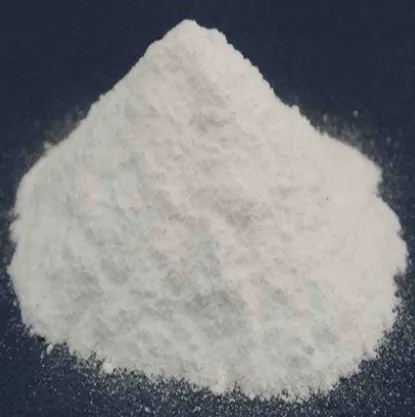
The Radiance of Interiors and the Role of White Titanium Dioxide Pigment
In interior design, the goal of a high-quality paint is often to maximize the available light, creating a sense of space, cleanliness, and openness. The "whiteness" we perceive is not merely a lack of color; it is the result of millions of microscopic particles working in unison to bounce light back toward our eyes. This is where white titanium dioxide pigment functions as the primary engine of radiance. Unlike traditional lead-based or zinc-based whites used in centuries past, this modern mineral provides a level of opacity that allows a single thin layer of paint to completely obscure the substrate beneath it.
For the homeowner or the commercial developer, this efficiency translates into a more vibrant living environment. Because the pigment reflects a broad spectrum of visible light, it helps to illuminate even the darkest corners of a building, reducing the need for artificial lighting during the day. This reflection is so efficient that it can actually change the perceived temperature of a room, making it feel cooler and more airy. The choice of a premium pigment ensures that this brightness does not fade or "yellow" over time, maintaining the integrity of the interior design for years after the initial application.
Why Best Pigment Rutile Titanium Dioxide Governs the Exterior Landscape
When the focus shifts from the protected environment of an interior living room to the harsh, unpredictable conditions of the outdoors, the demands on a paint system change dramatically. The exterior of a building is essentially a battlefield where the coating must resist ultraviolet radiation, moisture, and temperature fluctuations. In this high-stakes arena, best pigment rutile titanium dioxide is the undisputed champion. The "rutile" crystal structure is naturally more compact and stable than other forms, making it exceptionally resistant to the chemical breakdown caused by the sun.
The application of this pigment on a building’s facade serves as a sophisticated defense mechanism. By reflecting a massive portion of the solar spectrum—including the invisible heat-generating infrared rays—the paint helps to keep the structure itself cooler. This is particularly vital in modern urban planning, where large-scale developments can contribute to rising local temperatures. By utilizing best pigment rutile titanium dioxide, architects can design structures that are not only visually striking but also thermally efficient. The pigment prevents the paint from becoming brittle or "chalky," a common failure in lower-grade coatings where the binder is destroyed by UV exposure. Instead, the surface remains smooth and resilient, preserving the building's aesthetic and structural value.
The Versatility of Anatase Titanium Dioxide for Paints and Decorative Finishes
While the rugged rutile form dominates the heavy-duty sector, there is a distinct and important place for the anatase variety in the world of specialized finishes. The use of anatase titanium dioxide for paints is often preferred in applications where a specific type of visual softness or "whiteness" is required. Anatase is known for having a slightly "bluer" undertone, which can be highly desirable in creating the "cool whites" often found in Scandinavian design or high-end artistic galleries.
Furthermore, anatase has a unique relationship with the surface it covers. In some specialized industrial coatings, the slightly higher reactivity of anatase titanium dioxide for paints is used to create "self-cleaning" surfaces. When exposed to light, these pigments can help break down organic pollutants on the surface of the paint, which are then easily washed away by rainwater. This functionality is a testament to how the science of reflection can be harnessed for practical maintenance, ensuring that white surfaces stay white even in environments plagued by city soot and industrial dust. It highlights the fact that the choice of pigment is never a "one size fits all" decision, but a strategic selection based on the specific goals of the project.
Understanding How Titanium Dioxide Color Influences Global Design Trends
Color is more than just a visual preference; it is a tool for communication and emotional influence. In the coatings industry, titanium dioxide color consistency is the bedrock upon which all other hues are built. Whether a manufacturer is producing a deep forest green, a vibrant sunset orange, or a soft pastel lavender, they start with a white base. If that base is inconsistent or has a high level of impurities, the final color will be "muddy" or off-tone.
The perfection of modern paint palettes is only possible because of the extreme purity of the pigments used today. This allows for a global standardization of color. A specific shade of corporate blue can be reproduced with perfect accuracy in Shanghai, London, or New York because the white titanium dioxide pigment used as the foundation is identical across all markets. This reliability has allowed for the rise of "signature colors" in branding and architecture, where the color itself becomes part of the company's identity. The pigment doesn't just provide a color; it provides a guarantee of visual consistency that was impossible to achieve before the industrial refinement of this mineral.
The Future of Sustainable Coatings and What Titanium Dioxide Is
As we look toward the future of the construction and manufacturing industries, the conversation is increasingly focused on sustainability and environmental responsibility. To understand the future of this field, one must understand what titanium dioxide is in the context of a green economy. It is not just a pigment; it is a resource for energy conservation. By increasing the "Albedo Effect" (the reflectivity of a surface) on a global scale, these pigments are helping to combat climate change by reflecting heat back out of the atmosphere.
Innovations in pigment technology are leading to "smarter" paints that can actively manage the temperature of a city. These "cool roof" and "cool wall" technologies rely entirely on the high-performance reflection provided by best pigment rutile titanium dioxide. As international standards for building efficiency become more stringent, the role of this material will only grow. It is an essential component in the transition toward more resilient cities, proving that the science of reflection is a key pillar of modern environmental engineering.
-
Why Rutile Titanium Dioxide is the Preferred Choice for Automotive Finishes
செய்திApr.17,2026
-
Utilizing Anatase Titanium Dioxide for Inks and Specialized Printing Media
செய்திApr.17,2026
-
The Science of Reflection: How Titanium Dioxide White Pigment Defines Modern Paints
செய்திApr.17,2026
-
The Role of Coated Titanium Dioxide in High-Performance Exterior Coatings
செய்திApr.17,2026
-
Enhancing Structural Longevity: Titanium Dioxide for Concrete and Masonry
செய்திApr.17,2026
-
Comparing the Optical Efficiency of Rutile and Anatase Titanium Dioxide
செய்திApr.17,2026