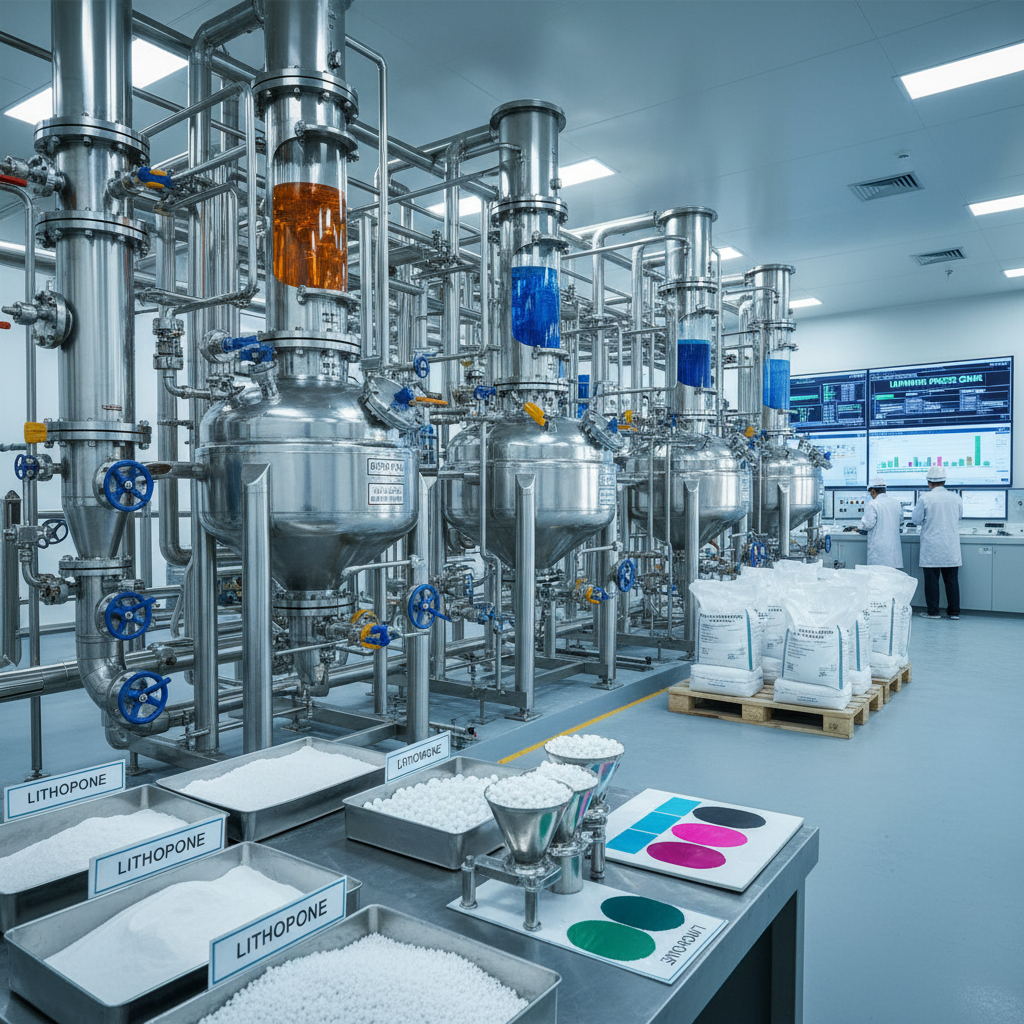
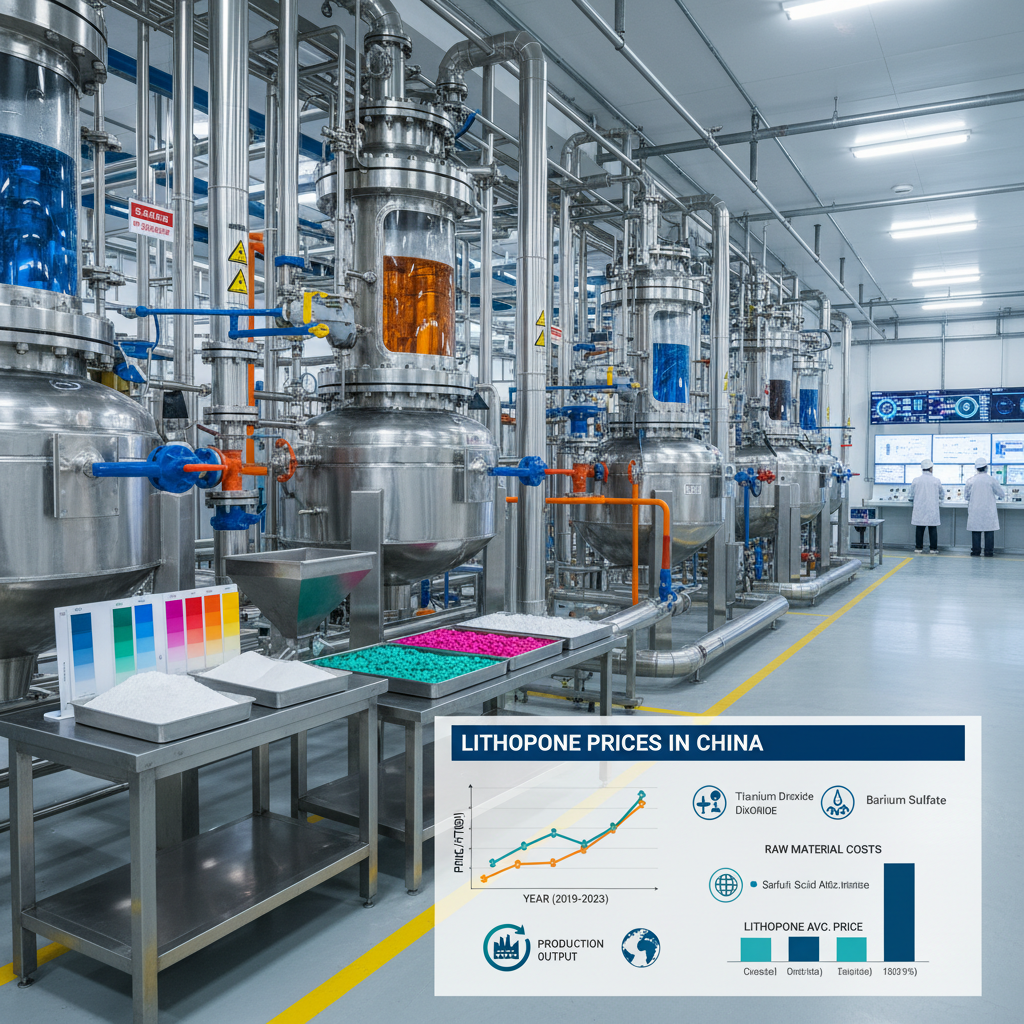
Understanding the dynamics of lithopone prices in china is essential for global manufacturers who rely on high-quality white pigments for coatings, plastics, and rubber. As one of the world's leading producers of inorganic salts, China's market fluctuations directly impact the cost structures of downstream industrial applications worldwide, making price transparency a strategic advantage for procurement managers.
The volatility of these prices is often linked to the availability of raw materials, specifically zinc oxide and barium sulfate, as well as evolving environmental regulations within Chinese industrial zones. By monitoring these trends, businesses can optimize their inventory cycles, hedge against sudden spikes, and ensure a stable supply chain for their pigment requirements.
Ultimately, analyzing the factors that drive lithopone prices in china allows companies to make informed decisions between utilizing lithopone as a cost-effective alternative to titanium dioxide or sticking with premium options depending on the required opacity and brilliance of the final product.
Global Market Influence of Lithopone Prices in China
China currently dominates a significant portion of the global inorganic pigment export market. Because of the massive scale of production in provinces like Hebei and Shandong, lithopone prices in china serve as the primary benchmark for the rest of the world. When production capacities shift or energy costs rise in these regions, the ripple effect is felt by paint and plastic manufacturers from Southeast Asia to South America.
The global relevance is further amplified by the interdependence of the chemical supply chain. As ISO standards for chemical purity become more stringent, the premium on high-grade lithopone increases, causing a divergence in pricing between industrial-grade and specialty-grade materials. This complexity requires importers to look beyond the surface price and evaluate the total cost of ownership, including purity and logistics.
Technical Composition and Price Correlation
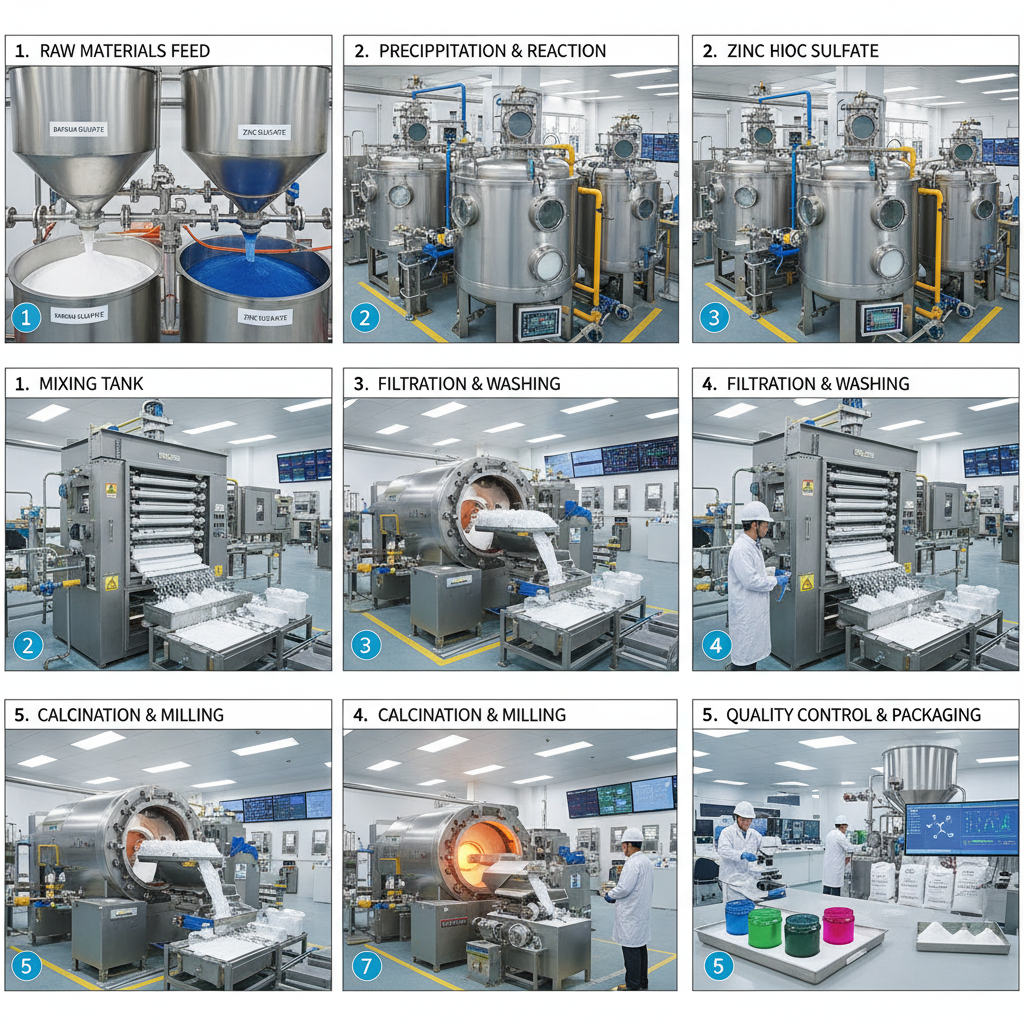
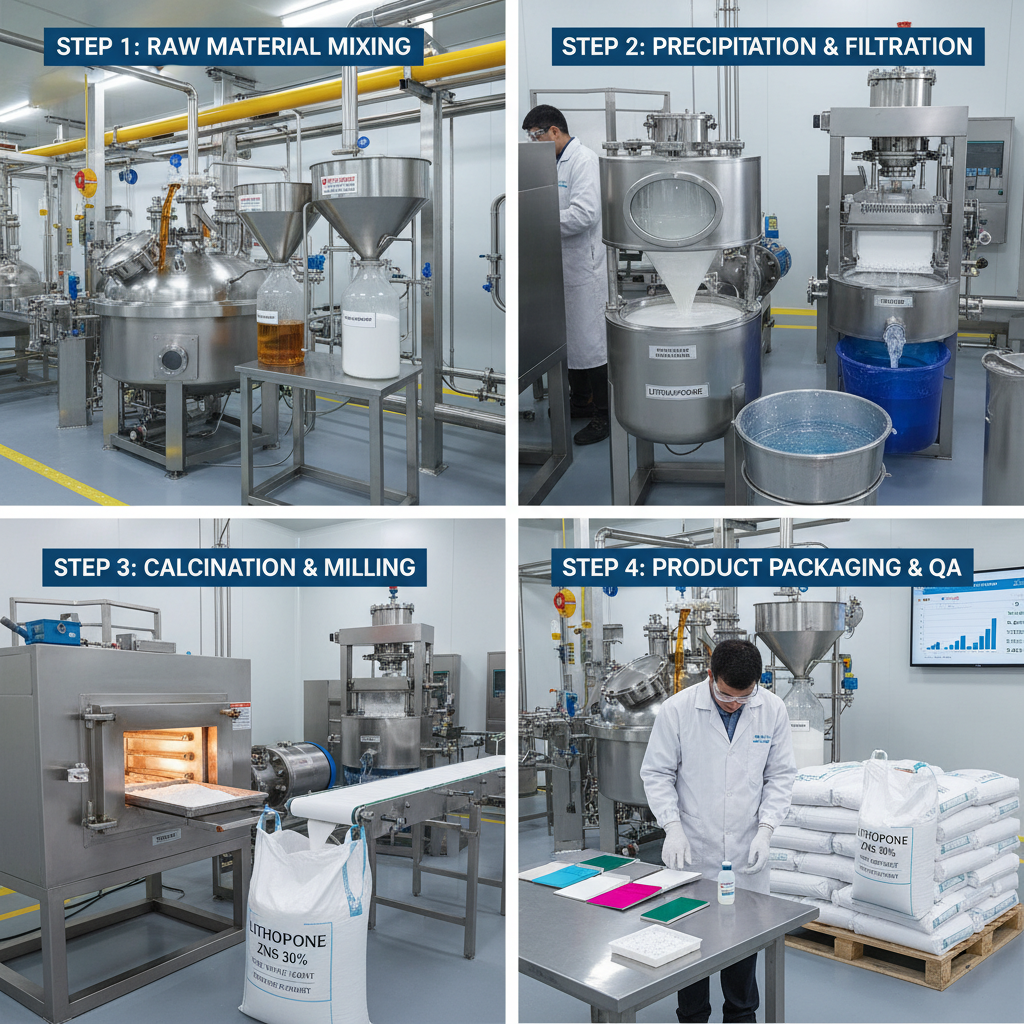
Lithopone is a mixture of barium sulfate and zinc sulfide. The precise ratio of these two components is a critical driver of lithopone prices in china. Zinc, being a more volatile commodity on the LME (London Metal Exchange), often dictates the short-term price swings. When zinc ore prices rise, the cost of producing zinc sulfide increases, forcing manufacturers to adjust their market rates.
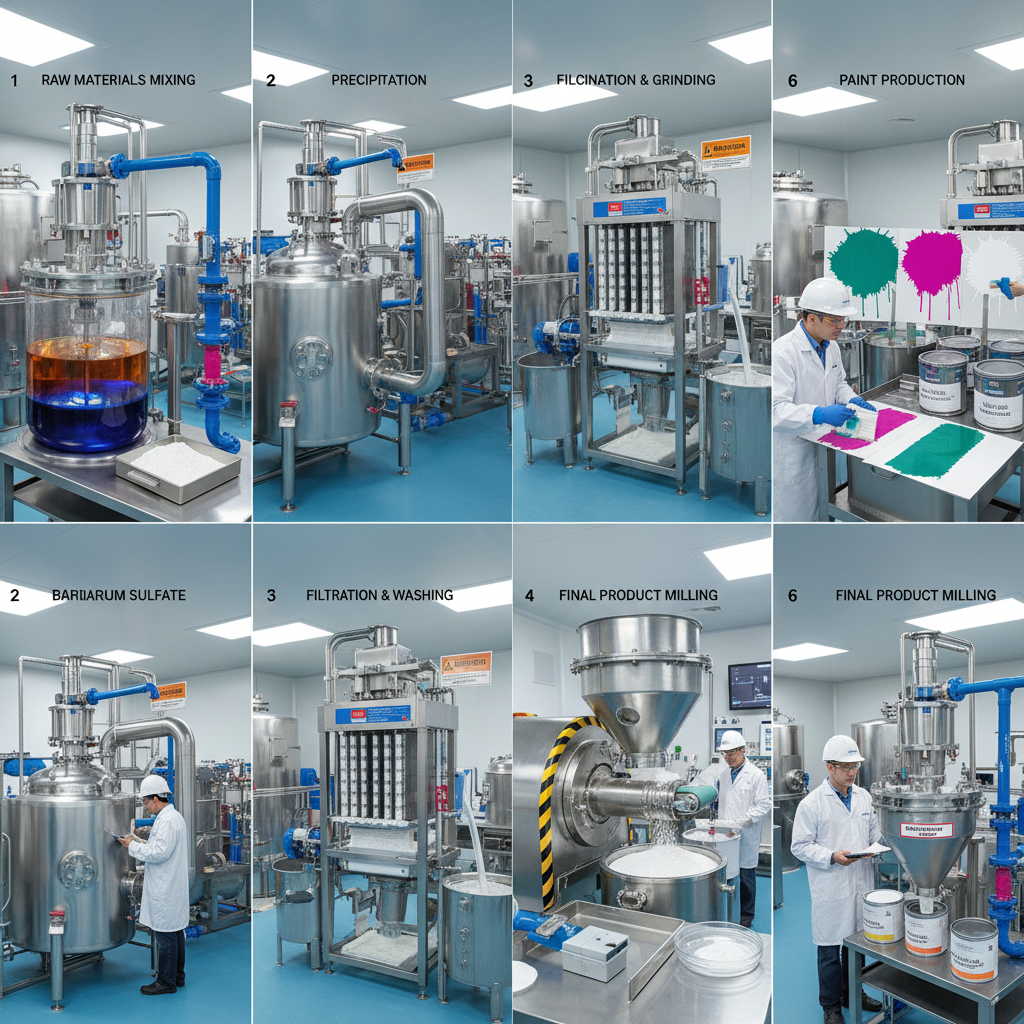
Barium sulfate, while more stable, also contributes to the baseline cost. The energy-intensive process of precipitating these salts requires significant power, meaning that China's domestic electricity pricing and carbon emission quotas play a silent but powerful role in determining the final quote provided to international buyers.
Furthermore, the particle size distribution—achieved through precise milling and grinding—affects the pigment's opacity and dispersing power. Finer grades require more processing time and energy, leading to a higher price point compared to coarse grades, illustrating that technical specifications are inextricably linked to market value.
Cost Efficiency and Industrial Value
For many manufacturers, the primary appeal of monitoring lithopone prices in china is the ability to reduce raw material expenditure without sacrificing too much quality. Lithopone offers a compelling middle ground between cheap fillers and expensive titanium dioxide.
In the architectural paint industry, substituting a percentage of titanium dioxide with lithopone can significantly lower the cost per gallon. This makes lithopone prices in china a key metric for companies aiming to remain competitive in the budget-friendly coating segment while maintaining acceptable whiteness.
Beyond mere cost, the chemical stability of lithopone provides long-term value. Its resistance to weathering and non-toxic nature make it an ideal choice for rubber and plastic applications, ensuring that the final product remains durable and safe for consumer use.
Comparative Analysis of Pricing Models
When evaluating the market, it is helpful to compare different sourcing strategies. Some buyers prefer long-term contracts to stabilize their expenditure, while others opt for spot-market purchases to take advantage of dips in lithopone prices in china.
The following data represents a conceptual rating of different procurement methods based on their effectiveness in managing cost and supply risk in the current Chinese market environment.
Procurement Efficiency for Lithopone Prices in China
Strategic Applications in Global Manufacturing
In real-world industrial contexts, the application of lithopone varies by region. For instance, in the booming construction sectors of Southeast Asia and Africa, there is a high demand for cost-effective exterior paints. Here, the stability of lithopone prices in china allows local manufacturers to produce high-volume, low-cost coatings that can withstand tropical humidity.
Similarly, in the automotive rubber industry, lithopone is used as a reinforcing filler. By sourcing from Chinese manufacturers, companies can maintain a lean production cost while ensuring the mechanical properties of the rubber, such as elasticity and heat resistance, are not compromised.
Sustainability and Regulatory Impact on Costs
The landscape of lithopone prices in china is increasingly dictated by "Green Manufacturing" policies. The Chinese government's strict enforcement of environmental laws has led to the closure of smaller, inefficient plants that failed to meet emissions standards. This reduction in supply often leads to temporary price hikes.
However, this consolidation is a positive long-term trend. It encourages the adoption of cleaner production technologies, such as closed-loop water recycling and energy-efficient calcination, which eventually stabilize production costs and reduce the environmental footprint of the pigment.
Moreover, the shift toward sustainable chemistry means that lithopone is being viewed as a more eco-friendly alternative to some lead-based pigments. This transition is creating a new value proposition, where the price is justified not just by cost-savings, but by compliance with international health and safety standards.
Future Forecasts for Inorganic Pigment Trends
Looking ahead, the trajectory of lithopone prices in china will likely be influenced by digital transformation in the supply chain. The rise of B2B e-commerce platforms is reducing the gap between the factory floor and the end-user, leading to more transparent and competitive pricing.
Automation in the manufacturing process is also expected to lower labor costs, potentially offsetting the rising cost of raw materials. We anticipate a move toward "smart pigments" where lithopone is blended with nano-materials to enhance its opacity, potentially creating a new premium tier in the market.
Ultimately, the balance between environmental regulation and technological innovation will determine whether the market remains stable or enters a period of volatility.
Analysis of Factors Affecting Lithopone Price Volatility
| Influence Factor |
Price Impact Level |
Duration of Effect |
Mitigation Strategy |
| Zinc Ore Market |
High |
Short-term |
Futures Hedging |
| Environmental Audits |
Medium |
Mid-term |
Supplier Diversification |
| Energy Costs (Electricity) |
Medium |
Continuous |
Energy-efficient Sourcing |
| Shipping & Logistics |
Low |
Seasonal |
Bulk Forward Ordering |
| Export Tariffs |
High |
Long-term |
Trade Agreement Analysis |
| Demand for TiO2 Alternatives |
Medium |
Cyclical |
Dynamic Formulation |
FAQS
The primary reason is the volatility of zinc oxide prices, as zinc is a major raw component of lithopone. Additionally, China's shifting environmental policies can lead to sudden plant shutdowns, reducing supply and pushing prices upward. Energy cost fluctuations also play a role given the energy-intensive nature of inorganic salt production.
Yes, lithopone is often used to reduce costs in applications where extreme brilliance is not required. By monitoring lithopone prices in china, manufacturers can determine the optimal blend ratio to lower their total cost of materials while maintaining acceptable opacity and whiteness in paints and plastics.
The most accurate prices are usually obtained through direct quotes from reputable manufacturers or through specialized chemical market index reports. Since spot prices change daily, establishing a relationship with a trusted Chinese supplier is the best way to get real-time, volume-based pricing.
In the short term, yes. Strict environmental audits often result in the closure of non-compliant factories, which tightens the supply. However, in the long term, this leads to more efficient, sustainable production methods that can stabilize costs and ensure a more reliable global supply chain.
Lithopone is generally categorized into industrial and specialty grades. Specialty grades with higher purity, smaller particle size, and better dispersion properties command a higher price. Industrial grades are more cost-effective and are used in bulk applications like basic primers or rubber fillers.
While the base lithopone prices in china might be low, the total landed cost includes freight, insurance, and customs duties. To minimize these, buyers often use bulk shipping (FOB or CIF) and plan their orders seasonally to avoid peak shipping rate periods.
Conclusion
Navigating the complexities of lithopone prices in china requires a holistic understanding of raw material markets, regulatory environments, and technical specifications. By recognizing that price is a function of both zinc volatility and environmental compliance, industrial buyers can move from reactive purchasing to strategic sourcing, ensuring their production lines remain efficient and cost-competitive.
As the industry moves toward a greener and more digital future, the ability to leverage high-quality inorganic pigments from China will remain a cornerstone of manufacturing success. We recommend that businesses maintain a diversified supplier base and keep a close watch on Chinese industrial policy to turn market volatility into a competitive advantage. For premium pigment solutions and real-time pricing, visit our website: www.cqtitaniumdioxide.com