

พ.ค. . 08, 2026 11:32 กลับไปที่รายการ
Optimizing Opacity: The Use of Titanium Dioxide in Multi-Layer Packaging
The evolution of high-performance packaging is a story of layers, where each micrometer of material is engineered to serve a specific functional purpose. In the modern food, pharmaceutical, and consumer goods sectors, the challenge is no longer just about containing a product; it is about extending its shelf life, preserving its nutritional integrity, and ensuring a premium visual presentation. Central to this mission is the use of titanium dioxide within multi-layer barrier films. By functioning as an internal optical shield, this mineral allows manufacturers to create lightweight, flexible packaging that provides the heavy-duty protection once only possible with thick, rigid materials.
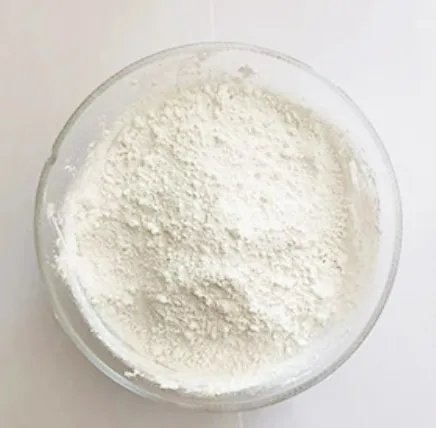
The Strategic Use of Titanium Dioxide in Modern Barrier Films
In the complex architecture of a multi-layer film, the pigment is rarely just on the surface. Instead, it is integrated into specific core layers to manage the transmission of light. The primary use of titanium dioxide in this context is to provide "total opacity." For products sensitive to photo-oxidation—such as dairy products, oils, and certain pharmaceutical compounds—even a small amount of light leakage can lead to vitamin degradation, flavor changes, or the breakdown of active ingredients.
By incorporating the pigment into a central polymer layer, designers can create a "blackout" effect. Often, a "white-black-white" structure is utilized: the outer white layers provide a clean, printable surface for branding, while a central black layer (usually carbon black) blocks light, and an internal white layer maintains the product's visual appeal. The use of titanium dioxide in these white layers ensures that the dark core is completely hidden, providing a brilliant, high-contrast finish that signifies purity and quality to the consumer.
Enhancing Shelf Life with High-Performance Titanium Dioxide Pigment
The transition toward 2026 global sustainability goals has placed a spotlight on reducing food waste, and the choice of titanium dioxide pigment is a critical factor in this effort. When light hits a packaging surface, the pigment particles act as millions of microscopic mirrors, scattering and reflecting the energy away from the contents. This light-scattering efficiency is what defines the "hiding power" of the film.
For products like shelf-stable milk or high-end nutraceuticals, the titanium dioxide pigment acts as a permanent barrier that does not degrade over time. Unlike organic UV absorbers that may lose their potency, this mineral pigment remains stable throughout the product's entire lifecycle. This stability allows for the creation of "active packaging" that can keep perishable goods fresh for months without the need for refrigeration. By optimizing the concentration and dispersion of the pigment, manufacturers can achieve the perfect balance between material thickness and protective performance, leading to a more efficient and less wasteful global supply chain.
The Optical Brilliance of Titanium Dioxide White Pigment in Consumer Branding
Visual identity is the first point of contact between a brand and a consumer. In a crowded retail environment, the "whiteness" of a package is often perceived as a proxy for the freshness and cleanliness of the product inside. Achieving this aesthetic requires a titanium dioxide white pigment that offers a neutral, high-brightness foundation.
This brightness is essential for high-fidelity printing. When complex graphics or vibrant colors are applied to a multi-layer film, any "grayness" or translucency in the base material will dull the final image. By utilizing a premium titanium dioxide white pigment, packaging converters can ensure that their colors "pop" and their text remains sharp. This is particularly vital for pharmaceutical packaging, where dosage instructions and safety information must be legible under all lighting conditions. The pigment doesn't just provide a color; it provides a professional, high-contrast canvas that supports the brand's message of safety and reliability.
Why Rutile Titanium Dioxide Pigment Dominates High-Barrier Applications
In the hierarchy of white pigments, the rutile crystal structure stands as the undisputed champion of the packaging industry. The preference for rutile titanium dioxide pigment stems from its superior refractive index, which is the highest of any white material used in manufacturing. This means it can achieve a higher level of opacity with less material, allowing for the "downgauging" of plastic films—making them thinner and more eco-friendly without sacrificing protection.
Furthermore, rutile titanium dioxide pigment offers the best UV-shielding properties. In outdoor retail displays or transit environments where packaging is exposed to intense sunlight, the rutile structure prevents the polymer film itself from becoming brittle or yellowing. It protects the structural integrity of the "pouch" or "laminate," ensuring that the seal remains airtight and the barrier properties remain intact. For high-volume producers, the use of rutile grades is a strategic choice that ensures their products survive the rigors of the global logistics network while maintaining a premium appearance on the shelf.
Exploring the Diversity of Products That Use Titanium Dioxide for Protection
The impact of this technology is visible across a vast array of products that use titanium dioxide for functional packaging. In the grocery aisle, it is found in the opaque "stand-up pouches" used for baby food, coffee, and pet treats. In the medical sector, it is used in the sterile blister packs that protect life-saving medications from moisture and light. Even in the industrial sector, multi-layer bags for seeds, chemicals, and fertilizers rely on the pigment to prevent the contents from reacting with solar energy.
The versatility of these products that use titanium dioxide highlights the material's role as a universal protector. As packaging technology continues to evolve toward compostable and bio-based resins, the demand for high-compatibility white pigments will only increase. These new "green" materials often have different optical properties than traditional plastics, and the strategic integration of titanium dioxide white pigment is what allows them to meet the same high standards of opacity and protection that consumers have come to expect.
-
The Role of High Purity Titanium Dioxide in Polymer Durability
ข่าวMay.14,2026
-
Optimizing Industrial Coatings with Rutile Titanium Dioxide
ข่าวMay.14,2026
-
Improving Brightness in Paper Industry with Anatase Grade TiO2
ข่าวMay.14,2026
-
Enhancing Opacity in Premium Inks with Titanium Dioxide Pigment
ข่าวMay.14,2026
-
Chemical Stability of Titanium Dioxide in Ceramic Glaze Applications
ข่าวMay.14,2026
-
Advanced UV Protection: Titanium Dioxide for Construction Materials
ข่าวMay.14,2026