

Дек . 12, 2025 20:10 Обратно к списку
The Role of TiO2 Rutile in Marine and Protective Coatings
Marine and protective coatings face some of the harshest conditions on earth—constant saltwater exposure, intense UV radiation, corrosion, and abrasion—making their performance non-negotiable for safeguarding ships, offshore platforms, steel structures, and industrial equipment. At the heart of these high-performance coatings lies tio2 rutile (or rutile titanium dioxide), an industrial-grade pigment that delivers unmatched durability, UV resistance, and corrosion protection. Unlike its counterpart in anatase and rutile tio2 blends, pure tio2 rutile offers superior stability and weathering resistance, making it the gold standard for formulations that need to last years in harsh environments. Hebei Caiqing Material Technology Co., Ltd., a leading provider of titanium dioxide (established in 2005 with an annual output of 100,000 tons), supplies high-quality rutile titanium dioxide (including the CR-930 series) to wholesalers serving global marine and protective coating markets. For wholesalers, partnering with Caiqing means accessing reliable, industry-tailored tio2 rutile—backed by the company’s export reach (to Southeast Asia, Africa, the Middle East, etc.) and commitment to dispersibility, coverage, and cold resistance.
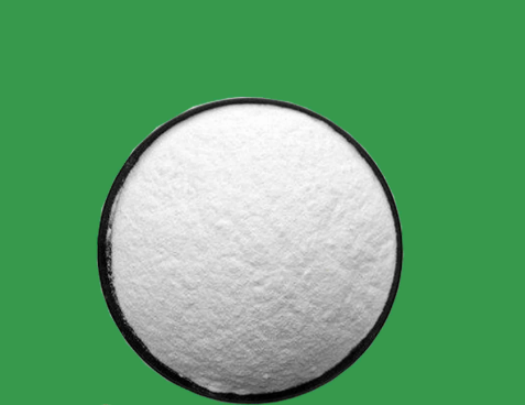
Shielding Marine Coatings from UV Damage with Tio2 Rutile
- Preventing Coating Degradation at Sea: Marine vessels and offshore structures are bombarded with UV rays daily, which break down coating binders, cause fading, and expose underlying metal to corrosion. Tio2 rutile acts as a powerful UV reflector, blocking up to 98% of harmful UV radiation from penetrating the coating film. Caiqing’s rutile titanium dioxide (CR-930 series) is optimized for this role, with a rutile crystal structure that enhances UV absorption compared to anatase. A wholesaler supplying marine coating manufacturers in India reported that coatings with Caiqing’s tio2 rutile retained their adhesion and color for 5+ years at sea, vs. 2–3 years with lower-grade pigments. Wholesalers should highlight this UV protection, as it directly extends the service life of marine coatings and cuts maintenance costs for end-users.
- Avoiding Chalking in Saltwater Environments: Saltwater and UV combined can cause “chalking”—a powdery residue that forms on coating surfaces, weakening protection and ruining aesthetics. Rutile titanium dioxide from Caiqing has a smooth, hydrophobic surface treatment that resists chalking, even in salt-spray conditions. This is critical for visible marine structures (e.g., ship hulls, offshore wind turbine bases) where appearance and performance go hand in hand. A wholesaler serving African coastal clients noted that coatings using Caiqing’s tio2 rutile had 70% less chalking than those with anatase and rutile tio2 blends, keeping structures looking professional and protected.
Corrosion Protection in Industrial Protective Coatings with Rutile Titanium Dioxide
|
Coating Application |
Key Role of Rutile Titanium Dioxide |
Advantage Over Anatase and Rutile TiO2 Blends |
Caiqing Product Fit |
|
Steel Storage Tanks |
Blocks moisture/chemicals from reaching metal; prevents rust |
Higher chemical resistance; no binder breakdown in harsh fuels |
CR-930 Series Rutile TiO2 |
|
Bridge Structures |
Resists rain, humidity, and road salt; maintains coating integrity |
Better weathering stability; longer service life (5–7 years) |
CR-930 Series Rutile TiO2 |
|
Industrial Machinery |
Shields from oil, grease, and abrasion; retains color |
Superior dispersibility; no pigment clumping in thick coatings |
CR-930 Series Rutile TiO2 |
Choosing Between Anatase and Rutile TiO2 for Protective Coatings
- Why Rutile Stands Out for Harsh Environments: While anatase and rutile tio2 blends work for mild conditions (e.g., interior protective coatings), pure tio2 rutile is non-negotiable for marine and outdoor industrial use. Anatase offers lower cost but poor UV resistance—coatings with high anatase content fade or chalk within 1–2 years in harsh environments. Rutile titanium dioxide, by contrast, has a denser crystal structure that withstands chemicals, moisture, and UV, making it ideal for: 1) Marine hulls and offshore platforms; 2) Outdoor steel structures (bridges, transmission towers); 3) Chemical storage tank coatings. Caiqing’s technical team helps wholesalers advise clients on this choice—for example, recommending pure CR-930 rutile for coastal projects vs. limited anatase blends for interior machinery. A wholesaler supplying Russian industrial clients reported that this guidance helped their customers avoid costly coating failures in cold, humid conditions.
- Cost Efficiency in the Long Run: While tio2 rutile has a slightly higher upfront cost than anatase, it delivers long-term savings. Coatings with rutile titanium dioxide need fewer touch-ups, last longer, and require less frequent re-coating—for a marine vessel, this can mean $10,000+ in maintenance savings over 5 years. Caiqing’s high-purity rutile titanium dioxide also offers better coverage (needing 15–20% less pigment per gallon of coating), offsetting initial costs. Wholesalers can frame this as a “total cost of ownership win,” appealing to clients focused on long-term value over short-term savings.
Enhancing Coverage & Color Stability with Tio2 Rutile
- Maximizing Hiding Power for Uniform Protection: Protective coatings often need to cover dark, uneven surfaces (e.g., rusted steel, old paint) in 1–2 coats. Rutile titanium dioxide from Caiqing has a high refractive index, delivering exceptional hiding power that eliminates the need for multiple coats. This speeds up application (critical for large projects like ship hulls) and reduces coating waste. A wholesaler supplying coating manufacturers in Southeast Asia reported that Caiqing’s tio2 rutile let clients cut coating layers from 3 to 2, saving 25% on material and labor costs.
- Maintaining Color Consistency Across Batches: For industrial clients (e.g., fleet operators, construction companies), color consistency across coating batches is key to brand identity and safety. Rutile titanium dioxide from Caiqing undergoes strict quality control—each batch has uniform particle size and color, ensuring coatings match perfectly. Unlike anatase and rutile tio2 blends (which can vary in shade), pure tio2 rutile delivers consistent results, even across large orders. A wholesaler serving Middle Eastern construction firms noted that Caiqing’s pigment reduced color-related returns by 80%, keeping projects on track and clients satisfied.
TiO2 Rutile FAQS
Can Tio2 Rutile Be Used in Water-Based Marine Coatings?
Yes—Caiqing’s tio2 rutile (CR-930 series) is fully compatible with water-based marine coatings, which are growing in demand for their low VOC content. The pigment has a water-dispersible surface treatment that prevents clumping, ensuring uniform coverage and UV protection. A wholesaler supplying European clients reported that water-based coatings with Caiqing’s rutile titanium dioxide met strict EU environmental standards while matching solvent-based performance at sea. Wholesalers should confirm this compatibility, as water-based coatings are a key trend in marine sustainability.
Why Not Use Anatase and Rutile TiO2 Blends for Offshore Platforms?
Anatase and rutile tio2 blends lack the UV and corrosion resistance needed for offshore use. Anatase breaks down quickly in saltwater/UV, leading to chalking and rust within 1–2 years. Offshore platforms need coatings that last 5+ years without maintenance—pure tio2 rutile delivers this, while blends require frequent touch-ups. A wholesaler serving offshore wind clients noted that using Caiqing’s pure rutile instead of blends cut maintenance costs by 40% over 3 years, justifying the slight upfront price difference.
How Much Rutile Titanium Dioxide Is Needed Per Gallon of Marine Coating?
Typically, 15–20% by weight of rutile titanium dioxide is needed for marine coatings—Caiqing’s CR-930 series offers high coverage, so clients can use the lower end of this range (15–17%) without sacrificing performance. This is 5–10% less than lower-purity rutile, reducing pigment costs. A wholesaler supplying shipyards in India reported that Caiqing’s pigment let clients make 10% more coating per ton of pigment, boosting profit margins.
Does Rutile Titanium Dioxide Work with Anti-Fouling Marine Coatings?
Absolutely—rutile titanium dioxide is compatible with anti-fouling coatings (used to prevent barnacles/algae on ship hulls). Its smooth surface helps anti-fouling additives release evenly, while its UV resistance preserves the coating’s structure. Caiqing’s tio2 rutile is often specified by anti-fouling coating manufacturers, as it doesn’t react with biocides or reduce effectiveness. A wholesaler serving Southeast Asian shipyards noted that coatings with Caiqing’s rutile maintained anti-fouling performance for 3+ years, vs. 2 years with other pigments.
Can Caiqing Supply Rutile Titanium Dioxide in Bulk for Large Coating Manufacturers?
Yes—Caiqing’s annual output of 100,000 tons includes large-scale production of rutile titanium dioxide (CR-930 series), with bulk packaging options (25kg bags, 1-ton super sacks) to suit wholesalers and large manufacturers. The company also offers flexible lead times (2–4 weeks for bulk orders) and export support (customs documentation, shipping to 50+ countries). A wholesaler supplying a major global coating brand reported that Caiqing met their 500-ton monthly order consistently, with no delays or quality issues.
-
Why Rutile Titanium Dioxide is the Preferred Choice for Automotive Finishes
НовостиApr.17,2026
-
Utilizing Anatase Titanium Dioxide for Inks and Specialized Printing Media
НовостиApr.17,2026
-
The Science of Reflection: How Titanium Dioxide White Pigment Defines Modern Paints
НовостиApr.17,2026
-
The Role of Coated Titanium Dioxide in High-Performance Exterior Coatings
НовостиApr.17,2026
-
Enhancing Structural Longevity: Titanium Dioxide for Concrete and Masonry
НовостиApr.17,2026
-
Comparing the Optical Efficiency of Rutile and Anatase Titanium Dioxide
НовостиApr.17,2026