

Апр . 17, 2026 10:33 Обратно к списку
Why Rutile Titanium Dioxide is the Preferred Choice for Automotive Finishes
The automotive industry represents the pinnacle of coating technology, where a vehicle's finish is not merely a color choice but a vital shield against the elements and a primary driver of consumer appeal. In this high-stakes environment, the selection of materials is governed by a need for absolute consistency and long-term resilience. Among the various components that comprise a modern automotive paint system, rutile titanium dioxide stands as the definitive preference for manufacturers who refuse to compromise on the visual and structural integrity of their products.
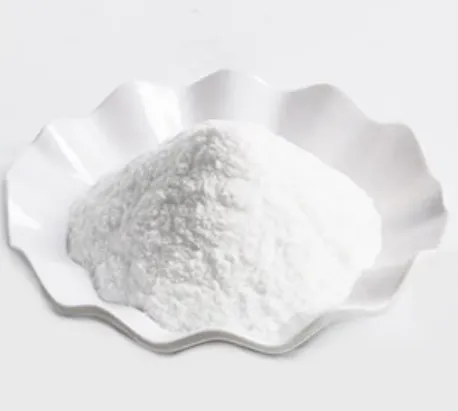
The Aesthetic Brilliance of Titanium Dioxide White Pigment in Luxury Design
When a consumer views a new vehicle on a showroom floor, the first thing they notice is the depth and clarity of the finish. Achieving a "liquid" look—where the paint appears deep, uniform, and vibrant—requires a base that can manage light with extreme precision. The use of titanium dioxide white pigment provides the foundational opacity that allows for these sophisticated visual effects. In the world of automotive design, white is rarely "just white"; it is a canvas for pearl, metallic, and ceramic finishes that must maintain their character under varied lighting conditions.
The preference for the rutile form over other structures stems from its superior ability to scatter visible light. This ensures that the automotive finish remains bright and "clean" even when applied in thin, weight-saving layers. For high-end automotive brands, the consistency of this pigment means that a vehicle manufactured in one part of the world will look identical to one produced elsewhere. This global standardization of color quality is only possible through the reliability of rutile titanium dioxide, which ensures that the brilliance of the design is never clouded by impurities or inconsistent particle behavior.
Why Manufacturers Seek the Best Quality Titanium Dioxide for Surface Integrity
The journey of an automobile involves constant exposure to harsh environments—from the scorching heat of desert highways to the abrasive salt spray of coastal regions. To survive these conditions, the paint must do more than just look good; it must act as a sophisticated barrier. Selecting the best quality titanium dioxide is essential because it determines how well the coating maintains its physical bond with the vehicle's bodywork.
In automotive applications, the pigment is often treated with advanced inorganic layers that prevent the "chalking" effect often seen in lower-grade paints. If the pigment were to react with sunlight and break down the surrounding resin, the paint would lose its gloss and eventually peel. By integrating a high-performance rutile titanium dioxide pigment, manufacturers create a finish that remains flexible and tough. This durability ensures that the vehicle retains its resale value and aesthetic charm for a decade or more, reflecting the manufacturer’s commitment to engineering excellence and long-term customer satisfaction.
Maximizing Vibrancy through Titanium Dioxide for Color Stability
While white and silver remain dominant in the automotive market, the demand for vibrant reds, deep blues, and custom hues continues to grow. In these color-rich formulations, the role of titanium dioxide for color stability is paramount. It acts as the "anchor" for organic pigments, providing the necessary background brightness that allows colors to "pop." Without a stable white base, darker or more vivid colors would appear dull and would require significantly more material to achieve full coverage.
Moreover, the stability of this pigment prevents the "fading" that often plagues outdoor surfaces. Automotive finishes are subject to intense UV bombardment, which can cause chemical shifts in many coloring agents. However, the rutile structure is naturally more UV-resistant than its counterparts. By utilizing this specific grade, paint formulators can guarantee that a vibrant red car remains red throughout its life, rather than drifting into a washed-out pink or orange. This stability is a core requirement for brand identity, as a faded fleet of vehicles can negatively impact a manufacturer’s reputation for quality.
Engineering the Future with Rutile Titanium Dioxide Pigment Technology
The automotive industry is currently undergoing a shift toward more sustainable, water-borne coating systems and thinner film builds to reduce environmental impact and vehicle weight. These innovations place even higher demands on the efficiency of the materials used. Rutile titanium dioxide pigment technology has evolved to meet these needs, offering better dispersibility in modern, eco-friendly resins.
In a modern spray booth, the paint must flow perfectly and settle into a smooth, defect-free surface. If the pigment particles are not perfectly engineered, the result is "orange peel" or surface roughness that ruins the aerodynamic profile and the visual flow of the vehicle. High-performance rutile grades are designed to integrate seamlessly into these new-age coatings, ensuring that the transition to "green" manufacturing does not result in a loss of finish quality. This adaptability makes it the "future-proof" choice for an industry that is constantly reinventing its production processes.
The Role of Pigment in Protecting Structural Longevity
Beyond the visible layers of a car, the protective qualities of the paint system are essential for preventing the silent threat of corrosion. A vehicle’s metal frame is vulnerable to oxidation the moment it leaves the factory. The use of titanium dioxide in the primer and basecoat layers contributes to a dense, impermeable matrix that keeps moisture and oxygen away from the steel or aluminum substrate.
This protection is a silent hero in automotive safety. By maintaining the integrity of the coating, the pigment helps prevent the structural weakening that occurs when rust takes hold. For the foreign trader and the industrial supplier, emphasizing this protective aspect is key to understanding why automotive OEMs (Original Equipment Manufacturers) are so selective about their pigment sources. It is not just about the beauty of the first day; it is about the safety and reliability of the tenth year.
-
Why Rutile Titanium Dioxide is the Preferred Choice for Automotive Finishes
НовостиApr.17,2026
-
Utilizing Anatase Titanium Dioxide for Inks and Specialized Printing Media
НовостиApr.17,2026
-
The Science of Reflection: How Titanium Dioxide White Pigment Defines Modern Paints
НовостиApr.17,2026
-
The Role of Coated Titanium Dioxide in High-Performance Exterior Coatings
НовостиApr.17,2026
-
Enhancing Structural Longevity: Titanium Dioxide for Concrete and Masonry
НовостиApr.17,2026
-
Comparing the Optical Efficiency of Rutile and Anatase Titanium Dioxide
НовостиApr.17,2026