

Фев . 25, 2026 11:03 Обратно к списку
How Titanium Dioxide Improves Plastic Color and Stability
The global plastic industry is constantly evolving, driven by the demand for materials that are not only aesthetically pleasing but also exceptionally durable. Central to this evolution is the use of chemical titanium dioxide (TiO₂), a high-performance inorganic compound that has become the backbone of modern polymer science. In applications ranging from consumer packaging to heavy-duty building materials, titanium dioxide serves a dual purpose: it provides the brilliant, clean whiteness that consumers expect while acting as a critical stabilizer against environmental degradation.
As we look toward the manufacturing standards of 2026, the strategic integration of best quality titanium dioxide is what separates high-end polymer products from those that fail prematurely.
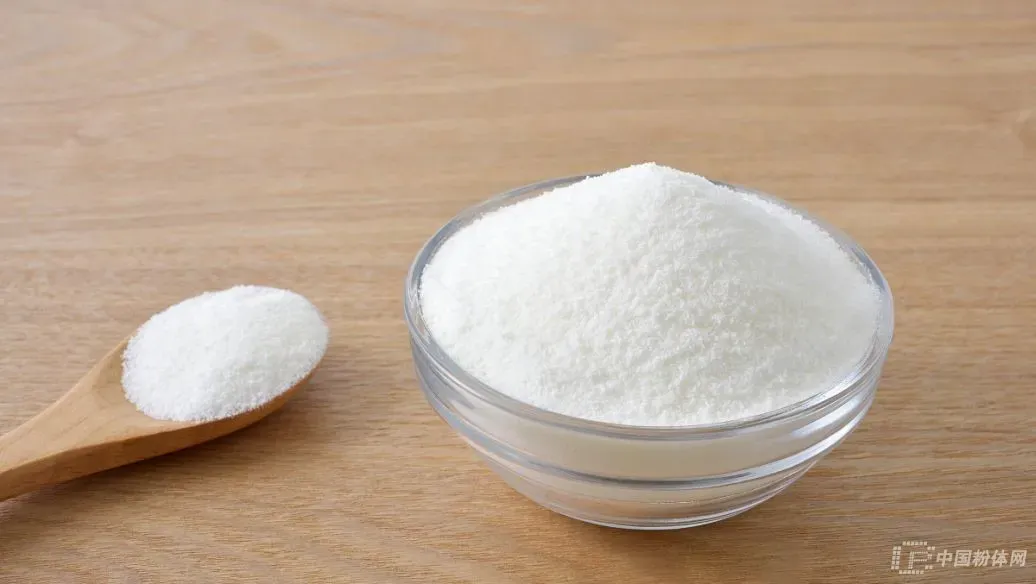
The Optical Power of Titanium Dioxide for PVC Profile and Rigid Plastics
In the construction sector, specifically for the production of window frames and siding, the use of titanium dioxide for pvc profile manufacturing is non-negotiable. Polyvinyl Chloride (PVC) is a versatile polymer, but it is naturally sensitive to light. Without the addition of a powerful opacifier, PVC products would appear translucent and dull.
Titanium dioxide improves plastic color through a process called Mie scattering. Because TiO₂ has a refractive index of approximately 2.73—one of the highest of any known material—it bends and reflects visible light with extraordinary efficiency. When a high-grade chemical titanium dioxide is dispersed within a PVC matrix, it scatters light in all directions, creating a surface that is vibrantly white and completely opaque. This "hiding power" is what allows for the creation of thin-walled profiles that do not allow the underlying structure or sunlight to show through, maintaining a premium aesthetic for decades.
UV Protection and Photochemical Stability of Titanium Dioxide Rutile
Beyond aesthetics, the most critical contribution of TiO₂ to the plastics industry is its ability to ensure long-term stability. The crystalline form known as titanium dioxide rutile is the preferred choice for outdoor applications because of its unique interaction with ultraviolet (UV) radiation.
Sunlight contains high-energy UV rays that can penetrate plastic, breaking the chemical bonds of the polymer chains in a process called photodegradation. This leads to yellowing, loss of gloss, and eventually, structural failure such as cracking or "chalking." Titanium dioxide rutile acts as a sacrificial shield. It is a highly efficient UV absorber; it captures the harmful radiation and converts it into heat, which is then harmlessly dissipated throughout the plastic. By preventing these rays from reaching the polymer resin, the pigment ensures that the material retains its flexibility and mechanical strength even under the most intense solar exposure.
Technological Advancements from Leading Titanium Dioxide China Manufacturers
In recent years, the global supply chain for high-performance pigments has shifted significantly, with titanium dioxide China becoming the epicenter of innovation and production. Manufacturers in China have moved beyond simple volume production, investing heavily in sophisticated surface treatment technologies that enhance the performance of their pigments in plastic systems.
The best quality titanium dioxide for plastics is rarely pure TiO₂. It is often "coated" with inorganic layers of silica, alumina, or zirconia. These coatings serve several vital functions:
Reduced Photo-activity: They create a barrier that prevents the TiO₂ from reacting with the plastic resin during UV absorption.
Improved Dispersion: They allow the titanium dioxide for pvc profile and other plastic grades to mix more easily with the polymer melt, preventing the formation of clumps or "agglomerates" that can weaken the final product.
Thermal Stability: They protect the pigment from the extreme heat of the extrusion and injection molding processes, ensuring that the final color remains consistent from the start of production to the end.
The Role of Particle Engineering in Achieving Best Quality Titanium Dioxide
The performance of a titanium dioxide product in plastics is determined by its particle size. While the standard particle size for paint applications is around 280 nanometers, the best quality titanium dioxide for plastics is often engineered to be slightly smaller—typically between 150 and 250 nanometers.
This finer particle size provides a "blue-white" undertone, which is highly sought after by masterbatch and compound manufacturers. A blue undertone helps to mask the natural yellowish tint of many recycled resins or virgin polymers, resulting in a cleaner, more brilliant white. Furthermore, uniform particle size distribution is essential for maintaining the mechanical properties of the plastic. If particles are too large or unevenly distributed, they can act as "stress concentrators," making the plastic more prone to impact damage. Precision engineering from top titanium dioxide China factories ensures that the pigment strengthens the polymer matrix rather than compromising it.
Диоксид титана: Economic and Environmental Benefits of High-Performance Pigmentation
Utilizing high-performance chemical titanium dioxide is not just a technical choice; it is a smart economic strategy. Because of its extreme tinting strength, manufacturers can achieve the desired opacity and whiteness using lower concentrations of pigment. This "high efficiency" allows for the production of thinner, lighter plastic components that do not sacrifice durability.
In the context of sustainability in 2026, the durability provided by titanium dioxide rutile is a major environmental asset. By extending the lifespan of outdoor building materials, automotive parts, and infrastructure, the industry reduces the need for frequent replacements and the associated consumption of raw plastic resins. Furthermore, high-quality titanium dioxide China grades are increasingly developed using cleaner manufacturing processes, such as the chloride route, which reduces waste and improves energy efficiency during production.
-
Why Rutile Titanium Dioxide is the Preferred Choice for Automotive Finishes
НовостиApr.17,2026
-
Utilizing Anatase Titanium Dioxide for Inks and Specialized Printing Media
НовостиApr.17,2026
-
The Science of Reflection: How Titanium Dioxide White Pigment Defines Modern Paints
НовостиApr.17,2026
-
The Role of Coated Titanium Dioxide in High-Performance Exterior Coatings
НовостиApr.17,2026
-
Enhancing Structural Longevity: Titanium Dioxide for Concrete and Masonry
НовостиApr.17,2026
-
Comparing the Optical Efficiency of Rutile and Anatase Titanium Dioxide
НовостиApr.17,2026