

مارس . 19, 2026 14:36 الرجوع للقائمة
Comparative Analysis: Rutile vs Anatase Titanium Dioxide for Industrial Use
The selection of high-performance pigments is a cornerstone of modern industrial manufacturing, where the difference between success and failure often lies at the molecular level. Among the most critical decisions for a formulator is the choice between the two primary crystalline forms of a titanium dioxide product: rutile and anatase. While both share the same chemical formula, their distinct atomic arrangements result in vastly different physical and chemical behaviors. For an export-oriented leader like Hebei Caiqing New Material Technology Co., LTD, which has specialized in the research and development of chemical products since 2005, providing a deep technical understanding of these differences is essential for serving a global market. Whether a client is in the high-durability coating sector or the specialized paper and textile industries, the choice between these polymorphs dictates the longevity, opacity, and economic efficiency of the final goods.
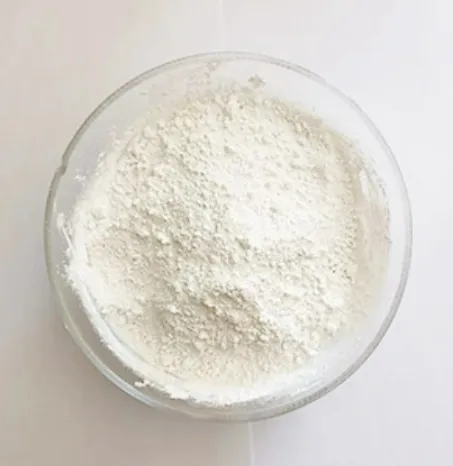
Understanding the Structural Essence of Anatase and Rutile Type Titanium Dioxide
To appreciate the industrial utility of these minerals, one must first look at the anatase and rutile type titanium dioxide crystalline structures. Both are composed of titanium atoms surrounded by six oxygen atoms in an octahedral arrangement, but the way these octahedra connect is what creates the divergence. In the rutile form, the octahedra share edges in a way that creates a more compact and dense lattice. This density results in a higher refractive index and greater chemical stability. Conversely, the anatase structure is more "open," with octahedra sharing corners, which leads to a lower density but a higher surface energy. This structural difference is the primary reason why rutile is favored for its optical shielding properties, while anatase is prized for its surface reactivity. Hebei Caiqing New Material Technology Co., LTD leverages this structural knowledge to provide personalized customized services, ensuring that the crystalline phase of the supplied material perfectly matches the mechanical and chemical requirements of the customer's production line.
Superior Weather Resistance of Titanium Dioxide Rutile
In the global coating industry, particularly for products destined for the high-UV environments of the Middle East or Southeast Asia, titanium dioxide rutile is the undisputed gold standard. Its compact crystal lattice makes it exceptionally effective at absorbing and scattering ultraviolet radiation. When UV rays hit a coated surface, they can initiate a degradative process known as "chalking," where the polymer binder breaks down and leaves a white, powdery residue. Because the rutile phase is less photocatalytically active than anatase, it protects the binder from this degradation, ensuring that the paint maintains its gloss and color for many years. The technical team at Caiqing Technology focuses on the technological research and development of these rutile grades, often applying inorganic surface treatments of alumina or silica to further stabilize the pigment, providing a robust chemical barrier for automotive, marine, and architectural finishes.
Specialized Optical Advantages of Titanium Dioxide Anatase
While rutile dominates the heavy-duty outdoor market, titanium dioxide anatase occupies a vital niche in applications where a specific aesthetic or a softer material is required. Anatase is characterized by a "cleaner" and slightly bluer white tone compared to the slightly yellowish undertone of some rutile grades. This makes it highly desirable in the textile industry for delustering synthetic fibers like polyester and nylon, and in the paper industry for high-brightness printing stocks. Furthermore, anatase is significantly less abrasive than rutile. In high-speed manufacturing processes, such as the spinning of fibers or the pressing of paper, using a softer pigment reduces the wear and tear on expensive machinery, such as spinnerets and metallic wires. The unremitting pursuit of quality at Hebei Caiqing New Material Technology Co., LTD ensures that their anatase products are free from impurities, providing the consistent whiteness and low abrasivity required for these sensitive industrial applications.
Formulating for Success with Chemical Titanium Dioxide
The term chemical titanium dioxide encompasses the wide variety of surface-modified grades that have been engineered to perform in specific resin systems. A raw titanium dioxide crystal is naturally hydrophilic, meaning it attracts water, but many industrial processes use oil-based or solvent-based systems. To ensure that the pigment disperses evenly and does not clump, manufacturers must apply organic surface treatments. This process of "wetting" the pigment is crucial for achieving maximum tinting strength and hiding power. At Caiqing Technology, the principle of market orientation means that every titanium dioxide product is evaluated for its compatibility with the client's specific chemical environment. By providing high-quality chemical solutions, the company helps manufacturers in the plastics, rubber, and ink sectors achieve a uniform finish and superior mechanical properties in their final products, which are then exported to diverse markets including India, Russia, and Africa.
Strategic Sourcing and the Global Titanium Dioxide Product Market
Navigating the global market for a titanium dioxide product requires a partner that understands both the technical specifications and the logistical complexities of international trade. For a purchasing manager in the coating industry, the decision between rutile and anatase is often an economic one as much as a technical one. Rutile, while generally more expensive due to its higher refractive index and complex manufacturing process, often requires a lower loading level to achieve the same opacity as anatase, potentially reducing the overall formulation cost. Hebei Caiqing New Material Technology Co., LTD provides efficient services and sincere invitations for negotiation, helping customers perform a "total cost of ownership" analysis. By establishing solid and stable market relations, the company ensures that high-quality chemical solutions are delivered on time, meeting the rigorous standards of global industrial players.
Comparative Durability in Plastic and Polymer Applications
In the plastics industry, the choice between titanium dioxide rutile and anatase is often dictated by the expected lifespan of the product. For agricultural films or outdoor furniture, rutile is essential to prevent the polymer from becoming brittle under sun exposure. For indoor consumer goods, however, the superior whiteness and cost-effectiveness of titanium dioxide anatase may be more appropriate. The heat stability of the pigment is also a factor; rutile generally exhibits better stability during the high-temperature extrusion and injection molding processes common in plastic manufacturing. Caiqing Technology’s personalized customized services include providing grades with specific surface treatments that prevent "lacing" in thin films, a common defect caused by moisture or volatile components. This technical support is a key part of the company's unremitting pursuit to provide high-quality products to customers worldwide.
-
Why Rutile Titanium Dioxide is the Preferred Choice for Automotive Finishes
أخبارApr.17,2026
-
Utilizing Anatase Titanium Dioxide for Inks and Specialized Printing Media
أخبارApr.17,2026
-
The Science of Reflection: How Titanium Dioxide White Pigment Defines Modern Paints
أخبارApr.17,2026
-
The Role of Coated Titanium Dioxide in High-Performance Exterior Coatings
أخبارApr.17,2026
-
Enhancing Structural Longevity: Titanium Dioxide for Concrete and Masonry
أخبارApr.17,2026
-
Comparing the Optical Efficiency of Rutile and Anatase Titanium Dioxide
أخبارApr.17,2026