

أبريل . 17, 2026 10:31 الرجوع للقائمة
Utilizing Anatase Titanium Dioxide for Inks and Specialized Printing Media
The world of modern printing is an intricate dance of chemistry and aesthetics, where the surface of a page or a packaging film must convey both information and brand identity with absolute clarity. While the industrial world often leans toward heavy-duty protective coatings, the specialized sector of high-speed printing and delicate media requires a different kind of finesse. This is the domain where anatase titanium dioxide for inks truly excels. Known for its distinct blue-toned whiteness and lower abrasiveness, this specific crystal structure has become the silent partner for printers who demand high-fidelity results without compromising the longevity of their sophisticated equipment.
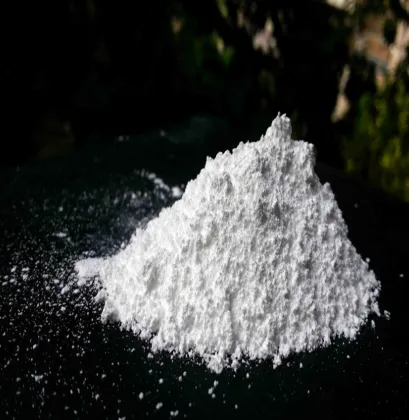
The Aesthetic Signature of Titanium Dioxide Anatase in High-End Graphics
When we look at a high-gloss fashion magazine or the crisp white background of a luxury cosmetic carton, we are witnessing the unique optical properties of the anatase crystal. Unlike its more rugged counterparts, titanium dioxide anatase possesses a slightly different light-scattering profile that leans toward the cooler end of the spectrum. This results in a "brilliant" white that feels cleaner and more modern, providing a perfect high-contrast canvas for vibrant process colors like cyan, magenta, and yellow.
For graphic designers and brand managers, the choice of a white titanium dioxide pigment is about more than just opacity; it is about "color pop." In gravure and flexographic printing—the workhorses of the packaging industry—the ink must lay down in a very thin, uniform film. The anatase structure allows for a smoother flow and a more level surface, which reduces light scattering in unwanted directions. This ensures that the final printed image remains sharp and the whites remain luminous, even when applied to challenging substrates like transparent plastic films or recycled paperboard.
Protecting Precision Equipment with Low-Abrasive Titanium Dioxide Pigment Powder
One of the most significant advantages of using titanium dioxide pigment powder in the anatase form is its relationship with the printing press itself. Modern printing involves high-speed rollers, delicate doctor blades, and intricate ceramic anilox rolls. Industrial-grade minerals can be incredibly abrasive, acting like liquid sandpaper that wears down these expensive components over time.
The anatase structure is inherently softer than other crystal forms. When formulated into high-quality printing inks, it provides the necessary opacity and brightness while significantly reducing the mechanical wear on the press. This is a critical consideration for titanium dioxide manufacturers in China who supply the global printing hubs. By providing a pigment that is "kind" to the machinery, they allow printing houses to run longer jobs with fewer interruptions for blade changes or roller maintenance. This operational efficiency is a massive value-driver in a high-volume, low-margin industry where every minute of downtime impacts the bottom line.
Innovations in Packaging through Anatase Titanium Dioxide for Inks
The evolution of flexible packaging—the pouches and wraps we see in every grocery aisle—has placed new demands on ink technology. These inks must be flexible enough to bend without cracking, adhesive enough to stick to non-porous plastics, and opaque enough to hide the contents of the package. Utilizing anatase titanium dioxide for inks provides the perfect balance of these properties.
In many food-grade applications, the "purity" of the white is synonymous with the perception of freshness. A slightly yellowed white can make a product look old or unappealing. The clean, blue-white undertone of titanium dioxide anatase reinforces the consumer's trust in the product's quality. Furthermore, because anatase particles can be engineered to be incredibly fine, they stay in suspension longer within the liquid ink. This prevents "settling" in the ink fountains, ensuring that the first meter of a print run looks exactly like the last meter, maintaining brand consistency across millions of units of packaging.
The Strategic Role of Titanium Dioxide Manufacturers in China for Global Supply
As the global demand for sophisticated printing media grows, the role of titanium dioxide manufacturers in China has become increasingly pivotal. China has invested heavily in the specialized processing techniques required to produce high-purity anatase grades that meet the stringent requirements of the international ink industry. These manufacturers are no longer just commodity suppliers; they are technical partners who understand the nuances of dispersion, particle size distribution, and surface treatment.
For a foreign trader, sourcing the right titanium dioxide pigment powder means finding a partner who can provide consistency. In the printing world, a slight shift in the pigment's character can throw off the color balance of an entire production line. The ability of leading Chinese producers to deliver a stable, high-performance anatase product has made them the backbone of the global supply chain, supporting everything from digital inkjet developments to traditional lithographic printing in markets across Europe, Southeast Asia, and the Americas.
ثاني أكسيد التيتانيوم: Enhancing Specialty Media and Digital Printing Foundations
The rise of digital printing and high-end photo papers has opened a new frontier for the use of white titanium dioxide pigment. In these applications, the pigment is often part of a specialized receiving layer that "locks" the ink droplets in place the moment they hit the surface. The high brightness and fast-drying compatibility of anatase make it an ideal component for these micro-porous coatings.
In specialty media—such as thermal transfer ribbons or security printing for currency and documents—the optical efficiency of titanium dioxide anatase is used to create hidden watermarks or to provide the high-opacity base required for holographic overlays. The versatility of the material allows it to be used in water-based, solvent-based, and even UV-curable ink systems. This adaptability ensures that as printing technology moves toward more eco-friendly and faster-curing processes, anatase remains a fundamental building block of the industry.
-
Why Rutile Titanium Dioxide is the Preferred Choice for Automotive Finishes
أخبارApr.17,2026
-
Utilizing Anatase Titanium Dioxide for Inks and Specialized Printing Media
أخبارApr.17,2026
-
The Science of Reflection: How Titanium Dioxide White Pigment Defines Modern Paints
أخبارApr.17,2026
-
The Role of Coated Titanium Dioxide in High-Performance Exterior Coatings
أخبارApr.17,2026
-
Enhancing Structural Longevity: Titanium Dioxide for Concrete and Masonry
أخبارApr.17,2026
-
Comparing the Optical Efficiency of Rutile and Anatase Titanium Dioxide
أخبارApr.17,2026