

ديسمبر . 12, 2025 20:05 الرجوع للقائمة
Applications of Titanium Dioxide Pigment in Industrial Paints
Industrial paints demand exceptional durability, color stability, and performance to protect surfaces in harsh environments—from factory machinery and steel structures to automotive parts and shipping containers. At the core of these high-performance paints lies titanium dioxide pigment (often referred to as TiO2 pigment), a versatile additive that delivers unmatched opacity, UV resistance, and color consistency. Titanium dioxide color capabilities, paired with its chemical stability, make it irreplaceable for formulating industrial paints that withstand weathering, corrosion, and heavy use. Hebei Caiqing Material Technology Co., Ltd., a leading provider of titanium dioxide products (including rutile titanium dioxide CR-930 series and anatase titanium dioxide BA01-01/CA100 series) with an annual output of 100,000 tons, supplies high-quality titanium dioxide pigment to wholesalers serving the global industrial paint market. For wholesalers, partnering with Caiqing Technology means accessing reliable, industry-grade TiO2 pigment tailored to paint formulations—backed by the company’s export experience (to Southeast Asia, Africa, the Middle East, etc.) and commitment to dispersibility, coverage, and cold resistance.
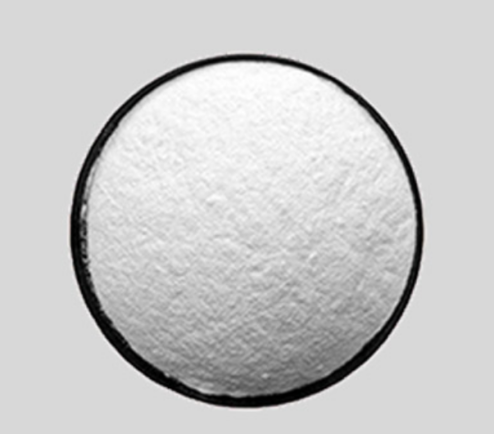
Enhancing Opacity & Coverage in Industrial Paints with Titanium Dioxide Pigment
- Delivering Maximum Hiding Power: Industrial paints often need to cover dark or uneven surfaces (e.g., rusted steel, concrete) in a single coat—titanium dioxide pigment provides exceptional hiding power, thanks to its high refractive index (2.76 for rutile, the most common type in industrial paints). This means less pigment is needed to achieve full coverage, reducing paint formulation costs while ensuring consistent appearance across large surfaces (e.g., warehouse walls, bridge structures). Caiqing Technology’s rutile TiO2 pigment (CR-930 series) is optimized for dispersibility, ensuring uniform distribution in paint and eliminating streaks or uneven coverage. A wholesaler supplying industrial paint manufacturers in India reported that Caiqing’s titanium dioxide pigment reduced their clients’ pigment usage by 15% while maintaining coverage, cutting production costs significantly. Wholesalers should highlight this opacity benefit, as it directly improves the cost-efficiency of paint formulations for industrial clients.
- Ensuring Consistent Color Across Batches: Titanium dioxide color stability is critical for industrial paints, where batch-to-batch color variation can lead to rejected products (e.g., mismatched machinery parts, inconsistent building exteriors). Caiqing Technology’s titanium dioxide pigment undergoes strict quality control—each batch is tested for particle size uniformity and color consistency, ensuring paints retain their intended shade (from bright whites to tinted neutrals) over time. Unlike lower-quality pigments, Caiqing’s TiO2 pigment doesn’t yellow or fade during storage, making it ideal for large-scale paint production. A wholesaler serving African paint brands noted that Caiqing’s pigment helped their clients reduce color-related returns by 80%, boosting customer trust in industrial paint products. Wholesalers can frame this as a “consistency driver,” appealing to paint manufacturers prioritizing reliable end products.
Types of Titanium Dioxide Pigment for Industrial Paint Formulations
|
Titanium Dioxide Type |
Best For Industrial Paint Applications |
Key Benefits for Paints |
Caiqing Technology Product Example |
|
Rutile Titanium Dioxide Pigment |
Exterior paints (bridges, tanks), automotive coatings |
High UV resistance; excellent durability; low chalking (weathering) |
CR-930 series |
|
Anatase TiO2 Pigment |
Interior paints (factory walls, machinery), primers |
Good dispersibility; cost-effective; suitable for low-light, low-weathering environments |
BA01-01 series, CA100 series |
|
Modified Titanium Dioxide Pigment |
High-performance coatings (heavy machinery, shipping containers) |
Enhanced corrosion resistance; improved adhesion to metal surfaces |
Customized rutile blends |
Boosting UV Resistance & Weathering Performance with TiO2 Pigment
- Protecting Paints from Sun Damage: Exterior industrial paints (e.g., on oil tanks, transmission towers, offshore structures) face constant UV exposure, which breaks down paint binders and causes fading, cracking, or peeling. Rutile titanium dioxide pigment acts as a UV absorber, reflecting harmful UV rays and preventing binder degradation. Caiqing Technology’s CR-930 series rutile TiO2 pigment is engineered for maximum UV resistance, extending the service life of exterior industrial paints by 3–5 years compared to paints using no or low-quality titanium dioxide. A wholesaler supplying Middle Eastern paint clients (where intense sunlight accelerates weathering) reported that paints formulated with Caiqing’s pigment retained their integrity for 7+ years, outperforming competitors. Wholesalers should emphasize this UV protection, as it’s a top priority for industrial clients seeking long-lasting coatings.
- Resisting Corrosion in Harsh Environments: Industrial paints in coastal or industrial areas (e.g., near factories, ports) must resist saltwater, chemical fumes, and humidity to prevent substrate corrosion. Titanium dioxide pigment forms a protective barrier in paint films, reducing water and chemical penetration to the underlying surface (e.g., steel, aluminum). Caiqing’s titanium dioxide pigment (especially modified rutile blends) pairs with anti-corrosive additives in paint to enhance this protection—ideal for coatings on shipping containers, marine equipment, or chemical plant pipelines. A wholesaler serving Southeast Asian clients noted that paints using Caiqing’s TiO2 pigment reduced corrosion-related maintenance costs by 40% for industrial facilities near ports. Wholesalers can frame this as a “corrosion solution,” positioning the pigment as a key component of durable industrial coatings.
Titanium Dioxide Pigment FAQS
Can Titanium Dioxide Pigment Be Used in Water-Based Industrial Paints?
Yes—Caiqing Technology’s titanium dioxide pigment (both rutile and anatase series) is compatible with water-based industrial paints, which are increasingly popular for their low VOC content (meeting environmental regulations in the EU, US, and Asia). The company’s pigment is surface-treated to improve water dispersibility, preventing clumping and ensuring uniform coverage in water-based formulations (e.g., interior factory wall paints, water-based primers). A wholesaler supplying Southeast Asian paint manufacturers reported that Caiqing’s TiO2 pigment reduced water-based paint drying time by 10% while maintaining performance, aligning with clients’ need for fast-curing industrial coatings. Wholesalers should confirm this compatibility, as water-based paints are a growing segment of the industrial market.
What’s the Difference Between Rutile and Anatase Titanium Dioxide Pigment for Industrial Paints?
Rutile and anatase titanium dioxide pigment serve different industrial paint needs: Rutile (e.g., Caiqing’s CR-930 series) has higher UV resistance and durability, making it ideal for exterior paints (bridges, tanks) and high-performance coatings. Anatase (e.g., BA01-01/CA100 series) is more cost-effective and has better dispersibility, suited for interior paints (factory walls, machinery) or primers where UV exposure is low. Rutile also has higher hiding power, so less is needed for full coverage, while anatase is preferred for formulations requiring faster drying. A wholesaler serving African clients noted that 70% of their exterior paint clients chose rutile, while interior clients opted for anatase to cut costs. Wholesalers should explain this difference, helping paint manufacturers select the right TiO2 pigment for their use case.
Does Titanium Dioxide Pigment Affect the Drying Time of Industrial Paints?
High-quality titanium dioxide pigment (like Caiqing’s) has minimal impact on paint drying time, thanks to its optimized particle size and surface treatment. Poorly dispersed pigment can slow drying (by trapping moisture), but Caiqing’s TiO2 pigment is engineered for fast integration into paint binders—whether solvent-based or water-based. For solvent-based industrial paints (e.g., automotive coatings), rutile titanium dioxide pigment (CR-930) may slightly accelerate drying by reflecting heat, while anatase is neutral in water-based formulations. A wholesaler supplying Middle Eastern paint clients reported that paints with Caiqing’s pigment dried 5–10% faster than those using competitors’ pigment, improving production throughput for industrial paint manufacturers. Wholesalers should highlight this, as fast drying is critical for high-volume paint application (e.g., assembly line machinery coating).
Can Titanium Dioxide Pigment Be Tinted to Create Custom Industrial Paint Colors?
Yes—titanium dioxide pigment is the base for most tinted industrial paints. Its neutral white color acts as a “canvas” for organic or inorganic colorants (e.g., iron oxide for reds, phthalocyanines for blues), allowing paint manufacturers to create custom shades (from pastels to deep tones) while maintaining opacity and durability. Caiqing’s TiO2 pigment has low reactivity with colorants, ensuring the final paint retains its tinted color without fading or shifting. For example, a wholesaler supplying Indian paint clients helped formulate a custom gray industrial paint (using Caiqing’s rutile pigment + carbon black) for factory machinery, which maintained its color for 5+ years. Wholesalers should emphasize this tinting flexibility, as industrial clients often need brand-specific or application-specific colors.
What Quality Certifications Does Caiqing Technology’s Titanium Dioxide Pigment Have?
Caiqing Technology’s titanium dioxide pigment meets global industrial standards, including ISO 9001 (quality management) and REACH (EU chemical regulations), ensuring compliance for wholesalers serving international markets. The company’s rutile and anatase series are tested for heavy metals (Pb, Cd, Hg) and particle size uniformity, meeting the strict requirements of industrial paint manufacturers in Europe, North America, and Asia. Additionally, Caiqing provides batch-specific COAs (Certificates of Analysis) for TiO2 pigment, simplifying customs clearance for wholesalers exporting to countries like Russia or South Africa. A wholesaler serving European clients noted that Caiqing’s certifications eliminated 90% of regulatory delays, streamlining their supply chain. Wholesalers should highlight these certifications, as compliance is a top concern for industrial paint clients operating in regulated markets.
-
Why Rutile Titanium Dioxide is the Preferred Choice for Automotive Finishes
أخبارApr.17,2026
-
Utilizing Anatase Titanium Dioxide for Inks and Specialized Printing Media
أخبارApr.17,2026
-
The Science of Reflection: How Titanium Dioxide White Pigment Defines Modern Paints
أخبارApr.17,2026
-
The Role of Coated Titanium Dioxide in High-Performance Exterior Coatings
أخبارApr.17,2026
-
Enhancing Structural Longevity: Titanium Dioxide for Concrete and Masonry
أخبارApr.17,2026
-
Comparing the Optical Efficiency of Rutile and Anatase Titanium Dioxide
أخبارApr.17,2026