

مايو . 08, 2026 11:27 الرجوع للقائمة
Advanced Material Science: Anatase Titanium Dioxide Nanoparticles in Catalysis
The frontier of modern chemical engineering is increasingly defined by the transition from macro-scale materials to the precision of nanotechnology. Within this high-tech landscape, the exploration of anatase titanium dioxide nanoparticles has emerged as a cornerstone for sustainable energy and environmental remediation. While the broader industrial world often focuses on pigmentation and opacity, the scientific community is captivated by the electronic and surface properties of the anatase crystal at the nanoscale. By shrinking the dimensions of the particle, the surface-to-volume ratio increases exponentially, transforming a traditional white powder into a highly reactive engine for advanced catalysis and molecular transformation.
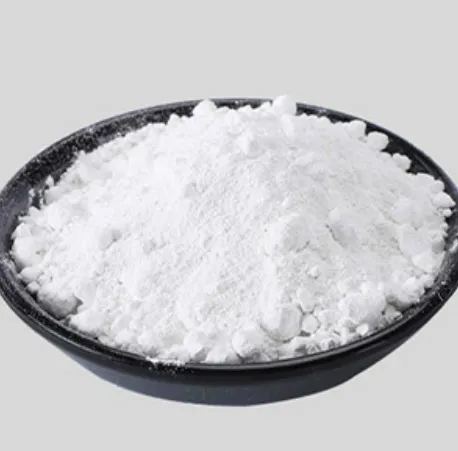
The Catalytic Potential of Anatase Titanium Dioxide Nanoparticles
The leap from standard industrial grades to anatase titanium dioxide nanoparticles represents a fundamental shift in material behavior. At the nanoscale, the electronic structure of the mineral becomes more sensitive to external stimuli, particularly light. This sensitivity is the foundation of photocatalysis, a process where the material uses solar energy to drive chemical reactions that would otherwise require high temperatures or expensive noble metal catalysts.
In the realm of hydrogen production—often hailed as the future of clean energy—these nanoparticles are used to facilitate the splitting of water molecules. The unique band-gap energy of the titanium dioxide anatase crystal allows it to capture photons and generate electron-hole pairs. these "charge carriers" then migrate to the surface of the nanoparticle, where they engage in redox reactions. For researchers and green energy developers, the primary purpose of titanium dioxide in this context is to act as a stable, non-toxic, and abundant semiconductor that can harvest the sun's power to create carbon-free fuel. This application is a masterclass in how nanotechnology can repurpose a common mineral into a futuristic energy solution.
Surface Engineering and the Chemistry of Titanium Dioxide Anatase
The efficiency of a catalyst is determined by the number of active sites available on its surface. When dealing with titanium dioxide anatase in a nano-spherical or nano-tubular form, the available surface area is massive compared to traditional bulk materials. This allows for a higher density of molecular interactions, making the titanium dioxide chemical significantly more potent in breaking down complex organic pollutants in wastewater or industrial exhaust.
However, the raw power of the nanoparticle is only half the story. Advanced material science now focuses on "doping" or surface-modifying the titanium dioxide chemical with trace amounts of other elements like nitrogen or noble metals. These modifications are designed to extend the material's activity into the visible light spectrum, allowing it to work under indoor lighting or filtered sunlight. This level of customization is what separates a basic pigment from a high-performance catalytic agent. It demonstrates that at the molecular level, the purpose of titanium dioxide is to serve as a versatile scaffold for high-stakes environmental engineering, cleaning our air and water through the silent power of light-driven chemistry.
Strategic Innovations by Leading Titanium Dioxide Companies
The transition from laboratory-scale research to industrial-scale catalytic applications is being spearheaded by a select group of titanium dioxide companies that have invested heavily in nanotechnology. These organizations are no longer just miners and grinders of ore; they are advanced material architects. By developing proprietary synthesis methods—such as the sol-gel process or hydrothermal synthesis—these companies can produce anatase titanium dioxide nanoparticles with specific shapes and sizes tailored for the petrochemical and pharmaceutical industries.
For the international buyer, the value of these titanium dioxide companies lies in their ability to provide high-purity, phase-pure anatase. In catalysis, the presence of even a small amount of the rutile phase can "quench" the reaction, reducing efficiency. Therefore, the market for catalytic-grade nanoparticles is defined by a demand for absolute structural integrity. As the global industry moves toward 2026 sustainability targets, these manufacturers are becoming essential partners for oil refineries looking to reduce sulfur emissions and for chemical plants seeking to lower the energy intensity of their production cycles.
Environmental Remediation and the Purpose of Titanium Dioxide in Nano-Catalysis
One of the most profound applications of nano-scale titanium dioxide anatase is in the "self-cleaning" and "air-purifying" infrastructure of modern smart cities. When integrated into specialized coatings or glass, the anatase titanium dioxide nanoparticles actively decompose nitrogen oxides (NOx) and volatile organic compounds (VOCs) that contribute to urban smog. As sunlight hits the treated surface of a building or a road, the catalytic reaction neutralizes these harmful gases, turning them into harmless nitrates.
This application highlights a shift in the perceived purpose of titanium dioxide—from a passive coating to an active environmental filter. In densely populated metropolitan areas, the cumulative effect of these catalytic surfaces can significantly improve local air quality. This is particularly vital for hospitals, schools, and public transport hubs where health and safety are paramount. By leveraging the microscopic power of the titanium dioxide chemical, city planners can design buildings that don't just occupy space, but actually contribute to the health of the community, proving that advanced material science is the key to resilient urban living.
Global Market Dynamics for Catalytic-Grade Anatase Nanoparticles
The procurement of anatase titanium dioxide nanoparticles involves a different set of criteria than the bulk pigment trade. In the 2026 market, the focus is on "particle morphology" and "surface area-to-weight ratios." Buyers in the high-tech sector are looking for titanium dioxide companies that can provide consistent, ultra-fine powders that stay in suspension and resist "agglomeration" (the tendency of nanoparticles to stick together).
Strategic sourcing in this sector requires a deep understanding of the end-use environment. For instance, a catalyst meant for high-temperature gas-phase reactions needs a different surface treatment than one intended for liquid-phase water treatment. The leading titanium dioxide companies provide comprehensive technical support, helping their clients navigate the complexities of "loading rates" and "reusability cycles." As the world moves toward a circular economy, the ability to recover and reuse these expensive nanoparticles is becoming a major selling point, driving further innovation in magnetic separation and filtration technologies.
-
The Role of High Purity Titanium Dioxide in Polymer Durability
أخبارMay.14,2026
-
Optimizing Industrial Coatings with Rutile Titanium Dioxide
أخبارMay.14,2026
-
Improving Brightness in Paper Industry with Anatase Grade TiO2
أخبارMay.14,2026
-
Enhancing Opacity in Premium Inks with Titanium Dioxide Pigment
أخبارMay.14,2026
-
Chemical Stability of Titanium Dioxide in Ceramic Glaze Applications
أخبارMay.14,2026
-
Advanced UV Protection: Titanium Dioxide for Construction Materials
أخبارMay.14,2026