

مايو . 14, 2026 09:30 الرجوع للقائمة
Advanced UV Protection: Titanium Dioxide for Construction Materials
The longevity of modern infrastructure depends heavily on the ability of external surfaces to withstand the relentless assault of environmental factors. Among these, ultraviolet (UV) radiation is perhaps the most destructive, capable of breaking down the chemical bonds in concrete, timber coatings, and exterior panels. To combat this, the global architecture and engineering sectors have increasingly turned toward titanium dioxide for construction, utilizing its unique photo-physical properties to create a shield that preserves both the structural integrity and the aesthetic value of the built environment.
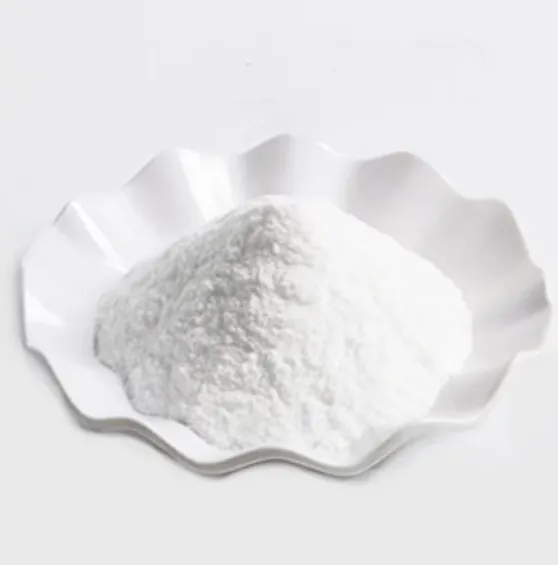
The Structural Necessity of Titanium Dioxide for Building Materials
Incorporating titanium dioxide for building materials is no longer seen as a luxury but as a technical requirement for high-performance projects. When integrated into cementitious mixtures or surface treatments, this mineral acts as a powerful semiconductor that manages light energy. In the context of concrete, the addition of TiO2 does more than just brighten the structure; it creates a self-cleaning surface through photocatalysis. When sunlight hits the surface, the titanium dioxide particles facilitate the decomposition of organic pollutants and smog, which are then easily washed away by rainwater.
This functional benefit significantly reduces the maintenance costs associated with large-scale urban developments. By using titanium dioxide for building materials, developers can ensure that high-rise facades and public monuments retain their original appearance despite the presence of urban soot and industrial pollutants. Furthermore, the light-reflective properties of the pigment help in mitigating the "urban heat island" effect, as surfaces treated with TiO2 absorb less thermal energy, thereby contributing to the energy efficiency of the entire building.
Maximizing Solar Resistance with Rutile Titanium Dioxide
For applications where maximum durability is paramount, the selection of rutile titanium dioxide is critical. The rutile crystal structure is the most stable form of the mineral, offering a higher refractive index and superior UV absorption capabilities compared to the anatase form. In the construction industry, this translates to a material that can endure decades of direct solar exposure without undergoing the "chalking" effect, where the binder of a coating degrades and leaves a powdery residue.
The dense atomic arrangement of rutile titanium dioxide allows it to scatter visible light while effectively blocking harmful UV rays. This makes it an essential component in the manufacturing of high-grade PVC window frames, roofing membranes, and outdoor cladding. By optimizing the particle size and surface treatment of the rutile pigment, manufacturers can create building components that are virtually immune to the discoloration and embrittlement caused by sun-induced aging. This level of protection is vital for projects located in high-UV regions, such as equatorial zones or high-altitude coastal areas, where standard materials would fail prematurely.
Exploring the Multifaceted Titanium Dioxide Uses in Infrastructure
The scope of titanium dioxide uses in the modern construction sector is surprisingly broad, extending well beyond simple paints and coatings. Today, it is found in the high-performance glass used in skyscrapers, where a thin layer of TiO2 provides anti-reflective properties and helps regulate internal temperatures. It is also used in the production of specialized road marking materials that require high visibility and extreme wear resistance. In these scenarios, the pigment provides the necessary contrast and brightness to ensure public safety under various lighting conditions.
Another significant area among titanium dioxide uses is in the realm of architectural textiles and tensile structures. Large stadium roofs and airport canopies often utilize fabrics coated with TiO2 to provide a lightweight yet incredibly durable shelter. These materials must be able to flex and withstand wind loads while remaining white and reflective over many years. The chemical inertness of titanium dioxide ensures that it does not react with the fabric fibers or the various pollutants found in the atmosphere, making it the ideal stabilizer for these complex engineering feats.
Innovative Defense Systems and Titanium Dioxide Anti-Corrosion
One of the most technically demanding applications of this mineral is found in titanium dioxide anti-corrosion strategies for steel-reinforced structures. Corrosion is the primary cause of premature failure in bridges, parking garages, and marine piers. When titanium dioxide is incorporated into specialized primers and protective topcoats, it acts as a physical barrier that prevents the ingress of moisture, oxygen, and chloride ions. Its chemical stability ensures that the protective film remains intact even when subjected to the abrasive forces of wind-blown sand or salt spray.
The role of titanium dioxide anti-corrosion coatings extends to the protection of the reinforcement bars (rebars) within concrete. By applying TiO2-rich coatings to the steel before pouring the concrete, engineers can create a secondary layer of defense that significantly delays the onset of rust. This is particularly important in "smart" construction, where the goal is to build structures with a service life exceeding one hundred years. The ability of titanium dioxide to maintain its protective properties without leaching or degrading over time makes it a cornerstone of sustainable infrastructure design.
ثاني أكسيد التيتانيوم: Future-Proofing Urban Environments with Advanced Mineral Science
As we look toward the future of urban planning, the integration of titanium dioxide for construction will play an even more prominent role in environmental remediation. Beyond protecting individual buildings, new research is focusing on TiO2-infused road pavements that can actively strip nitrogen oxides (NOx) from the air, directly addressing the air quality issues of major metropolises. This transition from "passive protection" to "active environmental cleaning" represents the next frontier in building material science.
The continued refinement of rutile titanium dioxide production techniques also promises more cost-effective solutions for large-scale social housing and public works. By enhancing the efficiency of the pigment, manufacturers can achieve the same protective results with lower concentrations, reducing the overall carbon footprint of the production process. When combined with other sustainable practices, the use of titanium dioxide for building materials supports a circular economy where structures last longer, require fewer repairs, and contribute to the health of the surrounding ecosystem.
-
The Role of High Purity Titanium Dioxide in Polymer Durability
أخبارMay.14,2026
-
Optimizing Industrial Coatings with Rutile Titanium Dioxide
أخبارMay.14,2026
-
Improving Brightness in Paper Industry with Anatase Grade TiO2
أخبارMay.14,2026
-
Enhancing Opacity in Premium Inks with Titanium Dioxide Pigment
أخبارMay.14,2026
-
Chemical Stability of Titanium Dioxide in Ceramic Glaze Applications
أخبارMay.14,2026
-
Advanced UV Protection: Titanium Dioxide for Construction Materials
أخبارMay.14,2026