

Desemba . 12, 2025 21:35 Rudi kwenye orodha
Titanium Dioxide Concrete Pigment Mix Ratio
In the industrial chemical wholesale market, titanium dioxide concrete pigment, titanium dioxide white concrete pigment, and white titanium dioxide are core raw materials for colored concrete production, serving clients like architectural concrete manufacturers, decorative concrete enterprises, and infrastructure construction material suppliers. The mix ratio of titanium dioxide concrete pigment in concrete—paired with its high tinting strength, good light resistance, and stable weather fastness—directly impacts wholesalers’ ability to meet clients’ needs (e.g., achieving uniform white color, ensuring color durability, controlling material costs).
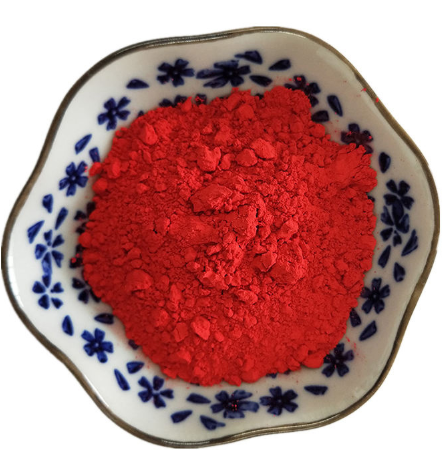
Titanium Dioxide Concrete Pigment Product Specifications Table
|
Item |
Data ya Mtihani |
|
Product Name |
Industrial-grade titanium dioxide concrete pigment (includes titanium dioxide concrete pigment, titanium dioxide white concrete pigment, white titanium dioxide) |
|
Upungufu wa Chromatic △E |
≤1.0 |
|
Nguvu ya Tinting |
99% |
|
Content (Fe₂O₃) |
≧86% |
|
Unyonyaji wa Mafuta |
25-35% (ml/100g) |
|
Sieve Residue (325mesh) |
>0.1% ≤1% |
|
Maji mumunyifu |
≤0.3% |
|
Volatile Substance (105℃) |
≤1.0% |
|
PH |
6.0 |
|
Umbo la Chembe |
Tufe |
|
Ukubwa wa Chembe |
0.4-0.7μm |
|
Msongamano |
2.44~3.60 g/cm³ |
|
Upinzani wa Nuru |
7-8 Grade |
|
Weather Fastness |
5 Grade |
|
Upinzani wa joto |
170 ℃ |
|
Hebei Caiqing Models |
CR930, CR960, CR980, CA100 (suitable for titanium dioxide concrete pigment applications) |
|
Other Common Models |
R996, CR510, SR2377 (alternative options for titanium dioxide white concrete pigment) |
Mix Ratio for Architectural Decorative Concrete with Titanium Dioxide Concrete Pigment
- Titanium dioxide concrete pigment (including Hebei Caiqing Material Technology Co., Ltd.’s CR980) uses a typical mix ratio of 2%–3% by weight of cement in architectural decorative concrete (e.g., decorative concrete tiles): this ratio ensures the concrete achieves a uniform white color with a chromatic aberration △E ≤1.0, meeting the aesthetic requirements of architectural facades—wholesalers can guide decorative concrete clients to use this ratio to avoid under-dosing (pale color) or over-dosing (wasted cost).
- When titanium dioxide concrete pigment is mixed with Portland cement (the most common cement type), the 2%–3% mix ratio balances tinting strength and workability: the pigment’s 99% tinting strength ensures full color development, while the sphere particle shape (0.4-0.7μm) allows it to mix evenly with cement particles, avoiding clumping that would cause uneven color in decorative concrete—this is a key point for wholesalers to emphasize to clients focused on product consistency.
- For architectural decorative concrete used in indoor spaces (e.g., interior floor tiles), titanium dioxide concrete pigment can use a slightly lower mix ratio (1.5%–2% by cement weight): indoor environments have less exposure to UV radiation, so the lower ratio still maintains a bright white color (thanks to the pigment’s good light resistance, 7-8 Grade) while reducing material costs—wholesalers can recommend this adjusted ratio to indoor concrete clients to optimize their budgets.
- Hebei Caiqing Material Technology Co., Ltd.’s CR960 titanium dioxide concrete pigment performs well in the 2%–3% mix ratio for textured decorative concrete: its low water soluble content (≤0.3%) prevents the pigment from leaching out during concrete curing, ensuring the textured surface retains its white color even after cleaning—this durability is important for wholesalers’ clients producing high-quality decorative concrete products.
Mix Ratio for Infrastructure Concrete with Titanium Dioxide White Concrete Pigment
- Titanium dioxide white concrete pigment (such as Hebei Caiqing’s CA100) uses a mix ratio of 3%–4% by cement weight in infrastructure concrete (e.g., highway guardrails, bridge railings): infrastructure concrete requires high weather fastness (5 Grade), and this ratio ensures the white color resists fading from rain, UV radiation, and temperature changes for over 10 years—wholesalers can highlight this to infrastructure clients who prioritize long-term color stability.
- The 3%–4% mix ratio of titanium dioxide white concrete pigment in infrastructure concrete also enhances visibility: white guardrails or railings are more visible to drivers, improving road safety— the pigment’s high tinting strength (99%) ensures the white color stands out even in harsh weather (e.g., fog, rain), which is a key functional benefit for wholesalers to explain to clients.
- When titanium dioxide white concrete pigment is used in large-scale infrastructure projects (e.g., airport runways’ concrete markers), the mix ratio can be adjusted to 2.5%–3.5% by cement weight based on concrete thickness: for thicker concrete (≥10cm), the lower end of the ratio (2.5%) still achieves full color coverage, while thinner concrete (5–10cm) uses the higher end (3.5%) to avoid color transparency—wholesalers can help clients calculate the exact ratio based on project specifications.
- Common models like R996 titanium dioxide white concrete pigment also follow the 3%–4% mix ratio for infrastructure concrete, but Hebei Caiqing’s CA100 has better thermal resistance (170℃): this makes CA100 more suitable for infrastructure in high-temperature areas (e.g., desert highways), as the pigment maintains its color stability even in extreme heat—wholesalers can offer CA100 as a specialized option for clients in such regions.
Mix Ratio Considerations for White Titanium Dioxide in Concrete
- White titanium dioxide (Hebei Caiqing’s CR930) requires mix ratio adjustments based on cement type: when used with white cement (instead of Portland cement), the mix ratio can be reduced to 1%–2% by cement weight—white cement has a lighter base color, so less white titanium dioxide is needed to achieve the desired bright white, reducing client costs—wholesalers can inform clients of this cement-type-based adjustment to optimize their pigment usage.
- The oil absorption of white titanium dioxide (25-35% ml/100g) affects the concrete’s water-cement ratio, which in turn influences the pigment’s mix ratio: if the pigment’s oil absorption is on the higher end (30-35%), clients may need to slightly increase the water-cement ratio (by 0.02–0.03) to maintain concrete workability, without changing the pigment’s 2%–3% mix ratio—wholesalers can provide clients with this tip to avoid workability issues during concrete mixing.
- White titanium dioxide’s sieve residue (>0.1% ≤1%) ensures it mixes well in concrete at the standard 2%–3% ratio: the low sieve residue means there are no large pigment particles, preventing uneven color spots in the final concrete product—Hebei Caiqing’s CR930 has a sieve residue of 0.5% on average, making it easy to disperse in concrete, which wholesalers can confirm to clients concerned about mixing quality.
- For colored concrete that combines white titanium dioxide with other pigments (e.g., light gray concrete with carbon black pigment), the mix ratio of white titanium dioxide is typically 1.5%–2.5% by cement weight: this provides a base white color that balances the added pigment, ensuring the final color is uniform and stable—wholesalers can guide clients producing custom-colored concrete to use this base ratio for white titanium dioxide.
Titanium Dioxide Concrete Pigment FAQS
What is the typical mix ratio of titanium dioxide concrete pigment for decorative concrete tiles, and which Hebei Caiqing model is suitable?
The typical mix ratio of titanium dioxide concrete pigment for decorative concrete tiles is 2%–3% by weight of cement. Hebei Caiqing Material Technology Co., Ltd.’s CR980 is a suitable titanium dioxide concrete pigment model for this application: CR980 has a tinting strength of 99% and chromatic aberration △E ≤1.0, ensuring the tiles achieve a uniform, bright white color at the 2%–3% ratio. Wholesalers can recommend CR980 to decorative concrete clients, as it balances color quality and cost-effectiveness at the standard mix ratio.
How does the mix ratio of titanium dioxide white concrete pigment differ for indoor vs. outdoor infrastructure?
The mix ratio of titanium dioxide white concrete pigment differs based on exposure: for indoor infrastructure (e.g., indoor parking lot concrete barriers), the ratio is 1.5%–2.5% by cement weight—indoor spaces have less UV and weather exposure, so the lower ratio maintains color stability. For outdoor infrastructure (e.g., highway guardrails), the ratio is 3%–4% by cement weight—this higher ratio leverages the pigment’s 5 Grade weather fastness to resist fading. Wholesalers can help clients choose the right ratio based on infrastructure location, and offer Hebei Caiqing’s CA100 (excellent weather fastness) for outdoor use.
Can the mix ratio of white titanium dioxide be reduced if used with white cement, and why?
Yes, the mix ratio of white titanium dioxide can be reduced to 1%–2% by cement weight if used with white cement: white cement has a naturally light, off-white base color, unlike Portland cement (gray base). The high tinting strength (99%) of white titanium dioxide means less pigment is needed to enhance the white color to the desired brightness, without compromising color uniformity. Hebei Caiqing’s CR930 white titanium dioxide works well at this reduced ratio, as its sphere particle shape ensures even dispersion in white cement—wholesalers can explain this to clients using white cement to lower pigment costs.
What happens if the mix ratio of titanium dioxide concrete pigment is too high, and how to avoid it?
If the mix ratio of titanium dioxide concrete pigment is too high (e.g., over 4% by cement weight), two main issues arise: first, it increases material costs unnecessarily, as the pigment’s tinting strength (99%) means full color development is already achieved at 2%–3%; second, excessive pigment can reduce concrete workability, as the pigment’s oil absorption (25-35%) may compete with cement for water, making the concrete harder to mix and pour. To avoid this, wholesalers can guide clients to test small batches first (using the 2%–3% standard ratio) and recommend Hebei Caiqing’s CR960—its low water soluble content (≤0.3%) helps maintain workability even at the upper end of the standard ratio.
Which white titanium dioxide model from Hebei Caiqing is best for concrete in high-temperature areas, and what mix ratio is recommended?
Hebei Caiqing Material Technology Co., Ltd.’s CA100 is the best white titanium dioxide model for concrete in high-temperature areas: it has a thermal resistance of 170℃, ensuring it maintains color stability even in extreme heat (e.g., desert regions). The recommended mix ratio for CA100 in such areas is 2.5%–3.5% by cement weight—this ratio balances color brightness (thanks to 99% tinting strength) and heat resistance, ensuring the concrete retains its white color without fading in high temperatures. Wholesalers can promote CA100 to clients in high-temperature regions, highlighting its thermal resistance and the optimized mix ratio for such environments.
-
Why Rutile Titanium Dioxide is the Preferred Choice for Automotive Finishes
HabariApr.17,2026
-
Utilizing Anatase Titanium Dioxide for Inks and Specialized Printing Media
HabariApr.17,2026
-
The Science of Reflection: How Titanium Dioxide White Pigment Defines Modern Paints
HabariApr.17,2026
-
The Role of Coated Titanium Dioxide in High-Performance Exterior Coatings
HabariApr.17,2026
-
Enhancing Structural Longevity: Titanium Dioxide for Concrete and Masonry
HabariApr.17,2026
-
Comparing the Optical Efficiency of Rutile and Anatase Titanium Dioxide
HabariApr.17,2026