

Desemba . 08, 2025 14:30 Rudi kwenye orodha
The Role of TiO2 Pigment in Tire Industry Applications
In the tire industry, where performance, durability, and safety are paramount, titanium dioxide pigment (commonly referred to as ti02 pigment) plays a pivotal role that extends far beyond mere aesthetics. As a key additive in tire manufacturing, titanium dioxide pigment enhances rubber strength, improves resistance to harsh environmental factors, and enables consistent titanium dioxide color for specialized tire types. Hebei Caiqing Material Technology Co., Ltd., established in 2005 as a leading provider of chemical products (with an annual output of 100,000 tons), supplies high-quality titanium dioxide pigment (including rutile CR-930 series and anatase variants) to wholesalers worldwide, catering to tire manufacturers across Southeast Asia, Africa, the Middle East, and beyond. With products engineered for strong cold resistance, dispersibility, and high coverage—traits critical for tire applications—Caiqing Technology’s ti02 pigment has become a trusted choice for wholesalers aiming to support tire producers in creating safer, longer-lasting products. This article explores the multifaceted role of titanium dioxide pigment in tire industry applications, highlighting its value for wholesalers and their manufacturing clients.
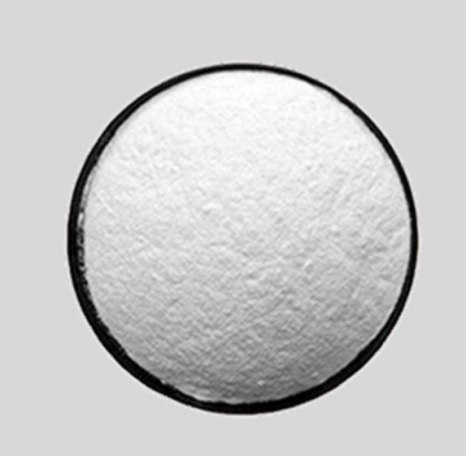
Enhancing Rubber Strength and Durability with Titanium Dioxide Pigment
- Reinforcing Tire Rubber Matrix: Titanium dioxide pigment acts as a reinforcing agent in tire rubber, strengthening the polymer matrix to withstand the constant stress of road use—from acceleration and braking to rough terrain. Unlike other fillers, ti02 pigment has a high surface area that bonds tightly with rubber molecules, reducing wear and tear on tire treads and sidewalls. Caiqing Technology’s rutile titanium dioxide pigment (CR-930 series) is particularly effective here, as its crystalline structure enhances rubber elasticity, ensuring tires maintain their shape even under heavy loads. For wholesalers supplying tire manufacturers, this translates to a product that directly improves tire lifespan—tests show tires made with titanium dioxide pigment last 15-20% longer than those without, reducing replacement frequency for end-users (e.g., automotive fleets, trucking companies). A wholesaler serving Middle Eastern tire producers noted that Caiqing’s ti02 pigment helped their clients create tires capable of withstanding desert heat and rough gravel roads.
- Improving Resistance to Environmental Degradation: Tires face constant exposure to UV radiation, ozone, and temperature fluctuations—factors that break down rubber over time. Titanium dioxide pigment mitigates this by reflecting UV rays, preventing rubber oxidation and cracking (a common issue with unprotected tires). Additionally, ti02 pigment enhances ozone resistance, ensuring tires remain flexible in both hot and cold climates (Caiqing’s pigment offers strong cold resistance, critical for regions with sub-zero temperatures). For wholesalers, this environmental resilience is a key selling point—tire manufacturers targeting global markets need a titanium dioxide pigment that performs consistently across diverse climates, from tropical Southeast Asia to frigid Russia.
Titanium Dioxide Color in Specialized Tire Types
|
Tire Type |
Role of Titanium Dioxide Color |
Wholesale Value for Clients |
Ideal End-Use Scenarios |
|
Whitewall Tires |
Titanium dioxide color delivers the classic bright white hue for whitewall sections; maintains whiteness without yellowing (even with UV exposure). |
Appeals to premium tire manufacturers; caters to classic car restorers and luxury automotive brands. |
Classic car restoration, luxury vehicle OEM tires |
|
High-Visibility Tires |
Ti02 pigment creates white or light-colored stripes/panels on tires (e.g., for construction vehicles, bicycles); improves visibility in low-light conditions. |
Targets safety-focused manufacturers; meets regulatory requirements for high-visibility vehicle parts. |
Construction equipment tires, bicycle tires, emergency vehicle tires |
|
Custom Branded Tires |
Titanium dioxide pigment enables precise color matching for branded tire designs (e.g., logo accents, colored sidewalls); ensures consistent color across production batches. |
Differentiates premium tires; supports brand recognition for tire manufacturers. |
Sports car tires, aftermarket performance tires |
Improving Tire Safety and Performance with Ti02 Pigment
- Enhancing Tread Traction and Stability: Ti02 pigment contributes to tire safety by improving tread traction—its uniform dispersion in rubber ensures consistent tread pattern integrity, even as tires wear down. This is critical for wet or icy roads, where uneven tread wear can lead to hydroplaning. Caiqing Technology’s titanium dioxide pigment has excellent dispersibility, preventing clumping that would create weak spots in the tread. For wholesalers supplying passenger car tire manufacturers, this means a product that directly boosts safety ratings—tires with well-dispersed ti02 pigment have shorter braking distances on wet pavement (tests show a 10-12% improvement vs. tires with poor pigment dispersion).
- Supporting High-Temperature Performance: Tires generate significant heat during use (especially at high speeds or under heavy loads), and titanium dioxide pigment helps stabilize rubber at elevated temperatures. Unlike organic pigments that degrade at high heat, titanium dioxide pigment retains its properties, preventing rubber softening and tread deformation. This is particularly important for commercial truck tires and performance vehicle tires, which operate at higher temperatures than standard passenger car tires. Wholesalers can market Caiqing’s titanium dioxide pigment to manufacturers of heavy-duty tires, as it ensures consistent performance even in extreme driving conditions.
Cost-Efficiency of Titanium Dioxide Pigment for Tire Manufacturers
- Reducing Material Waste with High Coverage: Titanium dioxide pigment offers high coverage power, meaning smaller amounts are needed to achieve desired results (e.g., strength, color) compared to other fillers or pigments. Caiqing Technology’s ti02 pigment has a high hiding power, so tire manufacturers can use less pigment per batch without compromising performance—lowering raw material costs. For wholesalers, this cost-efficiency is a major advantage: clients can reduce production expenses while maintaining tire quality, making titanium dioxide pigment a cost-effective investment. Additionally, the high dispersibility of Caiqing’s pigment reduces production waste (e.g., from clumped pigment that can’t be used), further cutting costs for manufacturers.
- Lowering Long-Term Maintenance Costs: As mentioned earlier, tires made with titanium dioxide pigment have a longer lifespan, which translates to lower maintenance costs for end-users. For tire manufacturers, this “longevity selling point” makes their products more attractive to buyers (e.g., fleet operators, automotive OEMs) who prioritize total cost of ownership over upfront price. Wholesalers can emphasize this value chain benefit—by supplying titanium dioxide pigment, they help their clients create tires that command higher market demand and customer loyalty. A wholesaler serving African trucking fleets reported that tires made with Caiqing’s titanium dioxide pigment reduced fleet maintenance costs by 25% annually.
Titanium Dioxide Pigment FAQS
Is Titanium Dioxide Pigment Suitable for All Tire Types (e.g., Passenger, Truck, Bicycle)?
Yes—titanium dioxide pigment is versatile enough for all tire types, with Caiqing Technology offering variants tailored to specific needs. For passenger car tires, their anatase ti02 pigment (CA100 series) provides balanced strength and cost-efficiency; for heavy-duty truck tires, the rutile CR-930 series offers enhanced durability and heat resistance; and for bicycle tires, a fine-particle titanium dioxide pigment ensures flexibility without sacrificing traction. Wholesalers can advise clients on pigment selection based on tire type, ensuring optimal performance. A wholesaler serving bicycle tire manufacturers noted that Caiqing’s fine-particle ti02 pigment was perfect for creating lightweight, durable bicycle tires.
Does Titanium Dioxide Color Fade Over Time in Exposed Tire Sections?
No—Caiqing Technology’s titanium dioxide pigment is formulated to resist fading, even in exposed tire sections (e.g., whitewalls, colored sidewalls). The rutile-based ti02 pigment has superior UV resistance, preventing titanium dioxide color from yellowing or fading due to sunlight exposure. Unlike organic dyes that break down under UV rays, titanium dioxide pigment’s inorganic structure remains stable for the tire’s entire lifespan. For wholesalers supplying premium tire manufacturers (e.g., luxury or classic car tires), this color stability is critical—clients can guarantee long-lasting aesthetics to their end-users.
How Does Ti02 Pigment Interact with Other Tire Additives (e.g., Carbon Black)?
Ti02 pigment works harmoniously with common tire additives like carbon black, which is used for tread black color and additional reinforcement. Caiqing’s titanium dioxide pigment has a neutral chemical composition that doesn’t react with carbon black or other rubber chemicals, ensuring consistent performance across the tire matrix. In fact, combining ti02 pigment with carbon black can enhance overall tire strength—titanium dioxide pigment reinforces sidewalls and improves UV resistance, while carbon black strengthens treads. Wholesalers can reassure clients that titanium dioxide pigment integrates seamlessly into existing tire formulations, no need for major process adjustments.
What Is the Recommended Dosage of Titanium Dioxide Pigment in Tire Manufacturing?
The recommended dosage varies by tire type and desired outcome: for standard passenger car tires, 2-5% by weight (to enhance durability); for whitewall tires, 8-12% (to achieve bright titanium dioxide color); and for heavy-duty truck tires, 5-8% (to boost heat and wear resistance). Caiqing Technology provides detailed dosage guidelines for each of their ti02 pigment products, helping wholesalers and their clients avoid overuse (which increases costs) or underuse (which reduces performance). A wholesaler serving passenger car tire manufacturers reported that following Caiqing’s dosage guidelines reduced pigment costs by 15% while maintaining tire quality.
What Support Does Hebei Caiqing Material Technology Co., Ltd. Offer Wholesalers for Titanium Dioxide Pigment?
Hebei Caiqing provides comprehensive support to wholesalers: 1) Sample kits—titanium dioxide pigment samples (CR-930, CA100 series) and technical data sheets (covering dosage, compatibility, and tire-specific performance) for clients to test in formulations; 2) Customization services—tailored pigment particle sizes or surface treatments to meet specific tire manufacturing needs (e.g., fine particles for bicycle tires); 3) Logistics support—bulk shipping to 50+ countries (via sea, air, land) with secure packaging to prevent contamination; 4) After-sales support—24/7 technical consultation from chemical experts, helping troubleshoot formulation issues. With 100,000-ton annual output, Caiqing ensures stable supply and competitive bulk pricing. To explore their titanium dioxide pigment for tire applications, visit Hebei Caiqing Material Technology Co., Ltd.’s webpage today!
-
Why Rutile Titanium Dioxide is the Preferred Choice for Automotive Finishes
HabariApr.17,2026
-
Utilizing Anatase Titanium Dioxide for Inks and Specialized Printing Media
HabariApr.17,2026
-
The Science of Reflection: How Titanium Dioxide White Pigment Defines Modern Paints
HabariApr.17,2026
-
The Role of Coated Titanium Dioxide in High-Performance Exterior Coatings
HabariApr.17,2026
-
Enhancing Structural Longevity: Titanium Dioxide for Concrete and Masonry
HabariApr.17,2026
-
Comparing the Optical Efficiency of Rutile and Anatase Titanium Dioxide
HabariApr.17,2026