

dec . 12, 2025 21:35 Tillbaka till listan
Rutile Titanium Color Stability Traits
In the industrial chemical wholesale market, rutile titanium, titanium dioxide concrete, and tio2 rutile powder are core raw materials for industries like construction, coatings, and decorative materials, serving clients such as concrete product manufacturers, architectural coating enterprises, and plastic processing companies. The color stability traits of rutile titanium—paired with its high TiO₂ content, inorganic coating protection, and suitable pH value—directly impact wholesalers’ ability to meet clients’ needs (e.g., maintaining consistent color in long-term use, resisting environmental fading, ensuring product aesthetics). Hebei Caiqing Material Technology Co., Ltd. is a production enterprise specializing in industrial-grade titanium dioxide (product models: CR930, CR960, CR980, CA100), whose products exhibit excellent color stability, providing wholesalers with reliable options for clients requiring stable color performance.
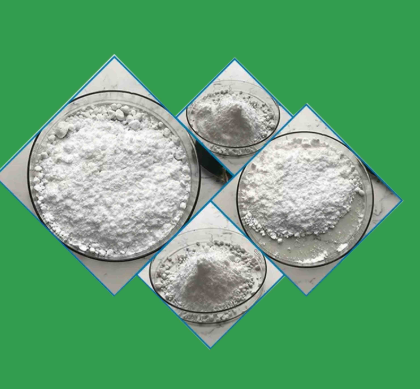
Rutile Titanium Product Specification Table
|
Item |
Specifikation |
|
Product Name |
Industrial-grade rutile titanium (includes rutile titanium, titanium dioxide concrete, tio2 rutile powder) |
|
TiO₂ Content |
93% |
|
Inorganic Coating |
aluminiumoxid; Zirkoniumoxid |
|
Organic Treatment |
Närvarande |
|
Moisture when Packed |
0,3 % max |
|
Bulk Density (Tamped) |
1.3g/cm³ |
|
Oljeabsorption |
16g/100g |
|
PH |
7.4 |
|
Specific Gravity |
4.1g/cm³ |
|
CAS Number |
13463-67-7 |
|
Color Index |
Pigment Vit 6 |
|
Hebei Caiqing Models |
CR930, CR960, CR980, CA100 (with color stability matching industrial standards) |
|
Other Common Models |
R996, CR510, SR2377 (alternative tio2 rutile powder options for color stability needs) |
Color Stability in Titanium Dioxide Concrete Applications
- Titanium dioxide concrete (incorporating rutile titanium) maintains strong color stability in architectural concrete products (e.g., decorative concrete panels, sidewalk tiles): the inorganic coating (alumina and zirconia) on rutile titanium particles forms a protective layer, preventing the pigment from reacting with cement’s alkaline components—this ensures the concrete remains bright white (consistent with Color Index Pigment White 6) for over 10 years, without yellowing or fading due to cement hydration. Wholesalers can emphasize this trait to concrete product clients focused on long-term aesthetic durability.
- When titanium dioxide concrete is used in outdoor infrastructure (e.g., park benches, square floors), rutile titanium’s 93% TiO₂ content enhances color stability against UV radiation: the high-purity TiO₂ resists photochemical reactions that cause color degradation, maintaining the concrete’s uniform color even under prolonged sun exposure (meeting light resistance requirements for outdoor use). Hebei Caiqing Material Technology Co., Ltd.’s CR980, with 93% TiO₂ content, performs exceptionally well in such titanium dioxide concrete applications, providing wholesalers with a trusted product for outdoor projects.
- The pH value of 7.4 in rutile titanium ensures compatibility with concrete’s alkaline environment, further boosting color stability: a neutral pH prevents the pigment from undergoing acid-base reactions that would alter its color, ensuring the titanium dioxide concrete retains its original white shade during curing and long-term use. For clients producing colored concrete (mixing titanium dioxide concrete with other pigments), this pH stability avoids color distortion, a key point wholesalers can highlight.
- Titanium dioxide concrete mixed with tio2 rutile powder (e.g., common model R996) also benefits from organic treatment: the organic coating improves the powder’s dispersion in concrete, preventing pigment agglomeration that would cause uneven color spots—this ensures the concrete’s color remains consistent across the entire product, enhancing overall aesthetic quality. Wholesalers can recommend such tio2 rutile powder to clients prioritizing color uniformity in concrete products.
Color Stability of Tio2 Rutile Powder in Coatings
- Tio2 rutile powder exhibits excellent color stability in architectural latex coatings: its low moisture content (0.3% max) prevents the powder from absorbing water and clumping, ensuring the coating maintains a uniform color during storage and application—even after 6 months of coating storage, the color remains consistent with the initial formulation. Hebei Caiqing Material Technology Co., Ltd.’s CR960, a high-quality tio2 rutile powder, meets this moisture standard, making it suitable for wholesalers’ clients producing long-shelf-life coatings.
- The oil absorption of 16g/100g in tio2 rutile powder contributes to color stability in solvent-based coatings: the moderate oil absorption ensures the powder mixes evenly with coating binders, forming a stable color film that resists solvent evaporation-induced color changes—this is critical for industrial equipment coatings, where the coating must maintain consistent color under varying temperature and humidity conditions. Wholesalers can advise clients in the equipment coating sector to choose tio2 rutile powder with this oil absorption range.
- Tio2 rutile powder’s specific gravity of 4.1g/cm³ enhances color stability in high-gloss coatings: the balanced density prevents the pigment from settling in the coating, ensuring the color remains uniform from the first to the last application. For clients producing furniture coatings (requiring high gloss and consistent color), this trait reduces coating waste and improves product quality—Hebei Caiqing’s CR930, with a specific gravity of 4.1g/cm³, is an ideal choice for such applications, as wholesalers can promote to furniture coating manufacturers.
- In exterior wall coatings, tio2 rutile powder’s inorganic coating (alumina and zirconia) provides color stability against rain and pollution: the coating repels water and contaminants, preventing the pigment from being washed away or stained—this ensures the exterior wall retains its bright color for 5+ years, reducing the need for repainting. Wholesalers can offer tio2 rutile powderwith such protective coatings to clients focused on low-maintenance exterior coatings.
Color Stability Traits of Rutile Titanium in Plastics
- Rutile titanium (e.g., Hebei Caiqing’s CA100) maintains color stability in plastic products (e.g., PVC window profiles, plastic decorative panels): its inorganic coating (alumina and zirconia) resists high temperatures during plastic processing (up to 180℃), preventing the TiO₂ from decomposing and altering the plastic’s color—this ensures the plastic products retain their uniform white color even after extrusion or injection molding. Wholesalers can recommend this rutile titanium to plastic processing clients requiring heat-stable colorants.
- The bulk density of 1.3g/cm³ (tamped) in rutile titanium improves color stability in plastic masterbatches: the moderate bulk density ensures the titanium mixes evenly with plastic resins, forming a masterbatch with consistent color concentration—when the masterbatch is used to produce plastic products, the color remains uniform across different batches, reducing product color variation. For clients producing large-volume plastic products, this trait is essential, and wholesalers can emphasize it when promoting rutile titanium.
- Rutile titanium’s organic treatment enhances color stability in flexible plastics (e.g., plastic films, rubber products): the organic coating improves the pigment’s compatibility with flexible polymers, preventing color migration (where the pigment leaches into adjacent materials) and ensuring the plastic retains its color even when stretched or bent. Hebei Caiqing Material Technology Co., Ltd.’s CR930, with organic treatment, is suitable for such flexible plastic applications, providing wholesalers with a product that meets clients’ flexibility and color stability needs.
- For food-grade plastic products (e.g., plastic food containers), rutile titanium’s compliance with safety standards (paired with color stability) is critical: the high-purity rutile titanium(93% TiO₂) does not release harmful substances, and its color stability ensures the plastic containers remain white and non-discolored during contact with food and cleaning—wholesalers can offer certified rutile titanium to clients in the food packaging sector, highlighting both safety and color stability.
Rutile Titanium FAQS
Which rutile titanium model from Hebei Caiqing is best for titanium dioxide concrete applications, and why?
Hebei Caiqing Material Technology Co., Ltd.’s CR980 is the best rutile titanium model for titanium dioxide concrete applications: it has 93% TiO₂ content (matching the specification for color stability), an inorganic coating of alumina and zirconia (protecting against concrete’s alkaline environment), and a pH of 7.4 (ensuring compatibility with concrete). These traits ensure the titanium dioxide concrete maintains uniform color for over 10 years, resisting UV and alkaline-induced fading. Wholesalers can recommend CR980 to concrete product clients, as it aligns with their color stability requirements.
How does the inorganic coating in tio2 rutile powder enhance color stability?
The inorganic coating (alumina and zirconia) in tio2 rutile powder enhances color stability in two key ways: first, it forms a protective layer around the powder particles, preventing reactions with external factors (e.g., UV radiation, alkaline concrete, coating solvents) that would degrade color; second, it reduces the powder’s reactivity with other components in the application (e.g., coating binders, plastic resins), ensuring the color remains consistent over time. For example, in outdoor coatings, this coating helps tio2 rutile powder resist rain and UV, maintaining the coating’s color for 5+ years—wholesalers can explain this to clients seeking long-lasting color stability.
What makes rutile titanium more color-stable than other titanium types for plastic applications?
Rutile titanium is more color-stable than other titanium types (e.g., anatase titanium) for plastic applications due to its crystal structure and protective coatings: its dense rutile crystal structure resists heat and UV radiation better than anatase, preventing color degradation during plastic processing and use; additionally, the inorganic (alumina, zirconia) and organic coatings in rutile titanium improve compatibility with plastics and prevent pigment migration. Hebei Caiqing Material Technology Co., Ltd.’s CA100, a premium rutile titanium, leverages these traits to maintain color stability in plastic products, making it a top choice for wholesalers’ clients in the plastic industry.
Can tio2 rutile powder maintain color stability in high-humidity environments (e.g., bathroom coatings)?
Yes, tio2 rutile powder can maintain color stability in high-humidity environments: its low moisture content (0.3% max) prevents water absorption and clumping, and the inorganic coating repels moisture, avoiding color changes caused by water-induced reactions. For bathroom coatings, tio2 rutile powder (e.g., Hebei Caiqing’s CR960) ensures the coating remains white and non-yellowed even in constant humidity, as the powder’s structure resists moisture damage. Wholesalers can recommend this tio2 rutile powder to clients producing coatings for humid environments, emphasizing its humidity-resistant color stability.
How does rutile titanium’s TiO₂ content affect color stability in titanium dioxide concrete?
Rutile titanium’s high TiO₂ content (93%) directly enhances color stability in titanium dioxide concrete: higher TiO₂ purity means fewer impurities that could react with concrete components (e.g., cement alkalis) and cause color changes; the pure TiO₂ also resists photochemical degradation under UV light, maintaining the concrete’s bright color. For example, titanium dioxide concrete using Hebei Caiqing’s CR980 (93% TiO₂) retains its color for over 10 years, while lower-purity titanium may fade in 5 years or less. Wholesalers can educate clients on the link between TiO₂ content and color stability, promoting high-purity rutile titanium for long-lasting titanium dioxide concrete products.
-
Why Rutile Titanium Dioxide is the Preferred Choice for Automotive Finishes
NyheterApr.17,2026
-
Utilizing Anatase Titanium Dioxide for Inks and Specialized Printing Media
NyheterApr.17,2026
-
The Science of Reflection: How Titanium Dioxide White Pigment Defines Modern Paints
NyheterApr.17,2026
-
The Role of Coated Titanium Dioxide in High-Performance Exterior Coatings
NyheterApr.17,2026
-
Enhancing Structural Longevity: Titanium Dioxide for Concrete and Masonry
NyheterApr.17,2026
-
Comparing the Optical Efficiency of Rutile and Anatase Titanium Dioxide
NyheterApr.17,2026