

Mar . 19, 2026 14:44 Back to list
The Role of Anatase Titanium Dioxide in Printing Ink Production
In the high-speed world of modern graphic arts, the quality of a printed image is often a direct reflection of the chemical sophistication of its ink. While various pigments contribute to the vast spectrum of colors we see on packaging, magazines, and labels, the foundation of a vibrant, high-contrast print is almost always a superior white base. Among the chemical compounds available to formulators, anatase titanium dioxide has carved out a specialized niche. Known for its distinct optical properties and mechanical "softness," this crystalline form of titanium dioxide is the preferred choice for specific printing applications where traditional pigments might fall short. Understanding the synergy between this mineral and ink chemistry is essential for manufacturers navigating the competitive global landscape of the 2026 printing industry.
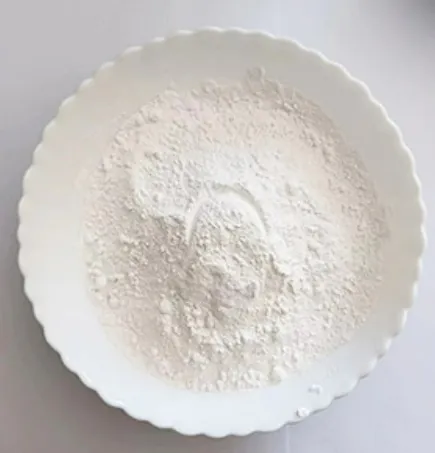
The Optical Mechanics and Blue-Tone Advantage of Anatase Titanium Dioxide
The primary reason a formulator selects anatase titanium dioxide for inks over its rutile counterpart lies in its unique light-scattering profile. While both forms are chemically identical, the anatase crystal lattice is arranged in a way that reflects light with a subtle, "cool" bluish undertone. In the world of premium packaging—especially for cosmetics, pharmaceuticals, and high-end electronics—this bluish tint is highly desirable. It provides a "cleaner" and "whiter" appearance compared to the slightly yellowish "warm" white characteristic of other pigments.
This optical purity allows for more accurate color reproduction when process colors are printed over a white base. When using anatase titanium dioxide for inks, the white layer does not interfere with the color balance of the overlying cyans, magentas, or yellows. This level of color integrity is a critical requirement for global brands that demand absolute consistency in their logo colors across different markets and substrates. By providing a neutral, high-brightness canvas, the anatase form ensures that the final printed product achieves the "snap" and visual depth required to stand out on a crowded retail shelf.
Titanium Dioxide: Mechanical Gentleness and Equipment Longevity in High-Speed Printing
Beyond its optical brilliance, the physical characteristics of anatase titanium dioxide offer a significant operational advantage: it is significantly less abrasive than other mineral pigments. In high-speed printing processes such as flexography and rotogravure, the ink is transferred via precision-engineered components, including anilox rollers and doctor blades. If an ink contains highly abrasive particles, these components wear down rapidly, leading to inconsistent ink film thickness and frequent, costly maintenance shutdowns.
Because the anatase crystal is physically "softer" than the rutile form, it glides through the printing machinery with minimal friction. This mechanical gentleness allows printing houses to run their presses at higher speeds for longer periods without sacrificing print quality or damaging expensive equipment. For a large-scale printing operation, the transition to an anatase-based ink system can result in a measurable increase in uptime and a reduction in the total cost of ownership for their machinery. This unremitting pursuit of process efficiency is what drives many of the world's leading ink manufacturers to favor anatase for their most demanding graphic applications.
Navigating the Market Dynamics of Anatase Titanium Dioxide Pigment Price
For procurement officers and supply chain managers, the anatase titanium dioxide pigment price is a variable that requires constant strategic monitoring. Unlike many other chemical commodities, the pricing of high-purity anatase is influenced by a unique set of global factors, including the availability of specific ilmenite ores and the energy intensity of the sulfate production process. As a market-oriented enterprise, understanding these fluctuations is key to maintaining a competitive edge in the global trade of chemical products.
In recent years, the anatase titanium dioxide pigment price has seen shifts driven by a global consolidation of manufacturing capacity and a tightening of environmental regulations. However, for many ink producers, the value provided by the pigment—in terms of reduced equipment wear and superior color reproduction—far outweighs the initial material cost. By establishing solid and stable market relations with reputable suppliers, businesses can mitigate the risks associated with price volatility and ensure a consistent supply of high-quality material for their production lines. This long-term approach to procurement is essential for maintaining the integrity and reliability of the global ink supply chain.
The Global Influence of a Premier Chinese Anatase Titanium Dioxide Manufacturer
The role of the chinese anatase titanium dioxide sector has evolved from a high-volume exporter to a leader in technical innovation. Today, a modern Chinese manufacturer does not just compete on scale; they compete on the molecular engineering of their products. By investing heavily in technological research and development, these producers have refined the sulfate process to create anatase grades with a narrower particle size distribution and higher chemical purity than ever before.
For international buyers, sourcing chinese anatase titanium dioxide now offers an opportunity to access specialized grades that are tailored for specific ink systems, such as water-borne, solvent-borne, or UV-cured formulations. These manufacturers have recognized that the global market is diverse and requires personalized customized services. By providing pigments that are surface-treated for better moisture resistance or improved dispersibility in specific resin systems, they have earned a good reputation among domestic and foreign customers alike. This commitment to quality and service has made China a primary hub for the high-end anatase pigments used in everything from food packaging to decorative wall coverings.
Strategic Partnerships with Leading Anatase Titanium Dioxide Producers
In the current industrial landscape, the relationship between an ink formulator and anatase titanium dioxide producers has become a deep technical collaboration. Because the ink's performance is so dependent on the pigment's interaction with the resin and the substrate, manufacturers no longer buy "off-the-shelf" products. Instead, they work closely with producers to develop bespoke pigment solutions that solve specific application challenges.
Top-tier anatase titanium dioxide producers provide more than just a chemical product; they provide the technical expertise required to optimize the entire ink manufacturing process. This includes advice on dispersion techniques, stabilization additives, and the management of rheological properties. By maintaining an unremitting pursuit of excellence in both production and service, these producers act as an extension of their clients' own R&D teams. This collaborative approach ensures that as printing technologies move toward more sustainable and high-efficiency models, the chemical foundations of the industry—the white pigments that make all other colors possible—continue to evolve and improve.
-
Why Rutile Titanium Dioxide is the Preferred Choice for Automotive Finishes
NewsApr.17,2026
-
Utilizing Anatase Titanium Dioxide for Inks and Specialized Printing Media
NewsApr.17,2026
-
The Science of Reflection: How Titanium Dioxide White Pigment Defines Modern Paints
NewsApr.17,2026
-
The Role of Coated Titanium Dioxide in High-Performance Exterior Coatings
NewsApr.17,2026
-
Enhancing Structural Longevity: Titanium Dioxide for Concrete and Masonry
NewsApr.17,2026
-
Comparing the Optical Efficiency of Rutile and Anatase Titanium Dioxide
NewsApr.17,2026