

Mac . 19, 2026 14:48 Kembali kepada senarai
The Vital Role of Titanium Dioxide in the Structural Integrity of PVC Profile Manufacturing
In the modern construction and architectural landscape, Polyvinyl Chloride (PVC) has emerged as a dominant material for window frames, door profiles, and exterior cladding. However, the inherent chemical nature of PVC makes it sensitive to environmental degradation, specifically when exposed to the relentless energy of ultraviolet (UV) radiation. To transform this versatile polymer into a durable building material, the industry relies heavily on the integration of a specialized titanium dioxide product. As a high-performance inorganic pigment, it does more than just provide a clean, aesthetic white finish; it acts as a fundamental protective shield that ensures the long-term mechanical and chemical stability of the profile.
The Science of UV Protection Using Titanium Dioxide for PVC Profile Stability
The primary challenge in manufacturing exterior-grade PVC is preventing the "photo-degradation" process. When untreated PVC is exposed to sunlight, UV rays penetrate the polymer chain, causing it to become brittle, yellow, and eventually crack. Incorporating titanium dioxide for pvc profile applications is the most effective solution to this problem. Due to its exceptionally high refractive index, this mineral serves as a physical barrier that reflects and scatters harmful UV radiation before it can reach the deeper layers of the plastic matrix.
This protective mechanism is often referred to as "screening." By absorbing and reflecting light across a wide spectrum, the titanium dioxide for pvc profile ensures that the polymer maintains its flexibility and impact resistance over decades of service. In regions with high solar intensity, such as the Middle East or parts of Southeast Asia, the quality of the pigment used in the extrusion process directly determines the lifespan of the building's windows and doors. Without this critical additive, the structural integrity of the profile would fail within a few years of installation.
Optimizing the Extrusion Process with High-Quality Titanium Dioxide Powder
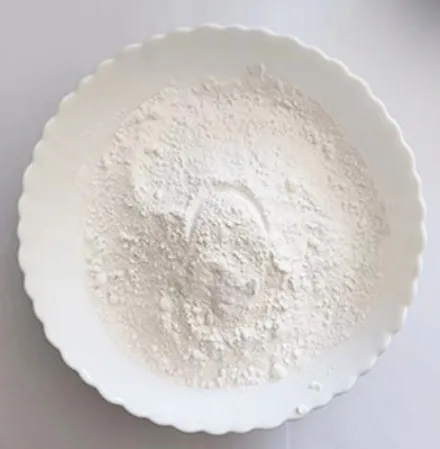
The physical form of the additive is crucial for a smooth manufacturing workflow. In a high-speed extrusion line, the titanium dioxide powder must be distributed with absolute uniformity throughout the molten PVC resin. If the powder tends to agglomerate or clump, it can cause "die buildup" or lead to "fisheyes"—tiny imperfections on the surface of the finished profile that compromise both beauty and strength.
Modern manufacturing techniques for titanium dioxide powder involve sophisticated surface treatments with inorganic compounds like alumina or silica. These treatments reduce the surface energy of the pigment particles, making them more compatible with the organic PVC resin. This enhanced dispersibility allows for a faster and more stable extrusion process, reducing energy consumption and minimizing waste. For a large company specializing in chemical research and development, providing a powder that flows easily and integrates seamlessly into a masterbatch is a hallmark of technical excellence.
Enhancing Surface Quality Through Specialized Coating Titanium Dioxide
While many think of "coatings" as a separate layer, the term coating titanium dioxide in the context of PVC manufacturing often refers to the specific grade of pigment designed to provide a high-gloss, smooth finish to the extruded surface. A high-quality profile is defined by its "whiteness" and its "brightness," two optical properties that are entirely dependent on the pigment’s particle size and distribution.
The use of coating titanium dioxide ensures that the profile has a uniform, professional appearance that resists staining and dirt pickup. Because the pigment particles are concentrated near the surface of the profile during the cooling process, they create a dense, reflective layer. This layer not only contributes to the visual appeal of modern "minimalist" window designs but also makes the surface easier to clean. For homeowners and commercial developers, this translates to lower maintenance costs and a "like-new" appearance that lasts for the entire lifecycle of the building.
The Chemical Synergy of Chemical Titanium Dioxide in Polymer Formulations
The manufacturing of PVC profiles is not just a mechanical process; it is a complex chemical interaction. The chemical titanium dioxide used in these formulations must be chemically inert to avoid reacting with other additives, such as heat stabilizers, lubricants, and impact modifiers. If the pigment is not chemically stable, it can lead to "graying" or "pinking"—unwanted color shifts that occur during the high-temperature extrusion process.
High-purity chemical titanium dioxide is specifically engineered to remain stable at temperatures exceeding 200 degrees Celsius. This thermal stability ensures that the final product maintains its intended color regardless of the processing conditions. Furthermore, the chemical purity of the pigment prevents the degradation of the PVC resin itself, which can be triggered by impurities in lower-grade minerals. By adhering to the principle of market orientation and integrity, manufacturers ensure that their chemical products contribute to the creation of a diverse international market for high-standard building materials.
Sustainability and Innovation in the Titanium Dioxide Product Lifecycle
As the global construction industry moves toward more sustainable practices, the role of a high-performance titanium dioxide product becomes even more significant. Durable PVC profiles contribute to energy efficiency by providing superior thermal insulation, reducing the energy required to heat and cool buildings. The longevity provided by the pigment also reduces the need for frequent replacements, thereby lowering the overall carbon footprint of the infrastructure.
Innovation in this field is unremitting. Research and development teams are currently exploring ways to enhance the photocatalytic properties of certain pigment grades to create "self-cleaning" PVC profiles. These advanced materials use sunlight to break down organic pollutants on the surface of the profile, which are then washed away by rainwater. This forward-thinking approach to the titanium dioxide product shows how traditional chemical manufacturing is evolving to meet the demands of a greener, more efficient world.
-
Why Rutile Titanium Dioxide is the Preferred Choice for Automotive Finishes
BeritaApr.17,2026
-
Utilizing Anatase Titanium Dioxide for Inks and Specialized Printing Media
BeritaApr.17,2026
-
The Science of Reflection: How Titanium Dioxide White Pigment Defines Modern Paints
BeritaApr.17,2026
-
The Role of Coated Titanium Dioxide in High-Performance Exterior Coatings
BeritaApr.17,2026
-
Enhancing Structural Longevity: Titanium Dioxide for Concrete and Masonry
BeritaApr.17,2026
-
Comparing the Optical Efficiency of Rutile and Anatase Titanium Dioxide
BeritaApr.17,2026